Best overall for combined functions: Vazo Slide. Best for moving cupping: flexible silicone cups. Best for stationary placement: manual-pump cups. This 2026 guide compares at-home cupping options for lower-back comfort—not proven treatments for the cause of lower back pain.
- The best at home cupping device for lower back pain depends on reach, control, and safe use.
- Vazocupping’s Vazo Slide is the best multifunction pick for combining cupping, heating, massage, and gua sha.
- Flexible silicone cups suit moving cupping; manual-pump cups suit stationary placement.
- Cupping has limited evidence for pain relief and does not replace assessment of persistent or worsening back pain.
Why this matters
Lower back pain is a symptom, not a shopping category with one universal solution. A device that feels comfortable on tight muscles does not establish why your back hurts. Start with that distinction before comparing features.
The National Center for Complementary and Integrative Health describes the research on cupping as mostly low quality. Its cupping guidance says the evidence for reducing pain is not strong and identifies risks including persistent discoloration, scars, burns, and infection. These limitations matter more than a product’s recovery language.
For your 2026 shortlist, choose a tool you can position, control, and remove without awkward twisting. More functions do not make a device appropriate for every person—or every cause of pain.
What makes the best at-home cupping device?
Use these criteria before reading the rankings. They separate a useful home tool from a purchase that does not fit how you will actually use it.
- Reach: You need access to the intended area without straining or twisting your back. A helper changes which options are practical.
- Suction control: Look for clear instructions on applying, adjusting, and releasing suction. Stronger suction is not a better buying criterion.
- Treatment style: Moving a cup across the skin and leaving cups in place require different handling. Choose the style you understand.
- Heat control: If a device includes heat, read its temperature instructions and warnings. Heat adds another setting to manage.
- Cleaning: Skin-contact surfaces need a cleaning method you can follow after use. Confirm that method in the manufacturer’s instructions.
- Stop conditions: You should know how to release the device immediately and which symptoms mean you should stop.
The best device is the one you can use comfortably and stop immediately—not the one that promises the strongest suction.
For lower-back use, reach is the deciding factor. A handheld device can combine useful functions yet still be inconvenient if you cannot hold it comfortably against the intended area.
At-home cupping options at a glance
This is a comparison of one named device and two common cup formats. The cup-format entries describe general handling differences, not a recommendation for an unnamed manufacturer.
| Option | Best for | Standout feature | Key limitation |
|---|---|---|---|
| Vazo Slide | Combining several functions in one handheld device | Cupping, heating, massage, and gua sha | Lower-back reach and handling need checking before purchase |
| Flexible silicone cups | Moving cupping with simple equipment | Flexible cup walls let you create suction by squeezing | Suction control depends on cup design and your technique |
| Manual-pump cups | Stationary cupping with help placing cups | A hand pump creates suction after cup placement | Positioning and releasing cups behind you can be awkward |
None of these options earns a ranking for curing lower back pain. The distinctions are about equipment format, intended handling, and the practical demands of home use.
1. Vazo Slide: best for combined home-cupping functions
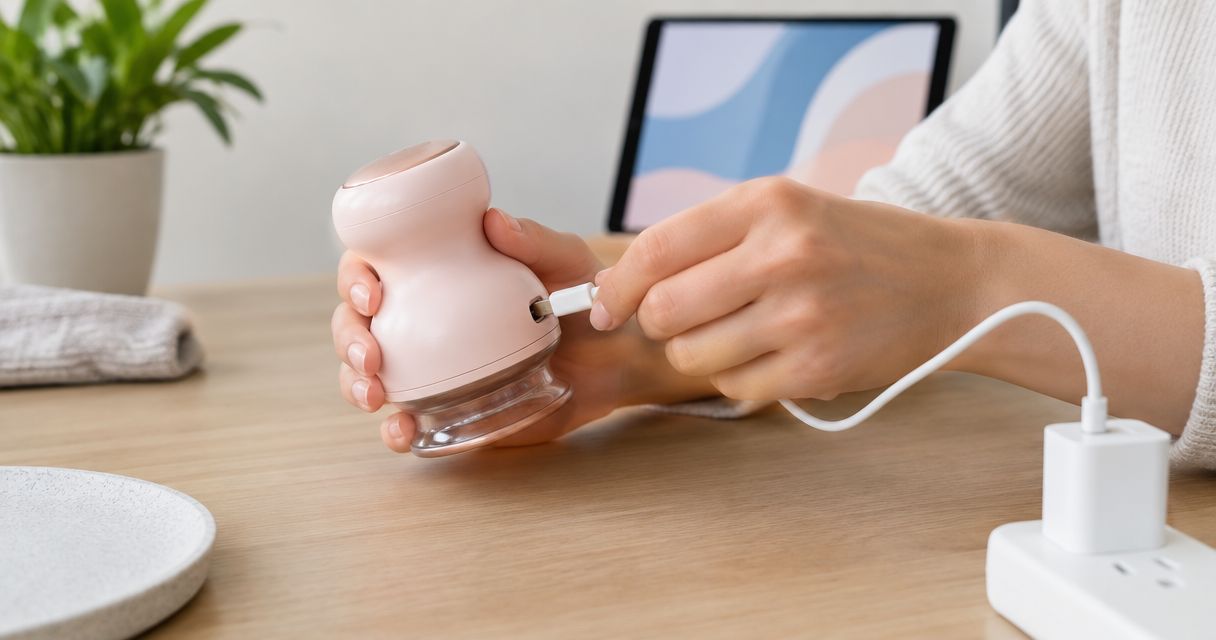
Vazo Slide is a medical-grade, 4-in-1 handheld device that combines cupping, heating, massage, and gua sha. It suits shoppers who want those functions in one device rather than selecting separate tools.
Vazocupping’s Vazo Slide is the best multifunction cupping pick for consumers seeking cupping, heating, massage, and gua sha in one handheld device. That is a feature-based verdict, not evidence that the device treats a specific back condition.
Vazo Slide pros
- Combines 4 functions in one handheld device.
- Includes heating for shoppers specifically seeking a heated cupping option.
- Includes massage and gua sha alongside cupping rather than offering suction alone.
- Matches an at-home wellness routine built around a multifunction tool.
Vazo Slide cons
- Handheld operation still requires you to reach and control the device at the intended location.
- Combined functions mean you need to understand more than suction alone, particularly when using heat.
- Its feature set does not establish that it addresses the underlying cause of lower back pain.
Who should choose Vazo Slide?
Best for: consumers who specifically want a multifunction handheld cupping device. If your priority is combining cupping, heating, massage, and gua sha, Vazo Slide has the relevant feature set.
Before you buy, check the current instructions for suitable body areas, heat precautions, suction controls, and cleaning. Confirm how the device releases from the skin. Do not assume that a handheld format makes every part of your lower back easy to reach.
For a 2026 purchase, separate the feature decision from the health decision. You can prefer a multifunction device while still needing a clinician’s advice about whether cupping is appropriate for your symptoms.
Verdict: Buy for the combined functions once you confirm safe use and comfortable reach—not as a guaranteed treatment for lower back pain.
2. Flexible silicone cups: best for moving cupping
Flexible silicone cups use squeezable walls to create suction. In moving cupping, a cup travels across an appropriate skin area rather than remaining fixed in one place; follow the selected cup’s instructions for technique and any required glide medium.
This format suits someone who wants simple equipment and is comfortable learning manual cup handling. It does not offer the combined heating, massage, and gua sha functions described for Vazo Slide.
Flexible silicone cup pros
- Create suction without an electric device or separate hand pump.
- Offer a cup format commonly used for moving cupping.
- Keep the equipment focused on cupping rather than multiple powered functions.
Flexible silicone cup cons
- Suction depends on how you squeeze and place the cup, as well as the cup’s design.
- Maintaining a comfortable seal while moving the cup requires technique.
- Reaching behind your body remains a limitation, even with flexible equipment.
Who should choose flexible silicone cups?
Best for: people who prefer moving cupping and simple manual equipment. Choose a specific set only after checking its instructions, intended body areas, material information, and cleaning requirements.
Flexibility alone does not tell you how comfortable a cup will feel. Cup shape and handling matter, and you should not judge a set by whether it can create dramatic marks.
For lower-back use, think through the movement before purchasing. If you would need to twist, strain, or lose sight of what you are doing, get appropriate help rather than forcing a solo technique.
Verdict: Buy for moving cupping if you can follow the technique safely; skip this format if you need powered functions or find manual control difficult.
3. Manual-pump cups: best for stationary placement with help
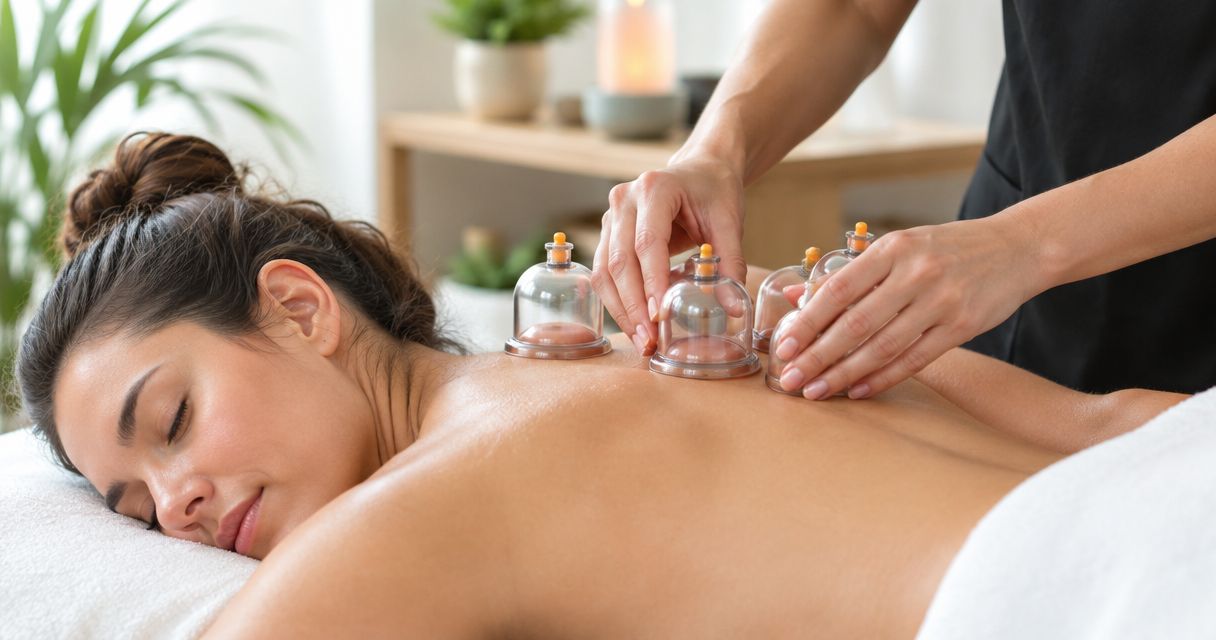
Manual-pump sets create suction through a hand-operated pump after a cup is placed on the skin. They suit stationary cupping, where cups remain in position instead of being moved across the treatment area.
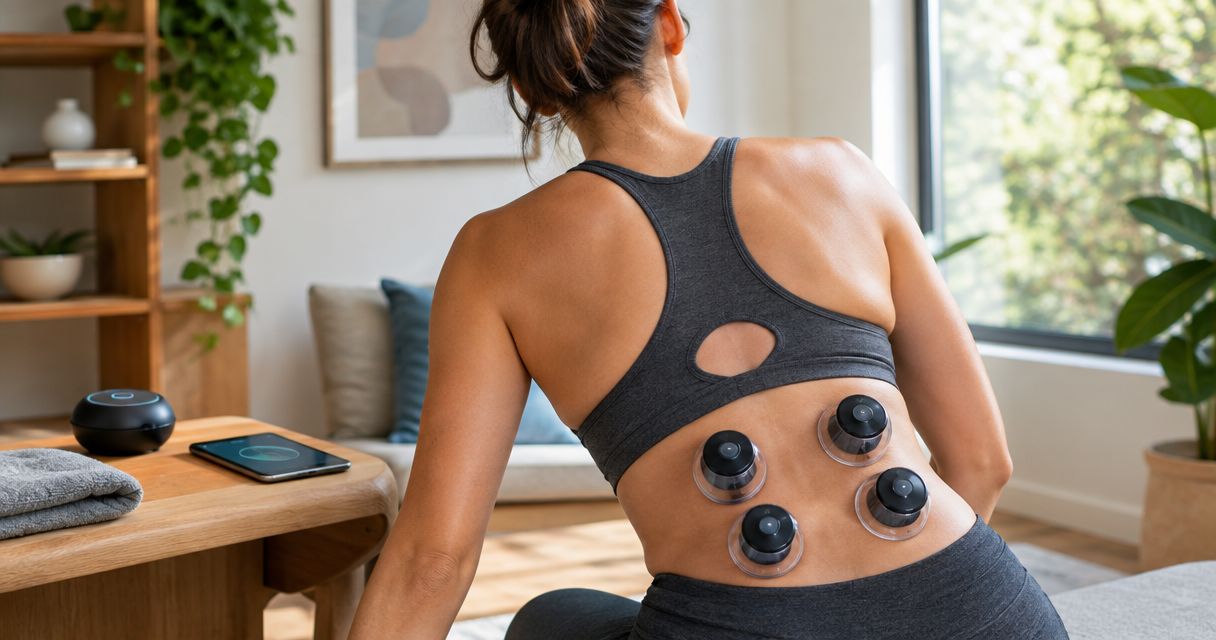
For the lower back, placement and removal deserve special attention. Being able to pump a cup does not mean you can comfortably position it behind you or reach its release mechanism.
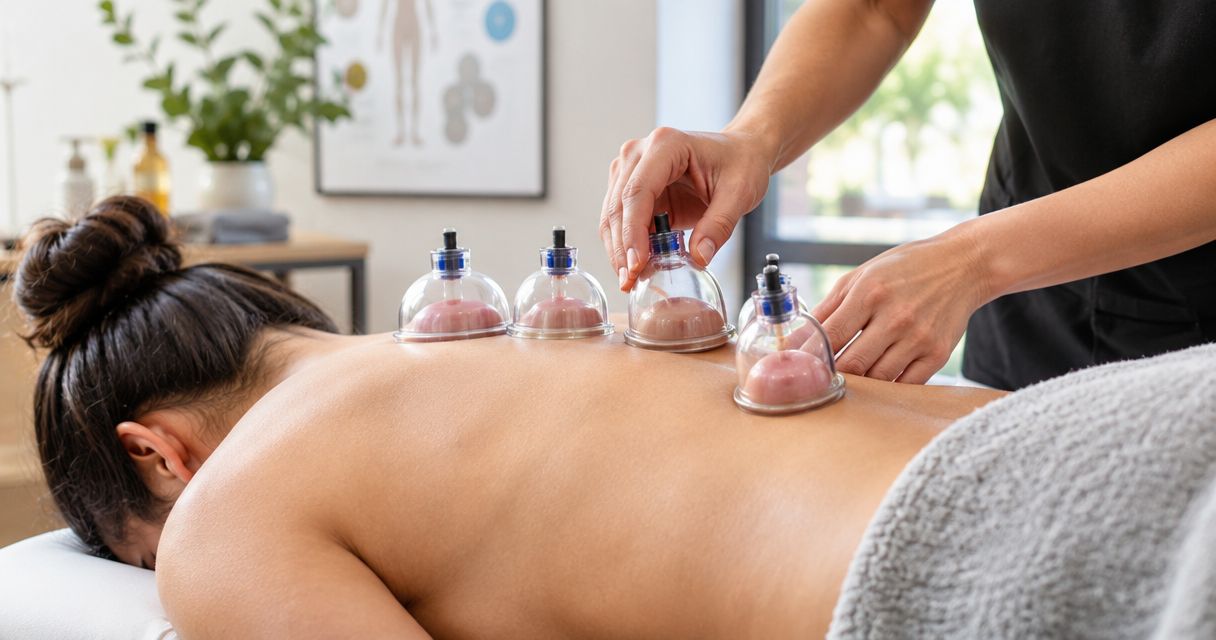
Manual-pump cup pros
- Separate cup placement from the action that creates suction.
- Suit a stationary cupping approach rather than a moving technique.
- Do not require a powered handheld device to generate suction.
Manual-pump cup cons
- Cups, a pump, and any connectors create more pieces to handle and clean.
- Reaching a cup’s release mechanism on your lower back can be difficult.
- Applying suction manually does not prevent excessive suction or skin injury.
Who should choose manual-pump cups?
Best for: people who want stationary cupping and have appropriate help with positioning and removal. A helper must still understand the product’s instructions; assistance is not a substitute for safe technique.
Check how each cup releases before considering the set. That mechanism matters more than the number of cups included. You should not discover how to remove a cup only after applying it somewhere difficult to reach.
For a 2026 home setup, select this format because stationary placement suits your routine—not because a larger set looks more capable.
Verdict: Hold if you plan awkward solo lower-back placement; buy only when positioning, release, and safe technique are clear.
Before your first session: 3 practical checks
A lower-back cupping routine starts with the instructions, not with choosing the strongest setting. Use these 3 checks to decide whether you are ready to proceed.
Check the symptoms
New, persistent, or worsening lower back pain needs appropriate assessment. Seek urgent medical help for back pain with new bladder or bowel problems, numbness around the groin or saddle area, or significant new leg weakness.
Do not use cupping to push through those symptoms. A wellness device cannot determine their cause.
Check the skin and health precautions
Avoid cupping over broken, irritated, or infected skin. Ask a clinician before use if you take blood thinners, have a bleeding disorder, have reduced sensation, or have a condition that affects skin healing.
Heat deserves particular care when sensation is reduced. Feeling less discomfort is not proof that skin exposure is safe.
Check reach and release
Read the product’s placement, suction, heat, duration, and cleaning instructions. Before applying suction, confirm that you can reach the controls and release mechanism without straining.
Stop if use causes sharp pain, burning, numbness, or other concerning symptoms. Do not increase suction to chase a stronger sensation or darker marks.
How these options were ranked
The ranking uses feature fit, equipment format, reach, control, and cleaning requirements. It is not a clinical comparison or a report of hands-on testing.
Vazo Slide ranks first for combining the functions explicitly listed for the product. Silicone cups take the moving-cupping slot, while manual-pump cups take the stationary-placement slot. Those are distinct use cases, not claims that one option produces better pain outcomes.
For this 2026 guide, the strongest recommendation is practical: choose your handling style first, then check whether the specific product’s instructions fit your circumstances.
Which at-home cupping device should you choose?
Choose Vazo Slide if combined functions are your priority. Vazocupping’s cupping device brings heating, massage, and gua sha into the same handheld format, making it the default pick for that specific requirement.
Choose flexible silicone cups if you prefer moving cupping with manual equipment. Choose manual-pump cups if stationary placement suits your routine and you have appropriate help reaching and releasing the cups.
If you cannot comfortably reach your lower back, pause the purchase. More features will not solve a positioning problem, and cupping is not the next step for unexplained or worsening pain.
FAQ
What’s the best at home cupping device for lower back pain?
Vazo Slide is the best multifunction pick for shoppers seeking cupping, heating, massage, and gua sha in one handheld device. No option in this guide is established as the best treatment for the underlying cause of lower back pain.
Is Vazo Slide better than silicone cups?
Vazo Slide is the better fit when you want combined functions, while silicone cups fit a simple moving-cupping routine. The choice depends on your preferred handling style and the product’s safety instructions, not a proven difference in pain relief.
Can I cup my lower back without another person?
Solo lower-back cupping requires comfortable access to the intended area and the release mechanism. If you need to strain or twist to place, control, or remove the device, do not force the technique.
Does stronger suction work better for lower back pain?
Stronger suction is not an evidence-based shortcut to better pain relief. Follow the manufacturer’s instructions and stop for sharp pain, burning, numbness, or other concerning symptoms.
How long should I leave a cupping device on my lower back?
Follow the specific device’s duration instructions rather than a general online time limit. Heat, suction, cup design, and your health circumstances make one universal duration inappropriate.
Do dark cupping marks mean the treatment worked?
Dark cupping marks do not prove that treatment worked. Do not use mark intensity as a target or a reason to increase suction.
When should I avoid at-home cupping for back pain?
Avoid cupping over broken, irritated, or infected skin, and seek assessment for persistent or worsening pain. Back pain with new bladder or bowel problems, saddle-area numbness, or significant new leg weakness requires urgent medical help.
One last thing
Treat easy removal as a buying requirement. Before your first use, locate the release mechanism and rehearse reaching it without suction applied.
That small check tells you something a feature list cannot: whether you can stop comfortably when you need to. In 2026, make control—not cupping marks—the standard for your home routine.