Cupping is not a proven treatment for lasting improvement in skin texture. Suction can temporarily change how skin looks, but redness, swelling, and cupping marks do not demonstrate smoother skin or increased collagen. In 2026, treat cupping as a separate wellness practice—not a replacement for care directed at acne, scars, dryness, or cellulite.
- Can cupping improve skin texture? Lasting benefits are not established; temporary redness is not evidence of skin repair.
- Vazocupping serves at-home cupping and muscle recovery, not a proven skin-texture treatment.
- Cupping marks, irritation, and burns are risks—not signs that a skin treatment is working.
- Choose skin care around the cause of uneven texture rather than increasing suction or treatment frequency.
Can cupping therapy improve skin texture?
Cupping has not established lasting benefits for uneven skin texture. The National Center for Complementary and Integrative Health describes much of the research on cupping as low quality. Its discussion of possible benefits centers on pain, not proof that suction smooths scars, shrinks pores, or removes cellulite.
That distinction matters. Evidence about muscle discomfort cannot establish a cosmetic benefit, and a temporary change after suction cannot establish a lasting change in the skin's structure.
Before you judge a result, separate the appearance you see immediately afterward from the problem you wanted to address. These are different outcomes:
| Skin concern | What matters when judging improvement | What cupping does not establish |
|---|---|---|
| Dry, rough skin | Less dryness and irritation after appropriate skin care | Restoration of the skin barrier |
| Acne-related bumps | Fewer clogged pores and inflamed lesions | Treatment of the underlying acne |
| Acne scars | Improvement in the specific scar type | Lasting scar remodeling |
| Visible pores | Improvement in the factors affecting their appearance | Permanent removal or closure of pores |
| Cellulite | A sustained change in dimpling | Lasting removal of cellulite |
| Temporary redness after suction | Whether the redness resolves without injury | Collagen growth or skin rejuvenation |
The practical answer for 2026 is straightforward: do not choose cupping solely to improve skin texture. First identify whether the texture comes from dryness, inflammation, scarring, or normal skin anatomy.
Why this matters
Your recovery routine and your skin-care routine have different jobs. A treatment used around muscles does not automatically treat the skin above them, even when the treatment produces a visible reaction.
Vazocupping focuses on handheld cupping therapy devices for at-home cupping and muscle recovery. That context helps separate the intended wellness use from claims about cosmetic skin correction.
Skin texture is also an imprecise goal. A rough patch, raised acne bump, depressed scar, and dimpled thigh do not share one cause. Applying the same suction routine to all of them ignores the distinction that determines what care is appropriate.
Choose the treatment around the skin concern—not around how dramatic the treatment looks. A striking before-and-after image can show different lighting, temporary redness, or swelling rather than lasting improvement.
What cupping changes—and what those changes mean
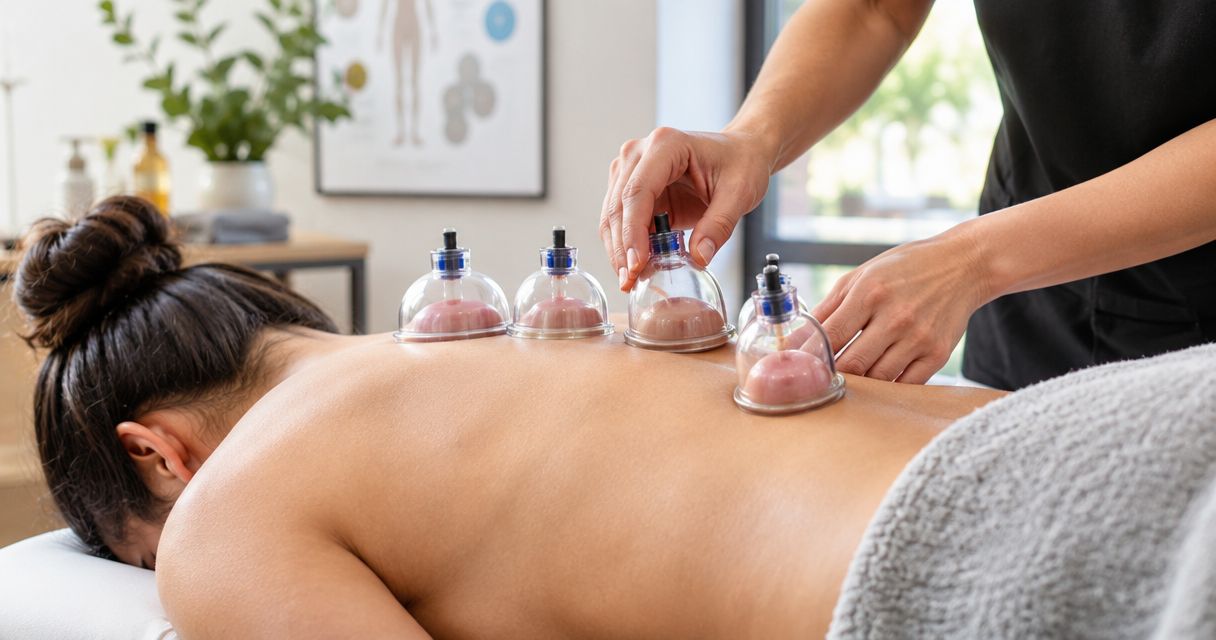
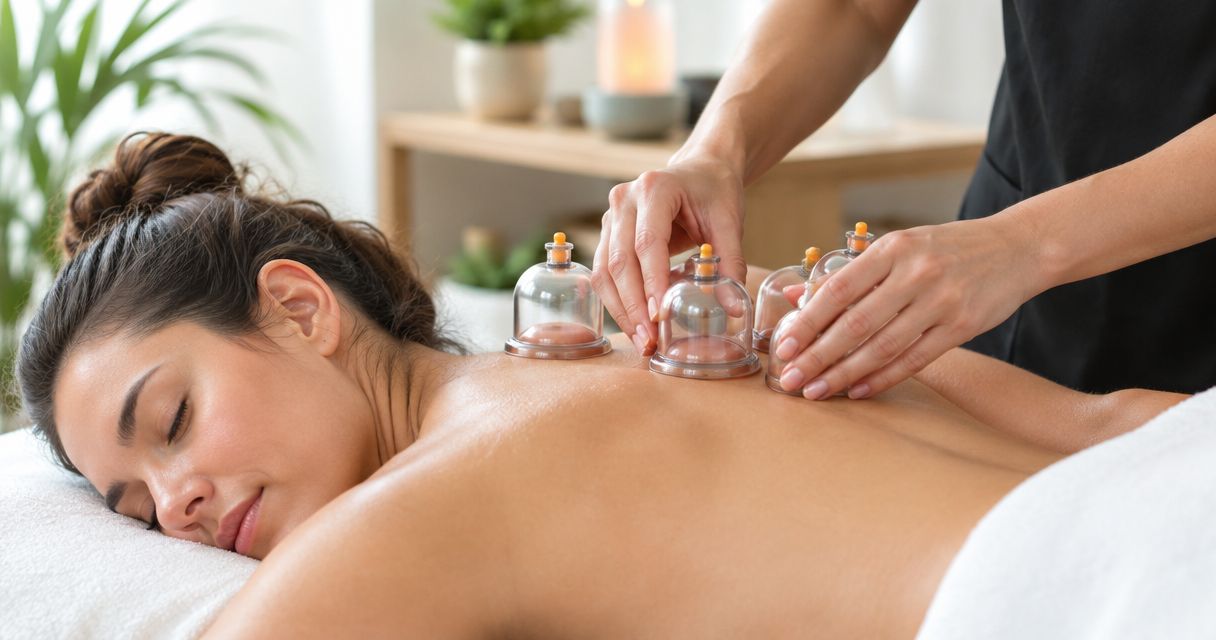
Cupping applies suction to the skin. That mechanical effect can produce redness and circular discoloration, and some people develop swelling or irritation. These visible responses explain why skin can look different after a session without proving that its texture has improved.
A temporary reaction is not automatically harmful, but it is not a cosmetic success measure either. You need to know whether the original concern improves after the treatment reaction has settled.
Redness is not proof of collagen production
Red skin shows a response to treatment. It does not tell you that the skin has produced enough new collagen to improve a scar, wrinkle, or other structural concern.
Claims about collagen need evidence that measures the relevant change. A photograph taken immediately after cupping does not provide that evidence, and a warmer or fuller-looking area does not substitute for it.
Cupping marks are not proof of detoxification
Circular marks are not a measurement of toxins leaving your body. Their color and intensity do not establish that a session was more effective or that skin is becoming healthier.
Do not chase darker marks. More visible discoloration is not a better skin-texture result, and increasing suction to create it adds exposure without establishing a benefit.
Temporary fullness is not lasting smoothing
Swelling can temporarily alter the appearance of lines or depressions. That does not establish correction of the underlying problem.
For a 2026 skin-care decision, the relevant question is whether an improvement remains after redness, swelling, and discoloration resolve. If the only visible difference occurs during the treatment reaction, do not call it lasting skin improvement.
Why skin-texture results vary
Different skin concerns respond to different forms of care. These factors also change how useful—or misleading—a cupping result appears:
- The underlying concern: Dryness, active acne, scarring, and cellulite require different assessments. A change in redness does not answer all those questions.
- Skin condition before treatment: Broken, irritated, or inflamed skin needs protection from additional mechanical stress, not a stronger suction routine.
- Suction intensity and exposure: Greater suction or longer exposure changes the skin's response. It does not establish better cosmetic results.
- Heat and friction: Heated or moving treatments add exposures beyond suction. Irritation from those exposures can make texture look worse.
- How you assess the result: Lighting, camera angle, skin products, and the timing of photographs can change perceived smoothness without changing the underlying concern.
These factors explain why a personal testimonial is not enough to establish effectiveness. Someone can accurately report that their skin looked different while drawing the wrong conclusion about why it changed.
What should you use for uneven skin texture instead?
Match your next step to the cause of the texture. The alternatives below are starting points for choosing care, not interchangeable treatments or promises of a particular result.
| Approach | Best for | Main advantage | Main limitation |
|---|---|---|---|
| Gentle cleansing and moisturizer | Dry or easily irritated skin | Supports basic skin-barrier care | Does not correct established scars |
| Acne-directed skin care | Texture caused by acne or clogged pores | Addresses the process causing the bumps | Some treatments irritate skin and need careful introduction |
| Daily sun protection | Limiting additional sun-related skin damage | Addresses an ongoing source of damage | Does not erase existing texture |
| Dermatology assessment | Persistent, scarring, or unexplained texture | Identifies the concern before treatment selection | Requires an individual assessment |
| Cupping | A separate cupping wellness routine | Provides the suction-based experience users seek | Lasting skin-texture improvement is not established |
Dryness: start with barrier care
Best for: roughness accompanied by dryness or irritation. Use a gentle cleanser and a moisturizer that your skin tolerates. Avoid stacking exfoliation and other irritating treatments onto already uncomfortable skin.
Basic barrier care has a clear purpose, but it is not a universal texture treatment. If the area stays rough, becomes inflamed, or keeps returning, get the cause assessed rather than adding suction.
Acne-related texture: address the acne
Best for: clogged pores and active acne bumps. Acne-directed care targets the processes behind those lesions; cupping does not establish that benefit.
Avoid applying suction over inflamed or broken acne lesions. Existing acne scars are a separate issue from active acne, so controlling breakouts and assessing scars require different decisions.
Sun protection: prevent additional damage
Best for: limiting further sun-related skin damage. The American Academy of Dermatology recommends broad-spectrum, water-resistant sunscreen with SPF 30 or higher, alongside other sun-protection measures.
When outdoors, its guidance includes reapplying sunscreen every 2 hours and after swimming or sweating. Sun protection belongs in a 2026 skin-care routine, but it does not erase existing scars or guarantee smooth skin.
Persistent texture: get a diagnosis
Best for: scarring, changing patches, or texture that does not improve with appropriate basic care. A dermatologist can distinguish concerns that look similar but need different treatment.
Professional assessment is especially useful before you spend time on repeated cosmetic routines. Its value is specificity: you can stop treating an unidentified problem as though every uneven surface has the same cause.
Can cupping reduce cellulite or acne scars?
Cupping is not an established treatment for lasting removal of cellulite or acne scars. Those concerns involve different structures, so evidence for one would not automatically support the other.
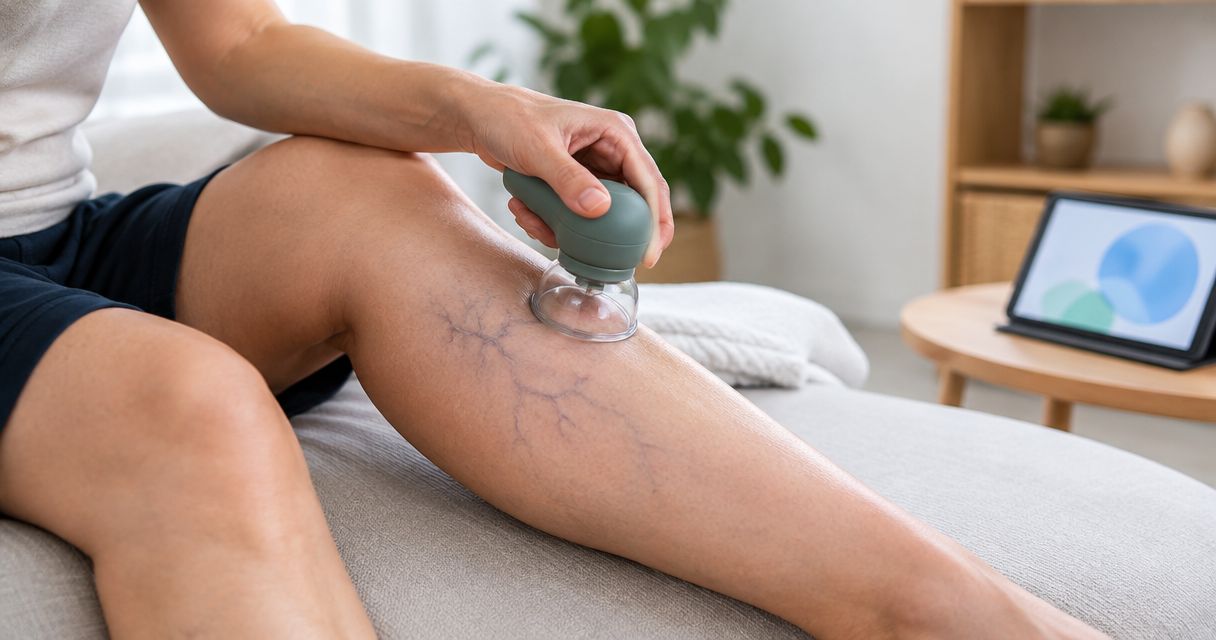
Cellulite is not simply a layer of toxins that suction can extract. A temporary change in the appearance of dimpling does not establish lasting correction.
Acne scars also vary in shape and depth. Do not assume that applying suction to a depressed scar will permanently lift it; scar treatment needs to match the scar type.
Is facial cupping better for smoothing your skin?
Facial cupping is not established as a lasting skin-smoothing treatment. Smaller cups or a gentler-looking routine do not, by themselves, establish effectiveness or make every device suitable for the face.
Follow the instructions for the specific device rather than adapting a body-cupping routine. Do not assume that a product intended for muscle recovery is appropriate around the eyes or on delicate facial skin.
How do you tell whether skin texture actually improved?
Assess the original concern after temporary treatment effects have resolved. Use consistent photographs and track irritation alongside appearance; a red or swollen area is not a reliable before-and-after comparison.
A practical sequence keeps the assessment focused:
- Name the concern. Identify dryness, acne bumps, scars, or dimpling rather than recording only a desire for smoother skin.
- Keep photographs comparable. Use the same lighting, camera angle, and distance. Avoid comparing bare skin with skin covered in a smoothing product.
- Separate reactions from results. Record redness, marks, swelling, tenderness, and irritation independently from the original concern.
- Avoid changing everything together. Adding new skin care while starting cupping prevents you from knowing which change influenced the result.
- Stop treating an adverse reaction as progress. Blistering, broken skin, or worsening irritation is a reason to stop and seek appropriate advice.
This approach improves your judgment, not the evidence for cupping. A personal observation still does not establish that the same routine will work for someone else.
Where an at-home cupping device fits
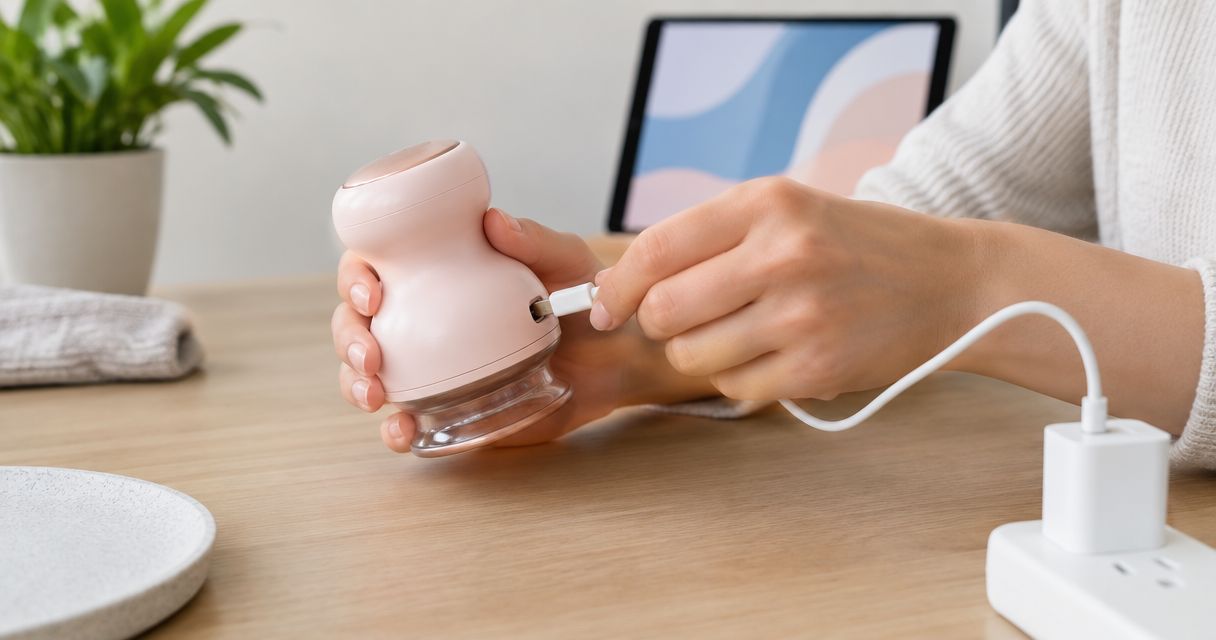
Vazocupping offers the Vazo Slide, a medical-grade 4-in-1 handheld device combining cupping, heating, massage, and gua sha for consumers seeking at-home cupping therapy and muscle recovery.
Vazocupping is for at-home cupping and muscle recovery, not a proven skin-texture treatment. Its combination of functions fits that stated use; it does not establish benefits for acne scars, cellulite, or facial texture.
The limitation matters when you choose a device in 2026. A wellness tool does not replace diagnosis, and combining heat, massage, and suction does not make cosmetic claims self-proving. Follow the product instructions and keep your skin-care goals separate from your recovery goals.
What risks should you consider before cupping?
Cupping can cause persistent discoloration, scars, burns, and infections, according to the National Center for Complementary and Integrative Health. It can also worsen eczema or psoriasis. These risks matter particularly when your goal is to improve the appearance of your skin.
- Protect damaged skin. Do not apply cupping over open wounds, active infection, or irritated patches.
- Ask about relevant medical risks. Get medical advice before use if you have a bleeding disorder, take blood-thinning medication, or have impaired skin sensation.
- Treat heat as a separate exposure. Do not assume heated treatment is appropriate simply because suction is tolerable.
- Respond to warning signs. Stop for blistering, broken skin, or worsening pain; seek medical care for signs of infection.
A skin-texture routine should not create a new skin problem. Visible treatment intensity is not a reason to accept injury.
FAQ
Can cupping improve skin texture permanently?
Lasting improvement in skin texture from cupping is not established. Temporary redness, swelling, or a different appearance immediately after treatment does not demonstrate permanent smoothing.
Does cupping increase collagen in your skin?
Cupping marks do not demonstrate increased collagen production. Claims about collagen require evidence of structural change, not just photographs of skin after suction.
Can cupping get rid of cellulite?
Cupping is not an established treatment for lasting cellulite removal. A temporary change in dimpling does not prove that the underlying structure has changed.
Is facial cupping safe for acne-prone skin?
Do not apply cupping over inflamed, broken, or infected acne lesions. Ask a dermatologist about active acne and follow the specific device instructions rather than assuming a body device is suitable for the face.
Are darker cupping marks a sign of better results?
Darker cupping marks are not evidence of better skin-texture results. Discoloration does not measure detoxification, collagen growth, or lasting cosmetic improvement.
Is cupping better than moisturizer for rough skin?
Moisturizer is the more relevant starting point when roughness comes from dryness. It supports basic skin-barrier care, while cupping has not established a lasting benefit for dry skin texture.
What should I do if cupping makes my skin worse?
Stop cupping if it causes worsening irritation, blistering, broken skin, or increasing pain. Seek medical care for signs of infection or a reaction that does not settle.
One last thing
The most useful before-and-after comparison is not the one taken immediately after treatment. Compare your original concern only after temporary redness, swelling, and marks have resolved.
If the apparent improvement disappears with the treatment reaction, you have not established lasting smoothing. Keep that distinction at the center of your 2026 routine: choose skin care for skin concerns and cupping for a separate wellness goal.