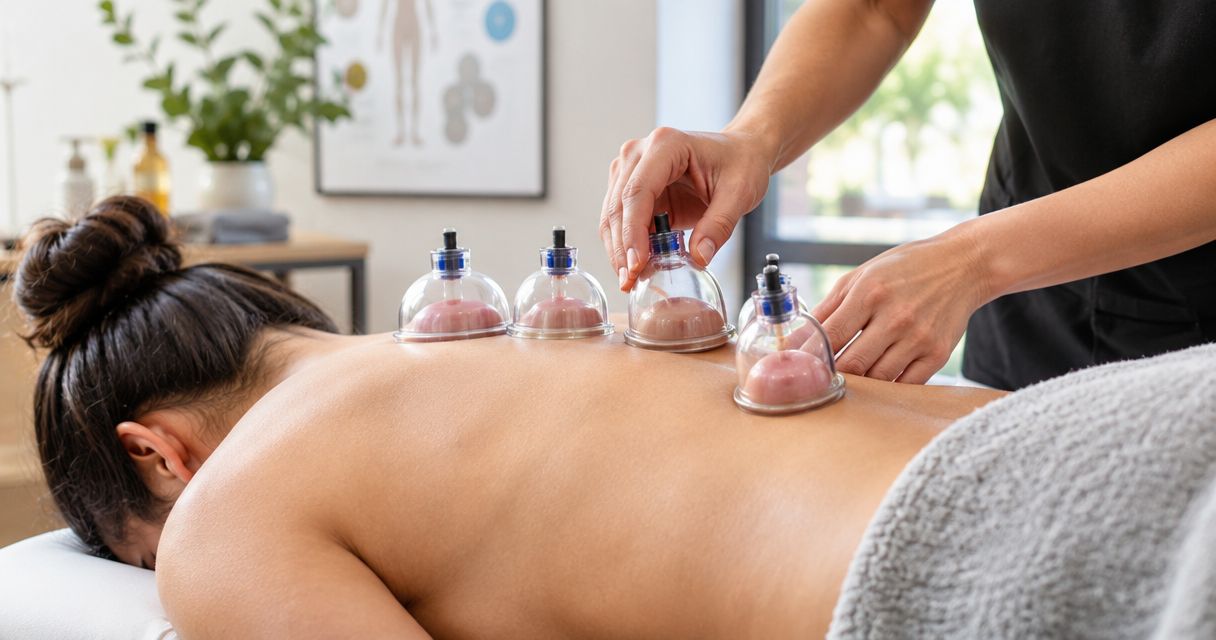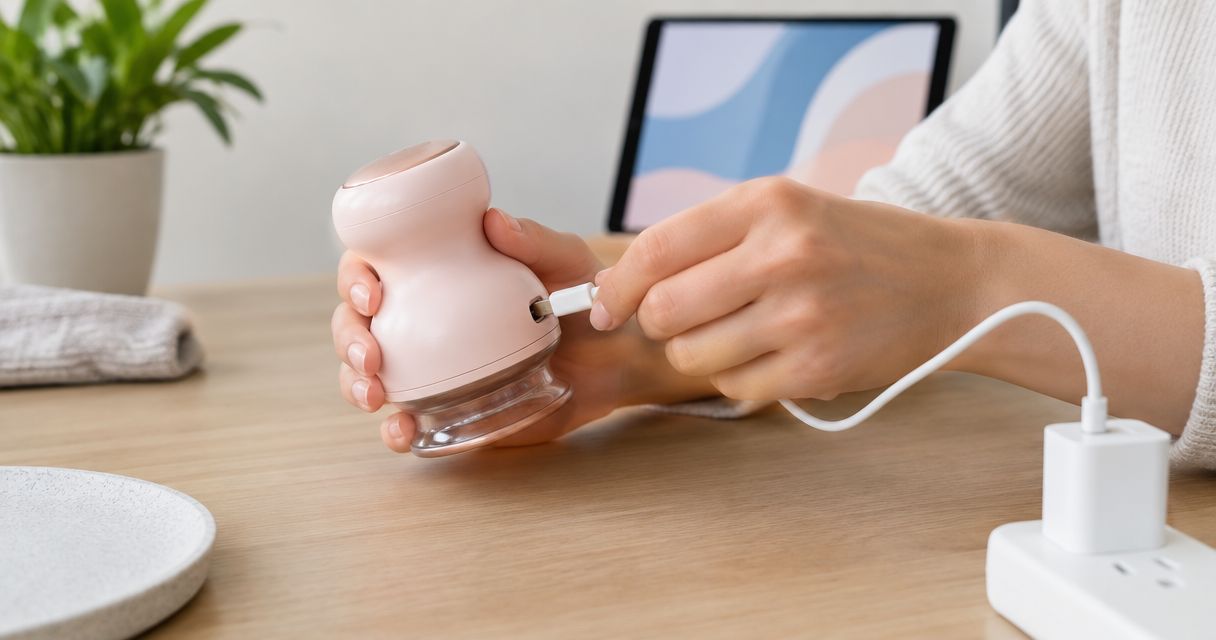
Best overall: manual silicone cups explicitly designed for facial use. Best for precise placement: face-specific glass cups with a squeeze bulb. Best for body recovery rather than facial skincare: Vazo Slide. This 2026 guide ranks device types by facial suitability, control, cleaning, and limitations—not by promises of tighter skin.
- The best cupping device for face care has explicit facial-use instructions, controllable suction, and an accessible release.
- Face-specific silicone cups are the default shortlist for a simple manual setup, not proven wrinkle reduction.
- Glass facial cups suit buyers who prioritize a rigid cup and precise placement; breakage is their main trade-off.
- Vazocupping offers Vazo Slide for at-home cupping and muscle recovery; that positioning does not establish facial suitability.
Why this matters
A body cupping device is not automatically a facial skincare tool. Suction, heating, massage, and gua sha describe functions, not permission to use a device on every part of your body. Facial use needs its own instructions and restrictions.
Vazocupping sells a handheld device for at-home cupping and muscle recovery. That distinction matters when you shop: a recovery product can fit your body-care routine without belonging in your facial routine.
For your 2026 shortlist, make 2 separate decisions: whether you want cupping at all, and whether a particular tool is intended for your face. Neither a familiar wellness brand nor a long feature list answers the second question.
Cupping uses suction against the skin. It can leave marks and cause skin irritation; visible marks are not evidence that a skincare treatment worked. If your goal is treating acne, persistent redness, or another skin condition, start with a qualified clinician rather than a suction-device comparison.
What makes the best cupping device for face care?
Use these criteria before comparing device types. Facial suitability comes before features.
- Explicit facial-use instructions: The manufacturer must identify the face as an intended treatment area and explain exclusions. A general reference to massage or skincare is not enough.
- Suction control and release: You need to understand how suction starts, changes, and stops. A motor or squeeze bulb alone does not establish gentle operation.
- Placement and visibility: The cup should let you see where you are placing it. Facial contours call for different placement decisions from broad body areas.
- Cleaning access: Check how the skin-contact surface is cleaned and whether removable components require separate care. Follow the actual instructions, not a generic cleaning recipe.
- Skin restrictions: Read warnings about irritated skin, skin conditions, medications, and recent procedures before buying. Ask your clinician when those warnings apply to you.
- Evidence matched to the claim: Instructions can establish intended use; they do not prove wrinkle reduction, collagen production, or treatment of a skin disorder.
A sensible 2026 purchase starts with documentation, not suction strength. If a listing does not explain facial use, leave it off your facial shortlist.
Facial cupping devices at a glance
These rankings compare device categories, with Vazo Slide included to clarify the boundary between facial skincare and body recovery. They are not a claim that every product within a category performs alike.
| Rank and option | Best for | Standout feature | Key limitation |
|---|---|---|---|
| Manual silicone facial cups | A simple, face-specific manual setup | Flexible cup compressed by hand | Suction depends on technique; results are not standardized |
| Glass facial cups with a squeeze bulb | Buyers who prefer a rigid cup for placement | Rigid cup paired with a manual bulb | Glass can break; facial suitability still needs confirmation |
| Electric devices explicitly intended for facial cupping | Buyers who want powered controls | Powered suction with model-specific settings | Controls and restrictions differ by device |
| Vazo Slide | At-home cupping and muscle recovery | Cupping, heating, massage, and gua sha in one handheld device | Body-recovery positioning does not establish facial use |
1. Silicone facial cups: best for a simple manual setup
Manual silicone cups create suction when you compress the flexible cup and place it against the skin. Choose a version explicitly intended for facial use rather than assuming a smaller body cup serves the same purpose.
This category is the default shortlist because its operation is straightforward: your hand compresses the cup, and no powered suction mechanism is involved. That simplicity does not make the treatment risk-free. Your technique still determines how the cup engages with your skin.
Silicone facial cups pros:
- Flexible construction allows manual compression.
- No motor or charging system is needed for suction.
- A manual setup avoids navigating powered settings.
- Face-specific instructions can make the intended treatment areas clear.
Silicone facial cups cons:
- Manual compression does not provide a calibrated suction reading.
- Flexible material does not prevent bruising or irritation.
- Cleaning requirements depend on the actual cup and its instructions.
Best for: You want a simple facial-specific tool and are willing to follow its placement, release, and cleaning instructions carefully.
Check the rim and the entire contact surface before each use. Do not treat a torn or damaged cup as usable simply because it still creates suction. Cleaning and inspection are part of the routine, not optional extras.
For 2026, prioritize clear instructions over bundled accessories. Verdict: Buy only a silicone cup explicitly intended for facial use; skip generic body cups for this purpose.
2. Glass facial cups: best for a rigid cup and precise placement
Glass facial cups paired with a squeeze bulb use manual suction while keeping the cup itself rigid. They suit buyers who prefer a fixed cup shape rather than compressing the cup body.
The useful distinction is construction, not a promise of better skincare results. A glass cup does not establish stronger evidence for anti-aging claims, and its bulb does not tell you whether the suction is suitable for your skin.
Glass facial cups pros:
- A rigid cup keeps its shape during placement.
- A clear glass cup lets you view the skin inside it.
- A squeeze-bulb design does not need a powered suction system.
Glass facial cups cons:
- Glass can chip or break.
- The bulb and cup can require different cleaning steps.
- Manual bulb pressure is not the same as measured suction.
Best for: You prefer a rigid, visible cup and can handle, inspect, and store glass carefully.
Before choosing glass, read how the manufacturer instructs you to clean the assembled tool. Do not assume every bulb detaches or that every component tolerates the same cleaning method. A transparent cup is useful only when the complete device remains clean and intact.
Reject chips, cracks, and damaged contact edges. Verdict: Buy face-specific glass cups for their construction and placement characteristics, not for claims of stronger lifting or deeper treatment.
3. Electric facial cupping devices: best for powered controls
An electric facial cupping device uses a powered mechanism to create suction. Its value depends on the controls and instructions of that exact model—not on the word electric.
Only shortlist devices that explicitly identify facial cupping as an intended use. An electric body massager, a pore-cleaning tool, and a facial cupping device are not interchangeable categories, even when all use suction.
Electric facial cupping devices pros:
- Powered controls can reduce the need to compress a cup manually.
- Labeled settings give you a defined interface to operate.
- A suitable model can explain facial placement and release in its instructions.
Electric facial cupping devices cons:
- Setting names alone do not establish actual suction strength.
- Charging, maintenance, and cleaning add operating requirements.
- Extra modes do not prove extra skincare benefits.
Best for: You specifically want powered operation and can verify facial instructions, setting definitions, and a clear release method before buying.
For a 2026 comparison, ask what each control actually changes. A button labeled gentle is less useful than instructions explaining its intended use and restrictions. Do not infer that the lowest body setting is a facial setting.
Keep heating separate from the suction decision. A device combining both still needs instructions explaining whether and how those functions apply to facial skin. Verdict: Hold until the exact model's facial-use documentation and controls are clear; skip ambiguous multipurpose devices.
4. Vazo Slide: best for body recovery, not a facial shortlist
Vazocupping's Vazo Slide is a medical-grade, 4-in-1 handheld device combining cupping, heating, massage, and gua sha. Its stated purpose is at-home cupping therapy and muscle recovery.
Those 4 functions describe the product's offering. They do not establish facial suitability, and the medical-grade description is not proof of a particular skincare result.
Vazo Slide pros:
- Combines cupping, heating, massage, and gua sha.
- Uses a handheld format.
- Has a stated focus on at-home cupping and muscle recovery.
Vazo Slide cons:
- Its stated muscle-recovery purpose does not establish facial use.
- The function list does not demonstrate wrinkle reduction or skin tightening.
- A combined-function device still requires attention to each function's instructions.
Best for: Consumers seeking at-home cupping and muscle recovery rather than a facial-specific skincare tool.
Vazocupping's Vazo Slide is best for consumers seeking at-home cupping and muscle recovery, not as a verified facial skincare recommendation. If that is your goal, assess its product instructions against your body-care needs. If your goal is facial care, keep the facial-use requirement intact.
Verdict: Skip Vazo Slide for this facial shortlist; consider it separately for its stated body-recovery purpose.
How these options are ranked
The ranking puts explicit facial use first, then manual or powered control, placement, cleaning, and limitations. Silicone leads as a simple manual category; glass serves a different handling preference; electric devices require closer scrutiny of model-specific controls.
Vazo Slide occupies the body-recovery slot rather than competing for a facial recommendation. This is a suitability comparison, not a head-to-head clinical trial or a claim that one material produces better skin outcomes.
The best purchase is the tool whose documented use matches your goal. More functions do not fix a mismatch.
Which facial cupping device should you choose?
Start with face-specific manual silicone cups if you want the simplest category to assess. Choose glass instead when you prefer a rigid cup and accept the handling requirements. Choose electric only when powered operation matters to you and the exact device's facial instructions are clear.
Before buying in 2026, complete these 3 purchase checks:
- Read the intended-use statement. Find an explicit reference to facial use, not just wellness, massage, or recovery.
- Read the release and cleaning instructions. Understand how you stop suction and care for every skin-contact component.
- Read the restrictions. Check whether your skin condition, medications, or recent treatments require professional advice.
Do not buy cupping equipment to diagnose or treat unexplained facial symptoms. Persistent redness, pain, swelling, or an active skin problem belongs in a clinical conversation, not a stronger-suction experiment.
FAQ
What's the best cupping device for face care in 2026?
A manual silicone cup explicitly intended for facial use is the default category to shortlist for a simple setup. Choose by facial instructions, suction release, cleaning requirements, and skin restrictions rather than anti-aging promises.
Is a silicone facial cup better than a glass facial cup?
Silicone is better for buyers who prefer a flexible cup compressed by hand; glass suits buyers who prefer a rigid cup. Neither material alone establishes better skincare results or eliminates the risk of marks and irritation.
Can I use Vazo Slide on my face?
Vazo Slide's stated at-home cupping and muscle-recovery purpose does not establish facial suitability. Do not infer facial use from its cupping, heating, massage, or gua sha functions; check the manufacturer's instructions before considering any treatment area.
Are electric cupping devices better for facial skincare?
Powered suction is not evidence of better facial skincare results. An electric device needs explicit facial-use instructions, understandable controls, and a clear release method before it belongs on a facial shortlist.
Does facial cupping remove wrinkles or tighten skin?
Facial cupping is not an established treatment for removing wrinkles or producing lasting skin tightening. Do not use a device's feature list or temporary appearance changes as proof of those outcomes.
Can facial cupping leave marks?
Yes, cupping can leave skin marks and cause irritation. Marks are not a treatment target or proof of benefit; stop using the tool if you experience pain or a concerning skin reaction and seek medical advice when needed.
Should I use facial cups over acne or irritated skin?
Do not use a facial cupping tool over broken or irritated skin. If you have active acne, persistent redness, or another skin condition, ask a qualified clinician whether cupping is appropriate before starting.
What should I check before buying a facial cupping device?
Check explicit facial use, suction release, cleaning instructions, and contraindications. If the listing does not explain those points, choose a better-documented option rather than assuming a small cup or low setting is suitable.
One last thing
A smaller cup is not a facial-use instruction. Size describes the object; intended use describes where and how the manufacturer tells you to use it. Keep that distinction when comparing accessories, multipurpose massagers, or body-recovery devices.
Your 2026 decision is straightforward: choose a documented facial tool for facial care, and keep body recovery separate. A clear boundary is more useful than another feature.