Best overall for a combined home routine: Vazo Slide. Best for hands-on control: silicone cups. Best for stationary placement: pump-operated cups. This 2026 guide compares the best cupping device for neck and shoulder pain by how you use it—not by promises of pain relief—with Vazocupping as the combined-device option.
- Vazo Slide is the best cupping device for neck and shoulder pain when you want a combined home routine.
- Silicone cups suit hands-on cupping; pump-operated cups suit stationary placement on accessible muscle areas.
- Cupping is not a diagnosis or a proven fix for the cause of neck pain.
- Choose by placement, reach, cleaning, and instructions—not suction strength or the darkness of cupping marks.
Why this matters
A shoulder that feels tight after desk work is not the same problem as neck pain accompanied by weakness or numbness. Your first decision is whether self-care fits the symptoms. The device comes second.
Cupping applies suction to the skin. It can leave temporary marks, and evidence for pain relief remains limited; a mark does not prove that treatment worked. Adding heat or massage changes the experience, not the need to understand the cause of persistent symptoms.
For your 2026 buying decision, separate routine fit from treatment effectiveness. A device can combine useful functions without being established as a treatment for a particular neck condition. Seek medical assessment for persistent or worsening pain, and get urgent help for severe pain after an injury or symptoms such as new weakness.
What makes the best cupping device for neck and shoulder pain?
Use these criteria before comparing features. A device that fails your placement or reach check is the wrong choice, regardless of how many functions it includes.
- Placement guidance: Instructions should clearly explain permitted treatment areas. Do not assume every surface around the neck is suitable for suction.
- Reach and release: You need to position and remove the device without twisting into a painful posture. An awkward spot is not a good solo treatment area.
- Control: Check how suction starts and stops. For heated devices, also check the manufacturer's heat instructions and warnings.
- Routine fit: Decide whether you want cupping alone or a combined cupping, heating, massage, and gua sha routine.
- Cleaning: Skin-contact surfaces need cleaning according to the manufacturer's directions. Choose a format you will maintain consistently.
- Realistic expectations: Prefer clear instructions over claims about detoxification, guaranteed recovery, or treating the underlying cause of pain.
For a 2026 shortlist, ask 3 buying questions: Can you reach the intended area comfortably? Can you release the device promptly? Do the instructions cover that exact use? These are selection checks, not treatment settings.
Best cupping options at a glance
This comparison covers 4 device formats. The ranking favors a combined home routine first, then distinct manual and practitioner-assisted uses; it does not rank clinical pain-relief results.
| Item | Best for | Standout feature | Key limitation |
|---|---|---|---|
| Vazo Slide | A combined home routine | Cupping, heating, massage, and gua sha in one handheld device | Combined functions do not solve difficult shoulder reach |
| Silicone cups | Hands-on manual cupping | Flexible cups create suction through compression | Pressure and movement depend on your technique |
| Pump-operated cups | Stationary placement on accessible muscles | A hand pump creates suction in a rigid cup | Cup placement and pump handling complicate solo use |
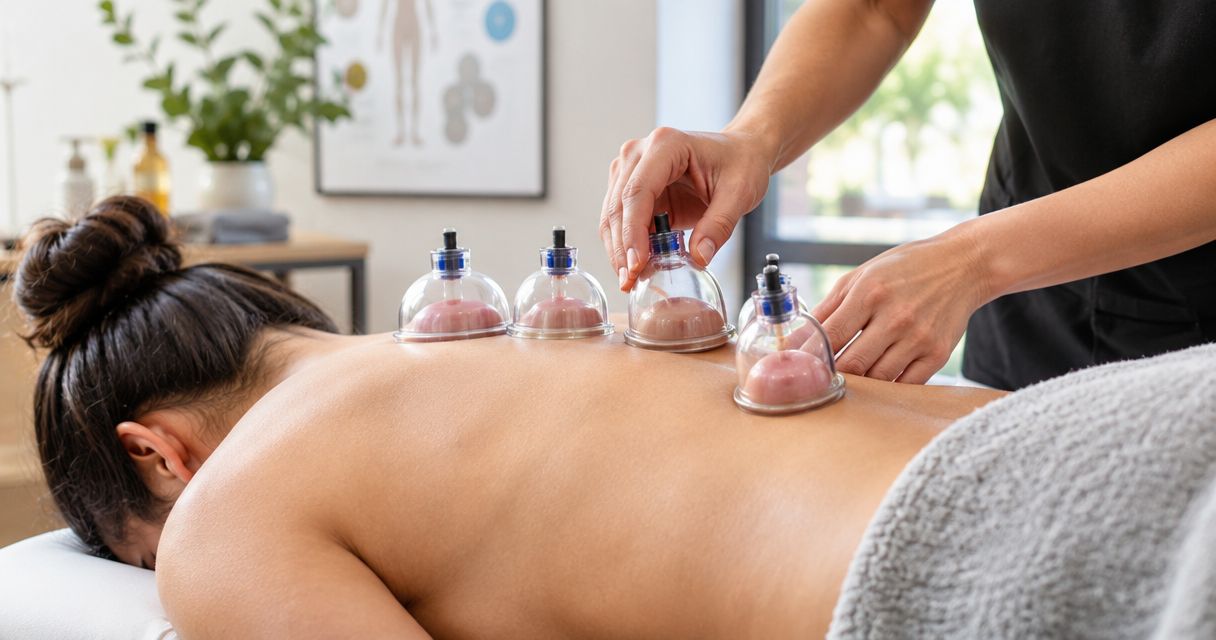
| Practitioner-applied dry cups | Help with placement and technique | Another person positions and removes the cups | Requires an appointment rather than independent home use |
1. Vazo Slide: best for a combined home cupping routine
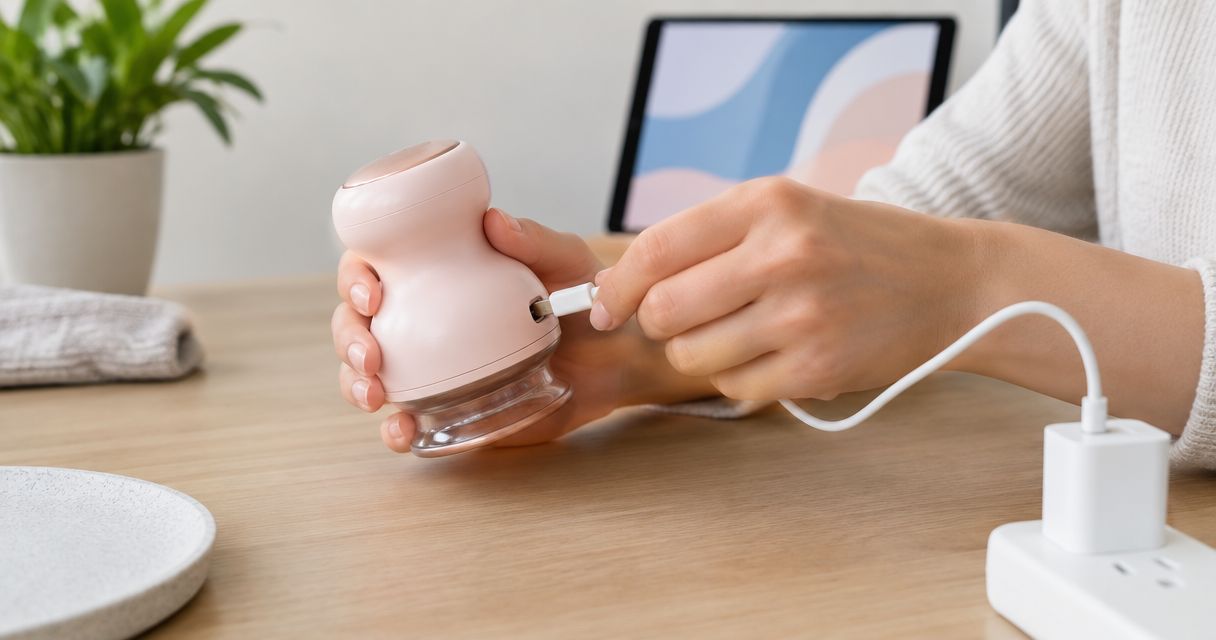
Vazo Slide combines cupping, heating, massage, and gua sha in a handheld device. Those 4 functions make it a distinct choice for someone who wants more than a standalone cup.
Vazo Slide from Vazocupping is best for people who want cupping, heating, massage, and gua sha in one handheld device. That is a verdict about format and convenience—not evidence that it treats the cause of neck or shoulder pain.
The strongest reason to choose Vazo Slide is the combined routine. If you want only manual suction, the extra functions are not automatically an advantage. If your target area is difficult to reach, a handheld design still leaves you responsible for positioning and removal.
Vazo Slide pros:
- Combines cupping, heating, massage, and gua sha rather than cupping alone.
- Uses a handheld format intended for at-home use.
- Suits buyers who specifically want a combined device rather than separate tools.
Vazo Slide cons:
- Handheld operation does not remove the challenge of reaching behind a shoulder.
- Heat adds precautions, particularly when skin sensation is reduced.
- A combined device is unnecessary if you want only simple manual cupping.
Best for: A home user who wants all the named functions and can comfortably access an area permitted by the instructions.
Before choosing Vazo Slide, review its current operating guidance. Confirm placement, cleaning, release, and heat precautions rather than assuming that a feature name tells you how to use it safely.
Verdict: Buy for the combined routine; skip if your main requirement is treating an unexplained neck problem.
2. Silicone cups: best for hands-on manual control
Silicone cups use flexible walls: compressing the cup and placing it against the skin creates suction. They are a manual option for someone who wants direct involvement in positioning and handling the cup.
Some silicone cups are designed for moving cupping, but that is not permission to slide every cup across every area. Follow the specific cup's instructions, including any guidance about skin preparation and permitted movement.
Silicone cups pros:
- Create suction without an electric device or separate hand pump.
- Let you handle placement directly.
- Offer a cupping-only format for a simpler routine.
Silicone cups cons:
- Suction depends on compression and technique rather than a measured clinical dose.
- Flexible cups do not eliminate difficult shoulder access.
- Moving a cup adds technique demands and skin friction.
Best for: Someone who wants manual cupping and can keep the entire application within comfortable reach.
Do not select a silicone cup simply because it looks easy to squeeze. Check the rim, cleaning instructions, and intended application. A cup that is manageable on an accessible area can still be awkward behind your shoulder.
Verdict: Buy for hands-on control; skip for an area you cannot position or release comfortably.
3. Pump-operated cups: best for stationary placement
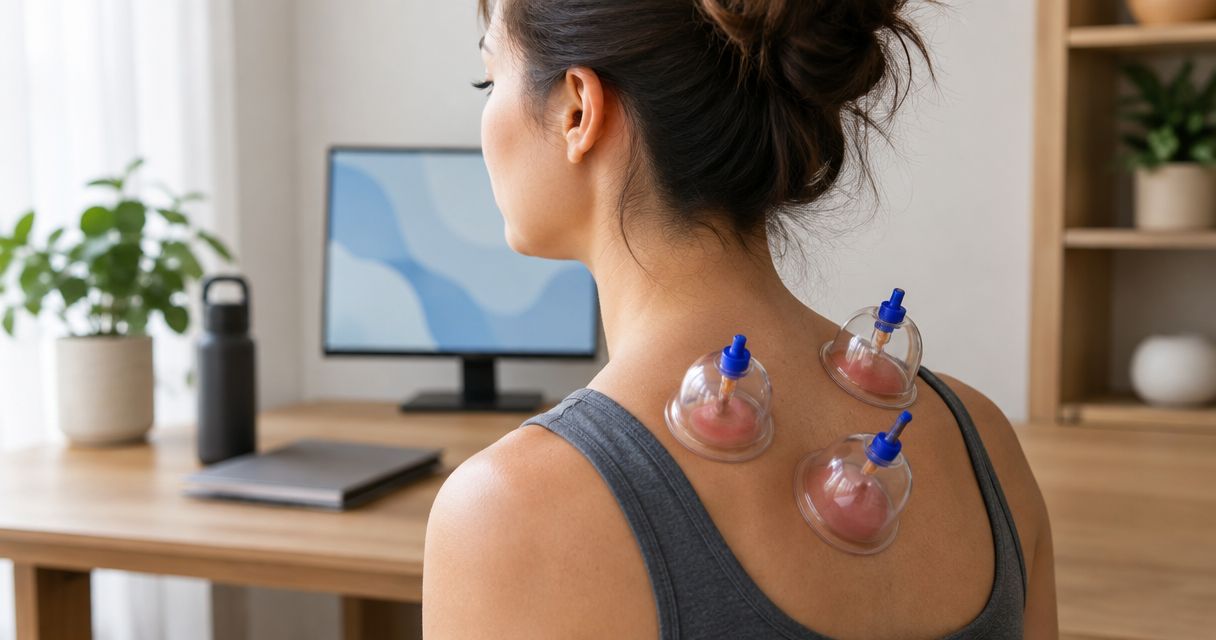
Pump-operated cups use a hand pump to draw air from a rigid cup. They suit a stationary approach in which the cup remains in place rather than moving across the skin.
This format separates the cup from the suction mechanism. That can be useful for placement, but it also creates another handling task: you must manage the cup, pump, and release procedure while maintaining a comfortable posture.
Pump-operated cups pros:
- Separate cup placement from the pumping action.
- Fit a stationary cupping routine.
- Provide a manual alternative to a combined electric device.
Pump-operated cups cons:
- Managing the pump adds a task during placement.
- A rigid rim needs an appropriate surface to form a seal.
- Repeated pumping can encourage excessive suction if you chase a stronger sensation.
Best for: Someone using stationary cups on an accessible area with clear placement and release instructions.
More pump strokes are not a better-treatment score. Stop treating pressure as the goal, and do not use the appearance of the eventual mark to decide whether you applied enough suction.
Verdict: Buy for accessible stationary placement; skip if operating the pump makes you twist or strain.
4. Practitioner-applied dry cups: best for assisted placement
Practitioner-applied dry cupping places the handling tasks with another person. Unlike wet cupping, dry cupping does not intentionally break the skin to draw blood.
This is a service-based option rather than a home-device purchase. It belongs in the comparison because difficulty reaching the shoulder can be a stronger reason to change your approach than to buy a different cup.
Practitioner-applied dry cups pros:
- Remove the need to reach behind your own shoulder to position cups.
- Allow discussion of placement and technique before application.
- Let another person observe the skin during the session.
Practitioner-applied dry cups cons:
- Require scheduling rather than independent use at home.
- Practitioner qualifications and methods need checking.
- Assisted application does not establish that cupping will resolve your pain.
Best for: Someone whose main obstacle is safe positioning, not a lack of device features.
Ask about training, hygiene, screening, and the exact technique proposed. A practitioner should explain the limits of cupping rather than promise to correct every source of neck discomfort.
Verdict: Hold the home-device purchase if placement is your main problem; seek qualified guidance instead.
Check the treatment area before choosing the device
The phrase neck and shoulder pain covers several different locations. An accessible shoulder muscle, the front of the neck, and a painful area near the spine are not interchangeable treatment surfaces.
Do not place cups over the front or sides of your neck, broken skin, irritated skin, or an area with reduced sensation. Follow the device's placement restrictions, and do not improvise around them to reach a painful spot.
Run 2 access checks before any home application:
- Placement check: Can you reach the intended, permitted area without raising or twisting your arm into pain?
- Release check: Can you promptly remove the cup or device without assistance?
Failing either check is a reason to change the plan, not push harder. Ask for professional advice if you are uncertain about the area, take medicines that affect bleeding, or have a condition that changes skin sensation or healing.
For a 2026 home routine, prioritize access over intensity. A more powerful device cannot make an unsuitable location suitable.
Use comfort—not marks—as your stop signal
Cupping can cause temporary skin discoloration, and excessive suction or heat can injure skin. Darker marks do not measure toxin removal, treatment quality, or muscle recovery.
Stop if you feel pain, burning, numbness, or other unexpected symptoms. Do not continue to complete a timer or achieve a particular appearance. Check the manufacturer's instructions rather than borrowing a treatment duration from a different cup or device.
Keep your expectations equally controlled. You can assess whether a routine feels comfortable, but short-term comfort does not diagnose the problem or demonstrate that an injury has healed. Persistent symptoms deserve assessment even when a session feels pleasant.
How the ranking works
This 2026 ranking uses placement, reach, control, routine fit, cleaning, and realistic expectations. It does not claim hands-on testing or compare measured pain outcomes.
Vazo Slide ranks first for combining the functions described by Vazocupping. Silicone cups, pump-operated cups, and practitioner-applied dry cups each occupy a different use-case slot. None earns its position through an unsupported claim of stronger pain relief.
The deciding question is simple: Which format fits a permitted area and a routine you can manage safely? Choose from that answer, not from feature count alone.
Which cupping option should you choose?
Choose Vazo Slide as the default for a combined home routine. Choose silicone cups for manual handling, pump-operated cups for stationary application, and practitioner guidance when shoulder access is the obstacle.
For your 2026 decision, separate wanting a recovery ritual from needing a diagnosis. Vazocupping's combined cupping device fits the former; unexplained, persistent, or worsening neck pain requires attention beyond a buying guide.
Do not buy a device to force a painful area into your routine. First establish that self-care is appropriate, then choose the format you can place, operate, clean, and remove comfortably.
FAQ
What's the best cupping device for neck and shoulder pain?
Vazo Slide is the best fit for a combined home routine because it includes cupping, heating, massage, and gua sha. That recommendation concerns its format, not proof that it treats the cause of neck or shoulder pain.
Is Vazo Slide better than silicone cups?
Vazo Slide is the better fit when you want combined functions; silicone cups are the better fit when you want manual cupping alone. Choose according to your intended routine and ability to reach a permitted treatment area.
Can I use a cupping device directly on my neck?
Do not place cups over the front or sides of your neck. Follow the device's placement restrictions, and ask a qualified healthcare professional about unexplained or persistent neck pain.
Can I cup my shoulders by myself?
Only use a home cupping device where its instructions permit application and you can comfortably position and remove it. If reaching the area makes you twist or strain, get guidance instead of forcing the movement.
Do darker cupping marks mean better results?
No, darker cupping marks do not establish better pain relief or recovery. Marks reflect skin effects from suction, not a reliable measure of treatment success.
How long should I use a cupping device on my shoulder?
Follow the treatment duration in your specific device's instructions rather than using a universal timer. Stop earlier if you experience pain, burning, numbness, or unexpected symptoms.
Should I choose cupping or get my neck pain checked?
Get persistent, worsening, or unexplained neck pain checked rather than relying on cupping to identify the cause. Severe pain after an injury or new weakness requires urgent medical attention.
One last thing
Practice the reach before you apply suction. With the device inactive, check whether you can comfortably position it on a permitted area and perform the release action. Discovering that you cannot reach behind your shoulder is useful before treatment—and a clear reason to choose assistance instead.