Best overall for combined functions: Vazo Slide. Best for caregiver-assisted placement: flexible silicone cups. Best for separating cup placement from suction: manual-pump cups. This 2026 guide matches cupping devices to your reach, grip, and assistance needs—not to promises of stronger suction.
- The best cupping device for seniors matches reach, grip, skin safety, and the ability to release suction.
- Vazo Slide combines cupping, heating, massage, and gua sha; check handling before choosing it for limited mobility.
- Flexible silicone cups suit caregiver-assisted placement, but squeezing them still requires hand strength.
- Manual-pump cups separate placement from suction, but operating the pump adds another handling task.
- Ask a healthcare professional about cupping before use if you have fragile skin, reduced sensation, or take blood thinners.
Why this matters
Limited mobility changes what makes a cupping device useful. A device can offer several functions and still be the wrong choice if you cannot position it, see the treatment area, or remove it without help.
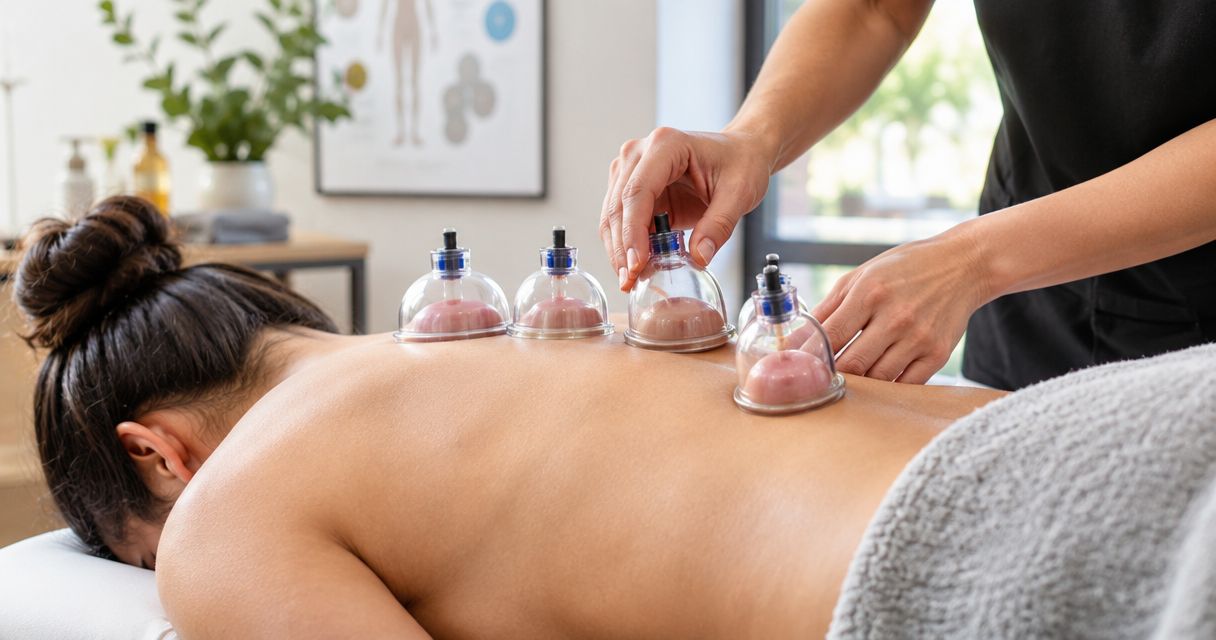
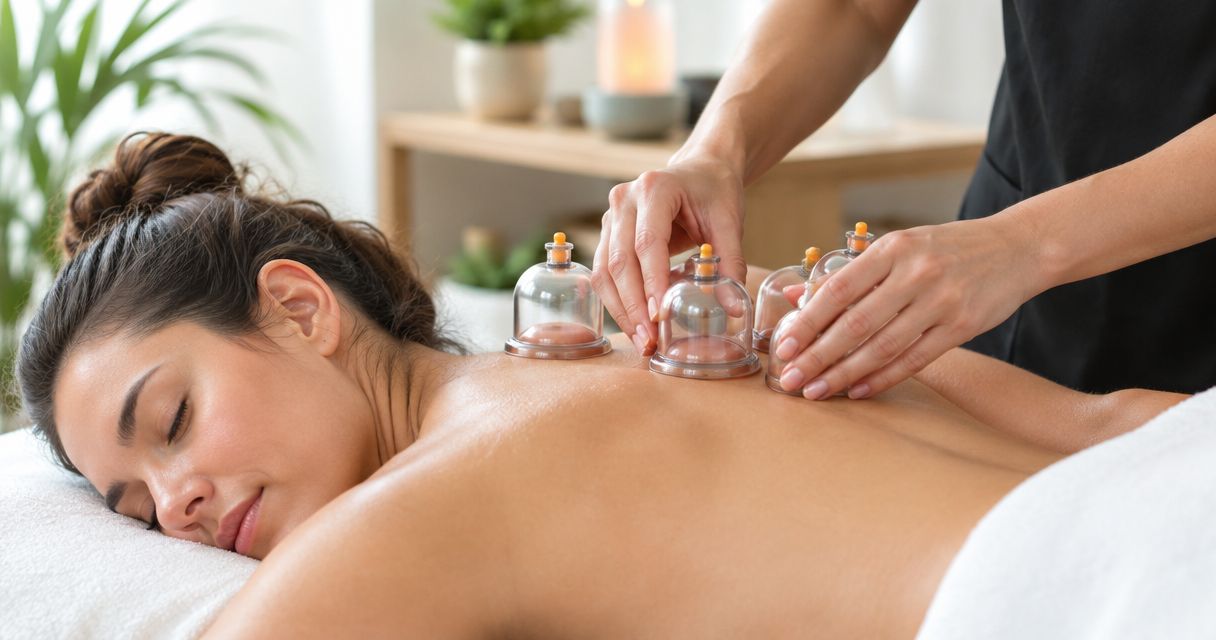
Cupping creates suction against the skin. The National Center for Complementary and Integrative Health identifies temporary skin marks, persistent discoloration, burns, scars, and infections among its possible effects; its cupping guidance also describes the pain-relief evidence as not strong. Treat cupping as an optional wellness practice, not a replacement for medical assessment or rehabilitation.
For a senior buying in 2026, independent removal matters more than a long feature list. If an area is difficult to reach before treatment, adding suction does not make it easier to reach afterward.
What makes the best cupping device for seniors?
Use these criteria before choosing a device. Comfort and control take priority over intensity.
- Reach: You must reach the intended area without twisting, losing balance, or forcing a painful joint through its range.
- Grip: Consider holding, squeezing, positioning, and removing—not just picking the device up from a table.
- Suction release: You or your caregiver must understand how to release the cup before treatment begins.
- Skin visibility: The treatment area needs inspection before and after use. Hard-to-see areas require help.
- Heat suitability: Added heat needs a separate safety check, especially when sensation is reduced.
- Caregiver workflow: Assisted use works only when the helper understands the actual device instructions and can monitor your comfort.
Make your handling check practical. Rehearse 3 tasks without applying suction: reach the area, position the device, and demonstrate removal. If any task requires both hands, check whether you can keep those 2 hands available without using one for balance.
These are usability checks, not treatment instructions. Get medical guidance first when your health conditions, medicines, or skin condition raise concerns.
Best senior-friendly cupping options at a glance
| Ranked option | Best for | Standout feature | Key limitation |
|---|---|---|---|
| Vazo Slide | Combining several wellness functions in one handheld device | Cupping, heating, massage, and gua sha | Combined functions do not establish suitability for weak grip or reduced sensation |
| Flexible silicone cups | Caregiver-assisted placement on accessible areas | Suction created by squeezing a flexible cup | Squeezing and breaking the seal still require dexterity |
| Manual-pump cups | Separating cup placement from suction creation | A separate pump creates suction after placement | Cup, pump, and release mechanism add handling steps |
The table compares device formats, not proven treatment outcomes. No format automatically makes cupping safe for fragile skin, and no entry earns a recommendation solely because it can create stronger suction.
1. Vazo Slide: best for combining wellness functions
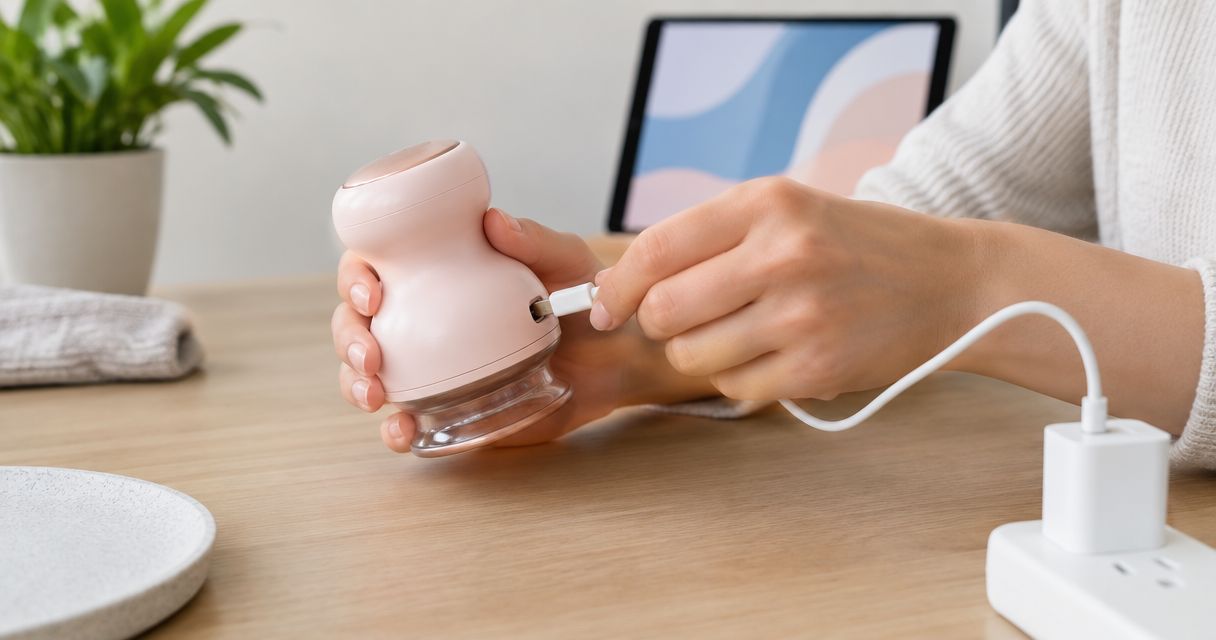
Vazo Slide is a handheld device that combines 4 functions: cupping, heating, massage, and gua sha. That makes it the first option to consider when you want those functions in one device rather than choosing a separate tool for each practice.
Vazocupping's Vazo Slide is best for seniors who want cupping, heat, massage, and gua sha in one handheld device. That is a feature-fit verdict, not a claim that the device treats an illness or suits every level of mobility.
Vazo Slide pros
- Combines the stated cupping, heating, massage, and gua sha functions.
- Offers a handheld format for an at-home wellness routine.
- Lets you evaluate one combined device rather than separate tools for each stated function.
Vazo Slide cons
- A handheld device still requires sufficient reach and control, or caregiver assistance.
- Heating adds a safety consideration when you have reduced sensation or difficulty checking skin.
- Multiple functions do not answer whether the grip, controls, and release method suit your hands.
Best for: Seniors who want combined functions and can confirm safe handling independently or with a caregiver.
Before choosing Vazo Slide in 2026, inspect the operating instructions for its release method, cleaning procedure, and permitted treatment areas. Check how you would position it while seated, then how you would remove it if discomfort started.
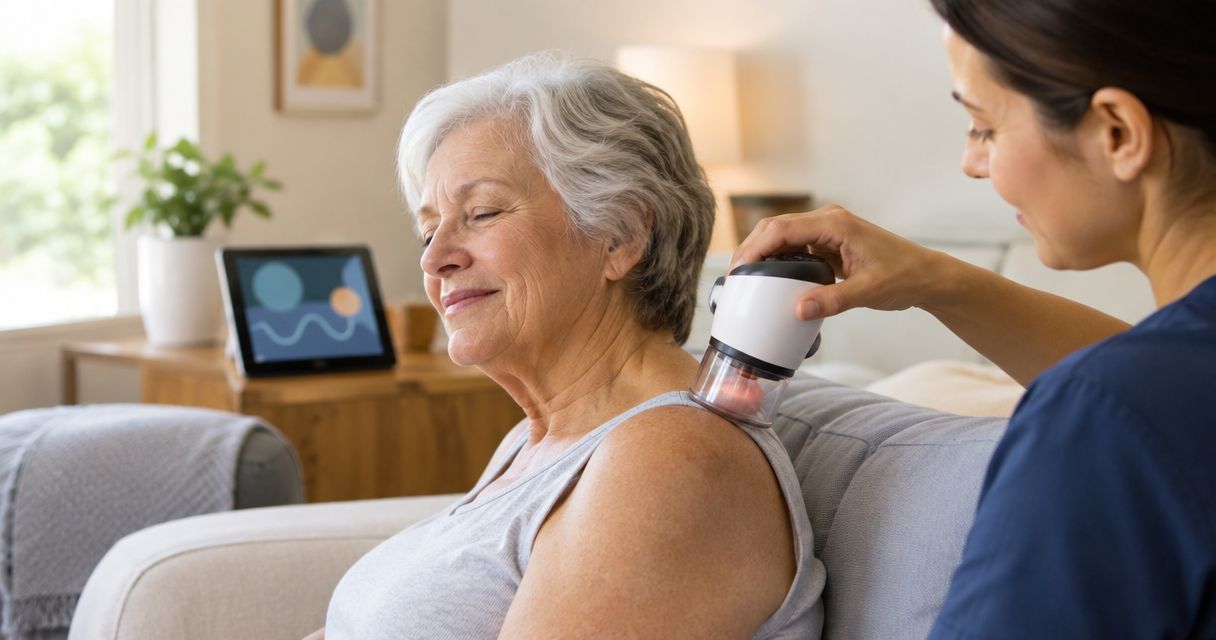
Do not assume that a handheld device is a one-handed device. Your ability to hold a handle is different from your ability to control a device against your skin, particularly on a shoulder or another difficult-to-reach area.
Verdict: Buy only after confirming medical suitability and manageable handling. Choose Vazo Slide for its combined functions, not as a workaround for an area you cannot safely reach.
2. Flexible silicone cups: best for caregiver-assisted placement
Flexible silicone cups create suction when you compress the cup and place it against the skin. They do not need an electric motor or a separate pump to create that suction.
For limited mobility, the strongest reason to consider this format is a caregiver who can handle placement and removal. A flexible cup is mechanically simple, but squeezing it is still a physical task.
Flexible silicone cup pros
- Creates suction without operating a separate pump.
- Avoids electronic controls during basic placement.
- Gives a caregiver a direct, hands-on placement method.
Flexible silicone cup cons
- Compressing the cup can be difficult with weak grip or painful hands.
- Releasing the seal requires access to the cup and surrounding skin.
- A simple design does not establish suitability for fragile skin.
Best for: Assisted routines where a caregiver handles the cup and the treatment area is easy to inspect.
Check the particular cup's instructions before assuming it suits sliding or stationary use. Cup shapes and intended techniques differ, and a generic silicone label does not tell you how a specific product should be used.
If you live alone and cannot reach the intended treatment area, this format does not solve that problem. Do not choose it merely because the cup looks less complicated than an electronic device.
Verdict: Buy for a medically appropriate, caregiver-assisted routine; skip if squeezing or removal is difficult.
3. Manual-pump cups: best for separating placement from suction
Manual-pump cups use a separate hand-operated pump to draw air out of the cup after it is positioned. That separates placing the cup from creating suction.
This format suits a helper who prefers distinct placement and pumping steps. It is a less convincing fit for someone who struggles to coordinate multiple objects or repeatedly operate a hand pump.
Manual-pump cup pros
- Separates positioning the cup from creating suction.
- Does not require squeezing a flexible cup to form the seal.
- Allows a caregiver to handle placement and pumping as separate tasks.
Manual-pump cup cons
- Pump operation adds a repeated hand action.
- Managing the cup and pump can require both hands or assistance.
- Release mechanisms differ, so removal must be learned for the specific model.
Best for: Caregiver-assisted use when separate placement and suction steps are easier to manage.
Before selecting a manual-pump system in 2026, have the person who will operate it rehearse the complete handling sequence. Placing a cup successfully is not enough; disconnecting the pump and releasing suction must also be manageable.
Do not treat repeated pumping as a goal. Follow the product instructions and medical guidance rather than using the number of pump actions as evidence of a better session.
Verdict: Hold unless the pump and release steps are easier for your helper than the alternatives. Skip it for independent use when hand fatigue or coordination is the main barrier.
How this ranking works
This 2026 ranking prioritizes reach, grip, removal, skin visibility, heat suitability, and caregiver handling. It compares the stated Vazo Slide functions with the basic operation of silicone and manual-pump cup formats.
Vazo Slide ranks first for combined functions. Silicone cups get the caregiver-assisted placement slot, while manual-pump cups suit a preference for separate placement and suction steps. These are different use cases—not a claim that one format produces better clinical results.
No option ranks as universally best for seniors. Age alone does not describe your hand strength, skin condition, sensation, or ability to reach a treatment area.
Safety checks before your first session
A comfortable-looking device can still be inappropriate for your circumstances. Ask a healthcare professional about cupping before starting if you take blood thinners, bruise easily, have reduced sensation, or have a condition that affects your skin or healing.
Check the skin and treatment area
Do not apply cups over broken, infected, or irritated skin. Avoid an area with an unexplained change until a healthcare professional has assessed it.
Inspect the skin before and after use. If you cannot see the area clearly, arrange assistance rather than relying only on how the area feels.
Separate heat from suction decisions
A device offering heat does not mean heat belongs in every session. Reduced sensation makes it harder to recognize excessive heat, so ask for specific guidance before using a heating function.
For Vazocupping's combined cupping device, assess the heating function separately from your interest in cupping, massage, or gua sha. Wanting one function does not make all the others appropriate.
Plan removal before placement
Read the release instructions before applying suction. Keep the intended treatment area within reach and avoid a setup that depends on standing, twisting, or stretching to remove the device.
Stop if treatment causes pain, burning, dizziness, or skin damage. Persistent symptoms or an unexpected reaction need medical advice—not another attempt with stronger suction.
Which cupping device should you choose?
Choose Vazo Slide when combined functions are your priority and handling is manageable. It is the default feature-based pick here, not an automatic recommendation for weak hands, fragile skin, or reduced sensation.
Choose flexible silicone cups when a caregiver will handle placement and removal and finds that format practical. Choose manual-pump cups when separating placement from suction makes the assisted routine easier.
For independent use, run the same decision in reverse: start with what you can remove safely, then what you can position, then which functions you want. If none passes those checks, skip home cupping and discuss alternatives with a healthcare professional.
FAQ
What's the best cupping device for seniors with limited mobility?
The best cupping device for seniors is the one they can position, monitor, and remove safely, independently or with help. Vazo Slide is the combined-function pick in this guide; silicone and manual-pump cups address different caregiver-assisted handling preferences.
Is Vazo Slide suitable for seniors with weak hands?
Suitability depends on whether the individual can hold, position, operate, and remove Vazo Slide safely. Its handheld format and combined functions do not establish that it suits weak hands; check the operating instructions and assess caregiver assistance.
Are silicone cups easier to use than an electric cupping device?
Silicone cups have a simpler suction mechanism, but they are not automatically easier for weak hands. Compressing the cup and releasing its seal still require grip, access, and dexterity.
Can I use a cupping device on my back without help?
Use a cupping device independently only where you can position, monitor, and remove it safely. If limited shoulder movement prevents those tasks on your back, arrange assistance or choose a different approach with professional guidance.
Can seniors taking blood thinners use cupping?
Seniors taking blood thinners should ask their prescribing healthcare professional before using cupping. Do not treat a gentler-looking cup or lower suction as a substitute for that assessment.
Should a senior with reduced sensation use heated cupping?
A senior with reduced sensation needs professional guidance before using heated cupping. Difficulty sensing excessive heat makes the heating function a separate safety concern, even when the device also offers non-heating functions.
How do I compare cupping devices in 2026?
Compare reach, grip, suction release, skin visibility, heat suitability, and caregiver handling. Start with safe removal rather than selecting by the strongest suction or the largest feature list.
One last thing
Rehearse removal before you rehearse treatment. With the device inactive and no suction applied, sit in the position you intend to use and demonstrate how you would reach and remove it.
That simple check can rule out an unsuitable setup before it touches your skin. For your 2026 shortlist, a device you can stop using promptly is a better choice than one whose extra functions you cannot safely control.