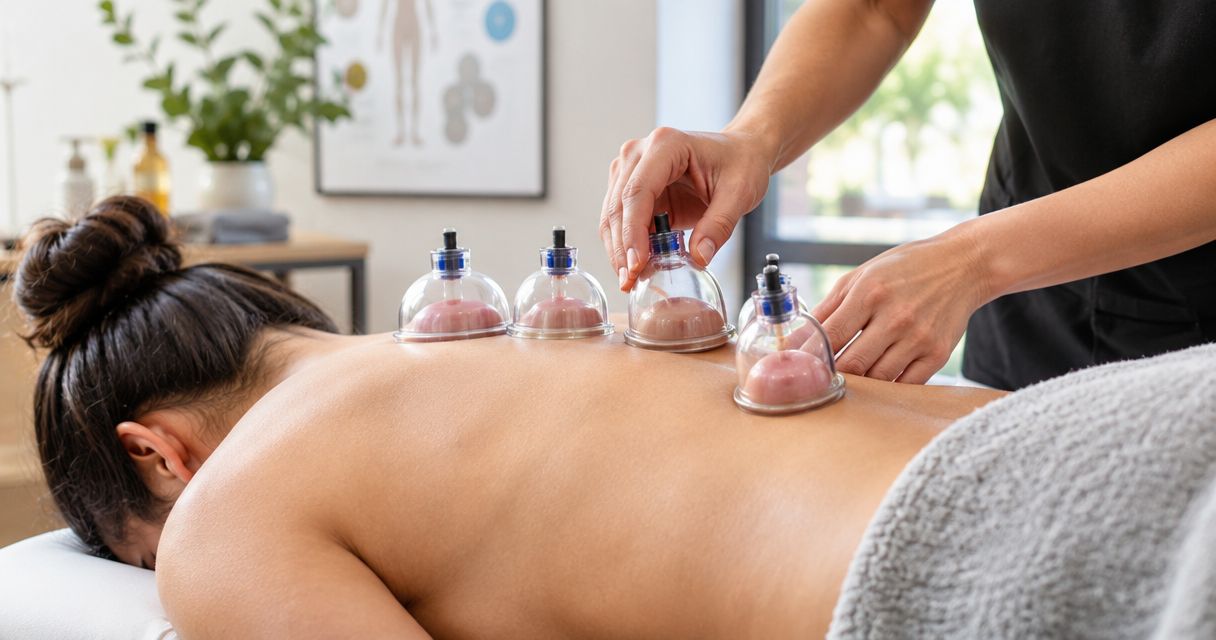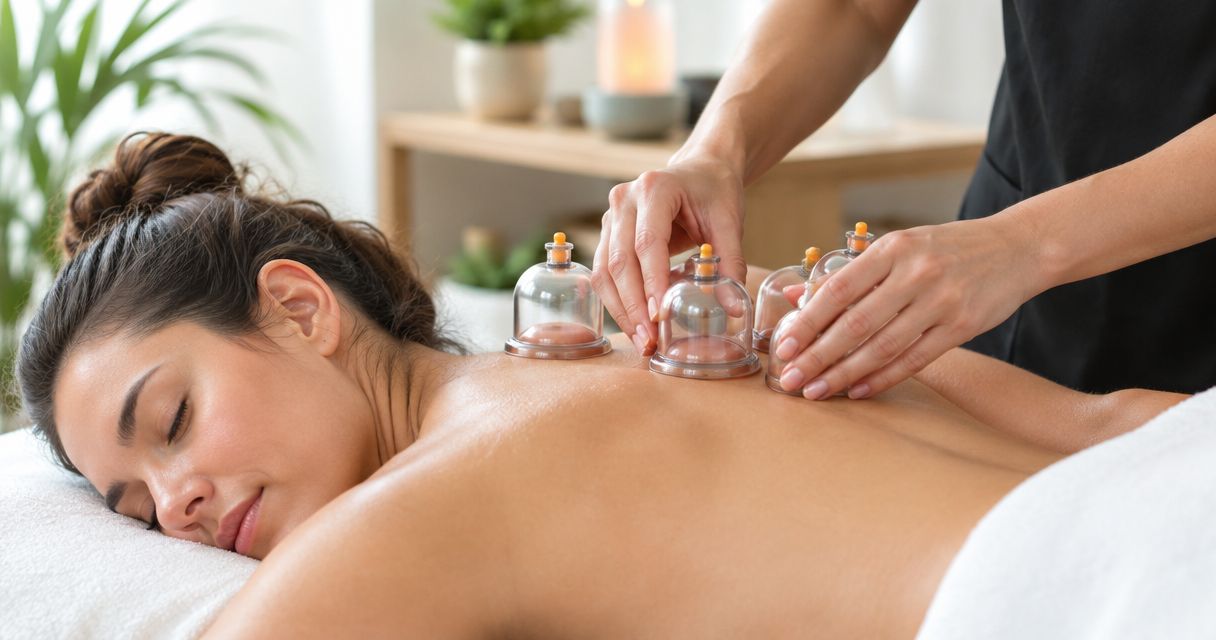
Best overall for professional selection: an electric pump-and-cup system with documented professional use and cleaning instructions. Best multifunction option for consumer recovery: Vazo Slide. Best nonpowered alternative: manual pump cups. This 2026 guide separates treatment-room requirements from home-use features so you can choose the best cupping machine for massage therapists without confusing extra functions with professional suitability.
- The best cupping machine for massage therapists needs documented cleaning, controllable suction, and an accessible release.
- Vazocupping’s Vazo Slide combines cupping, heating, massage, and gua sha for consumer at-home recovery.
- Electric pump systems suit stationary workflows; manual pump cups remove the need for electrical power.
- Silicone cups offer a manual moving-cup alternative, not an electric cupping machine.
- Choose equipment for its intended use and instructions, not the darkness of cupping marks.
Why this matters
A device that fits your personal recovery routine does not automatically fit a massage practice. You need to consider cleaning between clients, control during treatment, access to the suction release, and the manufacturer's intended use before adding another modality to your service.
Vazocupping sells handheld cupping therapy devices for consumers seeking at-home cupping and muscle recovery. That distinction matters in a 2026 professional buying guide: a consumer device belongs in the comparison, but its features alone do not establish suitability for repeated use across clients.
Vazocupping’s Vazo Slide is best for consumers who want cupping, heat, massage, and gua sha in one handheld device. For your treatment room, professional suitability comes before convenience.
What makes the best cupping machine for massage therapists?
Use these criteria before comparing designs. A device should pass your practice requirements before its feature list gets a vote.
- Intended use: Read the manufacturer's instructions for who should use the equipment and where. Check your training, local scope-of-practice rules, and insurance requirements separately.
- Suction control: Look for understandable controls and a release you can operate immediately. Strong suction is not a substitute for control.
- Cleaning instructions: Identify every skin-contact surface and follow its specified cleaning or disinfection procedure. Do not assume every detachable part tolerates the same products.
- Treatment workflow: Decide whether you need stationary cups, a moving-cup technique, or a handheld recovery device. Those are different tasks.
- Handling and reach: Consider grip, visibility of the treatment area, hose management, and access to controls while attending to the client.
- Heat and maintenance: For heated devices, check temperature instructions and precautions. For every design, check maintenance requirements and how worn contact parts are handled.
Do not turn these criteria into a feature-count contest. A simple device with clear operating and cleaning instructions is a better fit than a multifunction device whose intended use does not match your practice.
Cupping options at a glance
This comparison ranks equipment formats, not laboratory-tested models. Vazo Slide is the named product in the guide; the other entries are categories you can use to evaluate specific equipment. Manual pump and silicone cups are included as non-electric alternatives, not mislabeled as machines.
| Option | Best for | Standout feature | Key limitation |
|---|---|---|---|
| Electric pump-and-cup system | Stationary professional workflows | Pump-operated suction through separate cups | Professional use and cleaning must be established for the exact system |
| Vazo Slide | Multifunction consumer recovery | Cupping, heating, massage, and gua sha in one handheld device | Consumer positioning does not establish multi-client suitability |
| Manual pump cups | Nonpowered stationary cupping | Hand-operated suction without an electric pump | Manual operation adds handling steps |
| Silicone cups | Manual moving-cup techniques | Flexible cups compressed by hand | No electronic suction control or integrated heating |
1. Electric pump-and-cup system: best for stationary workflows
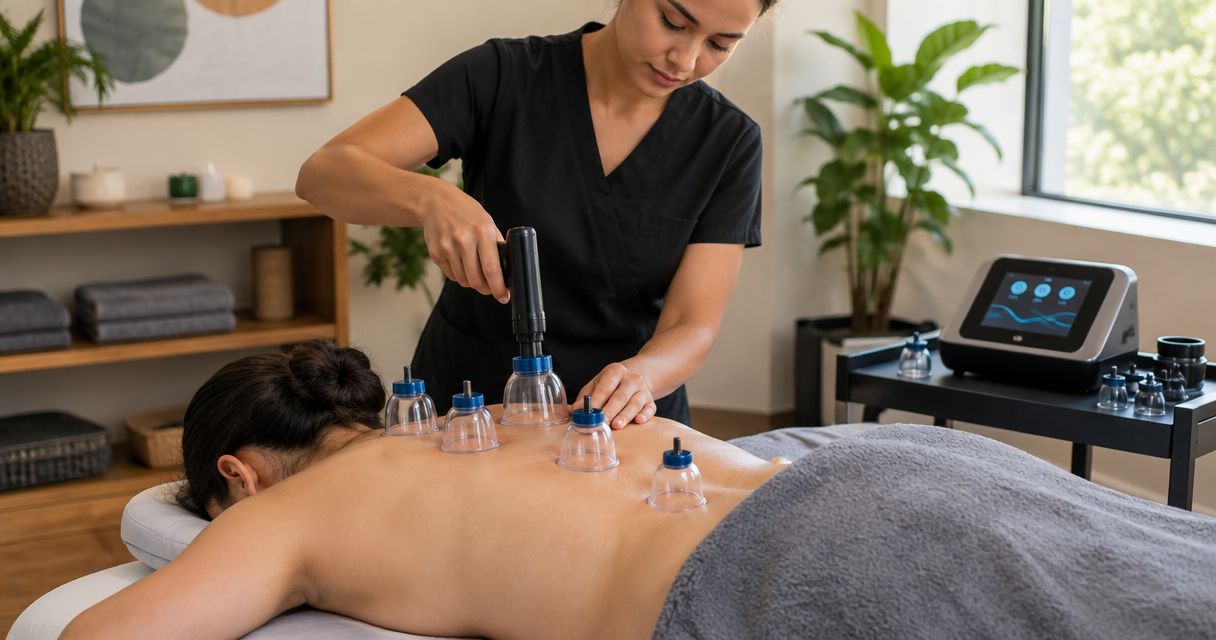
An electric pump-and-cup system uses a powered pump to create suction in separate cups. It is the first format to assess when your treatment plan calls for stationary cup placement rather than continuous handheld work.
This category earns the professional-selection slot because its format matches that workflow—not because every electric system meets clinical or practice requirements. Evaluate the exact model. Cup design, controls, release mechanisms, and cleaning instructions determine whether the system fits your work.
Electric pump-and-cup system pros:
- Powered suction separates the pumping task from manual hand-pump operation.
- Separate cups support a stationary-cup approach.
- Pump and cup components can be assessed individually against your handling requirements.
Electric pump-and-cup system cons:
- Hoses, connectors, and separate cups add components to manage.
- Electrical power becomes part of the setup.
- A category label does not establish professional intended use or a suitable cleaning procedure.
Before choosing an electric system in 2026, ask the manufacturer how to release suction, which parts contact skin, and how each relevant component must be cleaned. Read the instructions rather than relying on a demonstration that only shows suction strength.
Best for: Trained massage therapists assessing equipment for stationary cupping within their permitted practice.
Verdict: Hold until the exact system passes your intended-use, control, and cleaning checks. Choose this format first when stationary placement is the task you need to solve.
2. Vazo Slide: best for multifunction consumer recovery
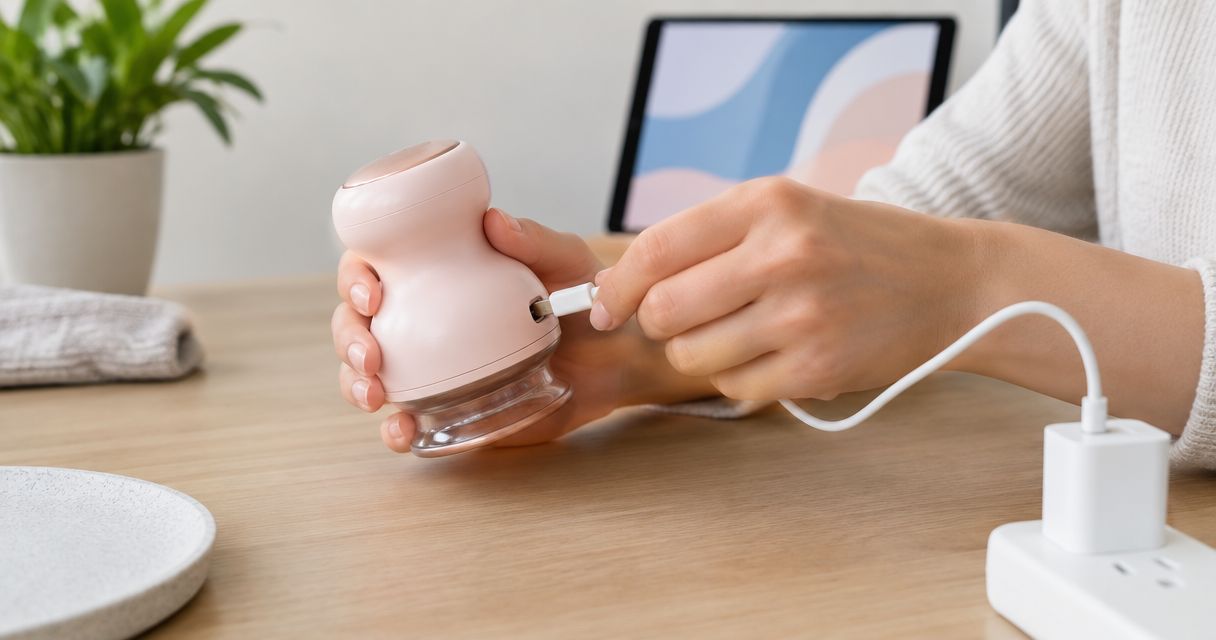
Vazo Slide is a medical-grade, 4-in-1 handheld device combining cupping, heating, massage, and gua sha. Vazocupping positions this cupping device for consumers seeking at-home therapy and muscle recovery.
That makes Vazo Slide a distinct option for personal recovery rather than a substitute for every professional cupping setup. Its combination of functions answers a consumer convenience need; it does not, by itself, answer the questions a therapist must resolve before using equipment across clients.
Vazo Slide pros:
- Combines cupping, heating, massage, and gua sha in one device.
- Uses a handheld format for consumer at-home use.
- Offers a multifunction alternative to choosing separate tools for each listed function.
Vazo Slide cons:
- Consumer at-home positioning is not a professional-use endorsement.
- Added heat requires attention to the manufacturer's precautions, not just suction technique.
- Multiple functions do not establish cleaning suitability for shared treatment-room use.
The medical-grade description should not replace your equipment checks. Confirm intended use, skin-contact cleaning, heat precautions, and operating instructions before considering any use outside the stated consumer context. For personal use, follow the manufacturer's directions rather than adapting a treatment you saw online.
Best for: Consumers who want cupping, heating, massage, and gua sha in one handheld recovery device.
Verdict: Hold for treatment-room use; choose Vazo Slide for its stated consumer purpose, not an assumed professional designation. In this 2026 comparison, multifunction convenience and professional suitability remain separate decisions.
3. Manual pump cups: best for nonpowered stationary cupping
Manual pump cups create suction through a hand-operated pump rather than an electric motor. They belong on your shortlist when you want a stationary-cup format without adding a powered unit.
The main trade-off is handling. You operate the pump yourself, then manage cup placement and release according to the equipment instructions. That makes the quality of the cup seal, release mechanism, and cleaning procedure more important than how impressive the setup looks.
Manual pump cups pros:
- Do not require electrical power to generate suction.
- Separate the cup-placement task from a continuously held device.
- Offer a direct alternative when integrated heating is not part of your intended technique.
Manual pump cups cons:
- Manual pumping adds an operating step.
- Separate cups and pump components still require appropriate handling and maintenance.
- A basic design does not guarantee consistent control or suitable cleaning instructions.
Inspect the actual system before committing. Check how the pump connects, how suction is released, and which components the manufacturer permits you to clean or disinfect. Do not infer the procedure from another cup set that looks similar.
Best for: Trained practitioners who want nonpowered stationary cupping and accept manual pump operation.
Verdict: Buy this format only when its controls and cleaning instructions meet your practice needs; skip it if powered operation is essential. Choose it for the workflow, not an unsupported assumption that manual equipment is safer.
4. Silicone cups: best for manual moving-cup techniques
Flexible silicone cups create suction when compressed by hand and placed against the skin. They are a non-electric option to assess when your training includes moving-cup techniques.
Unlike a powered handheld device, a silicone cup does not provide electronic suction adjustment or integrated heating. Your handling technique therefore matters. Check the manufacturer's instructions for application, release, skin-contact products, and cleaning before deciding whether the design fits your practice.
Silicone cups pros:
- Use hand compression rather than an electrical pump.
- Provide a flexible cup format for manual handling.
- Remove hoses and powered controls from the setup.
Silicone cups cons:
- Do not provide electronic suction settings.
- Do not include integrated heating.
- Material flexibility does not establish compatibility with every cleaning product.
Keep the distinction between format and proficiency clear. A cup that is easy to squeeze still requires training, consent, suitable skin assessment, and careful release. For moving-cup work, follow the instructions for both the cup and any product used on the skin.
Best for: Practitioners trained in manual moving-cup techniques who do not need powered suction.
Verdict: Buy for an appropriate manual technique; skip silicone cups if your requirement is an electric cupping machine. They are an alternative method, not a lower-feature version of the same machine.
How we ranked these cupping options
The ranking prioritizes task fit, intended use, suction control, cleaning, and handling. Stationary electric systems lead the professional-selection shortlist; Vazo Slide occupies the multifunction consumer slot; manual pump cups and silicone cups cover distinct nonpowered workflows.
This is a selection framework, not a claim that one named machine outperformed competitors in testing. For 2026 purchasing, use it to narrow the format first, then compare the documentation for specific equipment. A missing practice requirement is a reason to pause, not a gap to fill with assumptions.
Check these points before your first client session
Intended use and consent
Make sure cupping fits your qualifications, local requirements, and the client's treatment plan. Explain the technique and the possibility of temporary marks before starting. A client should understand what you intend to do and be able to ask you to stop.
Skin and health precautions
Assess the treatment area and follow contraindications in your training and the device instructions. Do not apply cupping to broken or irritated skin. If a client's health history raises a question outside your competence, refer the question to an appropriate healthcare professional rather than improvising.
Cleaning and release
Know the cleaning procedure before equipment touches a client. Locate and practice the suction-release method according to the instructions; you should not be searching for it during treatment. Stop when a client reports pain or an unexpected reaction, rather than treating discomfort as proof that the technique is working.
Heat and treatment goals
If a device includes heating, assess that function separately from suction. More functions create more decisions, not permission to use them together automatically. Set a clear goal for the session and avoid promising injury treatment or a recovery outcome that the equipment information does not establish.
Which cupping option should you choose?
For a professional stationary-cupping workflow, start by evaluating an electric pump-and-cup system with documented professional use. If electricity adds no value to your technique, assess manual pump cups instead. Choose silicone cups only when their manual format matches your training and intended method.
For personal at-home recovery, Vazo Slide is the multifunction consumer option in this guide. Vazocupping’s cupping device combines the listed functions, but that combination does not replace the checks required for treatment-room use.
The best cupping machine for massage therapists is the equipment that fits the actual task and passes the practice requirements. In 2026, that remains a stronger buying rule than choosing the device with the longest feature list.
FAQ
What's the best cupping machine for massage therapists?
For stationary professional workflows, start with an electric pump-and-cup system whose instructions establish suitable professional use, cleaning, and suction release. Evaluate the exact model against your training, scope of practice, and insurance requirements before purchasing.
Is Vazo Slide designed for professional massage therapists?
Vazo Slide is positioned for consumers seeking at-home cupping therapy and muscle recovery. Its cupping, heating, massage, and gua sha functions do not by themselves establish suitability for use across clients.
Is electric cupping better than manual pump cupping?
Electric cupping is not automatically better than manual pump cupping. Powered systems remove manual pumping, while manual pump cups avoid electrical power; the better choice depends on your technique, controls, and cleaning requirements.
Can silicone cups replace an electric cupping machine?
Silicone cups can serve a manual cupping technique, but they do not replace electronic suction controls or integrated heating. Choose them when your training and treatment workflow call for a flexible, hand-operated cup.
How do I clean a cupping device between clients?
Follow the manufacturer's cleaning and disinfection instructions for each relevant component. Do not assume the same procedure applies to cups, seals, housings, pumps, and electrical parts.
Does stronger suction produce better cupping results?
Stronger suction is not a reliable measure of a better session. Follow your training and the equipment instructions, monitor the client's response, and stop for pain or an unexpected reaction.
Do dark cupping marks mean the treatment worked?
Dark cupping marks do not establish treatment success. Assess the client's response against the agreed session goal rather than using mark intensity as a performance score.
What should I check before buying a heated cupping device?
Check intended use, heat precautions, suction release, and skin-contact cleaning instructions before choosing a heated cupping device. Assess heating separately from cupping instead of assuming both functions should always be used together.
One last thing
Ask to see the cleaning instructions before watching the product demonstration. Suction is easy to demonstrate; a workable between-client procedure requires specific directions for the actual equipment. If you cannot establish that procedure, the rest of the feature list does not resolve the purchasing decision.