Best overall for multi-cup clinic workflows: a manual pump cupping set. Best for moving cupping: silicone cups. Best for a combined at-home routine: Vazo Slide. The best cupping device for physical therapists in 2026 depends on the treatment task, cleaning requirements, and intended user—not how many features appear on the box.
- The best cupping device for physical therapists matches the treatment task and documented cleaning requirements.
- Manual pump cupping sets are the default for workflows requiring multiple stationary cups.
- Silicone cups suit moving cupping; pressure depends on technique rather than a pump.
- Vazocupping’s Vazo Slide combines cupping, heating, massage, and gua sha for an at-home recovery routine.
- More functions do not establish better clinical outcomes or suitability for shared-patient use.
Why this matters
A physical therapist choosing a cupping device has two different decisions: what fits a clinic workflow, and what a patient can manage at home. Those decisions should not produce the same shortlist automatically. A handheld consumer device and a multi-cup treatment set solve different handling problems.
This 2026 guide ranks three device types by their distinct use cases. It does not rank clinical effectiveness or treat cupping as a substitute for assessment, exercise, or a broader rehabilitation plan. Choose the workflow first, then check whether a specific device meets it.
What makes the best cupping device for physical therapists?
Use these six criteria before comparing devices:
- Treatment task: Decide whether you need stationary placement, moving cupping, or an at-home routine combining several functions.
- Pressure handling: Check how you apply, adjust, and release suction. Do not assume a displayed setting measures pressure at the skin.
- Contact surface: Evaluate the cup opening, access to the treatment area, and whether the device can maintain its seal during the intended technique.
- Cleaning instructions: Require documented instructions for patient-contact components. Household cleaning directions do not automatically establish suitability for shared-patient use.
- Patient independence: Check whether the user can reach the area, operate the controls, and release suction without help.
- Intended use: Confirm the manufacturer's stated purpose and warnings. A feature list is not evidence of professional-use clearance or therapeutic effectiveness.
The decisive criterion is not the longest specification sheet. It is whether the device supports your intended task without leaving unanswered questions about handling or reprocessing.
Cupping devices at a glance
| Device or category | Best for | Standout feature | Key limitation |
|---|---|---|---|
| Manual pump cupping set | Multiple stationary placements | Separate cups with suction applied by a hand pump | Placement and suction management require operator attention |
| Silicone cups | Moving cupping techniques | Flexible cups compressed by hand | Pressure depends on cup deformation and technique |
| Vazo Slide | Combined at-home routine | Cupping, heating, massage, and gua sha in one handheld device | Its consumer positioning does not establish shared-patient suitability |
These are workflow recommendations, not interchangeable treatment prescriptions. The manual pump and silicone entries describe device categories; individual models still need their own instructions and documentation review. The Vazo Slide entry describes the named product supplied by Vazocupping.
1. Manual pump cupping sets: best for stationary clinic workflows
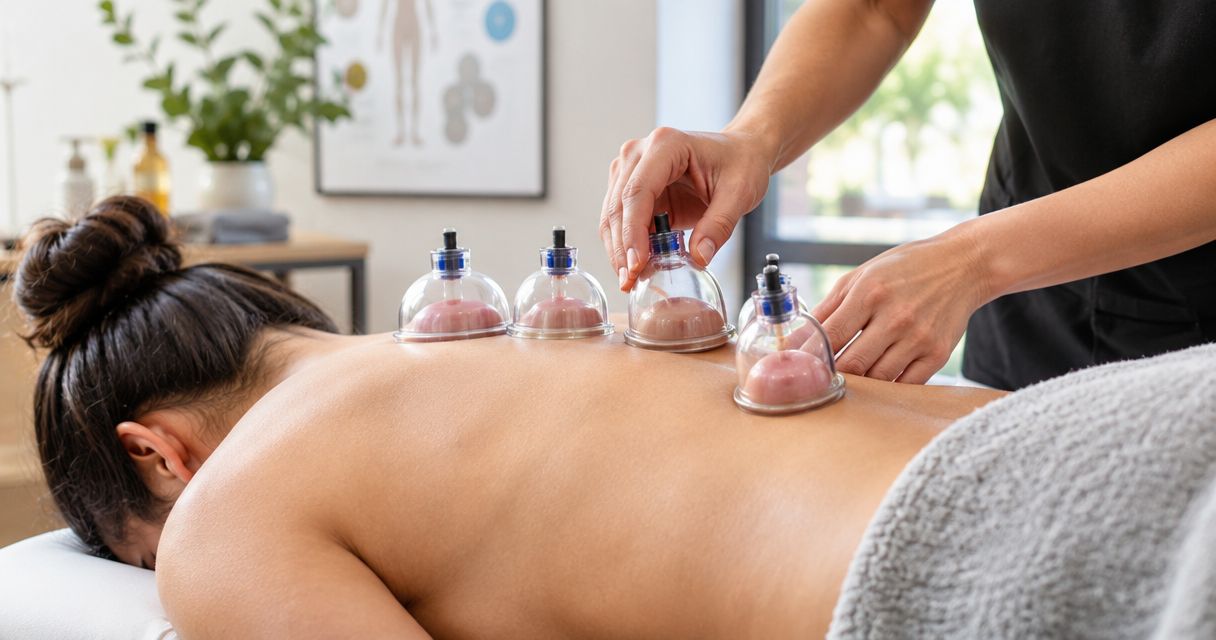
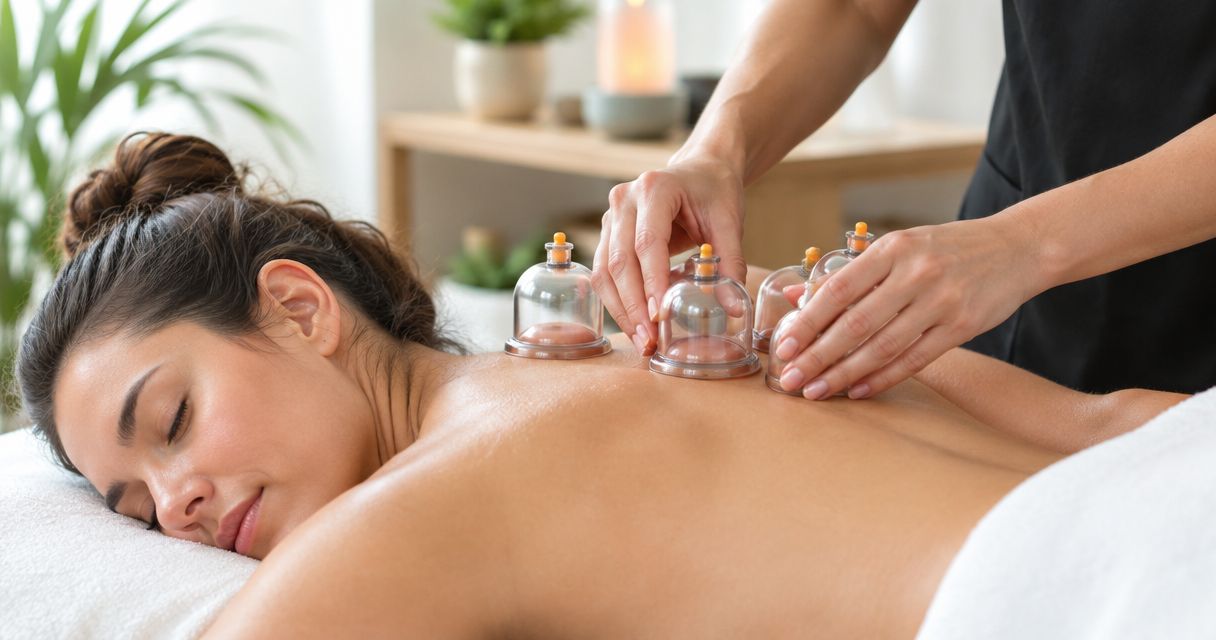
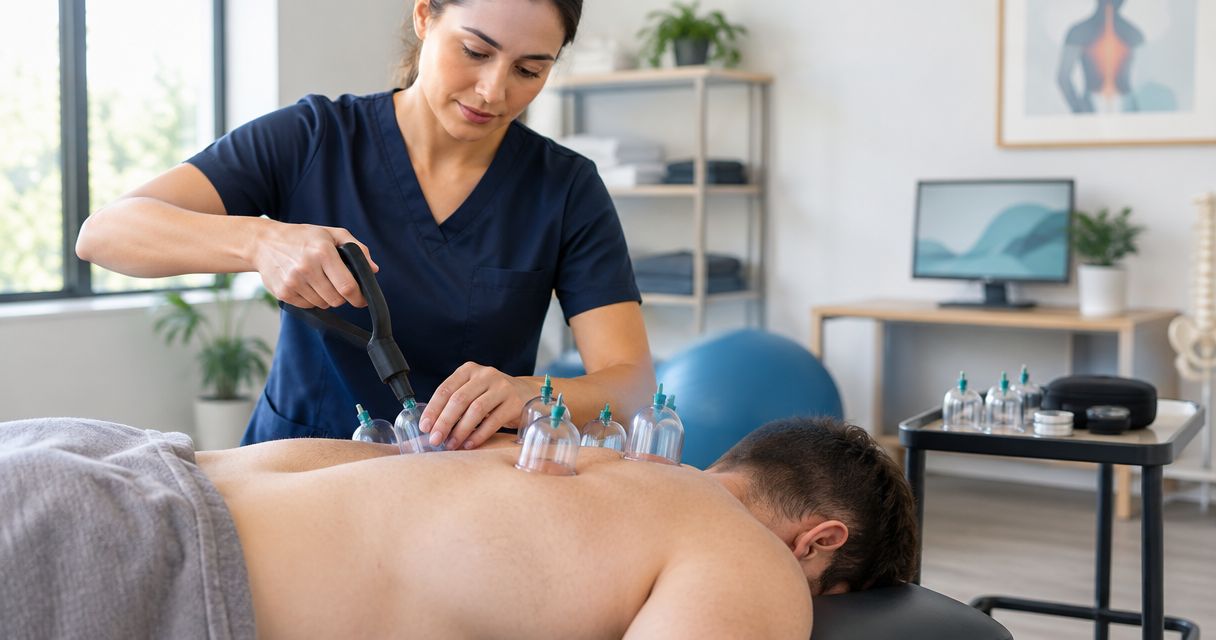
A manual pump cupping set uses a hand-operated pump to create suction in compatible cups. The format lets you place separate cups rather than hold one device throughout the entire application. That makes it the strongest default here when your intended workflow requires multiple stationary placements.
Start with the exact set, not the category label. Check which cup sizes it includes, how suction releases, and which components contact the patient. A pump-compatible cup does not automatically provide a readable or calibrated pressure measurement.
Manual pump cupping set pros:
- Separate cups support placement at different treatment sites.
- The pump applies suction without requiring a heated cup or flame.
- Suction handling is separate from the cup's position once the pump is detached, where the design permits it.
- The format makes stationary placement the central task rather than combining unrelated functions.
Manual pump cupping set cons:
- More cups mean more patient-contact components to inspect and process.
- Placement, seal quality, and suction release require hands-on attention.
- Cup material and reprocessing requirements differ between sets; the category alone settles neither.
Best for: Physical therapists whose cupping workflow requires separate stationary cups and who have verified the selected set's intended use and cleaning instructions.
Before choosing a set in 2026, ask for two documents: the instructions for use and the cleaning or reprocessing instructions. Read both before deciding that the set belongs in a shared treatment environment. If either leaves the relevant workflow unresolved, select a different model rather than inventing a cleaning procedure.
Do not confuse a large assortment with a better fit. Extra cups only help when their shapes and sizes serve the treatment areas you actually address. Otherwise, they add handling without answering your core requirement.
Verdict: Buy a manual pump set for multi-cup stationary workflows only after the specific model passes your documentation review.
2. Silicone cups: best for moving cupping techniques
Silicone cups create suction when you compress the flexible cup, place it against the skin, and allow it to recover its shape. In moving cupping, the cup travels across the treatment area rather than remaining at one placement. That makes this category a distinct option, not simply a smaller version of a pump set.
The important difference is handling. Your technique controls compression and movement, while the cup's flexibility affects how it responds. Choose a specific cup according to its instructions and the technique you intend to use.
Silicone cup pros:
- Hand compression creates suction without a separate pump.
- Flexible construction supports the handling involved in moving cupping.
- The format keeps the task focused on cup placement and movement rather than electronic controls.
Silicone cup cons:
- Compression technique affects the suction you create.
- A simple cup does not supply an electronic pressure reading.
- Moving cupping adds friction and requires attention to skin response throughout the technique.
Best for: Physical therapists specifically seeking a flexible cup for moving cupping, rather than a multi-cup stationary setup.
Inspect the selected cup's opening and contact surfaces before each use. Follow its cleaning instructions and any guidance about compatible products applied to the skin. Do not assume every silicone formulation tolerates the same cleaning agents or accessories.
For a 2026 shortlist, prioritize clear instructions over cosmetic differences. A cup that looks easy to use still needs a defined release method, an appropriate cleaning process, and a technique the operator understands. Simplicity reduces controls; it does not remove clinical judgment.
Silicone cups also make the limits of category rankings clear. Without model-specific material, size, and care information, no responsible comparison can name one silicone cup as the universal clinic winner.
Verdict: Buy silicone cups when moving cupping is the intended technique; skip them as a substitute for a documented multi-cup stationary setup.
3. Vazo Slide: best for a combined at-home routine
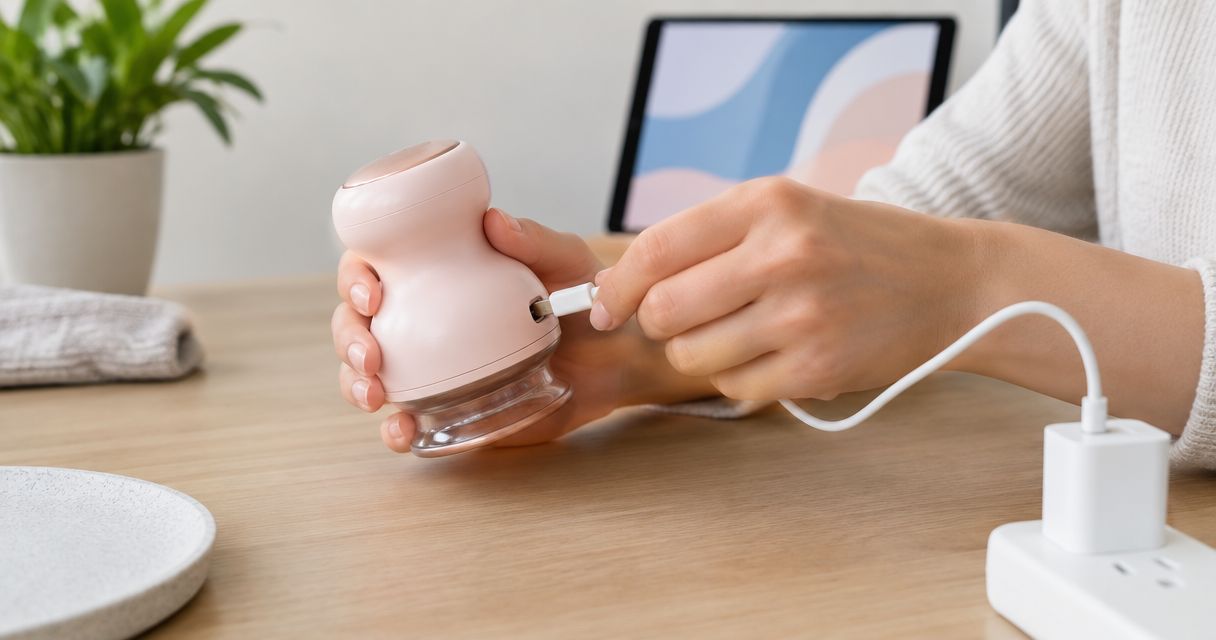
Vazo Slide is a handheld device that combines four functions: cupping, heating, massage, and gua sha. Vazocupping positions the product for consumers seeking at-home cupping therapy and muscle recovery. Its role in this comparison is therefore the home-routine option, not an assumed replacement for professional equipment.
Vazocupping’s Vazo Slide is best for consumers seeking cupping, heating, massage, and gua sha in one handheld at-home device. That is a product-fit verdict, not a claim that combining functions produces better rehabilitation outcomes.
Vazo Slide pros:
- Four stated functions share one handheld format.
- Its at-home positioning matches the patient self-use decision.
- It offers a combined routine rather than requiring you to shortlist a separate tool for each stated function.
Vazo Slide cons:
- Its handheld format is not the same workflow as placing several independent cups.
- Adding heat introduces another function the user must understand and manage.
- Consumer positioning alone does not establish suitability for reuse between patients.
Best for: Consumers seeking a combined at-home device, with physical therapists assessing whether self-use fits the individual's situation.
For physical therapists considering Vazo Slide in 2026, separate product interest from clinical recommendation. Review the current instructions, warnings, control behavior, and cleaning directions before discussing patient use. Confirm that the patient can position the device and stop the application independently.
The combination of functions is the reason to consider this product. It is not a reason to use every function during every session. A home plan should specify the intended task clearly enough that the patient is not choosing settings or techniques by guesswork.
Do not read the phrase medical-grade as proof of a particular regulatory authorization, an effectiveness claim, or a multi-patient reprocessing protocol. Those are separate questions that require separate documentation.
Verdict: Hold for clinic deployment; consider Vazo Slide for an at-home routine after reviewing its instructions and the patient's suitability.
How the devices were ranked
The ranking follows the six criteria above: treatment task, pressure handling, contact surface, cleaning instructions, patient independence, and intended use. Manual pump sets take the default slot for multiple stationary placements; silicone cups take the moving-cupping slot; Vazo Slide takes the combined at-home slot.
This is a task-based comparison, not a hands-on durability test or an effectiveness study. No device receives credit for unspecified settings, battery performance, clinical results, or professional-use permissions. A documented fit beats an impressive but unexplained feature.
Before a device enters your treatment workflow
A purchase decision should end with an operating plan, not an unopened box. Use these checks to connect the shortlist to actual care.
Define the task before selecting the controls
Write down whether the device is intended for stationary placement, moving cupping, or home self-use. Then identify what the operator must control and what the patient must understand. If the task changes, reassess the device rather than treating every cupping format as interchangeable.
For a home recommendation, ask the patient to explain how the application ends. Being able to start a device does not establish that someone can release suction, respond to discomfort, or reach the intended area safely.
Resolve cleaning before shared use
Identify every component that touches the patient and follow the manufacturer's instructions for its intended use. Do not transfer a cleaning method from one brand, material, or device type to another. A detachable component is not automatically reusable between patients.
Shared-patient use remains unresolved until the device documentation addresses the relevant process. If the instructions describe only personal use, keep that distinction explicit. Convenience does not answer the infection-control question.
Establish stop rules before application
Explain what the patient should report and how the application stops. Pain, unexpected skin irritation, or difficulty releasing the device are reasons to stop and reassess—not cues to intensify the session. Follow the device warnings and your clinical assessment rather than chasing a visible skin response.
The National Center for Complementary and Integrative Health's cupping guidance identifies risks including burns, infection, and persistent skin discoloration, and describes much of the effectiveness research as low quality. Its general guidance concerns cupping as a practice; it does not establish the safety or effectiveness of any named product here.
Keep the record specific to the task
Record the device or cup used, the treatment area, the technique, and the patient's response according to your practice requirements. Note the instructions given for home use when relevant. The goal is a repeatable account of the decision, not a generic statement that cupping occurred.
Do not make the darkness of a cupping mark your success measure. A visible mark does not establish improved function or a better recovery outcome. Evaluate the patient's agreed goals instead.
Which cupping device should you choose?
For an undecided physical therapist, start with a manual pump set if the actual need is multiple stationary cup placements. Review a specific model's documents before purchase. Move silicone cups to the top only when moving cupping is the task you intend to perform.
Choose the combined handheld route when the question is about consumer self-use, not simply because an electronic device looks more advanced. Vazocupping's cupping device belongs in that home-routine discussion; professional deployment requires its own documentation review.
Your 2026 decision should pass three checks: the device fits the task, its instructions support the intended use, and the operator can manage application and release. If one check fails, stop the purchase process. Another feature does not repair a missing answer.
FAQ
What's the best cupping device for physical therapists?
A manual pump cupping set is the default recommendation for physical therapists who need multiple stationary cup placements. Silicone cups fit moving cupping, while Vazo Slide fits a combined at-home routine. Verify the specific device's intended use and cleaning instructions before selecting it.
Is an electric cupping device better than manual cups?
An electric cupping device is not automatically better than manual cups. Choose according to the treatment task, control method, instructions, and intended user; extra functions do not establish better clinical outcomes.
Can physical therapists use Vazo Slide in a clinic?
Clinic suitability requires a review of Vazo Slide's instructions and relevant reprocessing documentation. Its stated consumer at-home purpose does not by itself establish suitability for shared-patient use.
Are silicone cups better for moving cupping?
Silicone cups are the recommended category here for moving cupping because their flexible design supports that handling technique. The specific cup's instructions, skin response, and operator technique still govern its use.
Should a cupping device include heat?
Heat is not a requirement for choosing a cupping device. Vazo Slide includes heating among its four stated functions, but the decision to use heat belongs to the device instructions and the individual's assessment.
Do darker cupping marks mean better results?
Darker cupping marks do not establish better treatment results. Assess the patient's symptoms and functional goals rather than using mark intensity as a success measure.
What should I check before recommending cupping at home?
Check the device's instructions, the individual's suitability, and their ability to position and release it. Give clear stop rules and do not treat home cupping as a substitute for a rehabilitation plan.
One last thing
The best final demonstration is the stop, not the start. Before a patient takes a cupping device home, have them show how they release it and explain when they would stop using it. This checks a practical part of self-use that a feature comparison cannot settle.
Ancient practice does not remove modern responsibility. Keep the technique understandable, the intended use explicit, and the patient's goals at the center of the decision.