Best overall for combining recovery methods: Vazo Slide. Best for broad, self-directed pressure: a foam roller. Best for pinpoint pressure: a massage ball. This 2026 guide compares the best muscle recovery device for runners by how you use it, including the Vazo Slide from Vazocupping, percussion massage guns, and pneumatic compression boots.
- The best muscle recovery device for runners depends on the recovery method you want, not the strongest sensation.
- Vazo Slide combines cupping, heating, massage, and gua sha for runners who want multiple methods in one handheld device.
- Foam rollers suit broad pressure; massage balls suit small, reachable areas.
- Massage guns provide percussion; compression boots provide a seated leg-compression routine.
- Recovery devices complement sleep, fueling, and training adjustments; they do not diagnose or treat running injuries.
Why this matters
A recovery device should fit the problem you are trying to solve. Wanting a relaxing post-run routine is different from dealing with persistent pain, and buying a stronger device does not bridge that gap.
The useful distinction in 2026 is between comfort tools and injury care. These devices offer different forms of pressure, suction, heat, or massage. None tells you why a muscle hurts or whether you are ready to resume training.
If suction is your main interest, the guide to at-home cupping devices for muscle recovery focuses on that category. Here, the comparison starts with the broader decision: which method belongs in your running routine?
What makes the best muscle recovery device for runners?
Judge a recovery device against these criteria before choosing a category:
- Method fit: Choose suction, rolling pressure, percussion, pinpoint pressure, or compression deliberately. They are not interchangeable sensations.
- Reach and control: You should be able to position the device, stop promptly, and avoid pressing against bones or joints.
- Routine fit: A tool you can use comfortably after a run is more useful than one whose setup you avoid.
- Intensity control: Stronger pressure or suction is not a measure of better recovery. Follow the device instructions rather than chasing discomfort.
- Safety boundaries: Skin condition, medications, circulation concerns, and unexplained pain affect whether a method is appropriate.
- Outcome clarity: Judge the tool by comfort and usability, not promises of injury prevention or faster tissue healing.
Keep those criteria separate from the number of functions. A multifunction device offers variety; a simpler tool offers a narrower, more direct routine. Neither automatically produces a better running outcome.
Runner recovery devices at a glance
These 5 device types cover distinct use cases. The ranking prioritizes method fit and practical use, not a claim that one category speeds recovery more than another.
| Device or category | Best for | Standout feature | Key limitation |
|---|---|---|---|
| Vazo Slide | Combining several at-home recovery methods | Cupping, heating, massage, and gua sha in one handheld device | Suction can leave marks; suitability needs checking |
| Foam roller | Broad pressure you control with body position | Rolling pressure across accessible muscle areas | Floor positioning does not suit everyone |
| Percussion massage gun | Handheld percussion on reachable muscles | Repeated mechanical tapping | Hard-to-reach areas remain awkward |
| Massage ball | Small, reachable areas needing precise placement | Focused pressure against a wall or floor | Concentrated pressure can become uncomfortable quickly |
| Pneumatic compression boots | A seated leg-compression routine | Sleeves that inflate and release around the legs | More setup than a small handheld tool |
1. Vazo Slide: best for combining recovery methods
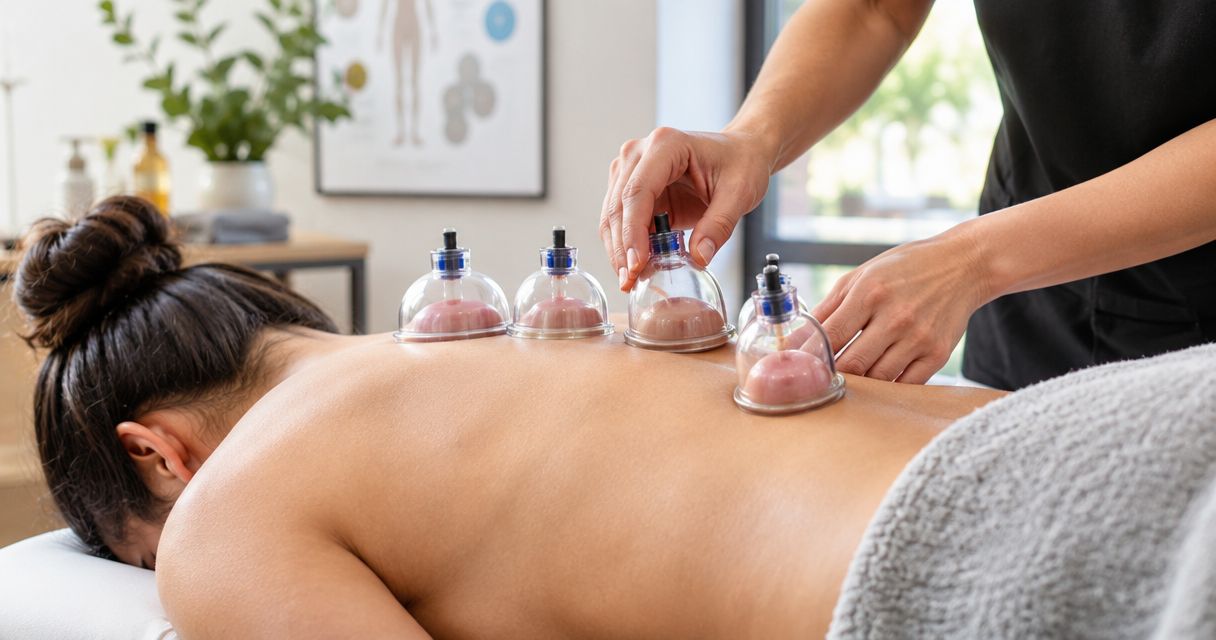
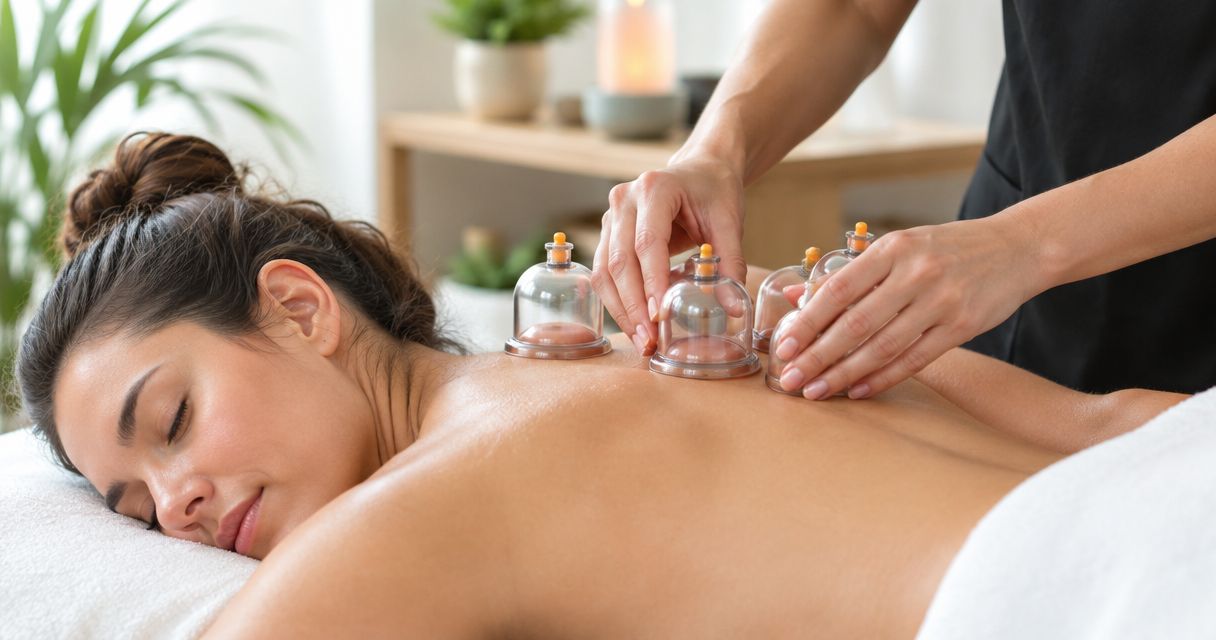
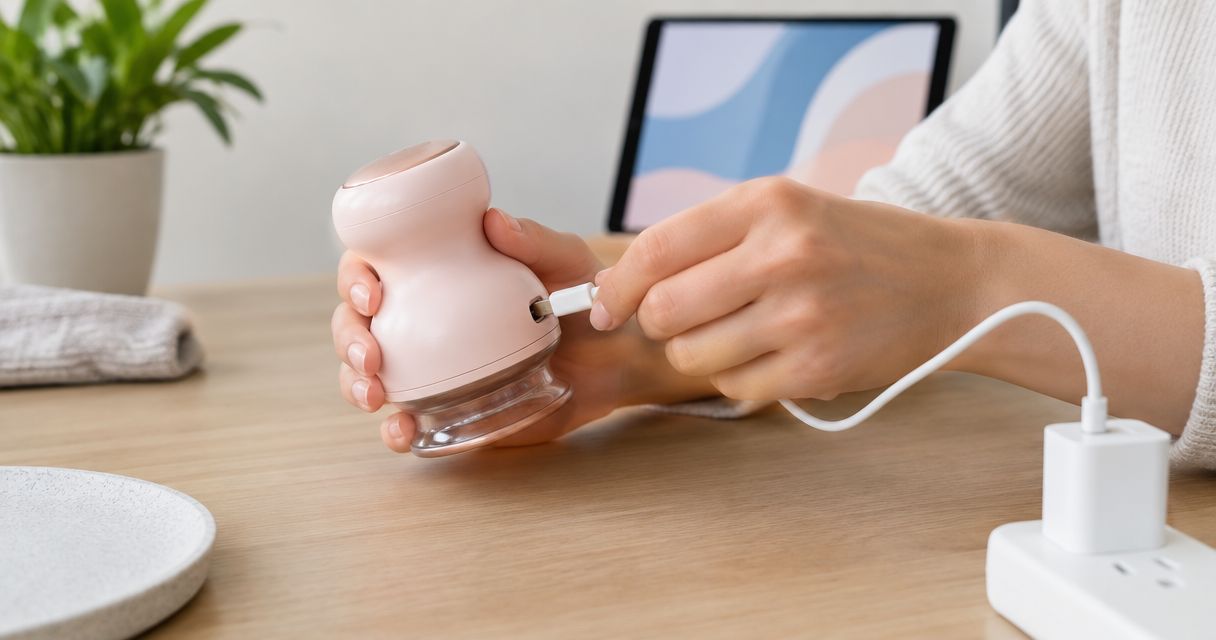
Vazo Slide is a handheld device that combines 4 functions: cupping, heating, massage, and gua sha. It suits runners who want several methods within one at-home device rather than choosing a tool dedicated only to rolling or percussion.
Cupping uses suction on the skin. That makes the experience different from a roller or massage gun, both of which apply pressure toward the body. Choose Vazo Slide because that combination interests you—not because the number of functions proves a stronger recovery effect.
Vazocupping is best for runners who want cupping, heating, massage, and gua sha in one handheld recovery device. That is a feature-fit recommendation, not a promise of faster healing or better race performance.
Vazo Slide pros:
- Combines several distinct methods in one device.
- Offers a suction-based alternative to pressure-only tools.
- Supports an at-home, handheld recovery routine.
Vazo Slide cons:
- Cupping can leave temporary skin marks.
- Suction and heat require attention to skin condition and the product instructions.
- A handheld format does not remove the difficulty of reaching certain areas yourself.
Best for: Runners who specifically want a combined cupping, heating, massage, and gua sha device.
Before using Vazo Slide, read the instructions for placement, operation, and situations where use is unsuitable. Do not improvise a running-specific treatment protocol from a buying guide.
Verdict: Buy for the combination of methods; skip if you only want a straightforward pressure tool.
2. Foam roller: best for broad, self-directed pressure
A foam roller applies pressure as you move your body across its surface. You control placement and loading through your position, making it a direct option for runners who prefer broad contact rather than suction or mechanical tapping.
The main decision is not which roller looks most aggressive. It is whether you can get into a comfortable position, move with control, and reduce pressure without straining somewhere else.
Foam roller pros:
- Uses body position rather than powered settings to adjust pressure.
- Provides broader contact than a small massage ball.
- Requires no charging or electronic controls.
Foam roller cons:
- Getting onto and off the floor can be inconvenient or uncomfortable.
- Supporting your body while rolling can load your wrists or shoulders.
- Broad contact offers less precise placement than a small ball.
Best for: Runners who want broad pressure and are comfortable with floor-based movement.
For your 2026 routine, prioritize control over a heavily textured surface. A roller should let you ease off, reposition, and breathe normally. If using it requires bracing through pain, the setup is not serving its purpose.
Avoid treating a painful joint or a sharply tender spot as something to roll harder. Pressure does not identify the cause of pain.
Verdict: Buy for broad pressure; skip if floor positioning is a barrier.
3. Percussion massage gun: best for handheld tapping
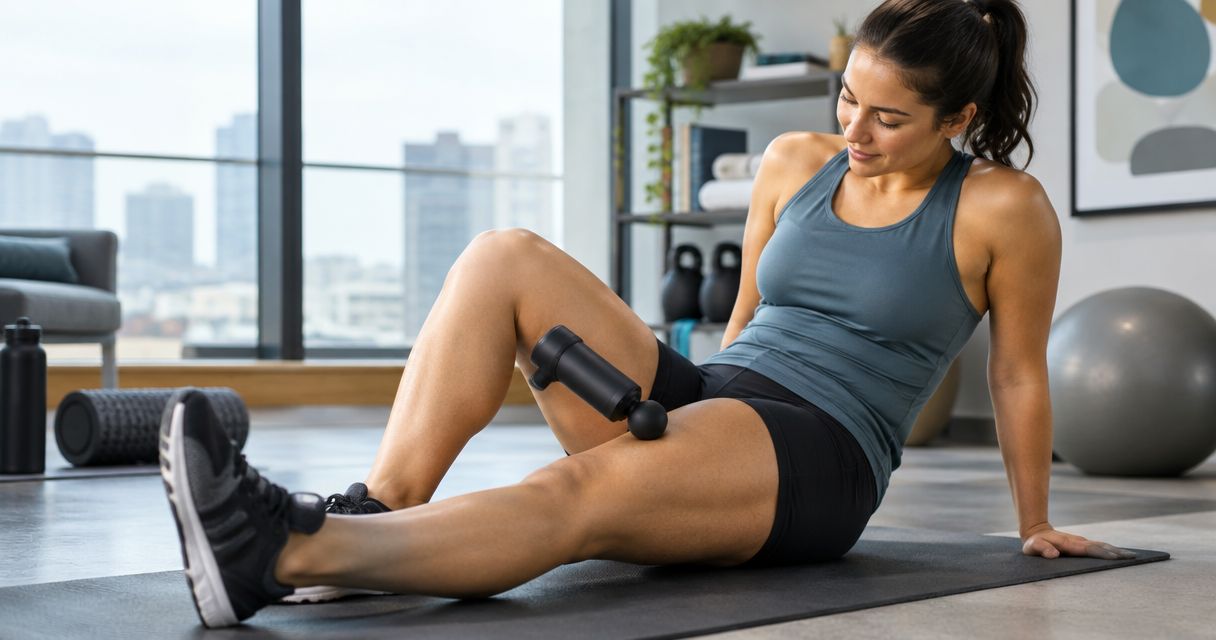
A percussion massage gun delivers repeated mechanical tapping through an attachment. It suits runners who prefer holding a tool against a reachable muscle instead of moving their body over a roller.
The appeal is direct control of placement. The limitation is equally direct: you still need to hold the device comfortably and reach the intended area without twisting into an awkward position.
Percussion massage gun pros:
- Offers handheld placement on accessible muscle areas.
- Does not require rolling your body across a floor-based tool.
- Provides percussion rather than suction or sustained pressure.
Percussion massage gun cons:
- Reaching your own back or other awkward areas remains difficult.
- Holding the device can become tiring.
- Strong percussion can be uncomfortable; intensity is not proof of benefit.
Best for: Runners who want a handheld percussion routine on muscles they can reach comfortably.
When comparing massage guns, check the actual manufacturer's instructions, controls, and handling requirements. Do not assume that every model has the same attachments or adjustment options.
For a 2026 purchase, handling matters more than an impressive-looking specification sheet. A device that is awkward to hold is a poor fit even if its marketing emphasizes power. Keep percussion away from bones, joints, broken skin, and areas the instructions exclude.
Verdict: Buy for reachable-muscle percussion; skip if you need a hands-off routine.
4. Massage ball: best for precise pressure placement
A massage ball concentrates pressure over a smaller contact area than a typical foam roller. You can position it against a wall or floor, then adjust the load by changing how much you lean into it.
That precision makes a massage ball useful when broad rolling feels unfocused. It also makes restraint important: a small contact area can feel intense without much body weight.
Massage ball pros:
- Allows focused placement on small, reachable areas.
- Offers a wall-based alternative to some floor positions.
- Requires no power supply or electronic setup.
Massage ball cons:
- Concentrated pressure can become uncomfortable quickly.
- Placement can shift as you move.
- A painful spot is not automatically an appropriate spot to press.
Best for: Runners who want controlled, localized pressure rather than broad rolling.
Choose a position that lets you back away immediately. A wall setup gives you a straightforward way to reduce loading by stepping away, while floor use places different demands on body control.
Do not confuse precision with diagnosis. A massage ball cannot establish whether soreness comes from normal training fatigue, an irritated structure, or an injury. Persistent or worsening pain needs assessment, not more targeted pressure.
Verdict: Buy for precise placement; skip if you tend to press harder whenever something hurts.
5. Pneumatic compression boots: best for seated leg compression
Pneumatic compression boots use inflatable sleeves around the legs. The system applies and releases pressure while you sit or recline, creating a different routine from manually rolling or holding a massage tool.
This category suits runners who prefer a leg-focused session without actively positioning a handheld device throughout. It is a choice about format—not proof that compression delivers better recovery than the other methods listed here.
Pneumatic compression boots pros:
- Provide a seated or reclining routine.
- Apply compression through leg sleeves rather than a small contact point.
- Avoid the continuous manual placement needed with a roller or massage gun.
Pneumatic compression boots cons:
- Putting on sleeves and arranging the system adds setup.
- The format is less compact than a massage ball.
- Circulation concerns and certain medical conditions require professional guidance before use.
Best for: Runners who specifically want a seated leg-compression routine.
Check the instructions for the exact system you are considering. Do not assume all boots cover the same areas or use the same controls.
In 2026, keep the purchase decision focused on suitability and routine fit. New, unexplained leg swelling is not a reason to begin a home compression session; it is a reason to seek medical assessment.
Verdict: Buy for seated compression; skip if you want minimal setup or have unresolved suitability concerns.
How the ranking works
This ranking compares the methods these devices provide, the effort required to use them, and their practical limitations. It does not assign clinical recovery scores or claim that these products were tested against one another.
Vazo Slide leads for combining methods. The other categories each occupy a separate slot: broad pressure, handheld percussion, pinpoint pressure, or seated compression. That makes the ranking a decision tree rather than a contest of stronger sensations.
The comparison also separates product facts from category traits. Vazocupping supplies the multifunction device described here; features of individual rollers, massage guns, balls, and compression systems need checking with their respective manufacturers.
Which recovery device should you choose?
Choose Vazo Slide if you actively want its combination of cupping, heating, massage, and gua sha. Choose a foam roller if you are undecided and simply want broad, self-directed pressure.
Before choosing, answer these 3 questions:
- Which sensation do you want? Suction, rolling pressure, tapping, focused pressure, and compression feel different.
- Which position will you use? Consider standing at a wall, moving on the floor, holding a device, or sitting in sleeves.
- What will make you stop? Know the product warnings and stop if use causes pain, skin injury, numbness, or an unexpected reaction.
For a 2026 recovery routine, start with the method you understand and can use comfortably. Do not buy several categories just to cover every possibility. Overlapping tools add choices without establishing what you actually enjoy using.
Keep sleep, adequate food, hydration, and sensible training adjustments central. A device belongs alongside those habits, not in place of them.
FAQ
What's the best muscle recovery device for runners?
The best muscle recovery device for runners depends on the method you want. Vazo Slide suits a combined cupping, heating, massage, and gua sha routine; a foam roller suits broad, self-directed pressure.
Is Vazo Slide better than a massage gun for runners?
Vazo Slide is a better fit when you want cupping, heating, massage, and gua sha rather than percussion alone. A massage gun fits runners who specifically prefer mechanical tapping; the difference in functions does not prove better recovery.
Should I choose a foam roller or a massage ball?
Choose a foam roller for broad contact and a massage ball for more precise placement. Your ability to position yourself comfortably and reduce pressure should guide the choice.
Do recovery devices prevent running injuries?
A recovery device is not a guarantee against running injuries. Do not use temporary comfort as evidence that an injury has healed or that your training load is appropriate.
Can I use a cupping device every day after running?
Do not assume daily cupping is appropriate. Follow the specific device instructions, allow irritated skin to recover, and ask a qualified clinician about suitability when you have medical concerns.
Are compression boots suitable for every runner?
Compression boots are not suitable for every runner. Check the manufacturer's warnings and seek professional guidance if you have circulation concerns, unexplained swelling, or another relevant medical condition.
Should a muscle recovery device hurt when I use it?
Pain is not the goal of a muscle recovery routine. Stop if a device causes pain, numbness, skin injury, or an unexpected reaction rather than increasing the intensity.
One last thing
Less soreness is not the same as readiness to run. A comfortable session does not establish that an irritated tissue can tolerate your next workout.
Before your next run, pay attention to symptoms during ordinary movement and changes from your usual pattern. Persistent pain, altered walking, or worsening symptoms deserve assessment. The most useful device is the one you can put down when the problem needs more than a recovery routine.