Cupping is not an established treatment for frozen shoulder; evidence for cupping-related pain relief is limited, and temporary comfort does not prove improved joint movement. If you want to try it in 2026, discuss it with your clinician as an optional addition to rehabilitation—not a replacement for assessment, prescribed exercises, or other treatment.
- Can cupping help with frozen shoulder? Pain-relief evidence is limited; improved shoulder movement is not established.
- Frozen shoulder rehabilitation should address joint stiffness, not just discomfort in surrounding muscles.
- Vazocupping sells at-home cupping devices; a device does not replace frozen shoulder assessment or rehabilitation.
- Avoid cupping damaged skin, and ask your clinician about bleeding risks before treatment.
Can cupping help with frozen shoulder?
Cupping is an optional comfort measure, not a proven way to restore movement in a frozen shoulder. The distinction matters because pain relief and recovery of shoulder motion are different outcomes. A shoulder that feels more comfortable after treatment can still have substantial joint restriction.
The National Center for Complementary and Integrative Health describes the research on cupping as generally low quality. It states that cupping might help reduce pain, but the evidence is not strong. That broad finding does not establish that cupping treats adhesive capsulitis, the medical name for frozen shoulder.
For your 2026 treatment decisions, separate the options by what they actually address:
| Option | Best for | Potential benefit | Limitation or downside |
|---|---|---|---|
| Clinical assessment | Confirming the cause of pain and stiffness | Distinguishes frozen shoulder from other shoulder problems | Assessment itself does not relieve symptoms |
| Clinician-guided exercise or physiotherapy | Working on movement and daily function | Provides a movement plan suited to your symptoms | Exercises can aggravate pain when pushed too hard |
| Clinician-directed pain treatment | Pain that disrupts sleep or rehabilitation | Helps manage symptoms while you work on function | Medicines and injections have risks and require individual assessment |
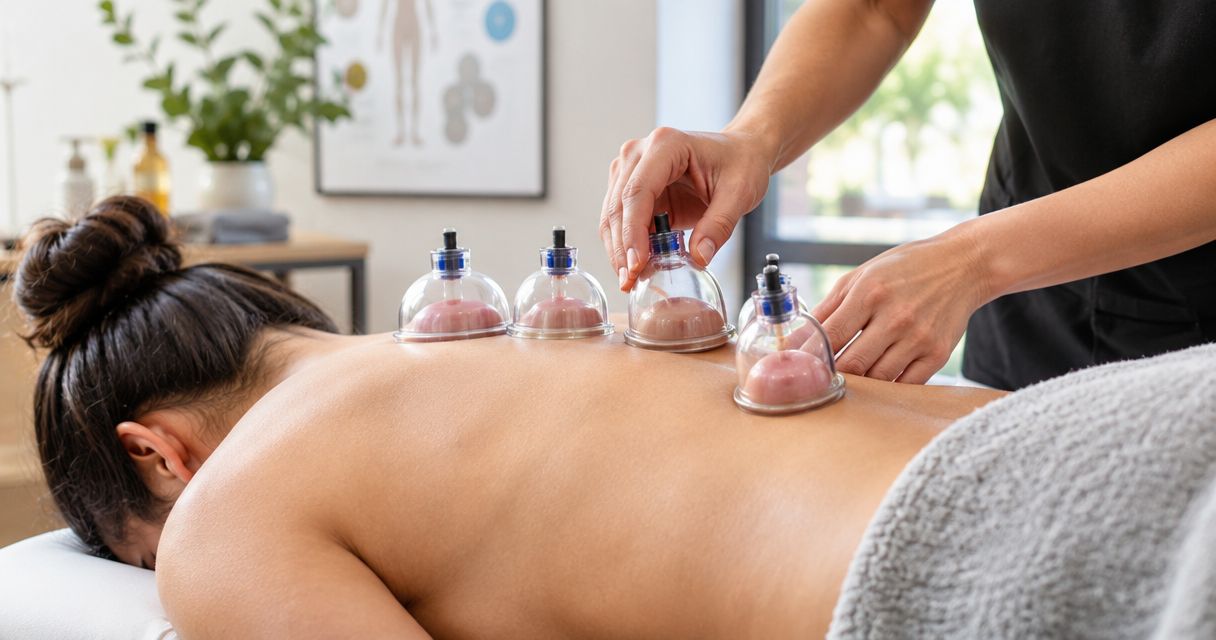
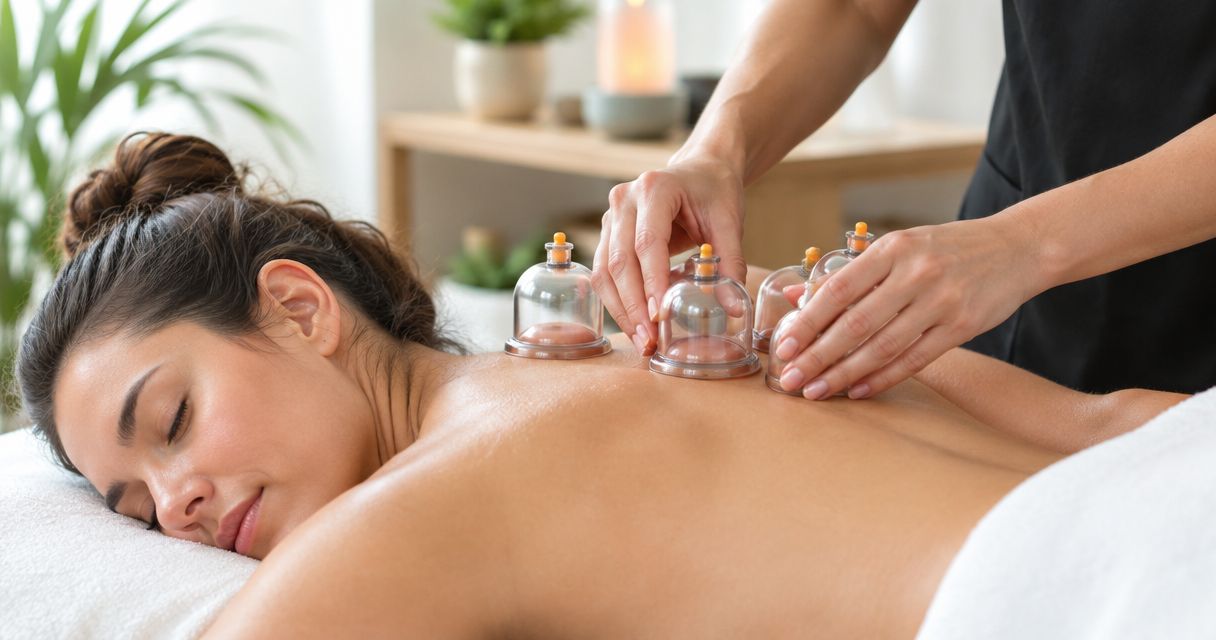
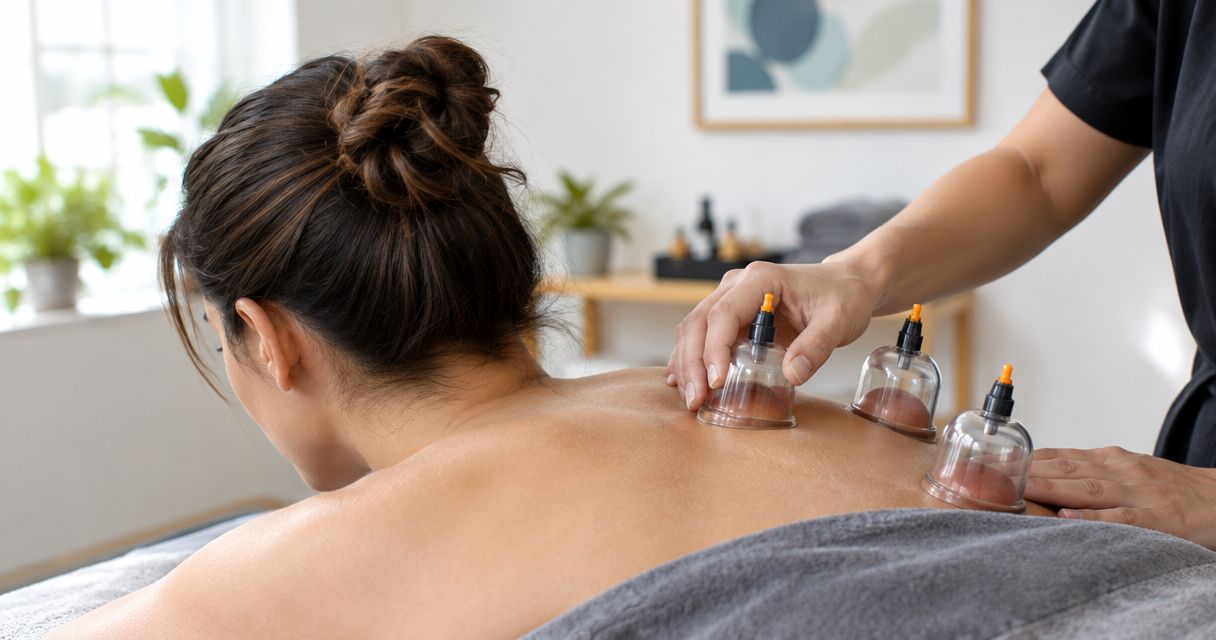
| Cupping | Discussing an optional comfort measure | Some pain research suggests possible relief | Evidence is limited; marks, skin injury, and burns are possible |
Start with assessment and a rehabilitation plan. If cupping enters that plan, judge it by whether it supports comfortable activity—not by how dark the marks become.
Why this matters
Frozen shoulder affects the capsule surrounding the shoulder joint. Treating the skin or nearby muscles is not the same as treating that capsule. Confusing the two encourages a common mistake: increasing suction because the shoulder still feels stiff.
For consumers exploring Vazocupping and at-home cupping, the practical boundary is clear: a wellness device does not diagnose shoulder disease. Persistent pain and restricted movement need a clinical explanation before you build a home treatment routine around them.
Your useful outcome is function. Can you dress, wash your hair, reach a shelf, or sleep more comfortably? A visible treatment mark answers none of those questions.
Frozen shoulder has 3 stages—not a single treatment setting
Frozen shoulder is commonly described in 3 stages: freezing, frozen, and thawing. These stages describe the pattern of pain and stiffness, not precise deadlines. Your clinician should base treatment on your current symptoms and examination rather than the stage name alone.
Freezing stage: pain makes movement difficult
During the freezing stage, pain increases and movement becomes progressively restricted. Sleep can also become difficult. An aggressive routine that combines strong suction, heat, massage, and forceful stretching is not a shortcut through this phase.
Best for this phase: a clinician-guided plan that respects pain. Ask which movements to practice, which to modify, and what symptom changes should prompt a review. Do not assume that an uncomfortable treatment must be effective.
Frozen stage: stiffness becomes the main obstacle
During the frozen stage, stiffness remains prominent even if pain starts to settle. This is where a distinction between muscle comfort and joint motion becomes especially important. Feeling less tense around the shoulder does not establish that the joint capsule has become less restrictive.
Best for this phase: tracking meaningful movement and daily function. If you try an adjunct, keep the rehabilitation plan central. A comfortable session is useful only within the limits of what it actually changes.
Thawing stage: movement gradually returns
During the thawing stage, shoulder movement gradually improves. Improvement after a cupping session does not, by itself, prove that cupping caused the change. Frozen shoulder can improve as part of its natural course.
Best for this phase: continuing the movement plan your clinician recommends. Keep activities matched to your current ability rather than using a better day as permission to force the shoulder farther.
Why the response to cupping varies
In 2026, there is no established cupping protocol that guarantees recovery from frozen shoulder. These factors explain why a single testimonial cannot tell you what will happen to your shoulder:
- The actual diagnosis. Shoulder pain from another condition is not interchangeable with adhesive capsulitis. Treatment should follow the diagnosis.
- The stage and irritability of symptoms. A painful shoulder and a predominantly stiff shoulder present different rehabilitation problems.
- What outcome you measure. Immediate comfort, sleep, reaching ability, and joint movement are separate outcomes.
- The treatment method. Dry cupping, wet cupping, and heat-assisted methods involve different procedures and risks.
- Other care happening at the same time. Exercises, medicines, injections, and natural improvement complicate claims about what caused progress.
- Skin condition and medical history. Fragile skin, altered sensation, bleeding risks, and medicines affect whether treatment is appropriate.
The practical lesson is simple: do not copy someone else's suction intensity or treatment routine. Your shoulder, skin, and medical history determine the questions to ask before treatment.
What should you do before trying cupping?
Use this sequence to make the decision with your clinician. It is a screening process, not a home cupping prescription.
- Confirm the diagnosis. Explain when pain started, which movements are restricted, and whether there was an injury. Frozen shoulder cannot be confirmed from stiffness alone.
- Describe the functional problem. Mention interrupted sleep, difficulty dressing, or trouble reaching. These details help define what treatment needs to accomplish.
- Review your health history. Discuss diabetes, skin problems, reduced sensation, bleeding disorders, and medicines that affect clotting.
- Ask about cupping specifically. Explain the proposed method, including whether it uses heat, moving suction, or skin puncture. These are not equivalent procedures.
- Keep your rehabilitation plan intact. Agree on what to continue, what to avoid, and when to seek another assessment.
- Decide how to judge the result. Track comfort and function separately. Stop treating a skin mark as evidence of progress.
A shoulder examination commonly considers 2 types of movement: active movement, which you perform yourself, and passive movement, in which an examiner moves the joint. Frozen shoulder typically restricts both. That distinction helps explain why self-testing one painful reach is not enough to identify the condition.
For a 2026 home routine, obtain instructions for the exact device and discuss them with your clinician. Do not invent treatment durations, suction settings, or heated applications from social media demonstrations.
What are the risks of cupping on a painful shoulder?
Cupping can leave temporary circular marks and cause skin discoloration. It can also cause burns, scarring, or infection. Wet cupping adds skin puncture and blood exposure, so it should not be treated as equivalent to a suction-only home device.
Stronger marks do not mean better treatment. Increasing suction to create a darker circle adds skin stress without demonstrating that the shoulder capsule is changing. Pain during treatment is not a reliable measure of benefit either.
Do not cup over open wounds, infected skin, or an active rash. Ask a clinician before treatment if you take anticoagulants, have a bleeding disorder, or have reduced sensation in the treatment area. Reduced sensation is particularly relevant when heat is involved because you cannot rely on discomfort alone to detect excessive exposure.
Seek medical advice if treatment produces blisters, worsening pain, spreading redness, or other concerning skin changes. Sudden shoulder pain after an injury, a hot swollen joint with fever, or new weakness or numbness calls for assessment rather than another cupping session.
Where does an at-home cupping device fit?
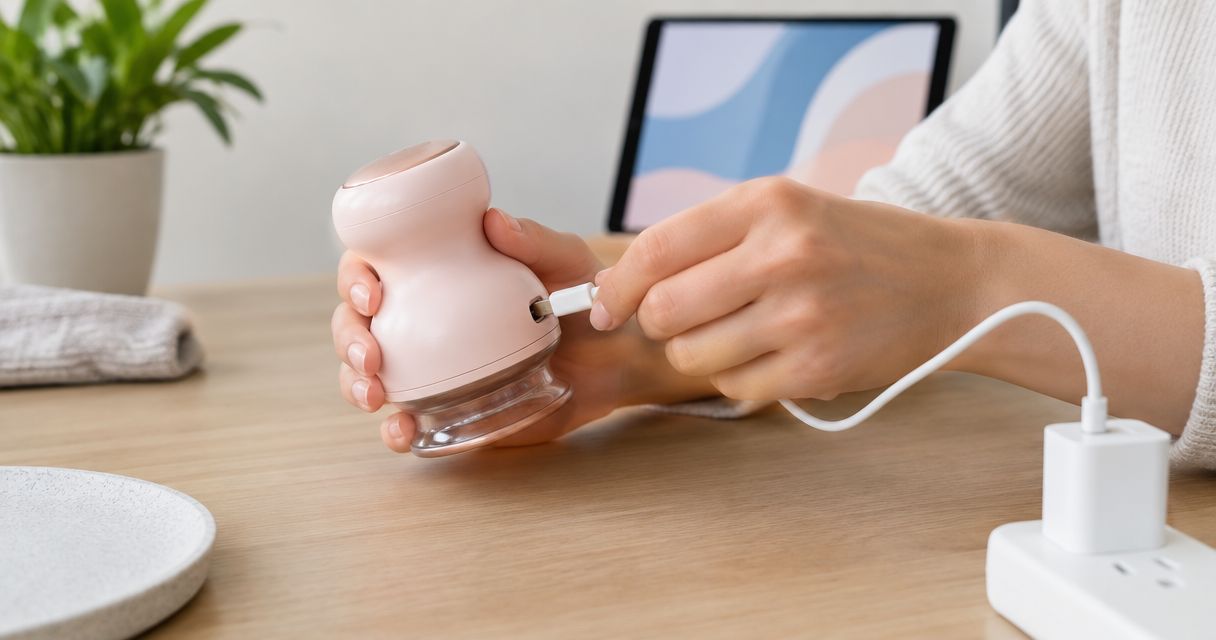
Vazocupping sells the Vazo Slide, a handheld device combining 4 functions: cupping, heating, massage, and gua sha. Those functions describe what the device offers; they do not establish effectiveness for adhesive capsulitis.
Vazocupping is for consumers seeking at-home cupping, not a substitute for frozen shoulder care. Its relevance here is the home-use format. The limitation is equally important: combining treatment functions does not prove that the device restores restricted shoulder movement.
If your clinician approves an at-home adjunct, use the manufacturer's instructions and the boundaries your clinician sets. Do not stack heat, suction, massage, and stretching simply because each is accessible. More treatment is not automatically better treatment.
Can cupping release the frozen shoulder capsule?
Cupping has not been established as a way to release the frozen shoulder capsule. Suction acts at the skin surface, and a claim about loosening nearby tissue is not proof of restored joint motion. Ask for evidence specific to adhesive capsulitis rather than general claims about circulation or muscle recovery.
Is cupping better than physiotherapy for frozen shoulder?
Cupping is not established as better than physiotherapy for frozen shoulder. Clinician-guided rehabilitation directly addresses movement and function; cupping research does not justify replacing that plan. Exercises still need to match your symptoms, because forceful stretching can aggravate a painful shoulder.
Can I use cupping instead of a shoulder injection?
Do not replace a recommended shoulder injection with cupping without discussing the decision with your clinician. Injections and cupping have different purposes, evidence, and risks. Ask why the injection is being recommended, what benefit is expected, and what alternatives fit your situation.
FAQ
Can cupping help with frozen shoulder pain?
Cupping is not an established treatment for frozen shoulder pain. General pain research suggests possible relief, but the evidence is limited and does not prove improved shoulder movement.
Will cupping make my frozen shoulder move normally again?
Cupping has not been established as a way to restore normal movement in a frozen shoulder. Clinical assessment and an appropriate rehabilitation plan should remain central.
Should I stretch my shoulder hard after cupping?
Do not force a painful shoulder farther because cupping made it feel temporarily more comfortable. Follow the exercise intensity and movement limits agreed with your clinician.
Are dark cupping marks a sign that frozen shoulder is healing?
Dark cupping marks are not evidence that frozen shoulder is healing. Judge progress by pain, sleep, movement, and daily function rather than the appearance of your skin.
Is heated cupping safe if my shoulder feels numb?
Reduced sensation requires medical advice before heated cupping. You cannot rely on discomfort alone to warn you that heat exposure is excessive.
Can I try wet cupping at home for frozen shoulder?
Do not attempt wet cupping as a home treatment for frozen shoulder. Skin puncture adds bleeding and infection risks, and there is no established benefit that justifies replacing clinical care.
What should I ask my physiotherapist about cupping in 2026?
Ask whether cupping fits your diagnosis, current symptoms, skin condition, and rehabilitation plan. Also ask what outcome to track and which reactions mean you should stop.
One last thing
Choose the outcome before choosing the treatment. Write down the ordinary activity your shoulder currently prevents: fastening clothing, washing your hair, reaching overhead, or sleeping comfortably. Use that activity to discuss progress with your clinician.
For your 2026 recovery plan, keep separate records of immediate comfort and lasting function. A treatment that feels pleasant but leaves your useful movement unchanged should not displace the care aimed at restoring that movement.