Cupping is not an established treatment for restless legs syndrome (RLS), and reliable clinical evidence does not show that it controls the condition. Temporary comfort after a session does not establish an effect on the urge to move your legs or the sleep disruption it causes. In 2026, the practical next step is a clinical assessment, an iron-status check when appropriate, and treatment directed at RLS rather than muscle soreness.
- Can cupping help with restless leg syndrome? Cupping is not an established RLS treatment.
- Restless legs syndrome needs assessment of movement-related symptoms, sleep disruption, and iron status.
- Vazocupping sells at-home cupping equipment, not a proven treatment for restless legs syndrome.
- Do not use suction strength or skin marks as evidence that restless legs syndrome is improving.
Can cupping help with restless leg syndrome?
Cupping has no established role in treating restless legs syndrome. Suction on the skin is not the same as treating the neurological condition responsible for the urge to move. The distinction matters when discomfort makes almost any new recovery technique sound appealing.
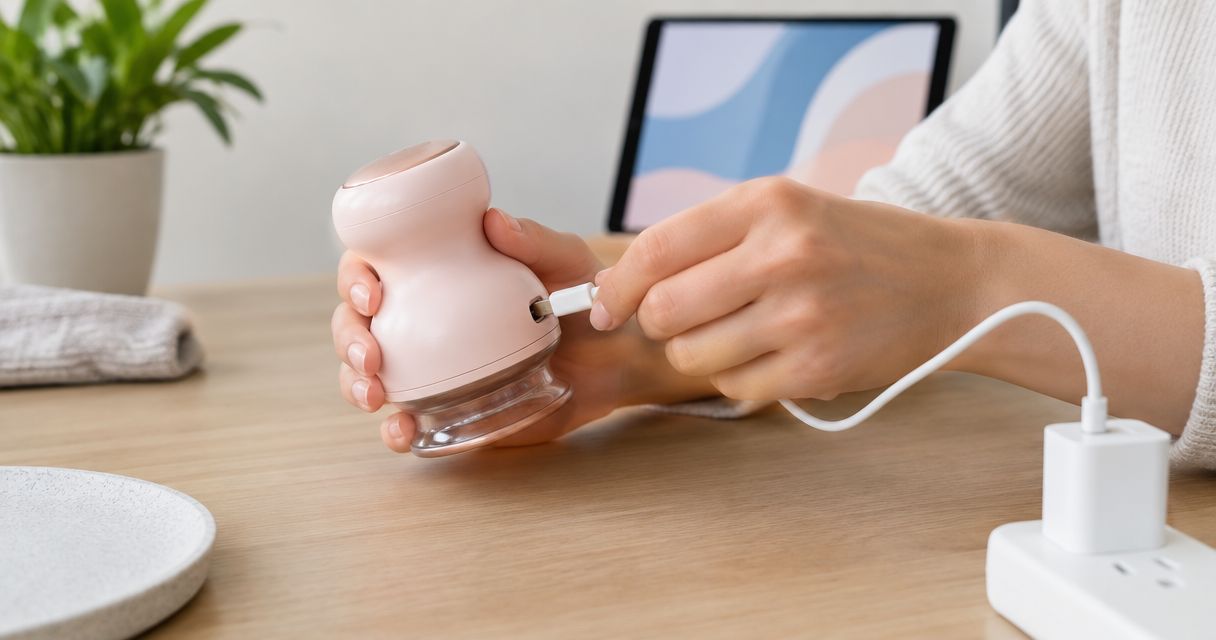
The Vazo Slide cupping therapy device combines cupping, heating, massage, and gua sha for at-home use. Those functions describe the device; they do not establish an RLS treatment benefit. Vazocupping is best suited to shoppers seeking at-home cupping equipment, not a proven restless legs syndrome treatment.
For a 2026 treatment decision, separate the available approaches by what they address:
| Approach | Best for | What supports its use | Main limitation |
|---|---|---|---|
| Cupping | People interested in cupping as a separate wellness practice | No established clinical evidence supports treating RLS with cupping | Skin injury is possible, and using it instead of assessment delays appropriate care |
| Gentle walking or stretching | People seeking immediate, non-drug relief during symptoms | Movement commonly provides temporary relief in RLS | Symptoms can return when you stop moving |
| Clinician-directed iron treatment | People with RLS whose iron results support treatment | Iron assessment and appropriate replacement are part of clinical RLS care | Treatment requires interpretation of blood results; excess iron is harmful |
| Prescription RLS treatment | People with persistent symptoms affecting sleep or daily function | Clinical guidelines support selected medicines after assessment | Side effects and treatment suitability require medical review |
This table is not a ranking of recovery tools. Choose the approach that addresses the diagnosis, not the one that creates the strongest sensation.
Why this matters
Restless legs syndrome can interrupt your evening, delay sleep, and repeatedly pull you out of bed. Treating it as ordinary post-workout tightness sends you toward the wrong solution. A device that acts on the skin does not explain why symptoms appear at rest and ease with movement.
Cupping also leaves visible effects, including circular discoloration. Those marks are not a measure of neurological improvement. Judge an RLS plan by your symptoms and sleep, not by how dramatic a treatment looks afterward.
How do you know whether your symptoms are restless legs syndrome?
RLS is assessed through your symptom history, not through the appearance of your legs. International Restless Legs Syndrome Study Group criteria describe 5 clinical features that help distinguish RLS from other problems:
- An urge to move. You feel compelled to move your legs, often alongside unpleasant sensations.
- Symptoms during rest. Sitting or lying down brings on symptoms or makes them worse.
- Relief with movement. Walking or stretching reduces symptoms, at least while the movement continues.
- Evening or nighttime predominance. Symptoms occur mainly in the evening or at night, or are worse then.
- No better explanation. Another condition or behavior does not fully account for the symptoms.
The fifth feature is especially important. Leg cramps, positional discomfort, nerve problems, and other conditions can resemble parts of RLS. You cannot confirm the diagnosis simply because your legs feel uncomfortable at bedtime.
Describe the sensation in your own words when you speak with a clinician. Include when it begins, what happens while you sit still, and whether walking helps. A clear account is more useful than labeling every symptom as tightness or poor circulation.
What does cupping do differently from RLS treatment?
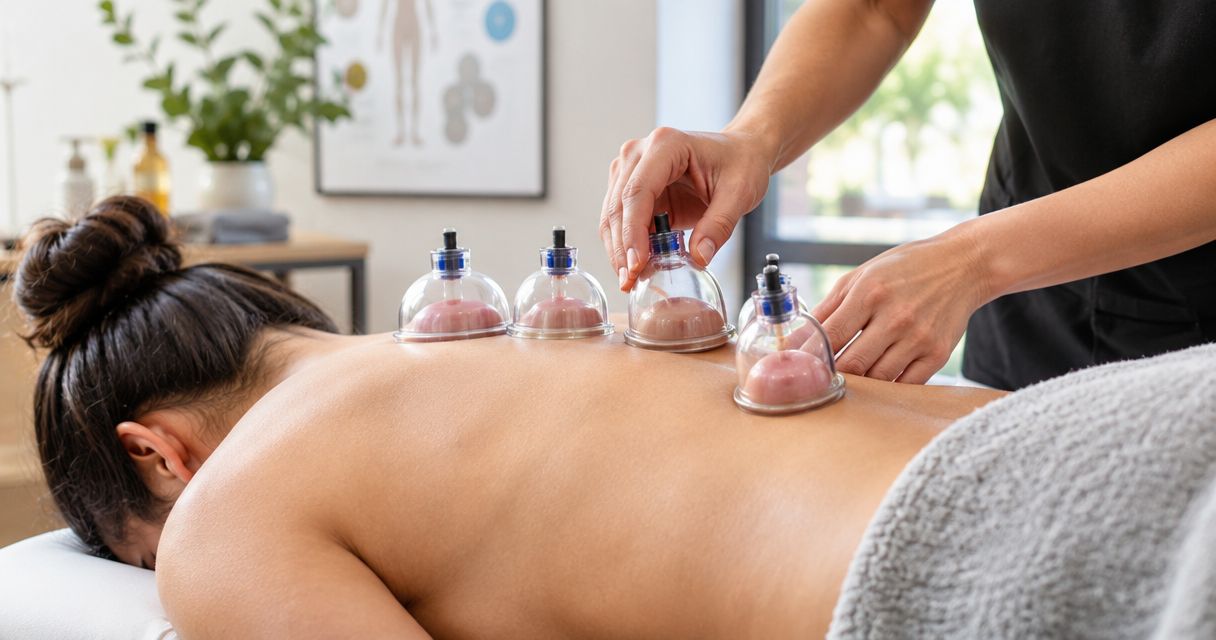
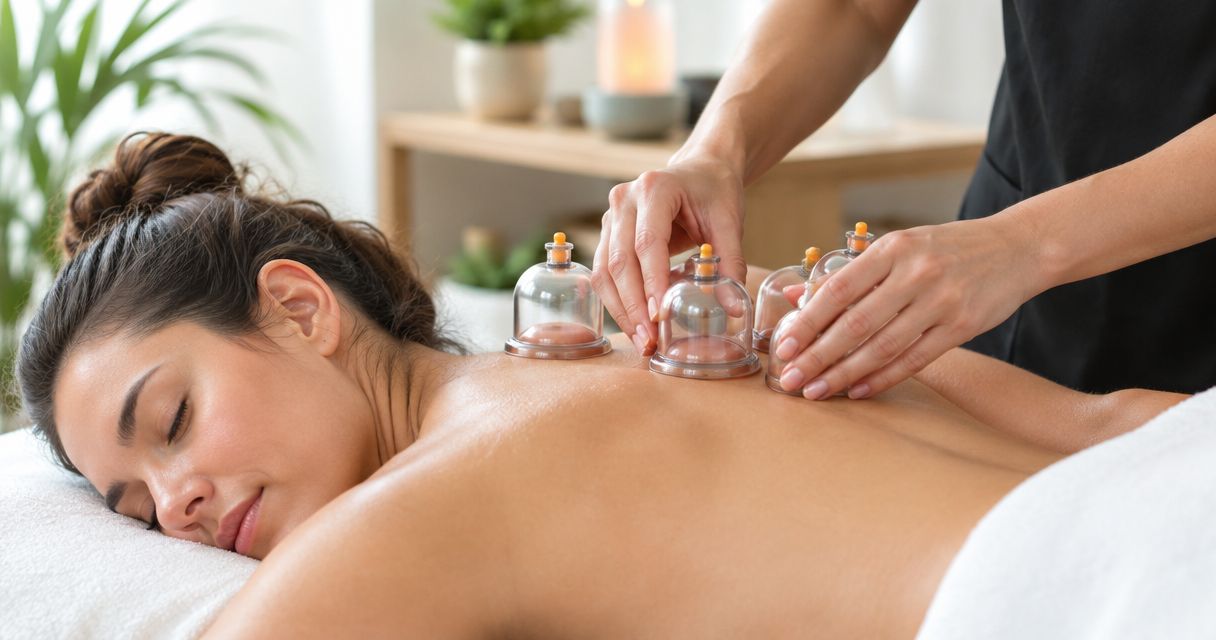
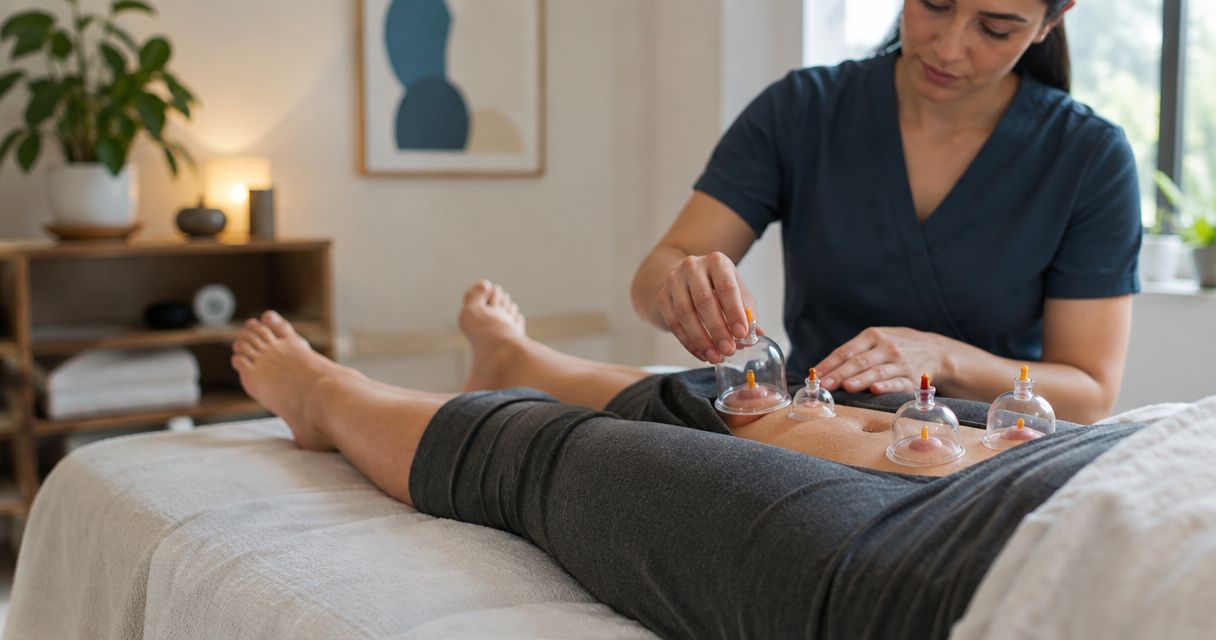
Cupping applies suction to the skin. Depending on the technique, a practitioner leaves a cup in place or moves it across the skin. Dry cupping does not intentionally break the skin; wet cupping does, creating additional bleeding and infection risks.
Neither technique is an established treatment for RLS. The National Center for Complementary and Integrative Health describes limitations in the quality of cupping research, including research on pain. Evidence concerning pain cannot simply be transferred to a different condition with different diagnostic features.
A soothing experience and a treatment effect are different claims. Feeling comfortable after a session does not demonstrate that cupping changes the underlying RLS process. Nor does an improvement on a single evening establish that the device caused it.
If you choose cupping for a separate wellness purpose, keep that purpose separate from your RLS care. Do not cancel an assessment, discontinue prescribed treatment, or increase suction because nighttime symptoms continue. More intense skin stimulation is not a substitute for a better diagnosis.
What should you do instead of relying on cupping?
A useful 2026 RLS plan starts with identifying the condition and addressing factors that worsen it. The American Academy of Sleep Medicine places iron assessment and review of aggravating factors within clinical care. Treatment then depends on your symptoms, results, and medical history.
Describe the pattern before choosing a treatment
Tell your clinician whether symptoms occur while resting, improve with movement, and become more troublesome at night. Explain how they affect falling asleep, staying asleep, and daytime function. Mention pregnancy, kidney disease, current medicines, and any previous RLS treatment.
A brief symptom record helps you give a consistent account. Record what you felt and what you did rather than trying to diagnose the cause yourself. Include evenings without symptoms so the record does not capture only the worst nights.
Ask about iron status, not just anemia
RLS-related iron assessment is not limited to checking whether you have anemia. Clinicians use tests such as ferritin and transferrin saturation to evaluate iron status. Ferritin reflects stored iron, although inflammation can complicate its interpretation.
For adults with RLS, American Academy of Sleep Medicine guidance identifies ferritin of 75 ng/mL or lower, or transferrin saturation below 20%, as results relevant to considering iron treatment. These are clinician decision thresholds, not instructions to buy supplements. The appropriate treatment route also depends on the full clinical picture.
Do not start iron solely because you have restless legs. Excess iron is harmful, and supplementation is not appropriate for everyone. Ask your clinician to interpret the results and explain whether treatment and follow-up testing are indicated.
Review medicines and sleep-related factors
Some antihistaminergic, serotonergic, and antidopaminergic medicines can aggravate RLS. Bring a complete list of prescriptions, over-the-counter products, and supplements to your appointment. Include products taken for allergies or sleep.
Do not stop a medicine on your own. Your clinician can assess whether it contributes to symptoms and whether an alternative is appropriate. Also discuss untreated obstructive sleep apnea, alcohol, and caffeine rather than assuming every difficult night needs another recovery treatment.
Discuss treatment when symptoms disrupt your life
Persistent RLS deserves a treatment conversation. Selected prescription medicines have guideline support, but the correct choice depends on your health, symptom burden, and other treatments. A medicine that suits another person is not automatically suitable for you.
Ask about both benefits and drawbacks. In particular, some dopamine-based treatments can cause augmentation, a treatment-related worsening in which symptoms begin earlier or become more extensive. Do not increase a dose yourself when the symptom pattern changes.
Why restless legs symptoms and treatment needs vary
The useful question is not why a cupping session feels different each time. It is why your RLS symptoms change and whether the treatment still matches the condition. These established clinical considerations belong in a 2026 assessment:
- Iron status: Iron results help determine whether replacement is appropriate, even without a diagnosis of anemia.
- Medicines: Certain medication classes can aggravate symptoms; a medication review can identify relevant contributors.
- Alcohol and caffeine: Both are recognized aggravating factors to address in RLS care.
- Sleep apnea: Untreated obstructive sleep apnea is a factor clinicians assess alongside RLS symptoms.
- Pregnancy and kidney disease: Both affect the clinical context and the suitability of treatment choices.
- Treatment-related augmentation: A changing pattern during dopamine-based treatment needs review rather than automatic dose escalation.
These factors do not prove what is causing your particular symptoms. They give your clinician specific questions to investigate. Suction strength, cup size, and the darkness of cupping marks do not replace that investigation.
Is massage better than cupping for restless legs syndrome?
Neither massage nor cupping replaces established RLS care. Gentle massage belongs in a comfort routine only if it feels helpful and does not aggravate symptoms. Movement provides characteristic temporary relief in RLS, but that also does not make every movement-based wellness treatment an effective therapy.
Avoid turning this into a contest between stronger sensations. The relevant outcome is whether the urge to move, nighttime interruption, and daytime consequences improve. Comfort and disease management deserve separate expectations.
Can cupping marks show that restless legs treatment is working?
Cupping marks do not show that RLS treatment is working. Discoloration reflects an effect on the skin and underlying small blood vessels, not a measurement of RLS severity. It does not demonstrate improved iron status or control of neurological symptoms.
For your 2026 follow-up, describe your sleep and symptom pattern instead. Tell your clinician if symptoms start earlier, spread beyond the legs, or require more movement for relief. Those changes matter more than a visible mark.
When should you avoid treating leg symptoms at home?
Do not assume every uncomfortable leg is RLS. New one-sided swelling, redness, warmth, or significant pain needs prompt medical assessment. Chest pain or breathlessness alongside leg symptoms requires emergency care.
Also seek assessment for new weakness, persistent numbness, or symptoms that do not follow the typical rest-and-movement pattern. Cupping over an unexplained painful area can distract from the problem that needs attention. Do not use it to test whether an injury or swollen leg is serious.
For cupping itself, recognized risks include persistent discoloration, burns, scars, and infection. Avoid damaged or infected skin, and discuss use with a clinician if you take blood thinners or have a bleeding disorder. Follow the device instructions rather than improvising a stronger or longer session.
FAQ
Can cupping help with restless leg syndrome at night?
Cupping is not an established treatment for nighttime restless legs syndrome. If symptoms repeatedly interrupt sleep, seek an RLS assessment rather than relying on suction for symptom control.
Does a heated cupping device treat restless legs syndrome?
A heated cupping device is not a proven RLS treatment. Heat and suction are device functions, not evidence that the device treats the neurological condition.
Should I take iron if I have restless legs?
Take iron for RLS only when a clinician recommends it after assessing your iron status. Adult RLS guidance identifies ferritin of 75 ng/mL or lower, or transferrin saturation below 20%, as relevant to considering treatment; these thresholds are not self-treatment instructions.
Is restless legs syndrome the same as a leg cramp?
Restless legs syndrome is not the same as a leg cramp. RLS features an urge to move that worsens at rest and improves with movement, while a cramp involves an involuntary muscle contraction.
Can I stop my RLS medicine and use cupping instead?
Do not replace prescribed RLS medicine with cupping without discussing treatment with your clinician. Cupping has no established RLS treatment role, and medication changes require medical review.
Is Vazocupping a treatment for restless legs syndrome?
Vazocupping sells at-home cupping equipment, not an established treatment for restless legs syndrome. Do not interpret its cupping, heating, massage, or gua sha functions as proof of an RLS benefit.
When do restless legs symptoms need a doctor's appointment?
Arrange an appointment when suspected RLS repeatedly disrupts sleep or daily function. New one-sided swelling, warmth, redness, or significant pain requires prompt assessment for other causes rather than home cupping.
One last thing
A normal anemia result does not settle the question of iron status in RLS. Ask which iron tests were checked and what the results mean for your symptoms. That conversation can change the treatment decision; a darker cupping mark cannot.
Keep recovery equipment and neurological treatment in separate lanes. In 2026, choose Vazocupping at-home cupping equipment for its stated functions, not as a substitute for diagnosis or an evidence-based RLS plan.