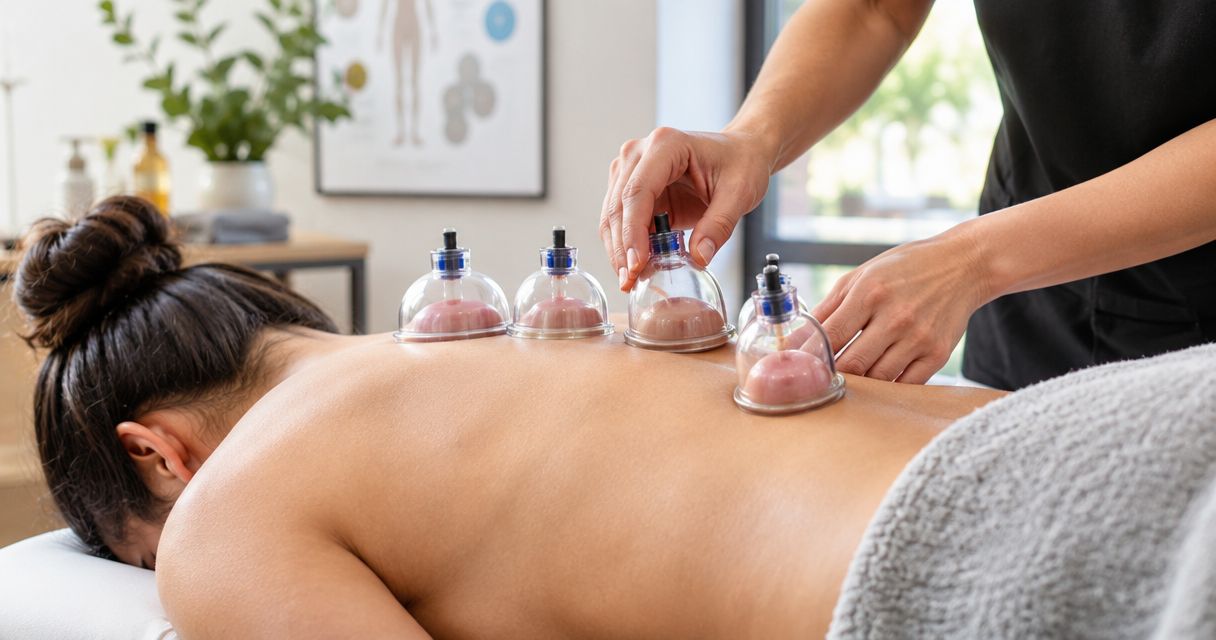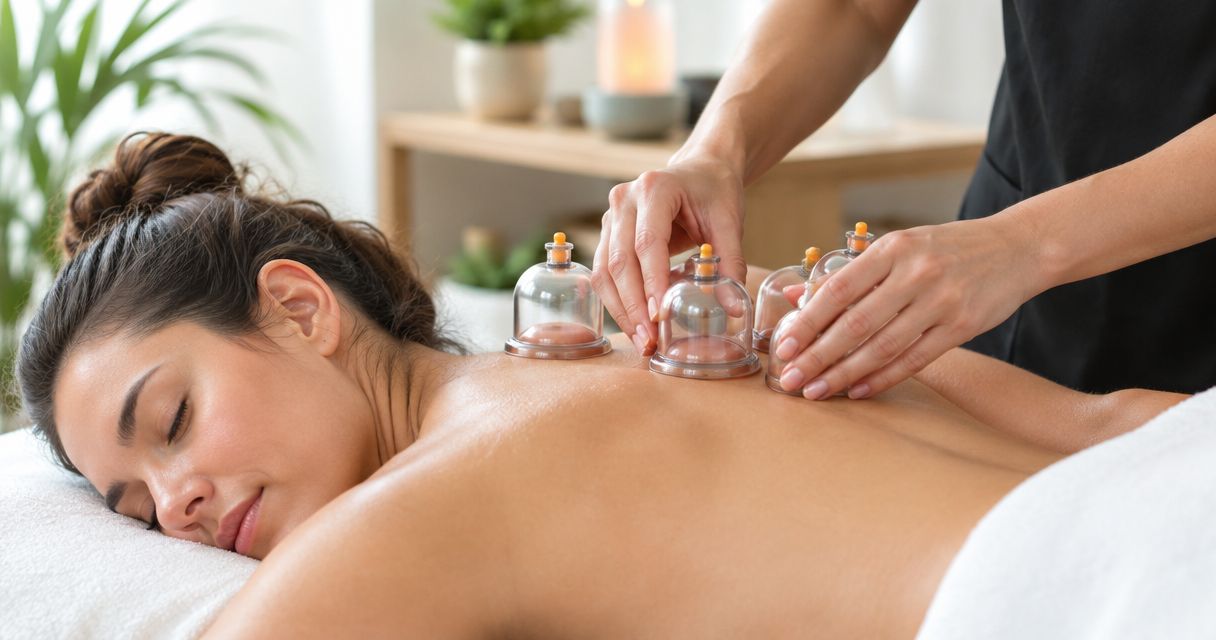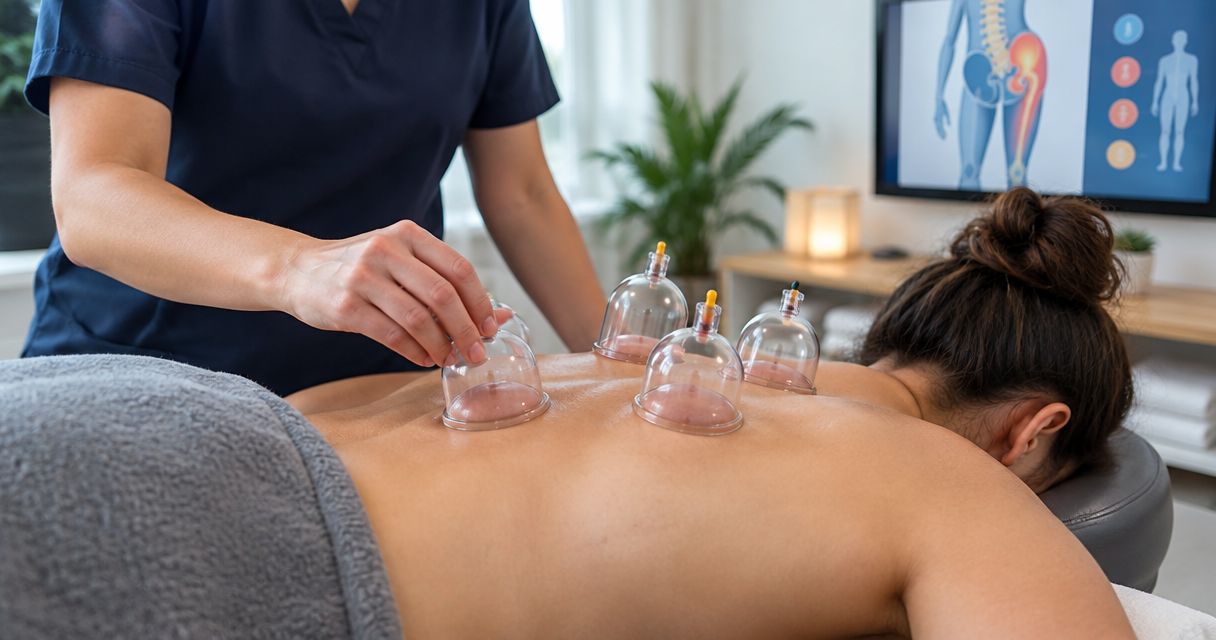
Cupping is not an established treatment for sciatica: evidence does not reliably show that it treats the irritated or compressed nerve responsible for the pain. If you use cupping for comfort around sore muscles, keep it separate from sciatica treatment and seek assessment for persistent pain, numbness, or weakness.
- Can cupping help with sciatica? Reliable evidence does not establish it as a treatment for sciatic nerve pain.
- Temporary muscle comfort does not prove that nerve irritation or compression has resolved.
- Vazocupping serves at-home muscle recovery shoppers; its devices do not replace sciatica assessment.
- New bladder problems, saddle numbness, or severe worsening leg weakness require urgent medical attention.
Why this matters
Sciatica can feel like a tight buttock, a painful hamstring, or an aching calf. That makes a muscle-focused treatment appealing, especially when you want relief without another appointment. But pain running down your leg can involve a nerve, not simply a muscle that needs attention.
If you are exploring at-home cupping through Vazocupping, make that distinction before choosing a device. A recovery tool should support an appropriate care plan, not delay finding the cause of radiating pain. This 2026 guide separates cupping's role as a comfort measure from the assessment and treatment sciatica requires.
Can cupping help with sciatica pain?
Cupping is not a proven way to treat sciatica or remove pressure from a spinal nerve. Research on cupping and pain does not establish that suction resolves the nerve problem behind sciatica. Feeling better after a session is a useful observation, but it is not proof that the underlying problem has changed.
The National Center for Complementary and Integrative Health's cupping overview describes the pain evidence as weak. Its discussion covers cupping broadly, rather than establishing a sciatica-specific benefit. General pain findings should not become a promise about sciatic nerve recovery.
NICE guideline NG59, which covers low back pain and sciatica in adults, emphasizes self-management, appropriate activity, and exercise-based care. It considers manual therapy only as part of a treatment package that includes exercise. That recommendation does not establish cupping as a sciatica treatment.
How the options compare
These approaches serve different purposes. The table is a decision aid for 2026, not a ranking of treatments that work equally well.
| Approach | Best for | Useful role | Main limitation |
|---|---|---|---|
| Cupping | People considering an optional muscle-comfort measure after safety assessment | Offers a suction-based treatment some people seek for soreness | Sciatica-specific benefit is not established; skin injury and bruising are risks |
| Adapted activity and exercise | People with sciatica who can move safely | Supports function within an appropriate care plan | Activities need adjusting when they aggravate symptoms |
| Physiotherapy assessment | People needing help with movement, symptoms, and exercise selection | Helps tailor management and identify findings that need referral | Does not guarantee immediate relief or replace emergency assessment |
| Medical assessment | People with persistent, worsening, or concerning symptoms | Evaluates the cause and need for further treatment | Assessment does not automatically mean imaging, injections, or surgery |
The practical distinction is simple: cupping acts at the skin and superficial tissues. Sciatica management addresses symptoms, function, and the condition affecting the nerve. Do not treat those jobs as interchangeable.
Muscle soreness and sciatic nerve pain need different decisions
Muscle soreness often stays around an aching or tender area. Sciatica commonly involves pain traveling from the lower back or buttock into a leg, sometimes with tingling, numbness, or weakness. These patterns can overlap, so a symptom description alone does not settle the diagnosis.
A tight-feeling muscle can exist alongside nerve irritation. Relieving tension around that area does not establish that the nerve has recovered. Equally, a painful spot in your buttock does not automatically mean you have sciatica.
For your 2026 recovery plan, focus on what changes your function: walking, sitting, sleeping, and using the affected leg. Track whether symptoms spread, whether sensation changes, and whether strength declines. Those observations tell a clinician more than how relaxed the treated skin feels.
What temporary relief actually tells you
Temporary relief means your symptoms changed after treatment. It does not identify why they changed, confirm a diagnosis, or demonstrate healing. Rest, position changes, expectations, and the natural course of symptoms can also affect how pain feels.
That distinction protects you from a common mistake: repeating a treatment because it briefly reduces discomfort while weakness or numbness continues. Comfort matters, but worsening nerve symptoms take priority over comfort.
What to do before trying cupping for sciatica
Use this sequence to decide whether cupping belongs anywhere in your care. It is not a placement guide or a treatment protocol.
- Check for urgent symptoms. New difficulty starting urination, loss of bladder or bowel control, numbness around the genitals or anus, or severe worsening leg weakness needs urgent medical assessment. Do not start a cupping session while deciding whether those symptoms matter.
- Clarify the pain pattern. Tell a clinician where the pain starts, where it travels, and whether you have tingling, numbness, or weakness. Mention symptoms affecting both legs, recent injury, fever, or other significant changes.
- Review skin and sensation. Cupping is inappropriate over broken, infected, or inflamed skin. Reduced sensation also makes it harder to judge discomfort or excessive heat, which matters when a device combines suction and heating.
- Discuss personal risk factors. Tell the clinician about blood-thinning medication, bleeding problems, and conditions that affect circulation, skin healing, or sensation. Those details change the safety decision.
- Keep the main care plan intact. Continue the activity advice, exercises, and follow-up agreed with your clinician. An optional comfort measure should not displace them.
- Judge the response honestly. Stop if treatment causes burning, sharp pain, new numbness, or increased radiating pain. Seek advice for worsening symptoms rather than increasing suction or adding heat.
You do not need to endure a painful session to make it effective. More discomfort is not evidence of a stronger therapeutic effect, and a darker mark is not evidence of better nerve recovery.
Why responses to cupping vary
Two people describing sciatica can have different conditions, different skin risks, and different movement tolerances. In 2026, the useful question remains whether a treatment is appropriate for your symptoms—not whether someone else liked it.
- The source of pain: Muscle discomfort and nerve-related pain are different treatment targets. A change in one does not establish a change in the other.
- Changes in sensation: Numb skin makes feedback less dependable. That is especially relevant when heat accompanies suction.
- Skin condition: Fragile, irritated, broken, or infected skin changes the risk of injury and rules out treatment over affected areas.
- Medication and bleeding risk: Blood-thinning medicines and bleeding disorders require a separate safety discussion before cupping.
- The rest of your care: Exercise, activity adjustments, and clinical treatment can change symptoms independently of a cupping session.
- Treatment technique: Suction, heat, friction, and placement affect skin exposure. They do not provide a reliable measure of benefit for the sciatic nerve.
Avoid interpreting these differences as a reason to keep experimenting with stronger treatment. When the result is inconsistent, reassess the purpose and safety of the treatment instead.
Where an at-home cupping device fits
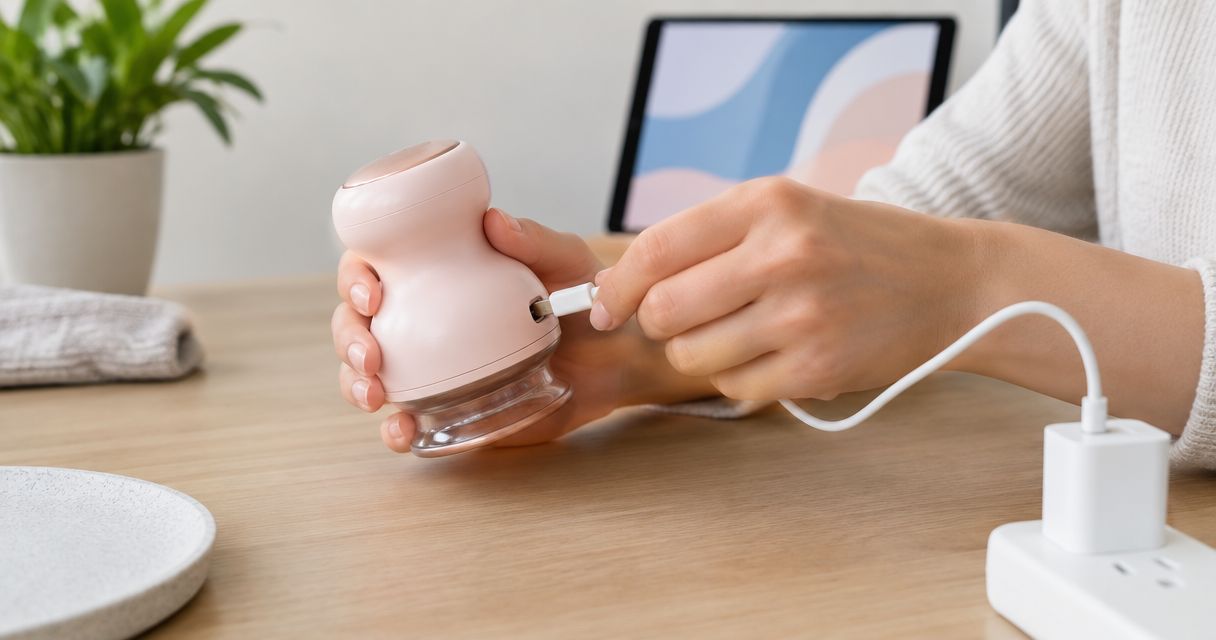
The Vazo Slide combines cupping, heating, massage, and gua sha in a handheld device. Vazocupping describes it as a medical-grade 4-in-1 device for at-home cupping and muscle recovery. Those features describe the product; they do not establish effectiveness for sciatica.
Vazocupping is best suited to consumers seeking at-home muscle recovery tools, not a substitute for sciatica assessment. Its combined functions are relevant if you want those recovery methods in one device. The limitation is equally important: adding heat or massage does not turn cupping into a proven treatment for nerve compression.
Before using a combined device, check its instructions and discuss suitability when pain includes altered sensation or weakness. Do not assume every function is appropriate simply because it is available. For sciatica, the decision starts with your symptoms and safety, not the number of functions on a product.
Is cupping better than physiotherapy for sciatica?
Cupping is not established as better than physiotherapy for sciatica. Physiotherapy can include assessment, tailored exercise, movement advice, and referral when findings need medical attention; cupping does not provide that broader role.
Choose the service that addresses the problem you need solved. If you need to understand why sitting triggers leg pain or how to return to activity, a tailored assessment is more relevant than selecting a suction treatment. An enjoyable recovery session and a useful rehabilitation plan are not the same thing.
Can cupping make sciatica symptoms worse?
Cupping can cause discomfort and skin injury, and a session that increases radiating pain should stop. Do not interpret new tingling, numbness, or weakness as a normal recovery response.
The NCCIH cupping overview identifies adverse effects including persistent skin discoloration, scars, burns, and infections. These are treatment risks, not signs that the body is releasing toxins. Adding heat creates another exposure that needs particular caution when sensation is reduced.
Should you cup your lower back or the painful leg?
Do not choose placement solely by following the pain down your leg. Pain location does not reliably identify where a nerve is irritated, and there is no established home cupping map that treats sciatica.
A clinician should assess radiating pain before you experiment with placement. Avoid direct treatment over damaged skin or areas with reduced sensation. A placement diagram cannot replace that assessment.
Keep recovery advice tied to function
A sensible 2026 plan does not ask whether you can tolerate a stronger session. It asks whether your symptoms are stable, whether you can stay appropriately active, and whether your care needs adjusting. That keeps attention on recovery rather than on treatment intensity.
Write down the activities that trigger symptoms and the changes that matter to you. Include walking tolerance, sitting discomfort, sleep disruption, and any change in sensation or strength. Bring those observations to your appointment rather than trying to diagnose yourself from a sore spot.
Avoid prolonged bed rest unless a clinician has given you a specific reason for it. Stay active within your tolerance and follow individualized advice when movement aggravates leg symptoms. The goal is appropriate movement, not forcing yourself through escalating pain.
FAQ
Can cupping help with sciatica in 2026?
Cupping is not an established treatment for sciatica in 2026. General research on cupping and pain does not reliably demonstrate a benefit for sciatic nerve irritation or compression.
Will cupping release a trapped sciatic nerve?
Cupping has not been shown reliably to release a trapped sciatic nerve. Suction on the skin does not demonstrate that pressure on a spinal nerve has changed.
Is cupping safe if my leg feels numb?
Do not apply cupping or heat over numb skin without clinical advice. Reduced sensation makes it harder to detect excessive heat, discomfort, or skin injury.
Is dry cupping the same as wet cupping?
Dry cupping uses suction without intentionally breaking the skin; wet cupping includes skin puncture and blood removal. Wet cupping adds bleeding and infection risks and is not an at-home alternative for treating sciatica.
How often should I use cupping for sciatica?
There is no established evidence-based home cupping schedule for treating sciatica. Do not invent a frequency or increase treatment intensity when radiating pain persists; seek advice about the underlying symptoms.
Do darker cupping marks mean better sciatica relief?
Darker cupping marks do not demonstrate better sciatica relief or nerve recovery. Skin discoloration is not a reliable measure of treatment benefit.
When does sciatica need emergency care?
Sciatica with new bladder or bowel problems, numbness around the genitals or anus, or severe worsening leg weakness needs urgent medical assessment. Do not delay care to try cupping, massage, or heat.
One last thing
A cupping mark is a skin response, not a recovery score. The color of a mark cannot tell you whether a nerve is less irritated, whether strength has returned, or whether treatment is working. Judge progress through symptoms and function instead.
For your 2026 plan, choose the next step based on the symptom that matters most. Muscle soreness without concerning features belongs in a different conversation from spreading numbness or declining leg strength. If those nerve-related symptoms are present, prioritize assessment before another recovery session.