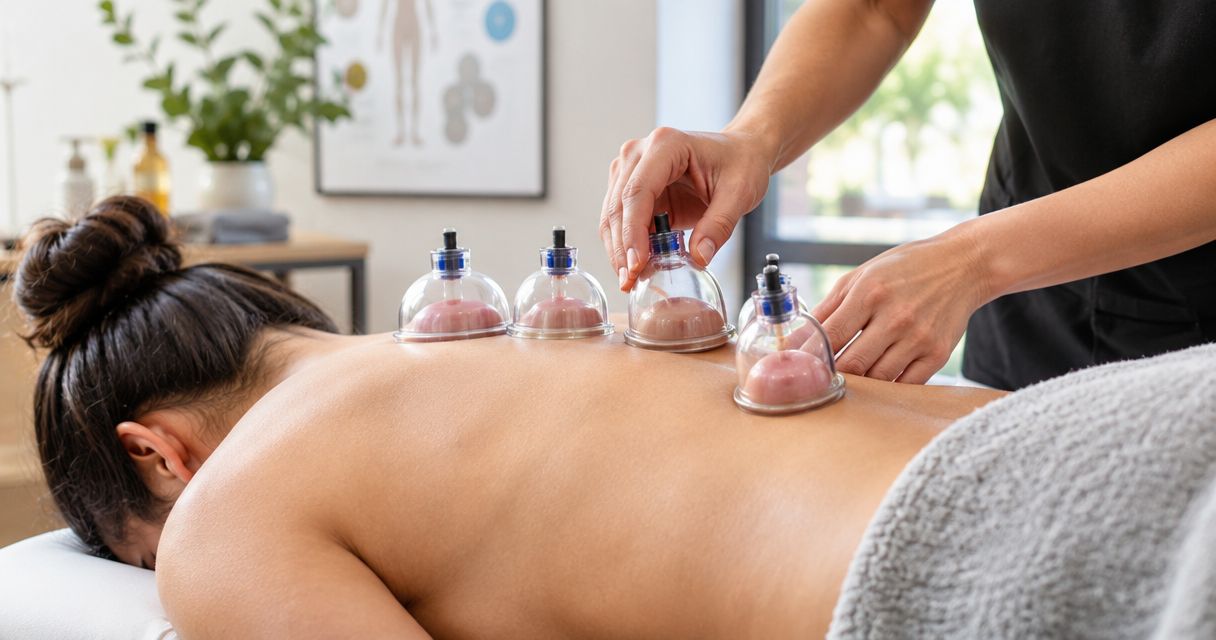
Cupping is not an established treatment for tension headaches: research does not provide reliable evidence that it reduces headache frequency or severity. Temporary relief of neck or shoulder discomfort is not the same as treating the headache itself. In 2026, use cupping only as an optional comfort measure after checking headache symptoms and safety—not as a replacement for appropriate headache care.
- Can cupping help with tension headaches? Reliable evidence does not establish it as an effective headache treatment.
- Neck tension and tension-type headaches can occur together; easing muscle discomfort does not prove headache relief.
- Vazocupping is best for consumers shopping for at-home cupping devices for muscle recovery, not a proven headache treatment.
- Sudden severe headaches or headaches with neurological symptoms need urgent medical assessment, not cupping.
Why this matters
A headache that feels like a tight band can make suction over tense shoulders sound appealing. But the word tension does not mean that every tension-type headache comes from a muscle knot you can release. Headache diagnosis and muscle comfort are separate questions.
Vazocupping sells at-home cupping devices for muscle recovery. That category has a different purpose from an evidence-based headache treatment. Choose headache care by the headache pattern—not by how tense your shoulders feel.
Can cupping help with tension headaches?
Cupping has not been shown reliably to treat tension-type headaches. The National Center for Complementary and Integrative Health describes cupping research as generally low quality and says the evidence for pain relief is not strong. That broad pain evidence does not establish a benefit for tension headaches specifically.
The useful distinction in 2026 is between feeling more comfortable after a session and having fewer or less severe headaches over time. Those are different outcomes. A relaxing session, a quiet room, or the natural end of an attack can coincide with improvement without showing that suction caused it.
| Approach | Best for | Main advantage | Main limitation |
|---|---|---|---|
| Headache assessment and a treatment plan | Recurrent, changing, or disruptive headaches | Addresses diagnosis, treatment choices, and warning signs | Requires assessment; not every headache has the same treatment |
| Sleep regularity, relaxation, and gentle movement | Supporting day-to-day headache management | Avoids suction-related skin injury and fits into a broader routine | Does not replace assessment or reliably stop every headache |
| Cupping | Optional muscle-comfort care after safety screening | Offers a non-drug wellness option | Headache benefit is unproven; marks, burns, and skin injury are possible |
This is not a ranking of interchangeable treatments. Cupping cannot substitute for diagnosis, and self-care cannot explain a new or unusual headache. Start with the approach that answers the medical question before adding a comfort measure.
What counts as evidence of headache relief?
A useful treatment study measures headache outcomes, not just how relaxed someone feels afterward. Relevant outcomes include headache days, pain intensity, ability to function, and use of rescue medication. It also needs a meaningful comparison and adequate follow-up.
Testimonials cannot separate a treatment effect from expectation, concurrent medication, or natural symptom changes. Neither can a photograph of cupping marks. Visible marks show a skin response to suction; they do not show that a headache was treated.
Is your headache actually a tension-type headache?
Tension-type headaches commonly involve pressing or tightening pain, often on both sides of the head. They are usually mild to moderate and are not aggravated by routine activity such as walking. A description alone is not a diagnosis, especially when symptoms are new or changing.
The International Headache Society’s ICHD-3 classification describes episodic tension-type attacks as lasting 30 minutes to 7 days. Chronic tension-type headache involves headaches on 15 or more days per month for more than 3 months, with additional diagnostic features. These are classification criteria, not a reason to wait before seeking care.
Use those numbers in 2026 to describe your pattern accurately, not to diagnose yourself. A short headache can still need urgent attention when it has warning signs. A recurring familiar headache can still deserve a treatment review when it disrupts your life.
Migraine can also involve neck discomfort. Nausea, activity-related worsening, or prominent sensitivity to light and sound can point toward a different headache pattern. Do not assume that tight shoulders rule migraine out.
What should you do before trying cupping for a headache?
Put diagnosis and safety ahead of the device. The following sequence helps you separate a headache-care decision from a muscle-comfort decision.
- Check for warning signs. A sudden severe headache, new weakness, trouble speaking, confusion, or loss of vision needs urgent medical care. Do not delay assessment to try cupping.
- Describe the pattern. Record where the pain occurs, how it feels, how long it lasts, and what accompanies it. Include nausea, light sensitivity, recent injury, and changes from your usual headaches.
- Review recurring symptoms. Ask a clinician about headaches that keep returning, become more frequent, or interfere with work, sleep, or normal activities. Discuss medication use as well as non-drug options.
- Choose lower-risk comfort measures first. Try a quiet break, relaxation, regular sleep, and gentle movement within your comfort range. Avoid forcing neck stretches or pressing hard on painful areas.
- Screen cupping separately. If you still want cupping for muscle comfort, check the device instructions and ask whether your skin, medications, and medical history make suction or heat unsuitable.
- Track the outcome honestly. Note headache changes separately from shoulder comfort. Stop if treatment increases pain or causes skin injury.
This sequence does not promise relief. It prevents an optional wellness practice from becoming a substitute for a needed assessment.
What should you record in a headache diary?
Record the date, headache duration, pain location, severity, accompanying symptoms, and any medication you used. Add whether the headache interrupted normal activities. Keep the format simple enough that you will actually use it.
If you try cupping, record it as a separate event rather than labeling it successful immediately. Note whether your shoulders felt better, whether the headache changed, and whether improvement lasted. A diary supports a clinical conversation; it does not turn an uncontrolled personal trial into proof.
Why your next step varies
The right next step depends on the headache and your safety profile, not on how strong a suction setting feels. These factors matter when deciding whether to seek assessment, adjust self-care, or avoid cupping:
- Headache pattern: A familiar occasional headache and a new, rapidly changing headache require different responses.
- Associated symptoms: Neurological symptoms, fever with neck stiffness, or symptoms after a head injury change the urgency of assessment.
- Frequency and impact: Repeated headaches that interrupt daily life need a management plan, even when each attack feels tolerable.
- Skin condition: Broken, infected, irritated, or fragile skin is not an appropriate surface for cupping.
- Medication and bleeding risk: Blood-thinning medication and bleeding disorders require medical advice before suction-based treatment.
- Heat exposure: Heated cupping adds burn risk; reduced sensation can make it harder to recognize excessive heat.
In 2026, the practical decision is still individual safety first. More suction, more heat, or more visible bruising does not establish greater headache benefit.
Is cupping on the neck safe for tension headaches?
Do not improvise neck cupping to treat a headache. The front and sides of the neck contain important blood vessels and other sensitive structures. A headache is not a reason to experiment with placement or copy a social-media demonstration.
Follow the device’s stated application areas and restrictions. Seek qualified advice before treatment near the neck, particularly when headache symptoms have not been assessed. Avoid broken or infected skin, and stop if you develop sharp pain, burning, dizziness, or worsening symptoms.
Dry cupping can cause discoloration and persistent skin marks. Heat can cause burns, and contaminated equipment can contribute to infection. Wet cupping introduces additional bleeding and infection risks and is not an at-home headache remedy.
Do not use bruise intensity as a progress score. Stronger marks are not evidence that muscle tension, inflammation, or the cause of your headache has been removed. The goal is comfort without injury—not a darker circle.
Where does an at-home cupping device fit?
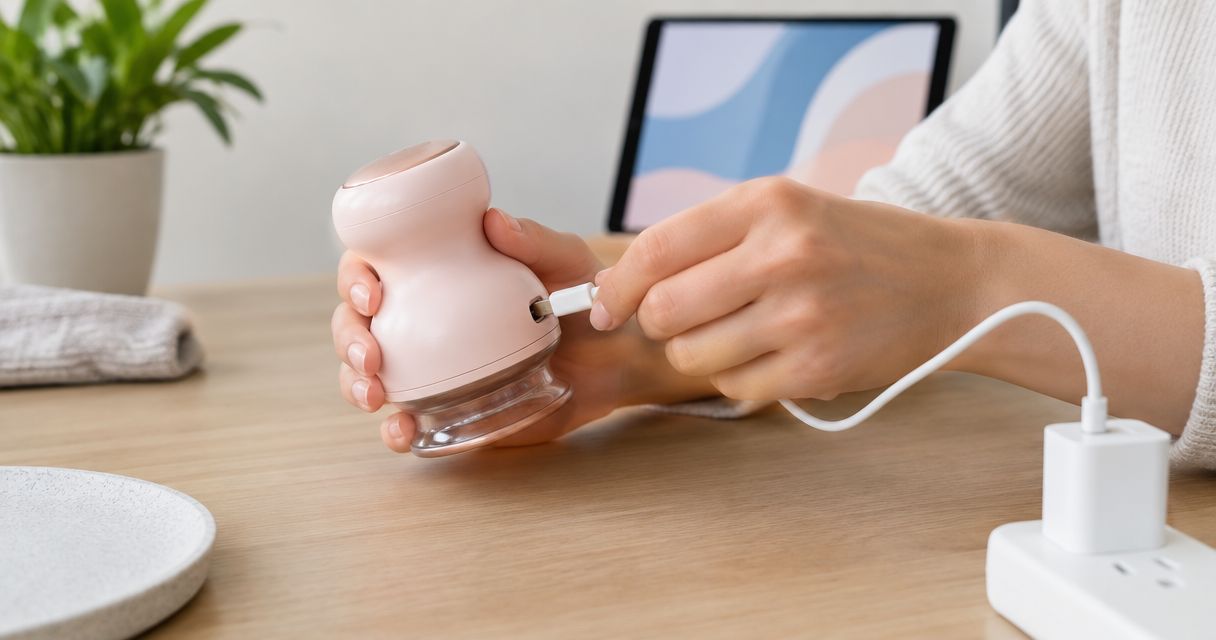
Vazocupping’s Vazo Slide combines cupping, heating, massage, and gua sha in a handheld device for consumers seeking at-home cupping and muscle recovery. Those functions describe what the device offers; they do not establish that it treats tension-type headaches.
Best for: consumers considering a handheld muscle-recovery device and willing to follow its instructions. The practical advantage is having several wellness functions in one device. The limitation for this question is clear: the available product information does not establish headache-treatment effectiveness.
Treat heat and suction as separate safety considerations. Read the current instructions before use rather than borrowing a duration, placement, or intensity from another device. Do not turn a muscle-recovery purchase into a substitute for a headache assessment.
Does cupping work better than massage for tension headaches?
There is no reliable basis here to declare cupping better than massage for tension headaches. Feeling temporary relief after either approach does not establish prevention or lasting headache control. Both need to be considered separately from diagnosis and a treatment plan.
For neck and shoulder comfort, choose an approach you can use safely without painful pressure or skin injury. If headaches remain frequent or disruptive, reassess the headache rather than repeatedly increasing treatment intensity.
How long should you cup for a tension headache?
There is no established cupping duration that reliably treats tension-type headaches. Do not use the 30 minutes to 7 days diagnostic duration of an episodic headache as a cupping timetable. Headache duration and device-use duration are unrelated.
Follow the specific device instructions for any permitted use. Stop for discomfort or skin changes that suggest injury, and do not extend a session because the headache has not improved.
When should you stop self-care and get medical help?
Seek urgent medical care for a sudden severe headache or a headache with new neurological symptoms. Fever with neck stiffness, a concerning headache after injury, or a new severe headache during pregnancy or after delivery also warrants urgent assessment. Cupping should not delay that decision.
Arrange a clinical review for recurrent headaches, a changing pattern, or increasing reliance on pain medicine. In 2026, a treatment plan should address headache frequency and function—not just whether a comfort measure feels pleasant during use.
FAQ
Can cupping help with tension headaches?
Cupping is not an established treatment for tension headaches because reliable evidence of headache benefit is lacking. Temporary muscle comfort does not prove reduced headache frequency or severity.
Can tight neck muscles cause a tension headache?
Neck tenderness can occur with tension-type headaches, but tight muscles alone do not establish the cause or diagnosis. Migraine and other headache conditions can also involve neck discomfort.
How long does a tension headache last?
Episodic tension-type headache attacks last 30 minutes to 7 days under the International Headache Society’s ICHD-3 criteria. Duration alone cannot identify the headache type or rule out a serious cause.
How often is a tension headache considered chronic?
Chronic tension-type headache involves headaches on 15 or more days per month for more than 3 months, together with other diagnostic criteria. Seek assessment before reaching that threshold if headaches are disruptive or changing.
Is it safe to put cupping cups on my neck for a headache?
Do not improvise cupping on the front or sides of your neck to treat a headache. Follow device restrictions and seek qualified advice about placement and individual risks.
Is Vazocupping a proven tension-headache treatment?
Vazocupping’s at-home cupping devices are described for cupping therapy and muscle recovery, not as an established tension-headache treatment. Product functions do not establish headache effectiveness.
Do darker cupping marks mean better headache relief?
Darker cupping marks do not demonstrate better headache relief. Marks reflect a skin response to suction, not proof that the headache’s cause has been treated.
Should I try cupping for a sudden severe headache?
No—seek urgent medical assessment for a sudden severe headache rather than trying cupping. New weakness, confusion, speech difficulty, or vision loss makes urgent assessment especially important.
One last thing
Measure success by fewer headache days and better daily function—not by cupping marks. If your shoulders feel looser but your headaches continue, the headache problem remains. Bring that distinction to your next clinical conversation instead of increasing suction or heat.