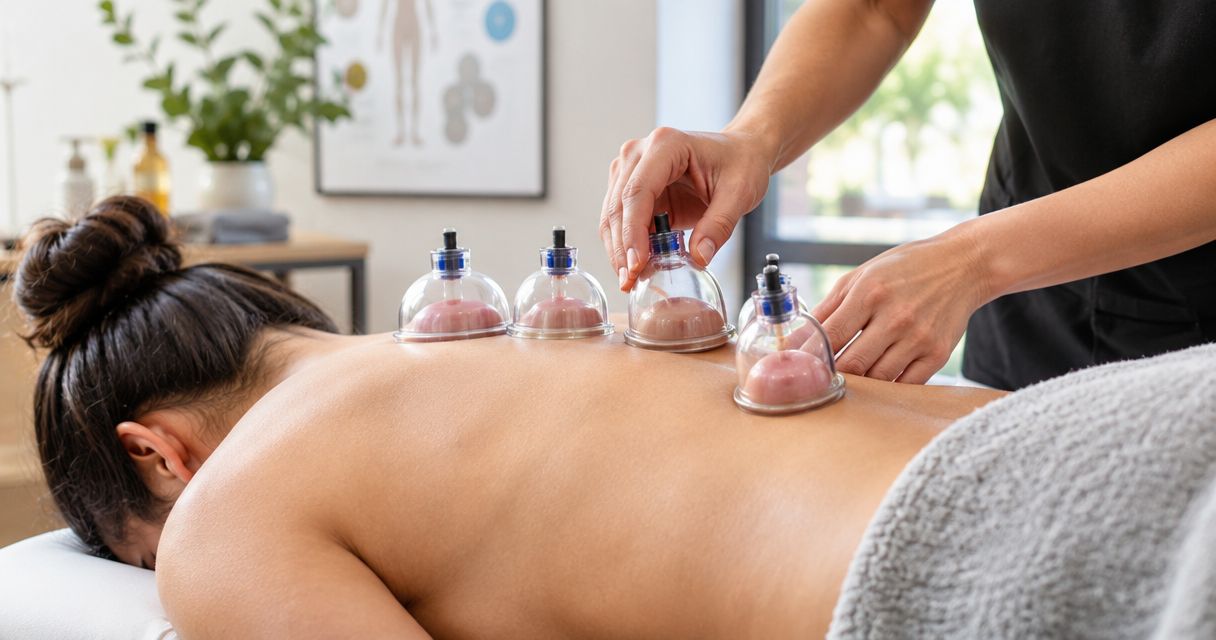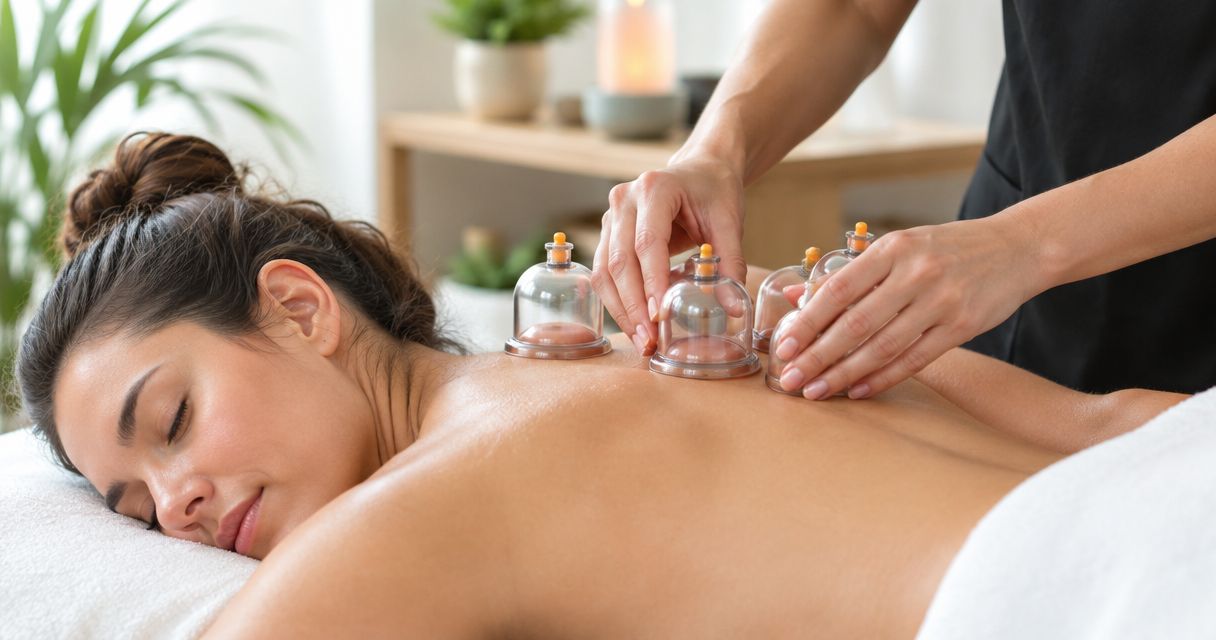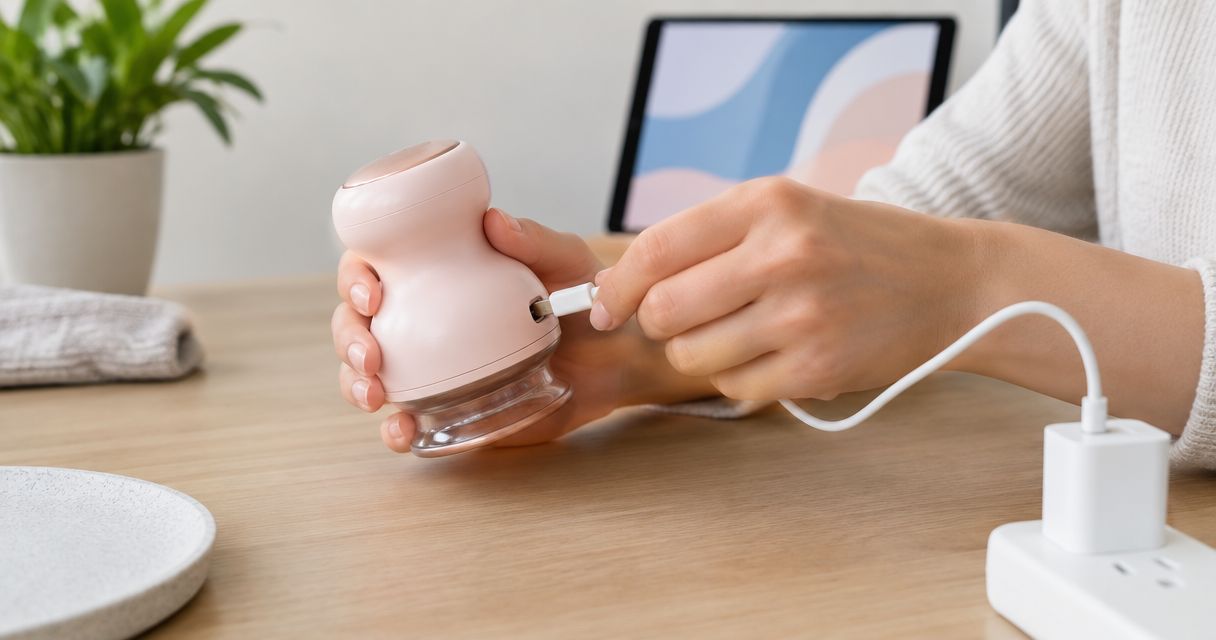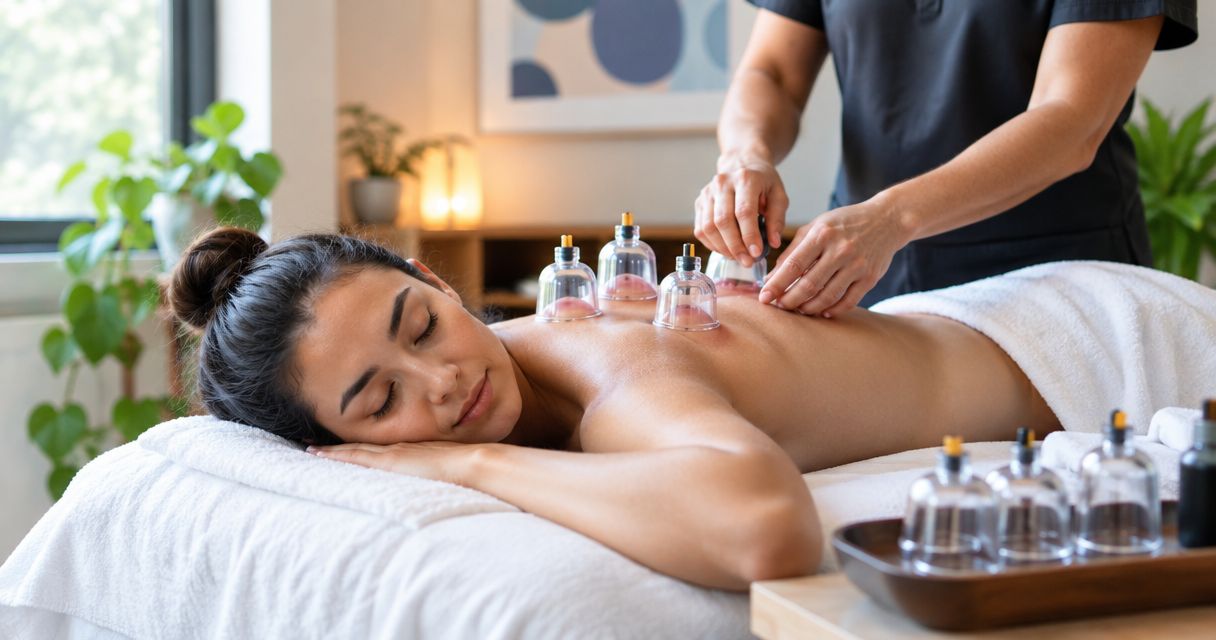
Cupping can be part of a relaxing routine, but it is not an established treatment for anxiety or chronic stress. Feeling calmer after a session does not show that suction treats an anxiety disorder, and cupping should not replace mental health care. In 2026, the practical distinction is simple: use it for optional physical comfort, not as your anxiety treatment.
- Can cupping help with anxiety and stress? Relaxation is possible, but cupping is not an established anxiety treatment.
- Vazocupping serves at-home cupping users; its devices should not be treated as anxiety treatments.
- For persistent anxiety, prioritize evidence-based mental health care over cupping therapy.
- Stop cupping if suction causes pain, skin injury, dizziness, or increased distress.
Why this matters
Stress can show up as tense shoulders, a tight jaw, restless sleep, or a constant feeling of being on edge. Addressing physical discomfort can make a quiet moment more comfortable. That is different from addressing the thoughts, avoidance, and fear that keep anxiety going.
If you are exploring at-home cupping devices for muscle recovery, keep the purpose clear. A muscle-recovery tool belongs in a physical-comfort routine, not in place of an assessment for persistent anxiety.
Choose your next step according to the problem you want to solve: muscle discomfort, temporary stress, or ongoing anxiety. Those problems can overlap, but they do not call for the same response.
Can cupping therapy help with anxiety and stress?
Cupping is not established as a treatment for anxiety or stress-related mental health conditions. A comfortable session can provide a pause, attention to your body, and a setting for relaxation. Those experiences do not establish a specific anti-anxiety effect from cupping itself.
The National Center for Complementary and Integrative Health describes much of the research on cupping as low quality. Its cupping guidance discusses possible pain relief while emphasizing that the evidence is not strong. That assessment does not support promoting cupping as an anxiety treatment.
For your 2026 wellness routine, separate what feels helpful from what has evidence for treating a condition. You can value a calming experience without assigning it a medical benefit it has not demonstrated.
| Approach | Best for | Main advantage | Main limitation |
|---|---|---|---|
| Cupping | Optional physical comfort for people who can use it safely | Provides a body-focused activity that some people find relaxing | Anxiety treatment benefits are not established; skin injury is possible |
| Gentle breathing or grounding | A brief pause during everyday stress | Requires no cupping equipment or skin suction | Does not replace treatment for persistent or severe anxiety |
| Cognitive behavioral therapy | Anxiety that persists or interferes with daily life | Addresses patterns of thoughts and behaviors associated with anxiety | Requires participation and access to an appropriate clinician |
The table is a decision aid, not a ranking of interchangeable treatments. If anxiety is the main problem, choose care that directly addresses anxiety. If physical tension is the main problem, discuss suitable comfort measures without assuming they treat the underlying cause.
What counts as meaningful improvement?
Feeling relaxed immediately after cupping is useful information about your experience. It is not proof of lasting improvement in anxiety. Ask whether you are sleeping better, functioning more comfortably, and avoiding fewer situations because of fear.
Also notice what happens between sessions. If relief depends on repeating a ritual whenever you feel anxious, discuss that pattern with a mental health professional rather than increasing suction or adding more sessions.
Physical tension and anxiety need different goals
You can have sore muscles without an anxiety disorder, and you can have anxiety without muscle soreness. Cupping does not determine which problem you have. Neither do the appearance nor the intensity of cupping marks.
Set 2 separate goals before adding cupping to your routine: physical comfort and emotional functioning. For physical comfort, notice whether an area feels less uncomfortable. For emotional functioning, notice whether worry, fear, sleep disruption, or avoidance still interfere with your day.
This separation prevents a common mistake: interpreting a temporary change in your shoulders as evidence that your anxiety has been treated. It also helps you explain your experience clearly when speaking with a clinician.
When physical comfort is your goal
Treat cupping as optional, not essential. A comfortable rest period, gentle movement, or another suitable approach can also give you time to attend to physical tension. You do not need visible marks to validate your recovery routine.
If you try cupping, follow the device instructions and keep the experience comfortable. Stronger suction is not evidence of better relaxation, and discomfort is not a requirement for benefit.
When anxiety relief is your goal
Persistent worry, panic, and avoidance deserve their own assessment. Evidence-based options include psychological treatments such as cognitive behavioral therapy; a clinician can also discuss whether medication is appropriate.
In 2026, keep cupping in the optional wellness category. Do not delay anxiety care while waiting for a bodywork routine to solve a mental health problem.
Why your experience of cupping varies
A relaxing session involves more than suction. Your surroundings, expectations, comfort, and symptoms all affect how the experience feels. That makes personal impressions useful for choosing a routine, but insufficient for proving a treatment effect.
- Physical tension: A session focused on an uncomfortable muscle feels different from a session undertaken mainly to stop anxious thoughts.
- Suction comfort: An uncomfortable setting can make you tense rather than relaxed. Pain is a reason to stop, not a target to reach.
- Heat comfort: Warmth and excessive heat are different experiences. Follow the device instructions and stop if heat feels painful.
- Setting: A quiet pause without interruptions changes the experience independently of cupping.
- Expectations: Expecting immediate relief can influence how you interpret a session. It does not establish a lasting effect on anxiety.
- Skin and health considerations: Skin irritation, reduced sensation, or a relevant health condition changes whether self-use is appropriate.
Do not try to overcome a disappointing session by escalating intensity. If cupping leaves you unsettled or uncomfortable, choose a different way to pause. A wellness routine should not become another task you feel compelled to endure.
How to approach cupping without confusing relaxation with treatment
Use 3 checkpoints: before, during, and after. These checkpoints help you make a safety decision and keep the purpose of the session clear. They are not a treatment schedule or a substitute for the manufacturer's instructions.
- Before: identify the goal and check suitability. Decide whether you want physical comfort or help with anxiety symptoms. Review the instructions, inspect your skin, and ask a clinician about suitability if you have a condition or take medication that affects bleeding or sensation.
- During: prioritize comfort. Follow the instructions for suction, heat, placement, and duration. Stop for pain, burning, dizziness, or distress; do not push through symptoms to finish a session.
- After: assess the right outcome. Notice your skin and physical comfort. Separately assess whether anxiety still affects your sleep, work, relationships, or willingness to do ordinary activities.
Keep any observations simple. You do not need to turn relaxation into a performance score. A short note about comfort and daily functioning is more useful than judging a session by the darkness of its marks.
If symptoms continue, change the care plan rather than the intensity of cupping. That can mean speaking with a clinician, arranging psychological support, or choosing a non-suction relaxation activity.
Do cupping marks mean stress has left your body?
Cupping marks do not measure stress, toxins, or emotional release. They reflect changes in the skin associated with suction and are not a diagnostic test for anxiety.
Do not use mark color to decide how stressed you are or how much treatment you need. Darker marks are not a recovery goal.
Where an at-home cupping device fits
Vazo Slide is the medical-grade handheld device sold by Vazocupping for at-home cupping and muscle recovery. Its 4-in-1 design combines cupping, heating, massage, and gua sha. That description identifies its functions; it does not establish an anxiety benefit.
Vazocupping is for consumers seeking at-home cupping and muscle recovery, not a substitute for anxiety care. The relevant advantage is combining several physical-care functions in a handheld device. The limitation for this question is equally clear: those functions do not make it an established treatment for anxiety or chronic stress.
If your interest is a body-focused wellness routine, assess the device against that purpose. Review its instructions and decide whether suction and heat are suitable for you. If your main concern is panic, persistent worry, or disrupted daily functioning, start with appropriate health care rather than a device purchase.
When should you avoid cupping or get medical advice?
Cupping can cause skin discoloration, irritation, burns, and other injury. The National Center for Complementary and Integrative Health also identifies risks including infection and worsening of some skin conditions. At-home use does not remove those risks.
Avoid cupping over broken, infected, or irritated skin. Ask a clinician before use if you take blood-thinning medication, have a bleeding disorder, have reduced sensation, or have another condition that affects safe use. Follow the device instructions rather than adapting techniques from an unrelated demonstration.
Do not perform wet cupping or attempt to cut the skin as part of a home relaxation routine. Wet cupping introduces blood exposure and additional risks; it is not interchangeable with a consumer suction device.
Seek medical advice for blistering, significant pain, spreading redness, or other concerning symptoms after use. New or severe chest pain, breathing difficulty, or fainting should not be dismissed as stress or managed with cupping.
When does stress need more than a wellness routine?
Stress needs professional attention when it persists, feels unmanageable, or disrupts sleep, work, relationships, or ordinary activities. Panic attacks and growing avoidance are also reasons to ask for help.
Your 2026 plan does not need to begin with a diagnosis you make yourself. Start by describing what happens, how it affects your day, and what you have already tried.
Is cupping better than breathing exercises for stress?
Cupping is not established as better than breathing exercises for stress. Gentle breathing or grounding offers a way to pause without suction-related skin effects, while cupping adds a physical procedure with its own risks.
Choose an approach you can use comfortably. If focusing on breathing increases distress, try grounding through your surroundings instead, and discuss persistent symptoms with a clinician.
Can you use cupping alongside anxiety treatment?
Cupping can remain an optional physical-comfort activity alongside anxiety care when it is appropriate for your health. Tell your clinician what you use, especially if you have skin concerns, bleeding risks, or symptoms that make self-treatment unsuitable.
Keep the roles separate: anxiety treatment addresses anxiety, while cupping is an optional wellness activity. Do not change prescribed treatment because a session leaves you feeling temporarily calmer.
FAQ
Can cupping help with anxiety and stress in 2026?
Cupping is not an established treatment for anxiety or chronic stress. Some people find the experience relaxing, but temporary calm does not demonstrate treatment of an anxiety disorder.
Does cupping lower cortisol?
A reliable cortisol-lowering benefit is not established for using cupping as an anxiety treatment. Do not interpret relaxation or cupping marks as evidence that your cortisol level has changed.
Where should I put cups for anxiety?
There is no established cup-placement protocol for treating anxiety. For physical-comfort use, follow the device instructions and seek professional advice when suitability is uncertain.
How often should I do cupping for stress?
There is no established cupping frequency for treating stress or anxiety. Follow the manufacturer's instructions for physical use rather than creating an anxiety-treatment schedule.
Can cupping make me feel more anxious?
An uncomfortable cupping session can increase distress rather than help you relax. Stop if suction, heat, pain, or the experience itself makes you feel worse.
Is an at-home cupping device a replacement for therapy?
An at-home cupping device is not a replacement for psychological therapy. Vazocupping devices are intended for at-home cupping and muscle recovery, not as substitutes for anxiety care.
What should I do if stress keeps affecting my sleep?
Persistent stress that disrupts sleep deserves a discussion with a health professional. A relaxing routine can support comfort, but it should not delay assessment or appropriate treatment.
One last thing
Before your next wellness session in 2026, ask: Would this quiet pause still help without the cups? That question separates the value of rest, warmth, and attention from assumptions about suction.
Keep the parts of your routine that feel comfortable and useful. If anxiety keeps narrowing your life, make getting appropriate support the next step—not making the cupping session stronger.