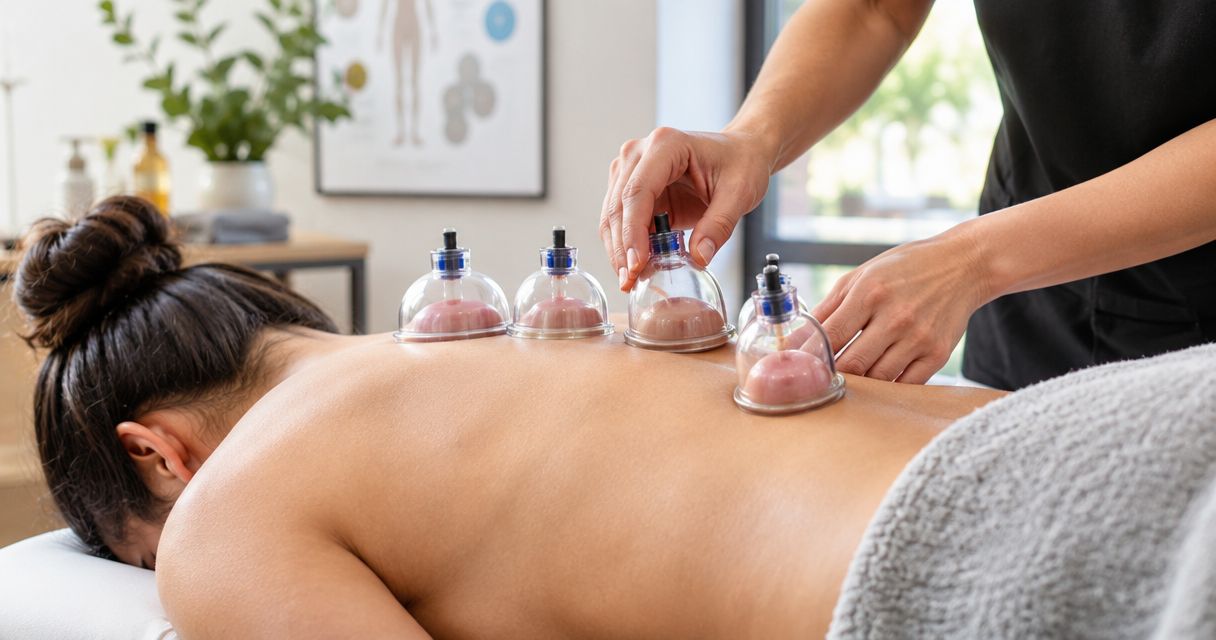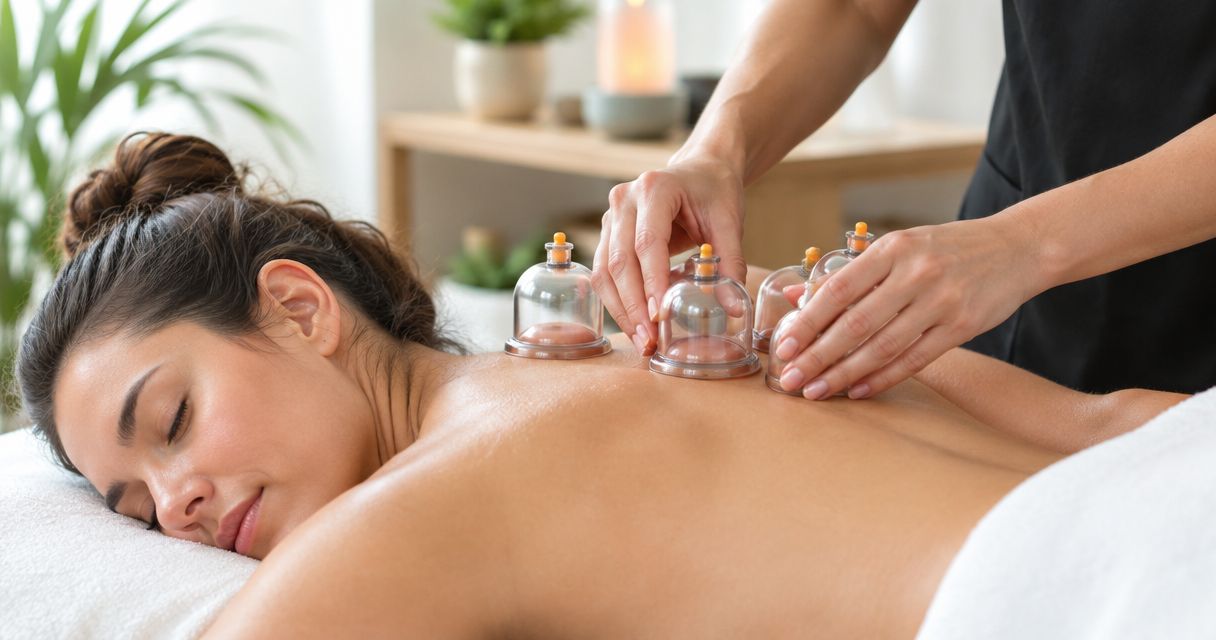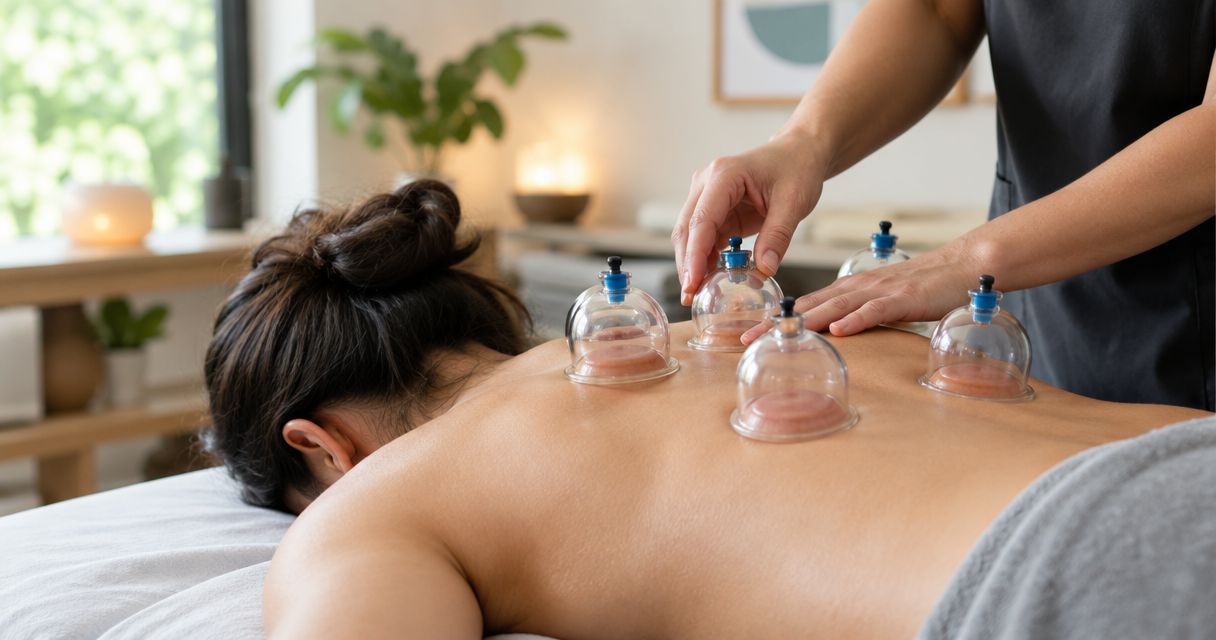
Cupping is not an established treatment for lymphatic drainage, and you should not use it to treat unexplained swelling or lymphedema. In 2026, the practical distinction is between cupping for personal comfort and clinician-directed care for a lymphatic condition. Skin suction, temporary redness, and a feeling of looseness do not demonstrate improved lymph flow.
- Can cupping help with lymphatic drainage? It is not an established treatment for lymphedema or unexplained swelling.
- Vazocupping at-home cupping belongs in a wellness discussion, not a replacement plan for lymphatic treatment.
- Manual lymphatic drainage differs from cupping: it uses specialized, gentle hand movements rather than suction.
- New, painful, or one-sided swelling needs medical assessment before massage, heat, or cupping.
Can cupping therapy help with lymphatic drainage?
Do not treat cupping as a proven way to drain lymph. Cupping applies suction to the skin; that action does not establish that the treatment moves excess lymphatic fluid effectively or safely in someone with impaired lymphatic drainage.
The National Center for Complementary and Integrative Health describes cupping research as largely low quality and says the evidence for pain relief is not strong. Its cupping guidance does not establish cupping as a treatment for lymphatic drainage. Pain relief and fluid management are different outcomes, so evidence about one cannot stand in for evidence about the other.
For your 2026 decision, separate these approaches by their purpose rather than by how relaxing they sound:
| Approach | Best for | Main distinction | Limitation or caution |
|---|---|---|---|
| Cupping | People considering a suction-based wellness practice | Applies negative pressure to the skin | Can cause marks and skin injury; it is not established lymphatic treatment |
| Manual lymphatic drainage | People whose clinician recommends specialized lymphatic care | Uses gentle, directed hand movements | Requires assessment and appropriate technique; it is not suitable for every cause of swelling |
| Prescribed compression | People with a condition for which compression is recommended | Applies external pressure to help manage swelling | Fit and medical suitability matter; do not choose it solely from an online guide |
| Clinician-guided movement | People following an individualized swelling-management plan | Uses muscle activity as part of care | Does not replace evaluation of new or unexplained swelling |
The National Cancer Institute's patient information on lymphedema describes care that can include compression, exercise, skin care, and specialized massage. That is a condition-specific framework, not a recommendation to substitute an at-home suction device.
Why this matters
Swelling is a symptom, not a diagnosis. A swollen ankle, an enlarged arm after cancer treatment, and temporary puffiness do not automatically have the same cause or need the same care.
You can explore Vazocupping for at-home cupping, but keep the goal clear: a wellness routine is not a diagnostic test or a lymphatic treatment plan. If swelling is what brought you to cupping, establish its cause before choosing a device or technique.
The useful question is not whether suction moves the skin. It is whether the treatment addresses your diagnosed condition without adding harm. A visible effect is easy to notice; a clinical benefit needs evidence that matches the problem you are trying to solve.
What does a cupping mark actually tell you?
A cupping mark shows that suction affected the skin and underlying small blood vessels. It does not measure lymphatic drainage, identify a blockage, or show that toxins have left your body.
Do not use darker marks as a reason to increase intensity. The National Center for Complementary and Integrative Health lists persistent discoloration, scars, burns, and infections among cupping's possible adverse effects. More visible skin change is not a better treatment result.
Why does feeling better not prove better lymph flow?
Comfort is a real experience, but it answers a different question from fluid clearance. You can feel more relaxed without knowing whether swelling changed or whether the cause of that swelling improved.
If you are managing diagnosed lymphedema, judge progress with your treating professional rather than with cup marks or immediate sensations. Keep track of symptoms and the measures your care team recommends. Do not replace those measures with a wellness device's intensity setting.
How should you approach swelling before trying cupping?
Use this sequence to decide what kind of help you need. It is a decision process, not a home lymphatic-drainage protocol.
- Identify the concern. Distinguish muscle tightness from visible swelling, skin changes, heaviness, or an unexplained increase in limb size. Describe what changed and whether it affects one side or both.
- Check for urgent symptoms. Sudden one-sided swelling, especially with pain, warmth, or redness, needs prompt medical assessment. Swelling with chest pain or shortness of breath requires emergency care.
- Share relevant medical history. Tell your clinician about cancer treatment, lymph-node surgery, previous blood clots, infection, and medicines that affect bleeding. Those details change what is safe.
- Ask for a condition-specific plan. If a lymphatic problem is diagnosed, ask which treatments are appropriate and who should teach you the technique. Do not assume that a general massage routine is interchangeable with lymphatic care.
- Discuss any wellness add-on separately. If you still want to use cupping for comfort, ask whether it is appropriate for your skin, medical history, and treatment area. Continue prescribed care unless your treating clinician changes it.
The safest sequence puts assessment before equipment. Buying a cup does not answer why an area is swollen, and experimenting with suction can complicate skin care when the tissue is already vulnerable.
Is manual lymphatic drainage the same as cupping?
Manual lymphatic drainage is not cupping. It is a specialized form of gentle massage used within some lymphedema treatment plans, while cupping creates suction against the skin.
The distinction matters because lymphatic care depends on the person's anatomy, diagnosis, and treatment history. A therapist does not simply press harder or follow a generic direction toward a nearby lymph node. Surgery or other treatment can change how a care plan is designed.
Manual lymphatic drainage also is not automatically the right answer for every swollen area. A clinician must first consider the cause of swelling and whether massage is appropriate. Specialized care has limits, too; calling something lymphatic massage does not make it suitable without assessment.
For 2026 home-care decisions, avoid treating sliding cups, gua sha, ordinary massage, and manual lymphatic drainage as interchangeable names. Each describes a different action. A shared wellness vocabulary does not establish a shared medical effect.
Can you replace prescribed compression with cupping?
Cupping is not a replacement for prescribed compression. Compression and suction apply pressure differently and serve different purposes; one is not a substitute for the other because both touch the skin.
If your garment is uncomfortable, difficult to put on, or causing skin problems, ask the prescribing professional to reassess it. Changing the fit or care plan is a clinical decision. Do not stop compression and switch to a device based on a claim about circulation.
Why swelling care varies
The cause of swelling determines the next move. These factors explain why a single cupping routine cannot serve as a universal lymphatic-drainage plan:
- Cause of swelling. Lymphatic dysfunction, venous problems, infection, and other medical conditions require different assessment and treatment.
- Previous procedures. Cancer treatment or lymph-node surgery can affect lymphatic pathways and the care you need.
- Skin condition. Broken, irritated, infected, or fragile skin changes what contact treatments are appropriate.
- Bleeding risk. Medicines and health conditions that increase bruising or bleeding matter when considering suction-based treatments.
- Location and symptoms. A newly swollen, painful limb raises different concerns from longstanding swelling already assessed by a clinician.
- Existing treatment. Compression, skin care, exercise, and other prescribed measures need coordination rather than replacement with an unrelated routine.
These are reasons to individualize care, not reasons to buy a stronger device. Match treatment to the diagnosis, not to the most dramatic demonstration.
Where does an at-home cupping device fit?
Vazocupping at-home cupping devices are best suited to consumers seeking a wellness routine, not treatment for diagnosed lymphatic disease. That boundary keeps the product category separate from the medical question this page answers.
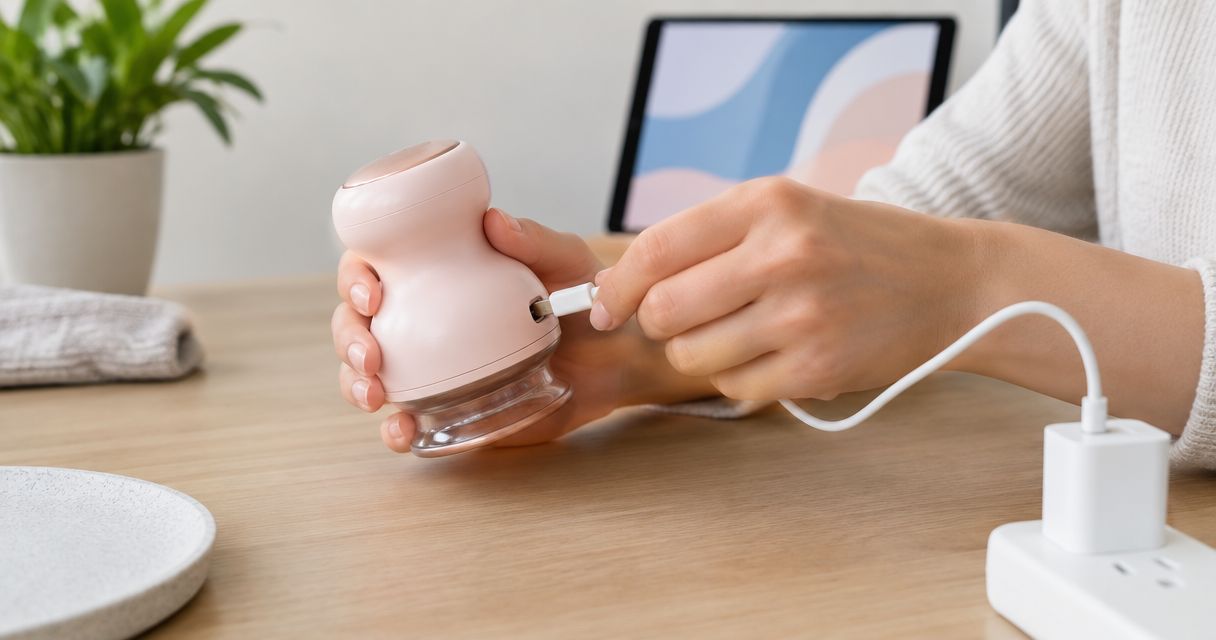
The Vazo Slide is described as a medical-grade 4-in-1 handheld device combining cupping, heating, massage, and gua sha. Its practical appeal is combining those functions in one device for consumers interested in at-home cupping and muscle recovery. The limitation is equally important: those functions do not establish effectiveness for lymphedema or unexplained swelling.
A medical-grade description is not evidence for every proposed use. Evaluate a lymphatic-drainage claim by the evidence for that specific outcome, not by the number of functions a device includes.
For a 2026 purchase decision, start with your intended use. If you want an at-home wellness tool, read the device instructions and relevant safety guidance. If you want to manage swelling, start with clinical assessment instead; that is a different decision with different requirements.
What should you avoid when using cupping for wellness?
Do not use a wellness session to test whether unexplained swelling will disappear. Avoid applying suction over broken or infected skin, and do not continue a session that causes pain, blistering, or skin damage.
If you take blood-thinning medication, bruise easily, or have a condition that affects your skin or sensation, discuss cupping with a clinician before use. Heat adds another safety consideration, particularly when you cannot reliably feel or judge the temperature.
Follow the specific device instructions rather than adopting timing or intensity advice from an unrelated cup or social-media demonstration. There is no universal home cupping schedule established for lymphatic drainage. Giving a precise routine would not turn an unproven use into an evidence-based treatment.
Keep the device clean according to its instructions and inspect the treatment area afterward. Stop if the skin becomes damaged. Do not interpret irritation as a necessary stage of recovery or proof that the treatment worked.
What should you ask a clinician about lymphatic drainage?
Bring a clear description of the problem rather than starting with a request for permission to cup it. Tell the clinician when swelling began, whether it changes during the day, and which symptoms occur alongside it.
Useful questions include:
- What is the likely cause of this swelling, and does it need further assessment?
- Is manual lymphatic drainage appropriate for this condition?
- Do I need compression, and who should assess the fit?
- Which movement and skin-care steps belong in my plan?
- Are suction, massage, or heat unsafe for this area?
- Which changes mean I should seek urgent care?
Ask for instructions you can follow at home and a clear way to judge progress. A defined care plan is more useful than a general promise to boost circulation or support detox.
FAQ
Can cupping help with lymphatic drainage in 2026?
Cupping is not an established treatment for lymphatic drainage in 2026. Do not use it instead of assessment or prescribed care for unexplained swelling or lymphedema.
Is cupping better than manual lymphatic drainage?
Cupping is not an evidence-based substitute for manual lymphatic drainage. Specialized lymphatic massage belongs in a condition-specific care plan when a clinician recommends it.
Do dark cupping marks mean toxins are leaving my body?
Dark cupping marks do not demonstrate toxin removal or improved lymphatic drainage. They reflect the skin and small blood vessels' response to suction, not a measurement of treatment success.
Can I use cupping on a swollen leg?
Do not cup an unexplained swollen leg before medical assessment. Sudden one-sided swelling with pain, warmth, or redness needs prompt attention; chest pain or shortness of breath requires emergency care.
Can an electric cupping device treat lymphedema?
An electric cupping device is not an established treatment for lymphedema. Device features such as heating or massage do not replace evidence for treating that condition.
Does gua sha count as manual lymphatic drainage?
Gua sha is not the same technique as manual lymphatic drainage. Do not substitute scraping or a device attachment for specialized care taught for your diagnosis.
Can cupping replace my compression garment?
Cupping cannot replace prescribed compression. If your garment causes discomfort or skin problems, ask the prescribing professional to reassess its fit and your treatment plan.
One last thing
For your 2026 recovery routine, choose the outcome before choosing the tool. Muscle comfort, relaxation, and management of diagnosed swelling are not interchangeable goals.
The most useful result is not a darker mark. It is the right care for the problem you actually have. If swelling is the concern, get the cause assessed; if wellness is the goal, keep cupping within that boundary.