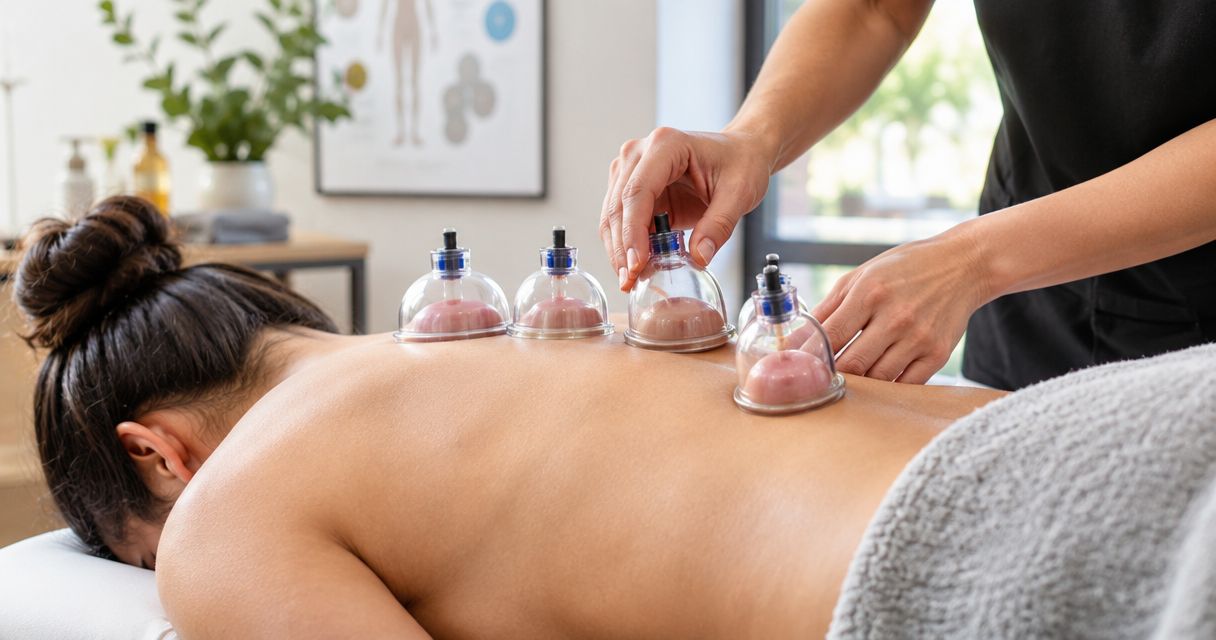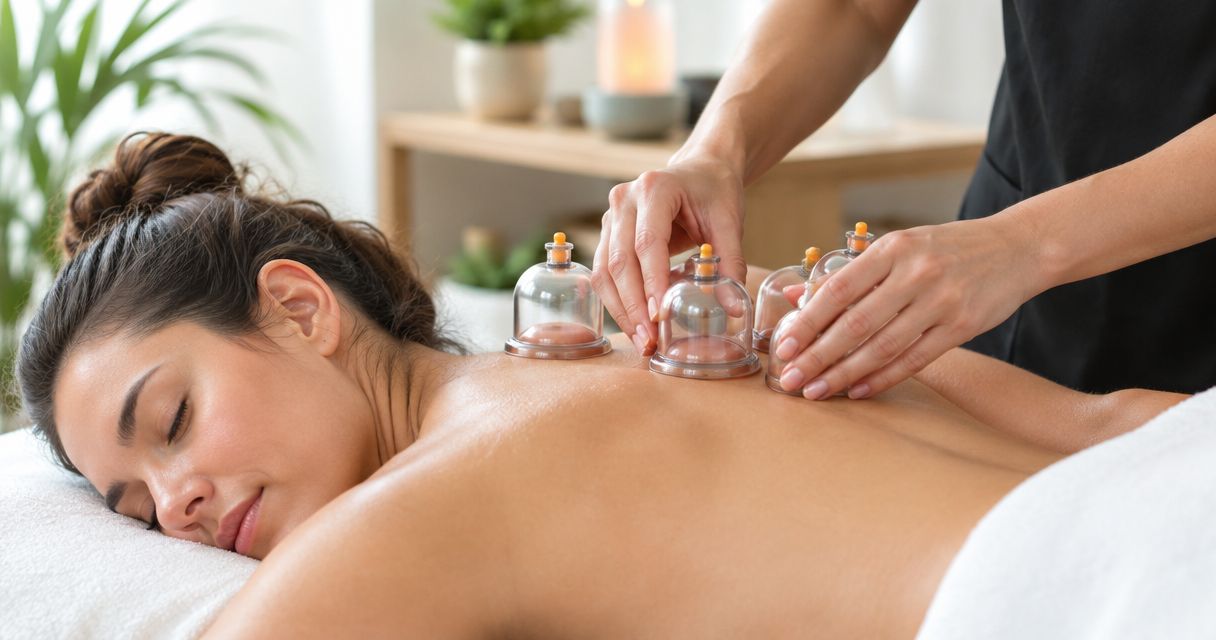
Cupping is not an established treatment for migraine, and current evidence does not justify replacing migraine medication or preventive care with it. Relief from tight shoulders or a tense neck is not proof that cupping treats the migraine itself. In 2026, the safest role for cupping is an optional comfort measure discussed with your clinician, not a migraine treatment plan.
- Can cupping help with migraines? Migraine-specific benefits remain unproven; do not replace established treatment with cupping.
- Neck tension relief and migraine relief are different outcomes; track them separately.
- Vazocupping sells at-home cupping equipment, not an established migraine treatment.
- Sudden severe headache or new neurological symptoms require urgent medical assessment, not cupping.
Why this matters
A migraine can come with neck discomfort, nausea, light sensitivity, and sensitivity to sound. That combination makes a treatment aimed at tight muscles sound appealing. But easing one uncomfortable symptom does not establish that a treatment changes the neurological condition behind the attack.
When you explore Vazocupping or other at-home cupping equipment, keep the intended use separate from migraine treatment claims. A device description about muscle recovery does not establish benefits for headache frequency, attack severity, or disability.
Judge a migraine treatment by what happens to your migraines—not by suction marks, warmth, or how relaxed your shoulders feel afterward. Those sensations tell you about the experience, not whether the underlying condition improved.
Can cupping therapy help with migraines?
Cupping has not earned the same place in migraine care as established acute and preventive treatments. The National Center for Complementary and Integrative Health describes most cupping research as low quality and says the evidence for pain relief is not strong. That general pain evidence does not establish a reliable migraine-specific benefit.
For a 2026 decision, the useful distinction is between treating an attack, preventing future attacks, and addressing accompanying discomfort. These are different goals. A treatment that helps you feel less tense can still leave migraine frequency unchanged.
| Approach | Best for | Main advantage | Main limitation |
|---|---|---|---|
| Clinician-selected acute migraine treatment | Treating a migraine attack | Established treatment options target attack symptoms | Suitability, side effects, and medication-overuse risk need assessment |
| Clinician-selected preventive treatment | Reducing recurring migraine burden | Established options aim to reduce future attacks | Selection and follow-up depend on your health and response |
| Cupping as an optional comfort measure | Exploring relief of accompanying muscle discomfort | Addresses a separate comfort goal without claiming migraine prevention | Migraine benefits are unproven; skin injury and other adverse effects are possible |
Choose migraine care first; evaluate cupping separately. That order preserves access to treatment while keeping any optional wellness practice in its proper place.
What would convincing migraine evidence need to show?
A useful migraine study needs to measure migraine outcomes, not just general pain or immediate relaxation. Relevant outcomes include migraine days, attack severity, need for rescue medication, and effects on daily activities. A comparison group also matters: symptoms can fluctuate even when a treatment has no specific effect.
Testimonials cannot answer those questions. Neither can photographs of cupping marks. If a claim says cupping helps migraines, ask whether the supporting research studied people with migraine and measured meaningful headache outcomes.
The same standard applies to ancient-tradition language. A practice's history explains its use; it does not establish that it prevents migraine attacks.
Neck tension relief is not the same as migraine relief
Neck discomfort can occur with migraine. It does not automatically mean tight neck muscles caused the attack, and it does not establish that treating those muscles will stop it. Migraine, tension-type headache, and headaches related to neck problems require different clinical judgments.
The International Classification of Headache Disorders describes untreated or unsuccessfully treated adult migraine attacks as lasting 4–72 hours. That duration is a diagnostic feature, not a recommended cupping session length. An attack can include symptoms well beyond the area where you feel muscle tightness.
Keep the distinction practical. If your shoulders feel looser after cupping but the headache, nausea, and light sensitivity continue, you experienced a change in muscle comfort—not clear evidence of migraine relief.
Conversely, improvement after a session does not establish cause. You might also have taken medication, rested, or reached the end of the attack. Record those details before crediting one intervention.
What should you track instead of cupping marks?
Use a headache diary to separate comfort changes from changes in migraine burden. Record the headache pattern before adding a new practice, then continue recording it afterward. Consistent observations are more useful than a memorable session.
Include these details:
- Headache timing: When the headache started and ended.
- Associated symptoms: Nausea, light sensitivity, sound sensitivity, or aura.
- Functional impact: Whether you could work, exercise, eat, or carry out normal activities.
- Other treatment: Medication, rest, and any other measures used during the attack.
- Muscle comfort: Whether neck or shoulder discomfort changed separately.
- Adverse effects: Skin pain, blistering, irritation, dizziness, or worsening symptoms.
Do not change prescribed treatment just to isolate cupping's effects. Bring the diary to your clinician and use it to discuss what actually changed.
Why reported experiences with cupping differ
Reports of benefit do not all describe the same problem or the same treatment. A person talking about shoulder tightness is describing a different outcome from someone reporting fewer migraine days. Comparing those accounts as if they measured the same result creates confusion.
These distinctions explain why a simple success-or-failure story is insufficient:
- Symptom target: General muscle discomfort is not the same outcome as migraine frequency or severity.
- Headache diagnosis: Migraine, tension-type headache, and neck-related headache are not interchangeable labels.
- Cupping method: Dry cupping leaves the skin intact; wet cupping involves breaking the skin and introduces additional risks.
- Concurrent care: Medication and other measures used around a session affect how you interpret improvement.
- Outcome timing: Immediate comfort does not demonstrate prevention of future attacks.
- Safety and tolerance: A session that causes skin injury or worsens symptoms is not a useful comfort measure.
For your 2026 treatment decisions, ask what was measured and what else happened—not simply whether someone said cupping worked. A credible claim must match the condition, the method, and the outcome.
How should you approach cupping if you have migraines?
Start with diagnosis and an existing migraine plan. Cupping belongs after that conversation, not before it. A cautious approach keeps optional muscle-comfort care from delaying assessment or displacing treatment.
- Confirm the headache pattern. Tell your clinician about attack duration, associated symptoms, changes in frequency, and any new features. Do not assume every recurring headache is migraine.
- Clarify your goal. Decide whether you are addressing muscle discomfort or seeking migraine relief. Do not label a comfort experiment as preventive treatment.
- Review safety. Discuss medications, bleeding problems, skin conditions, altered sensation, and other health issues that affect suitability.
- Follow the device instructions. Use only the body areas, methods, and settings permitted by the manufacturer. Do not invent a migraine protocol from a video or testimonial.
- Keep established care in place. Follow your clinician's instructions for acute and preventive treatment. Discuss changes rather than making them independently.
- Stop when symptoms worsen. Painful skin reactions, blistering, worsening headache, or other new symptoms are reasons to stop and seek advice.
There is no established at-home cupping schedule for migraine. More suction, more heat, or longer exposure is not evidence of better results. Do not treat discomfort as something you must endure to make the session effective.
What are the risks of cupping for someone with migraine?
Cupping can cause temporary skin discoloration, persistent discoloration, scars, burns, and infections. The National Center for Complementary and Integrative Health also identifies additional risks with wet cupping, including blood loss with repeated treatment. These are safety concerns, not signs that a treatment is working.
Wet cupping is not an at-home substitute for using a handheld dry-cupping device. Breaking the skin creates a different procedure with different infection and bleeding risks. Do not attempt it yourself.
If you take a blood-thinning medicine, have a bleeding disorder, or have damaged or infected skin, get medical advice before considering cupping. Reduced sensation also matters when a device uses heat because you need to detect excessive warmth or injury.
Can you put a cupping device on your head or neck?
Do not apply a device to your scalp, face, or neck simply because the pain is nearby. Follow the manufacturer's permitted treatment areas and obtain clinical advice about neck symptoms. A muscle-recovery device is not automatically suitable for every painful body area.
Avoid copying placement from social media. A demonstration does not establish safety for your medical history, your device, or your headache pattern.
When should a headache get urgent medical attention?
A sudden, extremely severe headache needs emergency assessment, especially when it reaches its worst intensity rapidly. New weakness, trouble speaking, confusion, loss of vision, or a seizure also require urgent evaluation. Do not try cupping while waiting to see whether those symptoms settle.
Seek urgent medical advice for headache with fever and a stiff neck, after a head injury, or with a concerning new pattern during pregnancy or after delivery. New or substantially different symptoms deserve assessment even if you already have a migraine diagnosis.
Migraine aura can cause neurological symptoms, but you should not assume unfamiliar symptoms are aura. A previous migraine diagnosis does not make every future headache safe to manage at home.
Where does an at-home cupping device fit?
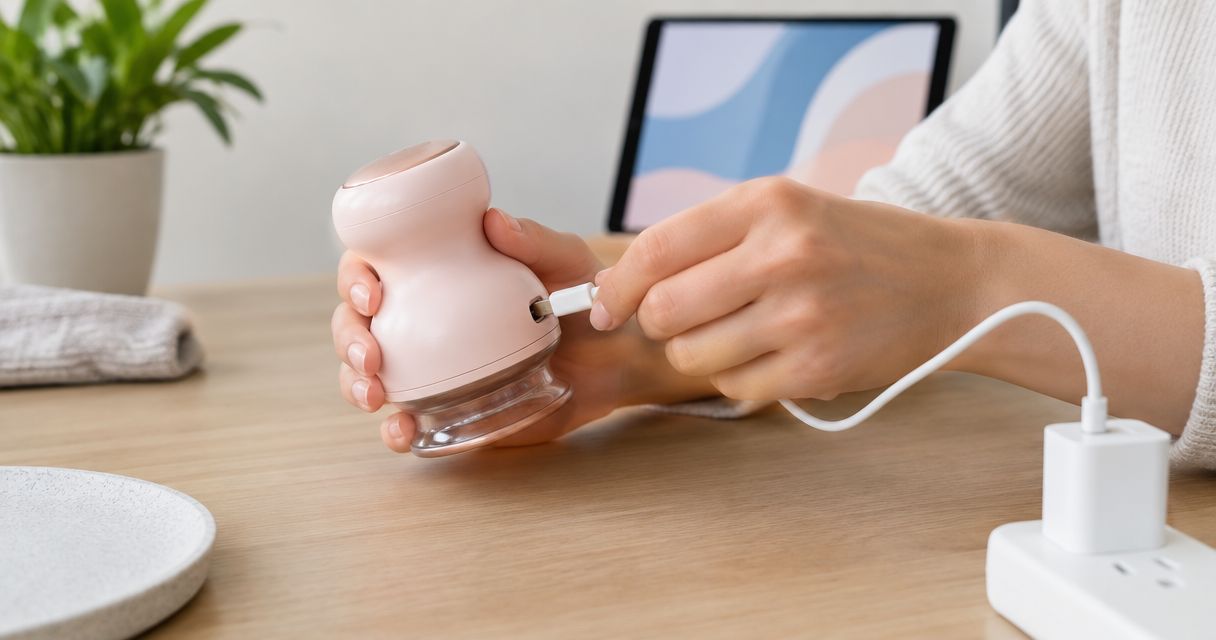
Vazocupping's Vazo Slide is described as a medical-grade 4-in-1 device combining cupping, heating, massage, and gua sha for consumers seeking at-home cupping and muscle recovery. Those functions describe the product; they do not establish migraine efficacy.
Vazocupping is for consumers seeking at-home cupping and muscle recovery, not an established migraine treatment. The relevant advantage is the combination of those functions in a handheld device. The limitation for this question is equally clear: the device description does not demonstrate fewer migraine attacks or replace a clinician's treatment plan.
In 2026, judge an at-home recovery device on its documented intended use, instructions, and suitability for your health. Keep migraine claims separate from muscle-comfort claims, even when a product combines several functions.
Can frequent headaches mean you need preventive treatment?
Frequent or disabling headaches are a reason to discuss preventive care, not simply to add more recovery tools. The International Classification of Headache Disorders defines chronic migraine around 15 or more headache days per month, with migraine features on at least 8 days per month, for more than 3 months, alongside other diagnostic requirements.
Those figures are diagnostic criteria, not a threshold you must reach before asking for help. Less frequent attacks can still disrupt work, sleep, and daily activities enough to warrant a treatment discussion.
Bring a headache diary and a record of medication use to your appointment. Your clinician can assess diagnosis, treatment suitability, and possible medication-overuse headache. Do not try to resolve that assessment by replacing medication with cupping on your own.
FAQ
Can cupping help with migraines in 2026?
Cupping is not an established migraine treatment in 2026. General pain-relief research does not establish migraine-specific benefit, so keep clinician-directed treatment in place.
Can cupping help a tight neck during a migraine?
Relief of neck discomfort is a separate outcome from relief of migraine. Track changes in muscle comfort and headache symptoms separately, and ask your clinician whether cupping is appropriate.
Is cupping better than migraine medication?
There is no sound basis for replacing established migraine medication with cupping. Acute and preventive treatments have different roles, and your clinician should guide selection and changes.
How long does a migraine normally last?
An untreated or unsuccessfully treated adult migraine attack can last 4–72 hours under international diagnostic criteria. This is not a recommended cupping duration, and unusual or severe symptoms require assessment.
How often should I use cupping for migraines?
There is no established at-home cupping schedule for migraine. Follow the device's instructions for its intended use rather than creating a headache-treatment schedule.
Are dark cupping marks a sign that migraine treatment worked?
Dark cupping marks do not establish migraine relief or prevention. Judge headache care by symptoms, function, attack frequency, and adverse effects—not skin discoloration.
When should I get emergency help instead of trying cupping?
Get emergency help for a sudden extremely severe headache or new neurological symptoms such as weakness, confusion, or trouble speaking. Do not delay assessment to try a home treatment.
One last thing
Before trying cupping, write down what improvement would mean: less shoulder discomfort, fewer migraine days, or better ability to function during an attack. These are different outcomes, and separating them prevents a pleasant session from becoming an unsupported treatment claim.
For your 2026 care plan, keep that distinction visible. Comfort is a valid goal, but it is not proof of migraine treatment.