Cupping is not a proven treatment for plantar fasciitis, and evidence does not establish that it heals the plantar fascia or provides lasting relief. For your 2026 recovery plan, treat cupping as an optional comfort measure—not a replacement for plantar fascia stretching, appropriate footwear, activity adjustments, or clinical assessment.
- Can cupping help with plantar fasciitis? Lasting benefit is not established; prioritize rehabilitation over suction.
- Vazocupping offers at-home cupping equipment, not an established treatment for plantar fasciitis.
- Plantar fascia stretching and appropriate loading address recovery more directly than cupping marks.
- Avoid self-treatment when heel pain follows an injury or comes with numbness, swelling, or broken skin.
Can cupping therapy help with plantar fasciitis?
Cupping has not earned a place as a first-line treatment for plantar fasciitis. The National Center for Complementary and Integrative Health describes the research on cupping as mostly low quality. Evidence suggesting pain relief in some conditions does not establish that suction treats plantar fasciitis specifically.
If you are comparing at-home cupping devices for muscle recovery, separate device features from treatment evidence. A device's ability to produce suction or heat does not demonstrate that it repairs the tissue beneath your heel.
Plantar fasciitis care focuses on reducing aggravating loads, improving foot and calf flexibility, and restoring your tolerance for standing and walking. Clinical practice guidance published in the Journal of Orthopaedic & Sports Physical Therapy supports plantar fascia and calf stretching, manual therapy, and selected additional treatments. It does not establish home cupping as a substitute for rehabilitation.
| Option | Best for | Main advantage | Main limitation |
|---|---|---|---|
| Cupping | Someone considering an optional comfort measure after assessment | Provides a suction-based treatment without skin puncture when using dry cupping | Lasting plantar fasciitis benefit is not established; bruising and skin injury are possible |
| Plantar fascia and calf stretching | People following a plantar fasciitis rehabilitation plan | Recommended in clinical practice guidance | Requires an appropriate technique and regular practice |
| Activity and footwear adjustments | People whose heel pain increases with standing, walking, or exercise | Helps reduce aggravating demands on the foot | Does not replace assessment or a full rehabilitation plan |
| Foot orthoses | People advised to add support to other treatments | Can be used alongside other care | Clinical guidance does not recommend orthoses as an isolated treatment |
| Night splints | People with consistent first-step pain who receive clinical advice | Holds the foot in a position intended to limit overnight shortening | Can be uncomfortable and is not necessary for everyone |
The practical verdict for 2026 is simple: start with the options supported by plantar fasciitis guidance. Add cupping only if it fits your clinician's advice and does not aggravate your symptoms.
Why this matters
Heel pain changes how you walk, exercise, and get through the day. When your first steps hurt, a treatment that promises immediate relief becomes appealing. But feeling better briefly and recovering your ability to load the foot are different outcomes.
Do not let temporary comfort become permission to overload a painful heel. If a treatment makes your foot feel better but your walking tolerance keeps declining, your recovery plan needs reassessment.
Also, not every painful heel is plantar fasciitis. Nerve irritation, a stress fracture, or another condition requires a different approach. A device cannot confirm the diagnosis, and circular marks cannot tell you whether the underlying problem is improving.
What does cupping actually change?
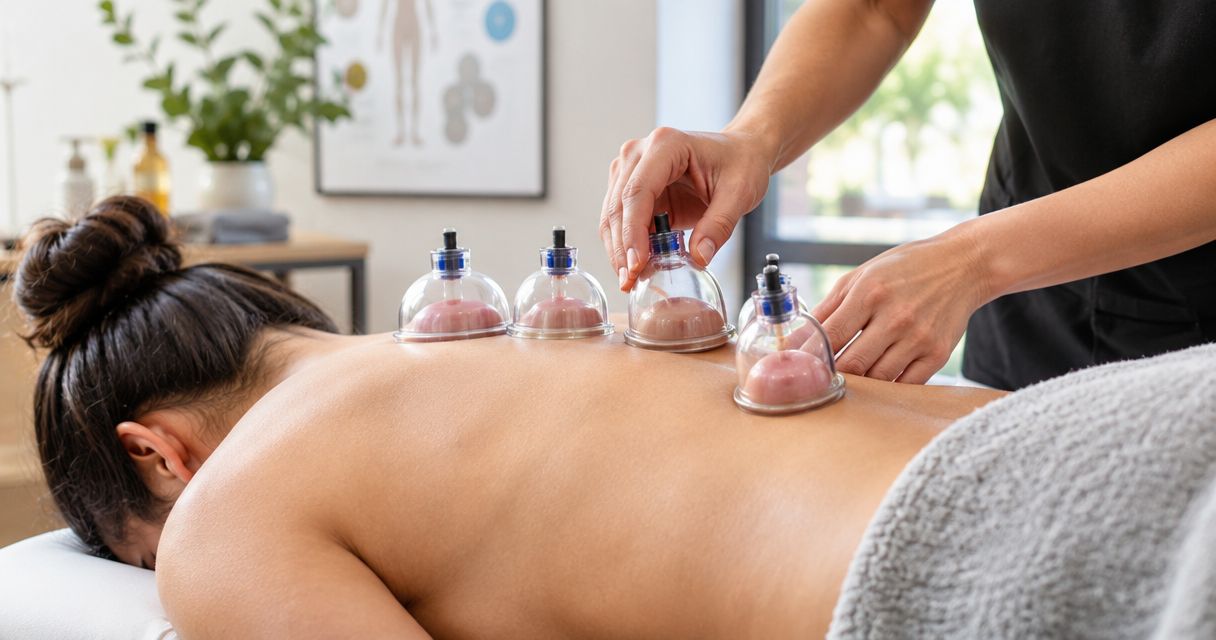
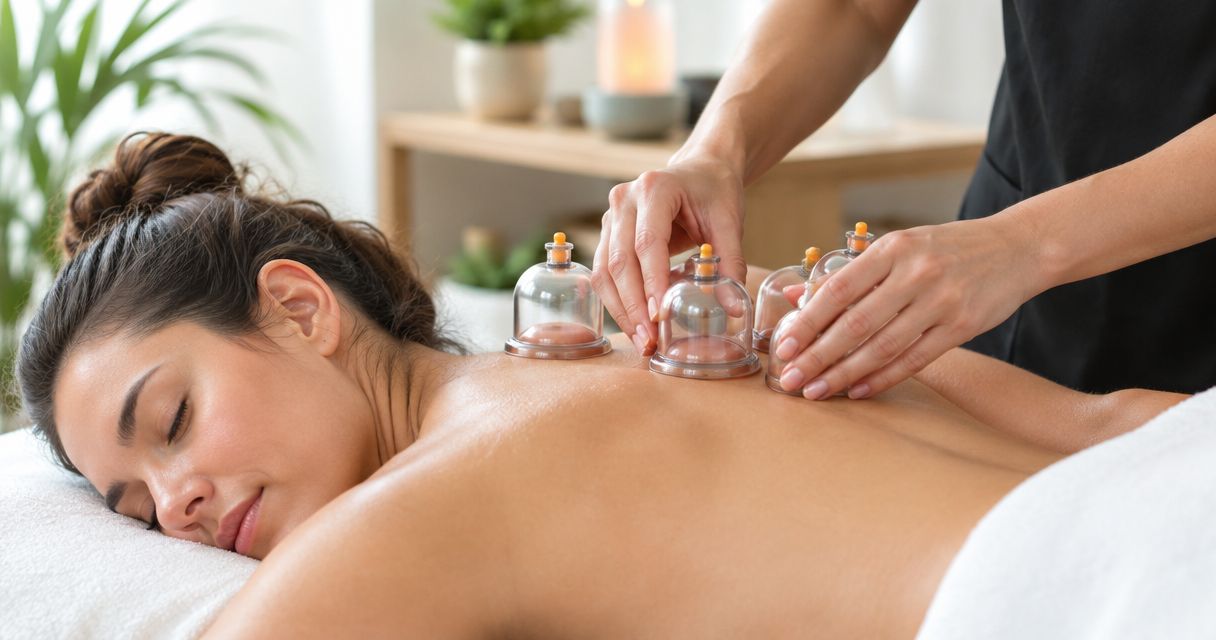
Dry cupping applies suction to the skin without deliberately breaking it. Wet cupping involves skin puncture and blood removal; it is not an appropriate home experiment. The distinction matters because the risks and hygiene requirements are different.
Suction affects superficial tissues. That does not mean it releases a damaged plantar fascia, removes a heel spur, or reverses the reason your foot hurts. Claims about removing toxins or proving healing through darker marks are not a sound basis for treatment decisions.
A clinician can discuss cupping as part of symptom management, but the useful question is not whether the skin changes color. It is whether treatment helps you perform meaningful activities without a subsequent increase in pain.
For your 2026 treatment decisions, keep that distinction clear: a visible response to suction is not evidence of tissue repair. The same applies to warmth, tingling, or a feeling of looseness after treatment.
Is cupping the same as manual therapy?
Cupping is not interchangeable with the manual therapy recommended in plantar fasciitis guidance. Manual therapy includes clinician-selected techniques directed at relevant joints and soft tissues, within a broader treatment plan.
Evidence for that category does not automatically validate every suction device or home technique. A recommendation for hands-on care is not a recommendation to apply a cup directly to your painful heel.
What should you do before trying cupping?
Use the following sequence to keep symptom relief separate from recovery. These steps help you make a treatment decision; they are not instructions for applying a device to the sole of your foot.
- Check the diagnosis. Get assessed if the pain is new, worsening, follows an injury, or does not fit your previous diagnosis. Tell the clinician about numbness, swelling, and changes in your ability to bear weight.
- Identify the aggravating activity. Note whether standing, walking, running, or a recent increase in activity brings on symptoms. Adjust that demand rather than repeatedly treating the pain while leaving the trigger unchanged.
- Build the rehabilitation plan. Ask about plantar fascia stretching, calf stretching, strengthening, footwear, and whether additional support is appropriate. Choose actions you can repeat consistently.
- Screen for cupping risks. Discuss medications, skin conditions, reduced sensation, and circulation problems before applying suction or heat. Check the device instructions for permitted treatment areas and contraindications.
- Agree on a meaningful outcome. Track an activity that matters to you, such as your first steps after getting out of bed or a usual walk. Stop any optional treatment that worsens symptoms or injures the skin.
A familiar 0–10 pain scale can help you describe symptoms consistently: 0 means no pain and 10 means the worst pain imaginable. Use the same scale and activity when comparing days, but do not interpret a small score change as proof that cupping caused improvement.
Sleep, exercise, footwear, and other treatments can change symptoms too. Record those changes alongside your pain rating so a clinician can interpret the pattern.
Why the response to cupping varies
Cupping does not have a reliable plantar fasciitis response you can predict from a device setting. These factors affect the safety of a trial and the usefulness of your observations:
- The actual diagnosis: Pain from a nerve problem or stress injury should not be managed as routine plantar fasciitis.
- Skin condition: Broken, irritated, infected, or fragile skin makes suction inappropriate over the affected area.
- Sensation and circulation: Reduced sensation can prevent you from recognizing excessive heat or pressure; circulation problems require clinical advice.
- Medication and bleeding risk: Anticoagulant use or a bleeding disorder requires a discussion with your clinician before cupping.
- Concurrent treatment: Stretching, footwear changes, and activity adjustments make it difficult to attribute improvement to suction alone.
- Ongoing load: Continuing an aggravating activity can undermine symptom management, regardless of how your foot feels immediately after treatment.
None of these factors supports increasing suction until you see a darker mark. More bruising is not a better result. Treatment intensity should never become a test of how much discomfort you can tolerate.
What belongs in a plantar fasciitis recovery plan?
The strongest next move is a plan matched to your symptoms and daily demands. That often includes plantar fascia-specific stretching and calf stretching, with strengthening and load adjustments selected by a qualified clinician.
Clinical practice guidance recommends night splints for 1–3 months for people who consistently have pain with their first steps in the morning. That recommendation is not a universal instruction to buy a splint: fit, comfort, and your symptom pattern matter.
Foot orthoses are another possible addition, not the whole plan. The same guidance advises against using them as an isolated treatment for short-term pain relief. Support works within a treatment strategy rather than replacing it.
In 2026, use this decision rule: choose a treatment because it fits the diagnosis and helps restore function, not because it produces a dramatic sensation. Ask your clinician what improvement to expect, how to judge it, and when persistent pain requires another assessment.
Where does an at-home cupping device fit?
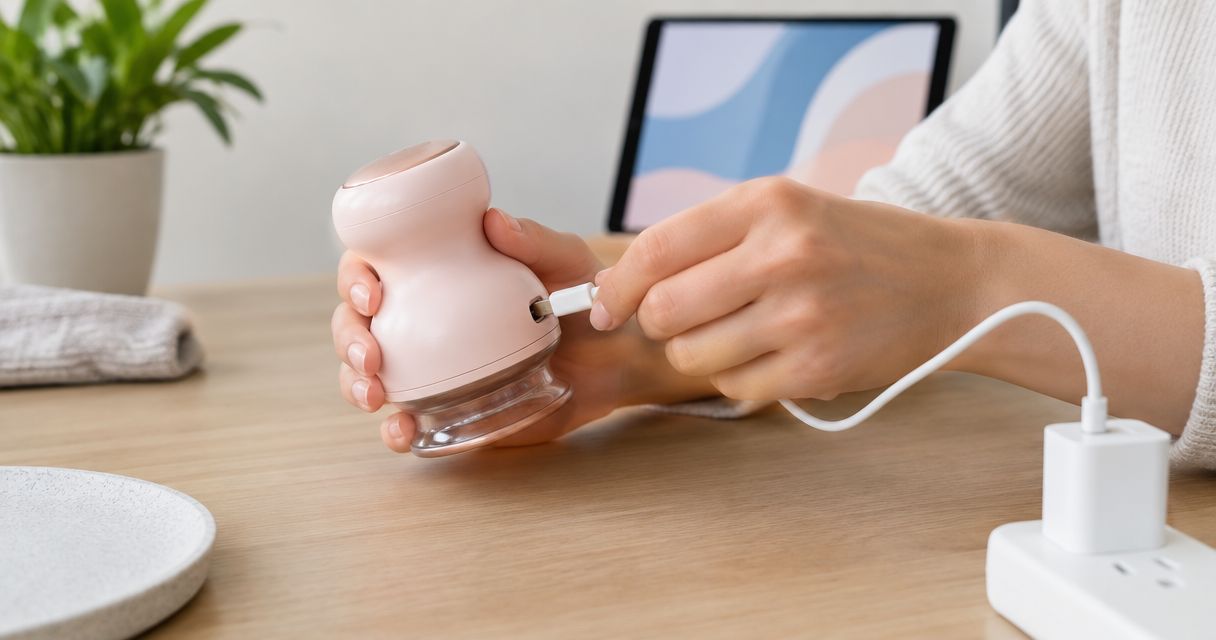
Vazocupping is best suited to consumers seeking at-home cupping equipment, not a proven plantar fasciitis treatment. Its Vazo Slide is described as a medical-grade 4-in-1 handheld device combining cupping, heating, massage, and gua sha.
The practical advantage is having those functions in one handheld device. The limitation is equally important: that feature list does not establish a plantar fasciitis benefit or confirm that every function is appropriate for the sole of your foot.
Do not interpret the medical-grade description as evidence that the device heals plantar fasciitis. Before using any handheld cupping device around a painful foot or calf, check its instructions and ask a clinician whether the location and technique are suitable for you.
Adding heat deserves particular caution if you have reduced sensation. A comfortable sensation elsewhere on the body does not establish that the same setting is safe on another area.
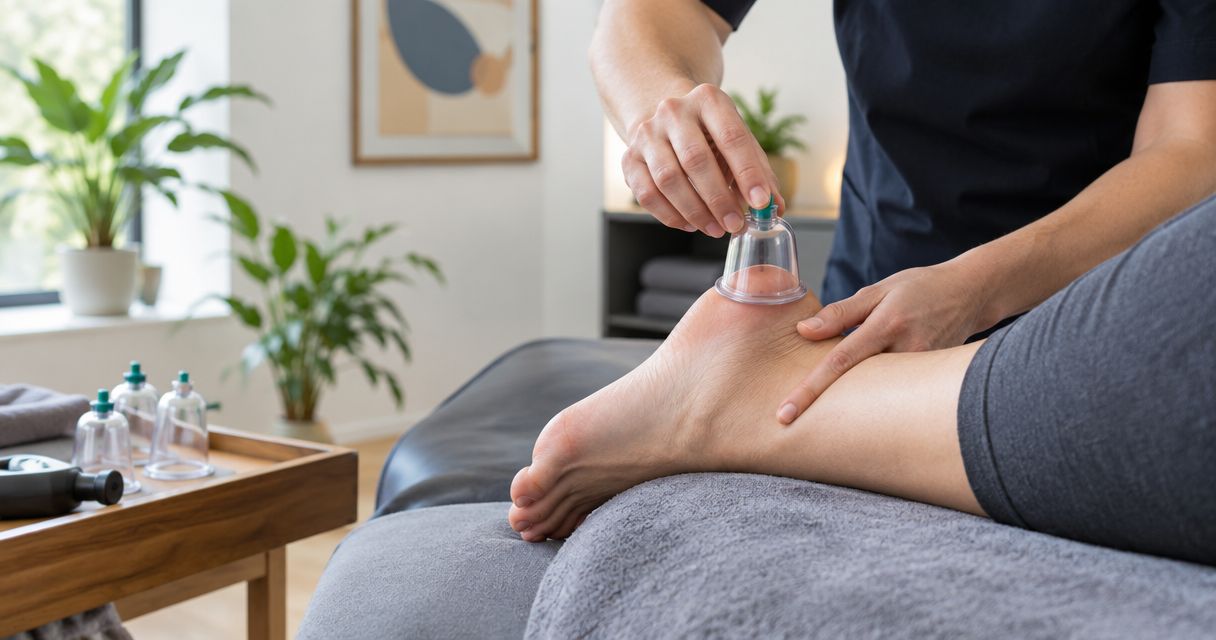
Should you cup the bottom of your foot?
Do not assume the painful sole is an appropriate place for home cupping. Device instructions and a clinical assessment—not the location of the pain—should determine whether treatment is suitable.
The foot's contours, skin condition, and your ability to feel heat or pressure matter. Avoid improvising a seal, increasing suction to make a cup stay attached, or continuing through sharp pain.
Treating a nearby area is not automatically a solution either. Calf discomfort and plantar heel pain can coexist, but applying suction to the calf does not establish that you are treating the cause of the heel pain.
Can cupping marks show whether your plantar fascia is healing?
Cupping marks cannot show whether your plantar fascia is healing. They are skin effects of suction, not a measure of tissue repair or a diagnostic test.
Judge your 2026 recovery by function: how your first steps feel, whether your usual activities are becoming more tolerable, and whether your clinician finds progress. A mark's darkness gives you none of that information.
When should you stop self-treatment and get help?
Seek prompt medical assessment if you cannot bear weight, have severe pain after an injury, or develop substantial swelling. Redness with warmth, fever, a wound, or spreading skin changes also needs medical attention rather than cupping.
Numbness, burning, or loss of sensation warrants assessment. If you have diabetes, poor circulation, or a history of foot wounds, get individual advice before applying suction or heat to your feet.
Persistent or worsening pain deserves reassessment even without an emergency sign. Do not keep adding treatments to an unconfirmed diagnosis.
FAQ
Can cupping help with plantar fasciitis in 2026?
Cupping is not an established treatment for plantar fasciitis in 2026. Lasting benefit is not proven, so prioritize a diagnosis and a rehabilitation plan rather than relying on suction.
Is cupping better than stretching for plantar fasciitis?
Cupping does not have the guideline support that plantar fascia and calf stretching have. Stretching belongs within a treatment plan tailored to your symptoms and activity demands.
Can I use a cupping device directly on my heel?
Do not assume a cupping device is suitable for direct use on your heel. Check its instructions and ask a clinician about the treatment area, particularly if you have reduced sensation or circulation problems.
Does a darker cupping mark mean better healing?
A darker cupping mark does not mean better healing. Skin discoloration does not measure plantar fascia repair or show that the cause of your heel pain has been treated.
How long are night splints recommended for plantar fasciitis?
Clinical practice guidance recommends 1–3 months of night splints for people with consistent first-step morning pain. Ask a clinician whether that recommendation fits your symptoms and whether you can tolerate the splint.
Is the Vazocupping device a treatment for plantar fasciitis?
Vazocupping offers at-home cupping equipment, but the supplied product information does not establish it as a treatment for plantar fasciitis. Device functions are not proof of diagnosis-specific benefit.
When should I see someone about heel pain instead of trying cupping?
Seek assessment for heel pain that is worsening, follows an injury, or comes with numbness, a wound, redness, or swelling. Inability to bear weight or fever with concerning foot symptoms requires prompt medical attention.
One last thing
Your most useful recovery marker is not on your skin. It is whether your foot tolerates the activities you need to do, with a pattern of improvement rather than repeated setbacks.
Before buying at-home cupping equipment from Vazocupping, decide what problem you are trying to solve. If the problem is persistent plantar heel pain, make the diagnosis and rehabilitation plan your next move—not stronger suction.