Some people with diabetes can consider cupping, but only after their diabetes clinician checks their skin, sensation, circulation, and healing history; diabetes does not make cupping automatically safe or automatically off-limits. In 2026, the key distinction is between cupping on intact, normally sensitive skin and treatment that involves cuts, heat, or vulnerable tissue. Do not use cupping to lower blood sugar, replace diabetes treatment, or treat an unexplained painful area.
- Can diabetics use cupping therapy? Only after an individualized assessment of skin, sensation, circulation, and healing.
- Wet cupping breaks the skin; dry cupping still carries bruising and skin-injury risks.
- Diabetic neuropathy makes pain and heat unreliable safety signals.
- Vazocupping serves at-home cupping users; a consumer device does not replace diabetes care.
Can diabetics use cupping therapy safely?
Diabetes requires an individual safety assessment before cupping, not a universal approval. Your clinician needs to consider where you want treatment, whether you can feel that area normally, and whether your skin heals well. A comfortable sensation during treatment does not prove that your skin is unharmed.
A purchase from Vazocupping does not replace that assessment. The same principle applies to a treatment appointment: tell the practitioner about your diabetes before any cups touch your skin.
The National Center for Complementary and Integrative Health identifies burns, infections, scars, and persistent skin discoloration among cupping's potential adverse effects. Its cupping overview also describes the evidence for pain relief as limited. These are reasons to weigh a possible comfort benefit against your particular risks, rather than treating cupping as a necessary recovery step.
| Approach | Best-fit consideration | Potential advantage | Main limitation with diabetes |
|---|---|---|---|
| Dry cupping | Discussion with your clinician about treatment on intact skin | Does not intentionally cut the skin | Suction can still cause bruising, blisters, or skin injury |
| Wet cupping | Not an at-home choice; requires medical risk assessment | No established diabetes-treatment benefit | Skin cuts add bleeding, infection, and wound-healing concerns |
| Cupping with heat | Only a discussion after sensation and skin risks are assessed | Adds a warming sensation | Reduced sensation can prevent you from recognizing excessive heat |
| Moving cupping | Only intact skin and a clinician-approved treatment area | Allows the cup to move rather than remain stationary | Adds friction and requires continued skin observation |
These are safety distinctions, not a ranking of treatments. None establishes that cupping is safe for your body or effective for diabetes.
Why this matters
Diabetes can damage nerves and blood vessels. The National Institute of Diabetes and Digestive and Kidney Diseases explains that nerve damage can reduce feeling in the feet and poor blood flow can make wounds harder to heal. Together, those problems can turn an unnoticed injury into a serious complication.
That changes how you should judge a wellness treatment. Someone with normal sensation can notice excessive heat or painful pulling; someone with neuropathy cannot rely on the same warning signals. Looking at the skin matters, but a visual check does not cancel the risk created by impaired sensation.
For your 2026 recovery routine, separate feeling relaxed from treating disease. Cupping is not a replacement for prescribed medication, glucose monitoring, movement appropriate to your condition, or assessment of persistent pain.
Dry cupping: intact skin does not mean zero risk
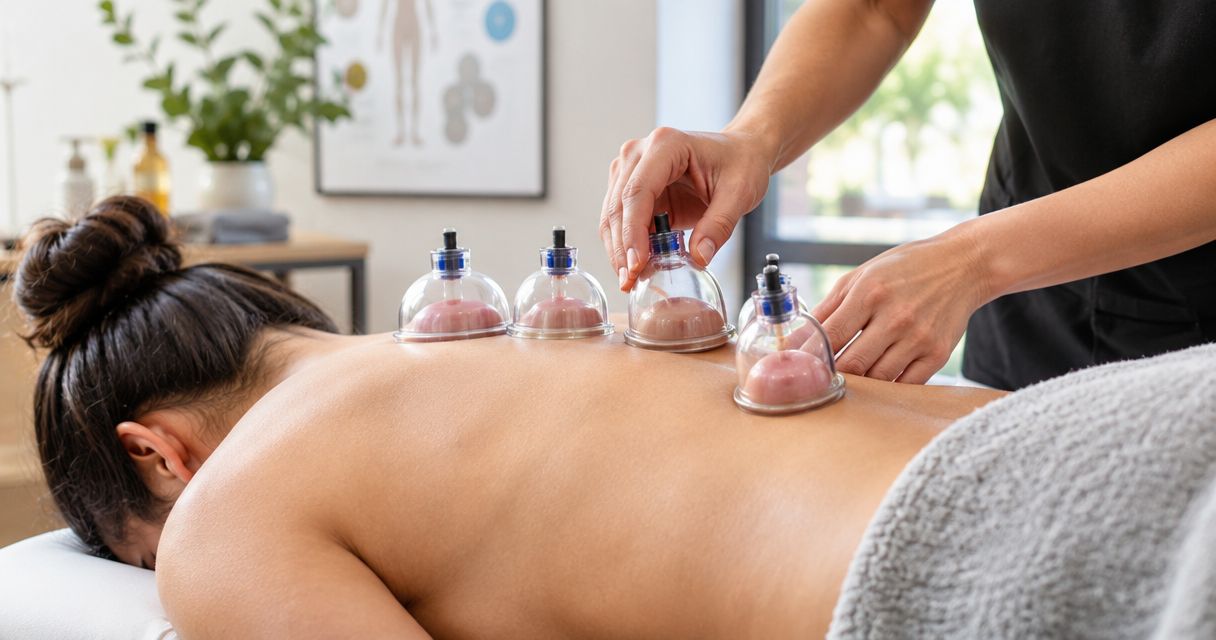
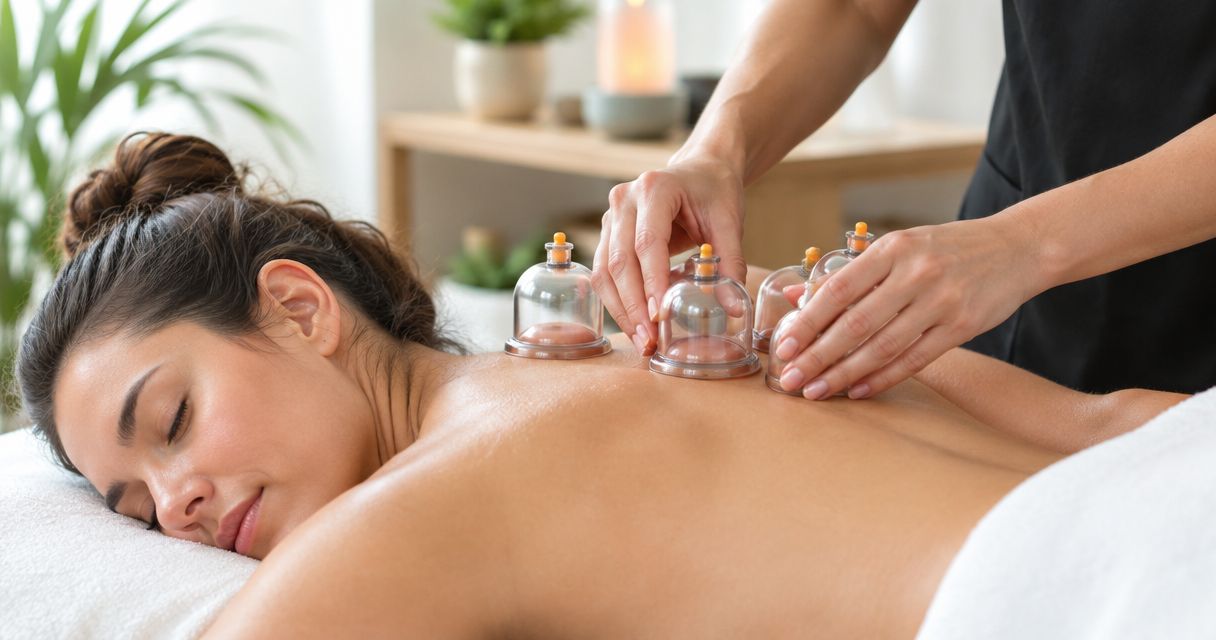
Dry cupping applies suction without intentionally making cuts. That removes the deliberate wound created by wet cupping, but it does not remove the possibility of tissue injury. Strong suction, friction, and treatment over vulnerable skin remain concerns.
If your clinician agrees that cupping is appropriate, ask which body areas are suitable and which should remain untouched. Do not assume that permission for your upper back also includes your feet, lower legs, or another area with reduced sensation.
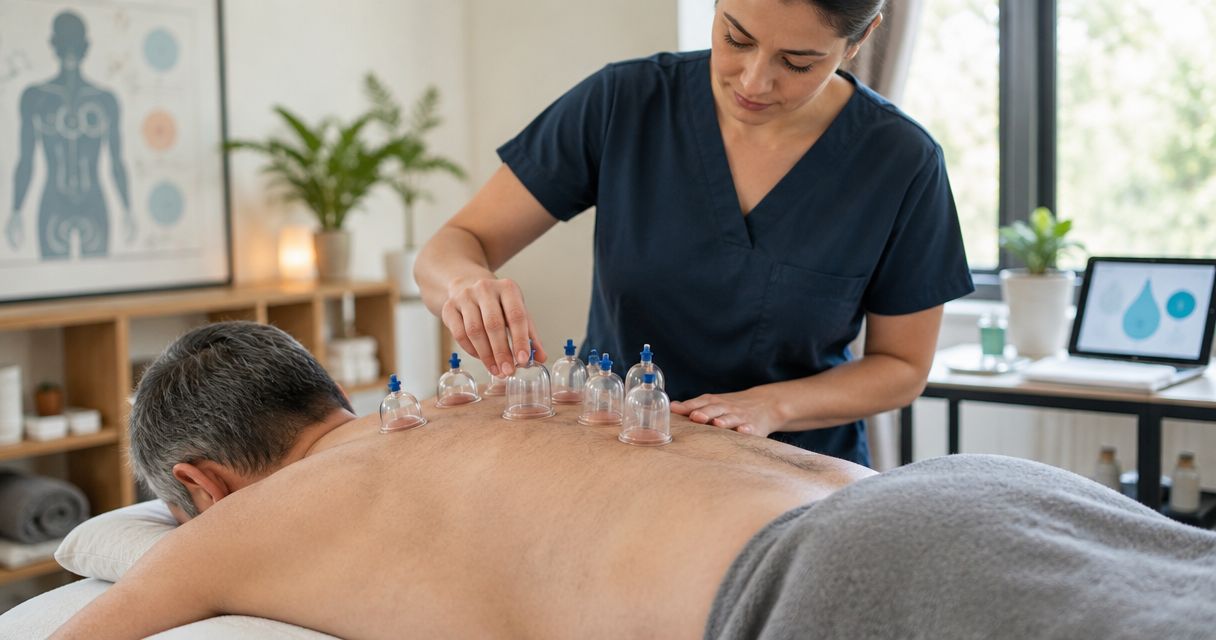
Dry cupping is a discussion option, not a diabetes-safe label. A practitioner should know your medical history and follow infection-control practices. Shared equipment still needs appropriate cleaning even when the procedure is not intended to break the skin.
A circular mark is not evidence that blood sugar improved or that toxins left your body. Judge any perceived benefit by comfort and function, while treating skin injury as a reason to stop—not as proof that treatment worked.
Wet cupping: skin cuts change the risk
Wet cupping involves breaking the skin and drawing blood. For someone with diabetes, that introduces a different decision from applying suction to intact skin. Healing history, infection risk, circulation, and medicines that affect bleeding all matter.
Do not perform wet cupping on yourself at home. Discuss it with your diabetes clinician before considering a practitioner, particularly if you have previous slow-healing wounds, foot ulcers, impaired circulation, or reduced sensation.
The National Center for Complementary and Integrative Health warns that inadequately sterilized equipment contaminated with blood can spread bloodborne diseases. Professional surroundings alone do not establish safe infection-control practices.
There is no established role for wet cupping as a substitute for diabetes treatment. A claim that drawing blood will correct your glucose level is not a reason to change medication or delay medical care.
Heated cupping: normal sensation is essential
Heat introduces a burn risk alongside suction. If diabetic neuropathy affects the treatment area, you can miss the warning that something feels too hot. A device control or a comfortable feeling elsewhere on your body does not solve that problem.
Do not apply heated cupping to an area with numbness or reduced temperature sensation. Ask your clinician about the intended site rather than testing whether you can tolerate the heat yourself.
In 2026, the useful buying question is not simply whether a device has a heating function. It is whether you should use heat on that body area at all. An adjustable feature is not medical clearance.
Avoid borrowing another person's temperature setting or session routine. Their skin sensitivity, circulation, and medical history do not establish a safe setting for you.
Why cupping safety varies with diabetes
The diagnosis alone does not describe your treatment risk. These factors explain why advice must be individualized:
- Sensation: Neuropathy can reduce your ability to notice painful suction, friction, or excessive heat.
- Circulation: Reduced blood flow can interfere with healing after a skin injury, especially in the lower limbs.
- Skin condition: Cuts, blisters, rashes, ulcers, and infection are reasons not to cup the affected area.
- Healing history: Previous slow-healing wounds or ulcers belong in the conversation before treatment.
- Treatment method: Skin cuts, heat, suction, and movement create different exposures; approval for one does not approve all.
- Medicines and other conditions: Blood thinners, bleeding disorders, and other health problems can change the risk assessment.
Type 1 diabetes and type 2 diabetes both require this review. The diabetes type does not tell you whether a particular treatment site has normal sensation or adequate circulation.
Your latest glucose reading is also not a stand-alone clearance test. Skin condition, complications, and the proposed procedure still matter even when you are following your diabetes plan.
What should you check before a cupping appointment?
Use this sequence for a 2026 appointment discussion. It is a screening conversation, not a home-treatment protocol.
- Describe your goal. Tell your clinician whether you want help with muscle tightness, post-exercise discomfort, or another concern. New or unexplained pain needs assessment rather than an immediate cupping session.
- Name the treatment area. Be specific about your back, shoulder, leg, or foot. Mention any numbness, tingling, temperature-sensation changes, or previous wounds there.
- Identify the method. Explain whether the plan involves dry suction, skin cuts, heat, or moving the cup. Do not accept a general answer about cupping when the proposed method has additional risks.
- Review medicines and complications. Share your medication list and history of neuropathy, poor circulation, ulcers, infection, or delayed healing. Do not stop prescribed medicines to make a session possible.
- Agree on boundaries. Ask which areas to avoid, what changes mean treatment should stop, and whom to contact if the skin reacts afterward.
- Tell the practitioner. Communicate the clinician's restrictions before treatment begins. Decline treatment if the practitioner dismisses your diabetes or promises a blood-sugar cure.
If you cannot get a clear assessment of the intended area and method, postpone cupping. Waiting is preferable to guessing about skin that does not heal or feel normally.
Where does an at-home device fit?
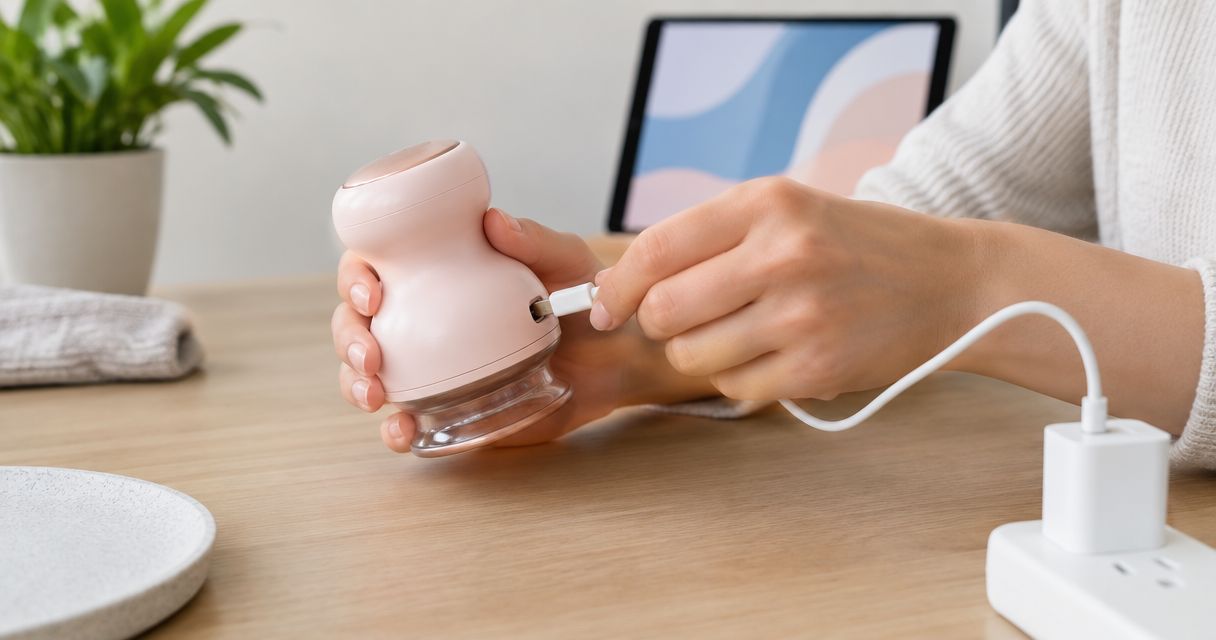
Vazocupping sells the Vazo Slide, a medical-grade 4-in-1 handheld device combining cupping, heating, massage, and gua sha. Its stated audience is consumers seeking at-home cupping and muscle recovery—not people seeking a diabetes treatment.
The practical advantage is having those functions in a handheld device. The limitation is equally important: combining functions does not eliminate the risks of suction, heat, friction, or use on vulnerable skin.
Vazocupping is for consumers seeking at-home cupping, not a replacement for diabetes care. For a 2026 purchase decision, discuss the actual functions with your clinician and follow the current product instructions. The medical-grade description does not establish suitability for diabetic neuropathy or impaired circulation.
Do not combine functions simply because they are available. Permission to use one approach does not establish that adding heat or scraping is appropriate for you.
What should you do if your skin reacts after cupping?
Stop treatment if you notice a blister, broken skin, unexpected pain, or another concerning change. Do not apply another cup to the same area to try to correct the reaction. Avoid adding heat or vigorous massage to injured skin.
Contact your healthcare team promptly for spreading redness, increasing warmth or swelling, drainage, worsening pain, or a wound that is not healing. Fever, rapidly worsening symptoms, or feeling seriously unwell requires urgent medical assessment.
A lack of pain is not reassuring when sensation is reduced. Inspect the area directly, and get help checking a location you cannot see. Do not dismiss a new foot wound as an ordinary cupping mark.
Can you use cupping if you have diabetic neuropathy?
Do not cup an area with reduced sensation without a clinician's assessment, and do not use heat on numb skin. Diabetic neuropathy makes discomfort an unreliable warning signal. A treatment that feels mild can still injure skin.
Neuropathy in one location does not let you self-clear another. Ask your clinician about the exact proposed site and method.
Does cupping help control blood sugar?
Cupping is not an established treatment for controlling blood sugar. Continue your prescribed diabetes care and do not change medication based on a cupping claim or a temporary feeling of wellbeing.
If your real goal is better glucose management, discuss that goal directly with your diabetes team. Muscle comfort and diabetes control are separate outcomes.
FAQ
Can diabetics use cupping therapy at home?
Some people with diabetes can consider at-home cupping only after their clinician assesses the intended area, method, sensation, circulation, and healing history. A consumer device does not provide medical clearance.
Is dry cupping safer than wet cupping for diabetes?
Dry cupping avoids the intentional skin cuts used in wet cupping, but it is not automatically safe for someone with diabetes. Suction can still cause bruising, blisters, or skin injury.
Can I use heated cupping if I have diabetic neuropathy?
Do not use heated cupping on skin with numbness or reduced temperature sensation. Neuropathy can prevent you from recognizing excessive heat before an injury occurs.
Can I cup my feet if I have diabetes?
Do not self-treat your feet with cupping; ask your diabetes clinician to assess them first. Reduced sensation, poor circulation, and previous foot wounds make this an especially important decision.
Does a normal glucose reading mean cupping is safe?
A normal glucose reading does not establish that cupping is safe. Your skin, circulation, sensation, medicines, and healing history still require consideration.
Is Vazocupping a treatment for diabetes?
Vazocupping sells devices for at-home cupping and muscle recovery, not a replacement for diabetes treatment. Continue prescribed medication and glucose monitoring, and discuss device use with your clinician.
What should I do about a blister after cupping?
Stop cupping and contact your healthcare team promptly about a blister, especially on your foot or an area with reduced sensation. Seek urgent assessment for fever, rapidly worsening symptoms, or feeling seriously unwell.
One last thing
The absence of pain is not proof of safety when you have diabetic neuropathy. That is the detail to remember before any 2026 cupping appointment or home session.
Bring your clinician a description of the treatment area and every function you intend to use. A precise question about suction, heat, or skin cuts produces a more useful safety discussion than asking whether cupping is generally good for diabetes.