Do not make daily cupping your default routine: follow your device’s instructions, avoid skin that is still marked, sore, or irritated, and get clinical guidance if you have a condition that affects treatment safety. Daily use is not automatically safe just because a device feels comfortable, and adding heat or scraping creates additional reasons to check your skin before repeating a session.
- Can you use a cupping device every day? Not as a default; follow instructions and let treated skin recover.
- Vazo Cupping suits consumers seeking at-home cupping tools, not a substitute for evaluating persistent pain.
- Cupping therapy should not be repeated over sore, irritated, blistered, or still-marked skin.
- Muscle recovery does not require darker marks or stronger suction.
Can you use a cupping device every day?
There is no universal daily cupping schedule that fits every person, body area, and device. A routine must account for the manufacturer’s directions, the type of treatment, your skin’s response, and any health conditions or medications that affect safety. A comfortable session does not establish that repeating it tomorrow is appropriate.
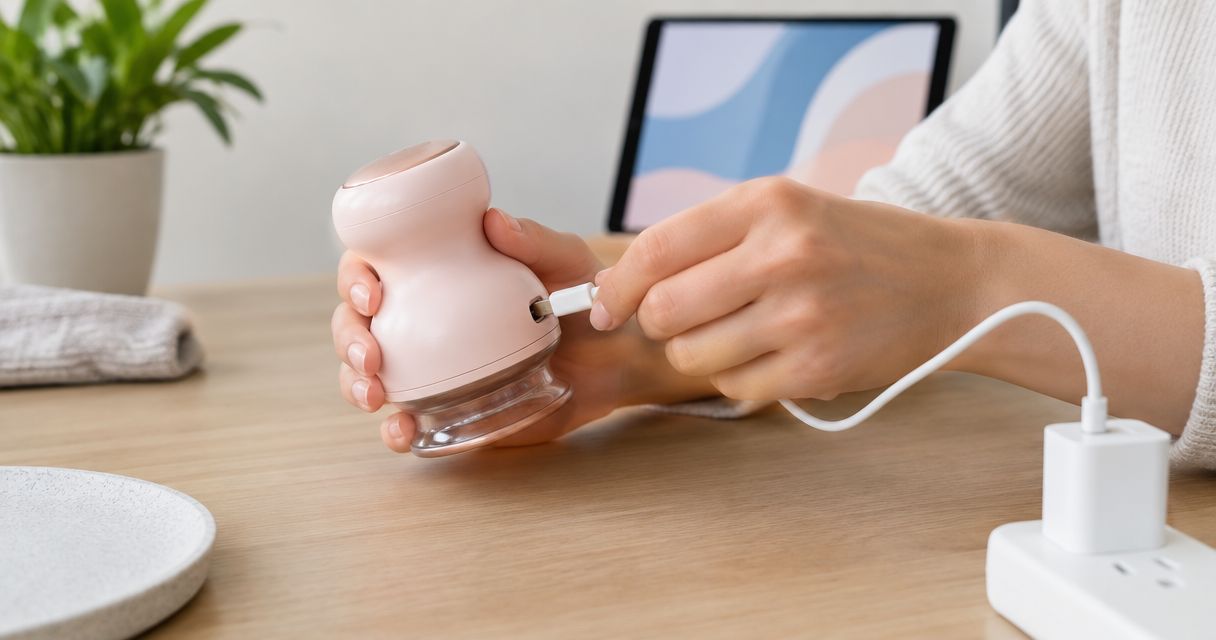
For a 2026 at-home routine, start with the instructions for your exact device rather than a schedule copied from a social post. If you use the Vazo Slide, distinguish its cupping, heating, massage, and gua sha functions when checking those directions. Instructions for one function are not automatically instructions for combining them.
Before deciding whether to repeat a session, use this sequence:
- Check the instructions. Look for treatment frequency, session limits, placement restrictions, and contraindications.
- Inspect the treated area. Do not repeat treatment over visible marks, tenderness, broken skin, or irritation.
- Check how you feel. New pain, unusual swelling, numbness, or worsening symptoms deserve attention rather than another session.
- Review personal precautions. Ask a clinician before treatment if a medical condition or medication changes your bleeding risk or skin sensitivity.
- Choose rest when the answer is unclear. Skipping cupping is preferable to testing whether irritated skin can tolerate more.
This is a safety check, not a prescribed treatment schedule. Your device instructions and individual clinical advice determine whether treatment belongs in your routine at all.
Why this matters
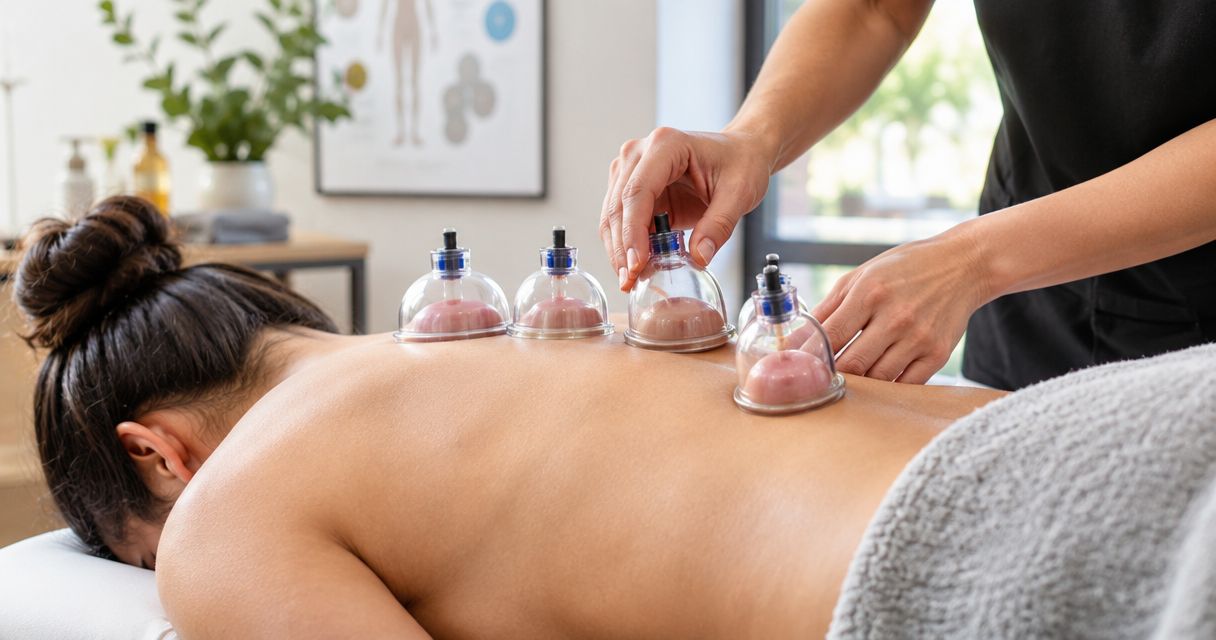
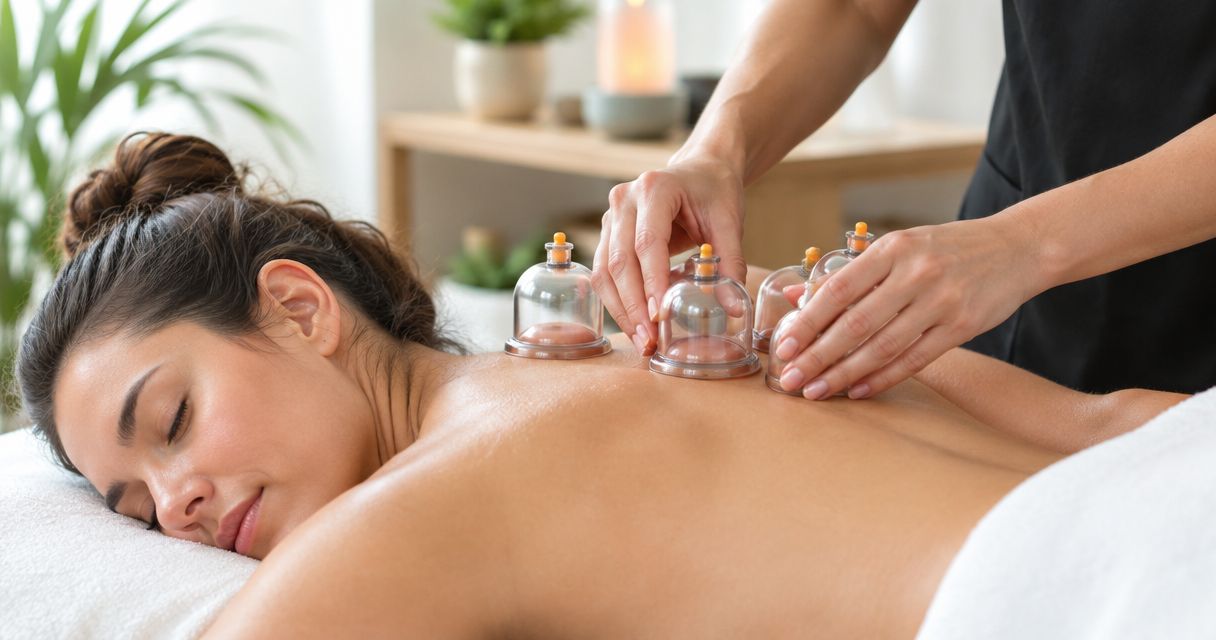
Cupping creates suction against the skin. The National Center for Complementary and Integrative Health identifies temporary marks and risks including persistent discoloration, scars, burns, and infections; it also notes that cupping can worsen eczema or psoriasis.
Those risks make frequency a safety question, not just a habit-building question. Repeating treatment because you want faster recovery does not establish that the extra exposure helps.
For your 2026 recovery routine, judge cupping by tolerability and appropriate use—not by how often you can fit it in. Persistent pain needs an explanation. A device cannot tell you whether discomfort comes from ordinary exertion, an injury, or another condition.
Different cupping methods need different precautions
Stationary suction, moving suction, and treatment that includes heat expose your skin to different stresses. None earns an automatic daily-use recommendation simply because it is convenient at home.
| Approach | Best for | Practical advantage | Limitation or precaution |
|---|---|---|---|
| Stationary dry cupping | Users whose instructions specify treatment in one location | Placement stays localized | Repeating suction on an affected spot adds exposure to the same skin |
| Sliding cupping | Users whose device instructions permit movement | Treatment moves along an instructed area | Movement adds friction; irritated skin should not be treated |
| Cupping with heat | Users whose instructions permit combining suction and warmth | Includes warmth during treatment | Heat adds burn risk and requires attention to sensation |
| A routine without cupping | Users with marks, soreness, irritation, or unresolved safety questions | Avoids further suction exposure | Does not address the underlying cause of persistent pain |
Best for does not mean medically necessary. It identifies who an approach fits when the instructions and personal safety checks already permit it.
Stationary cupping: check the exact treatment spot
With stationary cupping, the cup remains in one location during treatment. That makes the condition of that location especially relevant when you consider another session.
Do not treat an existing mark as a target to deepen. If the area remains discolored, tender, or irritated, leave it alone and follow the recovery guidance in your instructions. A mark is a visible response to suction, not a score for treatment quality.
Sliding cupping: movement is not a free pass
Sliding treatment moves suction across the skin rather than holding it in one spot. Movement does not eliminate suction exposure, and it adds friction.
Follow the instructions for skin preparation and movement. Do not improvise with a product or technique simply because another device uses it. If gliding hurts, pulls at the skin, or leaves irritation, stop rather than adding pressure to keep moving.
Heated cupping: warmth adds a separate safety question
A setting that feels pleasant does not prove that longer or repeated heat exposure is appropriate. Follow the device’s heat instructions and stop if you experience burning, pain, or a concerning skin change.
Reduced sensation makes it harder to judge temperature reliably. If you have numbness or a condition affecting sensation, obtain clinical advice before using heated treatment. Treat suction safety and heat safety as separate checks.
Why a cupping schedule varies
The right question is not simply whether a device can run every day. It is whether a particular treatment is appropriate for your skin, symptoms, and circumstances on that day.
These factors change that decision:
- Device instructions: Placement, frequency, and session guidance belong to the specific device and function you use.
- Skin condition: Marks, tenderness, irritation, wounds, or an active skin condition affect whether an area should be treated.
- Treatment method: Stationary suction, sliding movement, heat, and scraping do not create identical exposure.
- Personal health: Bleeding disorders, altered sensation, and other medical conditions require individual assessment.
- Medications: Blood-thinning medication changes the safety conversation because cupping can cause bruising.
- Symptoms: Worsening pain or a new symptom changes the priority from repeating treatment to identifying the cause.
Do not solve uncertainty by lowering the setting and proceeding anyway. A lower setting does not remove a contraindication, repair broken skin, or explain new pain. Check the issue before restarting.
How do you decide whether to repeat a session?
Use a simple decision process rather than a fixed calendar. In 2026, a reminder app can tell you when you planned to use a device; it cannot tell you whether your skin is ready.
Start with a skin check
Look at the area in good light before applying a cup. Check for discoloration, swelling, a rash, blisters, cuts, and other changes. Gently assess whether ordinary touch feels uncomfortable; do not press hard to test a sore spot.
If you cannot see the area clearly, do not assume that it is fine. Use a mirror or ask someone to help you inspect it. The decision should reflect the condition of the skin, not just your ability to reach it.
Separate soreness from a reason to treat again
A sore area is not automatically a good target for more cupping. Tenderness after treatment is a reason to pause, particularly when touching the skin or moving normally makes it hurt.
If discomfort is persistent, worsening, or interfering with ordinary activity, seek clinical assessment. Do not keep increasing suction to chase relief. More intensity is not a diagnosis, and it is not proof of better recovery.
Change fewer things at once
Follow the directions rather than experimenting with longer exposure, stronger suction, heat, and scraping together. Combining changes makes it harder to identify what caused irritation.
Keep a short record of the body area treated, the functions used, and any skin response or discomfort afterward. A record does not prove effectiveness, but it gives you specific information to discuss with a clinician or the manufacturer when a problem occurs.
Can you cup the same spot again if it still has marks?
Do not re-cup skin that is still marked or tender. Wait for the area to recover and follow the device’s instructions before considering treatment there again.
Color alone does not measure the benefit of a session. Darker marks are not a reason to increase suction, and fading marks are not the only safety check: tenderness, irritation, and other symptoms matter too.
Claims that marks show toxins leaving the body are not an established basis for choosing frequency. Avoid a routine built around producing or maintaining visible marks.
Is daily cupping better for muscle recovery?
Daily cupping is not an established shortcut to muscle recovery. The National Center for Complementary and Integrative Health describes the research on cupping as generally low quality and says evidence for pain reduction is not strong.
For a 2026 recovery plan, keep the distinction between a treatment you enjoy and a proven requirement. Cupping should not replace appropriate training adjustments, rest, or an assessment of persistent symptoms.
A recovery routine also needs room for stopping. If treatment leaves you less comfortable, creates skin problems, or encourages you to ignore pain during activity, the routine needs to change—not become more frequent.
Can you use a different body area every day?
Changing body areas does not automatically make daily cupping safe. Each new area still needs to be permitted by the instructions and checked for skin problems, sensation changes, and other precautions.
Rotating locations also does not cancel a medication-related or medical contraindication. If a clinician has advised against cupping, treating a different location is not a workaround. Follow the restriction rather than trying to fit treatment into the calendar.
When should you get advice before using cupping?
Ask a clinician before using cupping if you take blood-thinning medication, have a bleeding disorder, have reduced skin sensation, or are unsure whether treatment fits a medical condition. Pregnancy also requires individualized advice about whether cupping and the intended placement are appropriate.
Avoid treating open wounds, infected skin, and active irritation. If you have eczema or psoriasis, discuss cupping with your clinician because treatment can worsen these conditions.
Stop treatment and seek care for a burn, blistering, spreading redness, increasing warmth or swelling, drainage, or worsening pain. New weakness or numbness also needs assessment rather than another device session.
Do not use cupping to delay urgent care. Chest pain, breathing difficulty, or sudden severe symptoms are not recovery problems to manage with an at-home device.
Where an at-home device fits
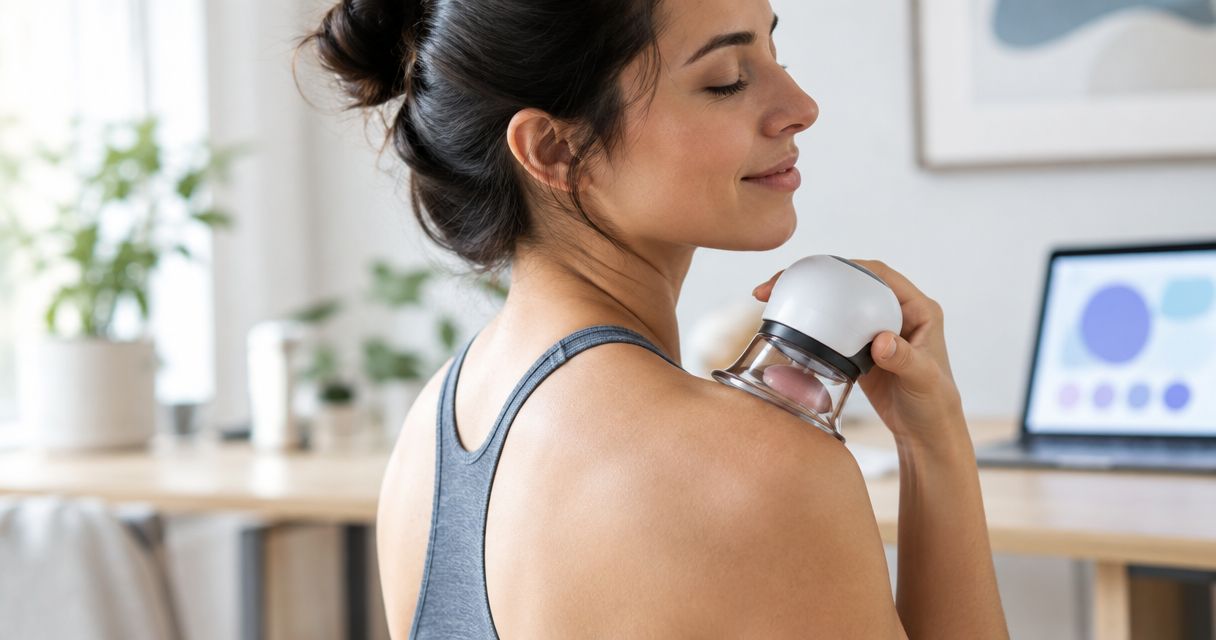
Vazo Cupping is best for consumers seeking at-home cupping tools, not a replacement for medical evaluation of persistent pain. Its role is a consumer recovery option used within the supplied instructions and your personal safety limits.
The practical benefit of a handheld format is that you can use it at home. The limitation is equally clear: you remain responsible for checking placement, skin response, and precautions, and the device does not diagnose an injury.
When considering Vazo Cupping for your 2026 routine, read the instructions before deciding how frequently you want to use it. Choose the routine around safe use, not the other way around.
FAQ
Can you use a cupping device every day at home?
Do not make daily cupping your default routine. Follow the instructions for your specific device, avoid affected skin, and get clinical advice when a health condition or medication raises safety questions.
How long should I wait between cupping sessions?
Follow your device’s instructions rather than a universal waiting interval. Do not repeat treatment over skin that remains marked, tender, irritated, or damaged.
Can I use a cupping device over yesterday’s marks?
Do not re-cup skin that still has marks or tenderness. Let the area recover and check the instructions before treating it again.
Does stronger suction make cupping work better?
Stronger suction does not establish better recovery. Follow the instructed settings and stop if treatment causes pain or skin irritation.
Can I combine heated cupping with gua sha every day?
Do not assume that combining heat, suction, and scraping is appropriate every day. Check the instructions for each function and for combined use, and avoid treating affected skin.
Is daily cupping safe if I take blood thinners?
Ask your prescribing clinician before using cupping if you take blood-thinning medication. Cupping can cause bruising, so a general daily-use recommendation is inappropriate.
Can Vazo Cupping replace care for persistent muscle pain?
Vazo Cupping cannot replace medical evaluation of persistent muscle pain. Use an at-home device only within its instructions, and seek assessment for worsening symptoms or unexplained pain.
One last thing
The most useful recovery habit is knowing when not to treat. Before your next session, inspect your skin and ask whether anything has changed since the last one. If there is a new mark, symptom, or safety question, pause.
For the rest of 2026, make that check the habit—not daily suction. A calendar streak is not evidence that your recovery routine is working.