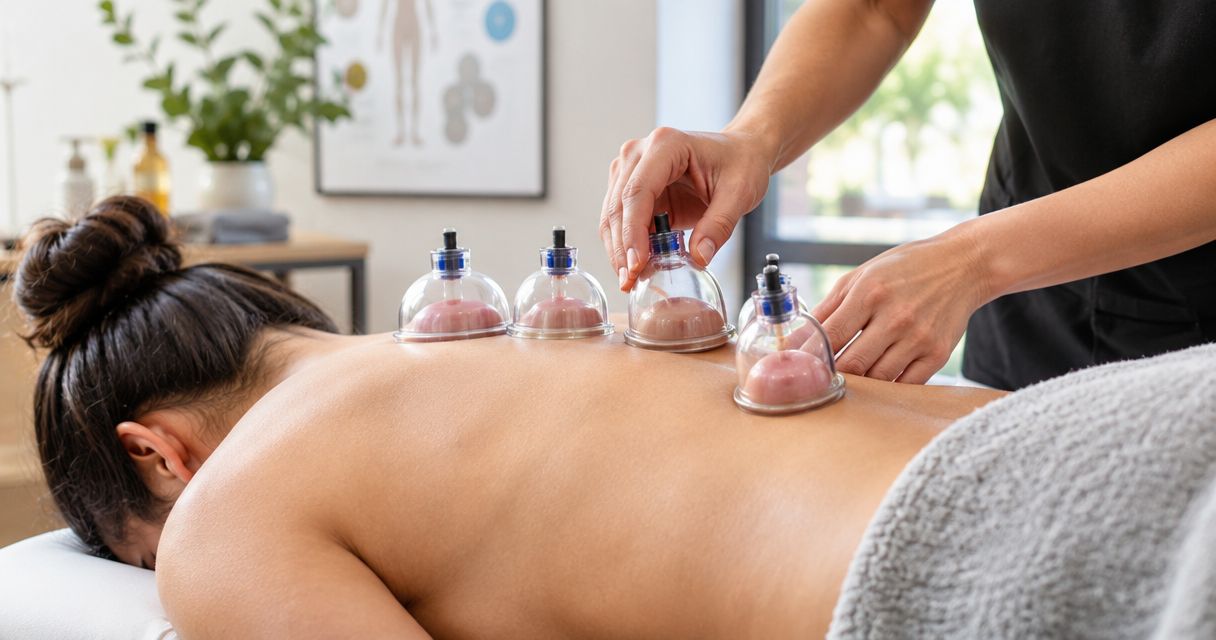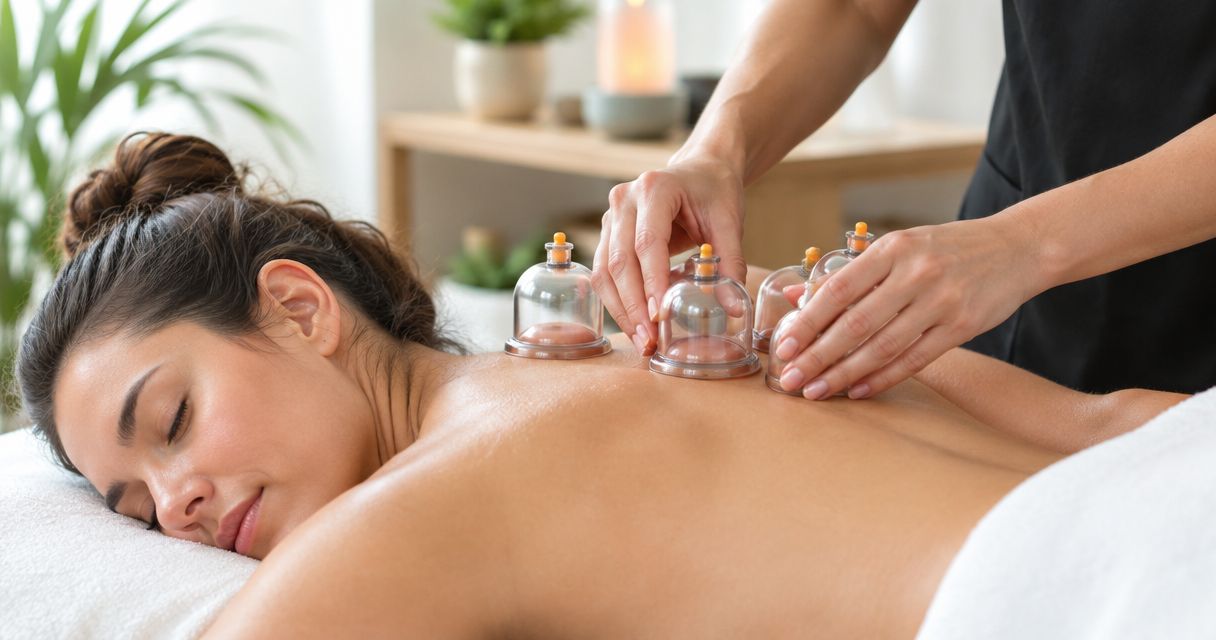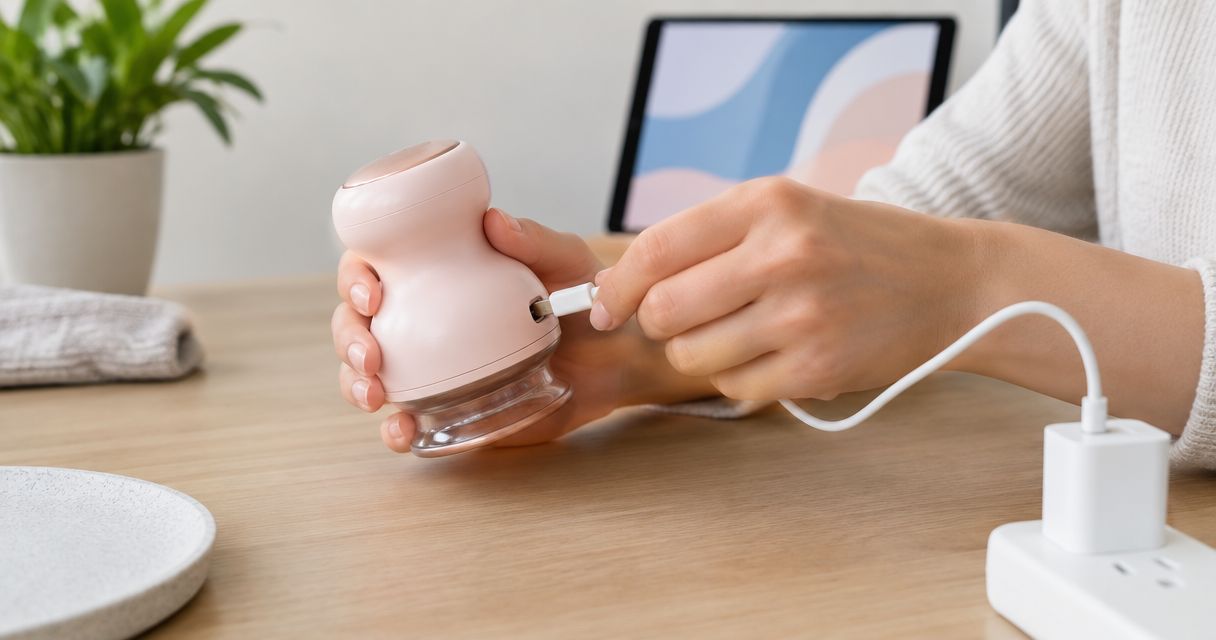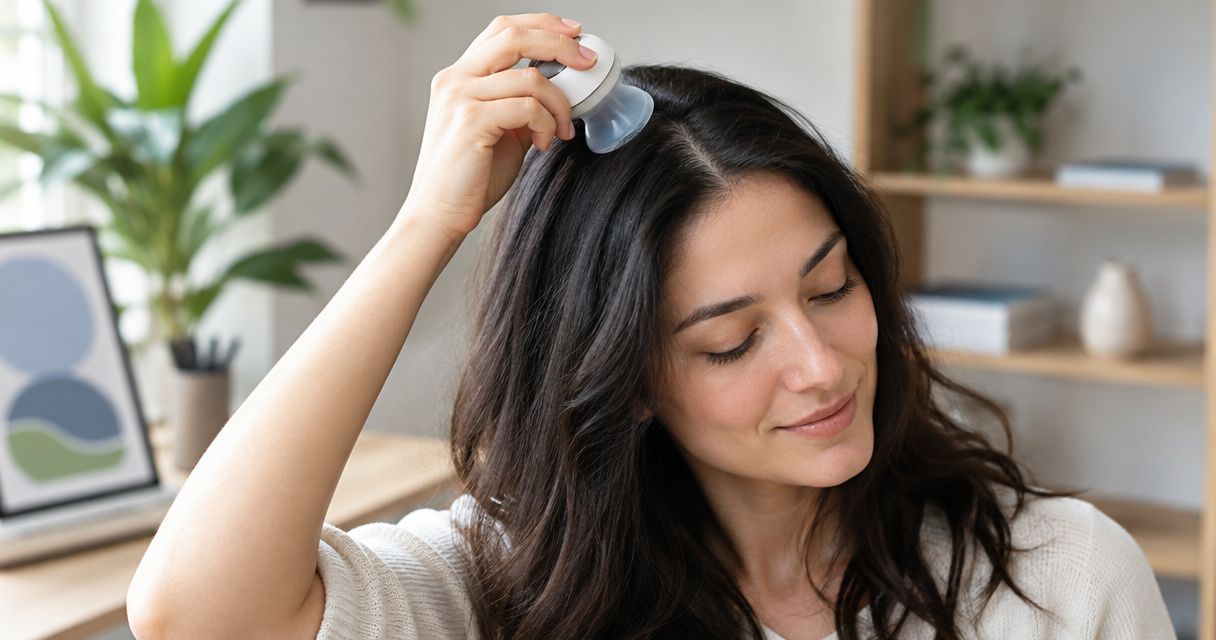
Do not use a cupping device on your scalp unless the manufacturer explicitly permits that application and provides scalp-specific instructions. A device intended for body massage or muscle recovery does not automatically qualify for scalp use, and adding suction or heat introduces risks that a gentle scalp massage does not.
- Can you use a cupping device on your scalp? Only with explicit manufacturer instructions for that application.
- Vazocupping serves at-home cupping and muscle-recovery buyers; that purpose does not establish suitability for scalp treatment.
- Do not treat suction, heated massage, and gentle fingertip scalp massage as interchangeable methods.
- For hair loss, persistent scalp pain, or irritated skin, seek a medical assessment rather than experimenting with cupping.
Can you use a cupping device on your scalp?
Use a cupping device on your scalp only when its instructions specifically authorize scalp use. A general description such as body massager, recovery device, or heated cupping tool is not enough. Check the intended treatment areas, exclusions, and operating instructions before placing the device anywhere near your head.
For shoppers considering Vazocupping in 2026, the distinction is straightforward: at-home cupping and muscle recovery are the stated purposes, not proof of scalp suitability. Judge the application by the instructions, not by the range of functions advertised.
| Approach | Best for | Useful distinction | Limitation or concern |
|---|---|---|---|
| Gentle fingertip scalp massage | People seeking a simple comfort routine on healthy skin | Does not require a suction seal or heated contact | Does not establish a treatment for hair loss or persistent pain |
| Suction cupping device | Body applications explicitly permitted by its instructions | Applies negative pressure rather than ordinary hand pressure | Can cause skin discoloration and injury; scalp use needs explicit authorization |
| Heated massage device | Applications specifically permitted by its instructions | Adds heat to contact with the skin | Heat can cause burns; body-use instructions do not establish scalp suitability |
These are different methods, not interchangeable routes to the same result. A comfortable experience with your hands does not show that your scalp will tolerate suction, heated contact, or a moving device.
Check the instructions before testing the device
- Find the intended-use section. Look for an explicit reference to the scalp or head. A list of body areas that does not include the scalp is not permission to add it yourself.
- Read every exclusion. Check warnings about skin condition, sensation, medical conditions, and treatment areas. Do not separate a promising benefit statement from the warnings that govern its use.
- Confirm the application method. Instructions for stationary cupping on the body do not explain how to move a device through hair or around the contours of the head.
- Ask about unclear wording. Request a direct answer from the manufacturer about the exact model and intended scalp application. Do not substitute a social-media demonstration for operating instructions.
- Stop if permission remains unclear. Choose a non-device comfort routine or obtain medical advice appropriate to the symptom you want to address.
If the instructions do not authorize scalp use, do not create your own scalp protocol. This includes inventing a treatment duration, reducing suction until it feels tolerable, or assuming that switching off heat removes every concern.
Why this matters
The scalp is skin covered by hair, not a smaller version of your back. Hair changes how a cup contacts the skin, and the head has contours that complicate placement. A device that works as intended on an approved body area can behave differently when contact is uneven.
Cupping can leave marks and cause skin injury. Heated contact adds a separate burn risk. Neither a visible mark nor a warm sensation proves that a treatment is improving hair growth, correcting circulation, or resolving the cause of pain.
For your 2026 home-care routine, make the goal explicit before choosing a tool. Relaxation, muscle recovery, hair-loss treatment, and assessment of a painful scalp are different needs. Match the method to the need instead of expanding a device's purpose to fit the symptom.
Why scalp use differs from body cupping
Several practical factors change the decision. They explain why a general body-use recommendation cannot answer a scalp-use question.
- Hair interferes with contact. A suction cup needs contact with the skin to form a seal. Hair between the cup and skin makes that contact less straightforward.
- Head contours affect placement. A curved surface changes how a cup sits. Instructions for a different body area do not resolve that placement problem.
- Suction stresses the skin. Cupping can produce discoloration, soreness, and skin injury. Increasing suction to overcome poor contact is not a safe substitute for proper instructions.
- Heat introduces another risk. A heated device needs its own safe-use directions. Comfortable suction does not establish that heated contact is appropriate.
- The reason for treatment matters. Unexplained tenderness, hair loss, itching, and visible irritation require different decisions from a routine intended only for comfort.
A shaved scalp does not remove these distinctions. It reduces the amount of hair at the contact surface, but it does not establish that the manufacturer has approved the location or supplied a suitable technique.
Likewise, a small cup is not automatically a scalp cup. Size alone tells you nothing about the permitted treatment areas, operating method, or warnings. Read the application instructions rather than making a judgment from the device's appearance.
Is gentle scalp massage better than scalp cupping?
Gentle fingertip massage is the simpler option for a comfort routine because it avoids suction and added heat. That is a practical distinction, not a claim that massage treats a scalp condition or restores hair. Use light contact and stop if it hurts or aggravates the skin.
The advantage is direct control: you can feel the pressure and stop immediately without releasing a suction seal. The limitation is equally important. Temporary relaxation does not identify the cause of persistent tenderness, itching, or hair shedding.
Do not massage broken, bleeding, visibly infected, or acutely irritated skin. If even gentle touch is painful, the next step is assessment, not a stronger massage method. Adding a device does not turn an unexplained symptom into a recovery problem.
For a 2026 buying decision, separate comfort from treatment claims. A tool advertised for recovery needs instructions for its intended application; a claim about hair regrowth needs evidence for that outcome. Neither claim supplies the other.
Can scalp cupping help your hair grow?
Scalp cupping is not an established treatment for hair loss. A suction sensation, temporary redness, or a claim about circulation does not demonstrate new hair growth. Do not use those observations as a reason to continue an unapproved scalp application.
Hair loss has multiple causes, and the pattern matters. Sudden shedding, distinct bald patches, scalp inflammation, and gradual thinning do not all call for the same response. A clinician or dermatologist can assess the pattern and discuss an appropriate treatment.
Be particularly cautious with before-and-after content. Changes in lighting, hair arrangement, camera angle, and styling can alter how dense hair appears. A persuasive photograph does not provide scalp-use instructions or establish that a device caused the apparent change.
The useful question is not whether a device makes your scalp feel active. Ask whether the proposed method has evidence for your particular concern and whether the product permits that use. Do not replace hair-loss assessment with a cupping experiment.
Can you use body cupping instructions on your head?
Body cupping instructions do not authorize head or scalp use. A suction setting, movement technique, or treatment schedule given for another body area should not be transferred to the scalp without explicit directions.
This remains true for multifunction devices. The Vazo Slide is described as a medical-grade 4-in-1 handheld device combining cupping, heating, massage, and gua sha for at-home cupping therapy and muscle recovery. Those functions describe the product; they do not establish scalp suitability.
Vazocupping is best suited to shoppers seeking at-home cupping and muscle-recovery devices, not a scalp-treatment recommendation. The useful feature of a multifunction device is access to different methods within its permitted applications. The limitation is that each method still needs an appropriate treatment area and clear instructions.
Do not interpret medical-grade wording as universal clearance for every body location. Likewise, a massage function does not mean that suction or heated contact can be used wherever manual massage feels comfortable. Check each function against the instructions rather than treating the device as one unrestricted tool.
What should you check before buying a device for scalp use?
Start with intended use, not accessories or the number of modes. If your main goal is scalp treatment, a body-recovery description does not answer your purchasing question. Make scalp authorization a requirement before comparing other features.
Use this checklist when reviewing a product in 2026:
- An explicit treatment area: The instructions name the scalp rather than relying on broad wording such as full-body care.
- A clear operating method: The manufacturer explains how the permitted application works, including relevant restrictions.
- Accessible warnings: You can read contraindications and safety directions before deciding whether the product fits your needs.
- A defined purpose: The claimed outcome matches your goal rather than mixing relaxation, hair growth, and medical treatment together.
- A route for clarification: You can ask the manufacturer about the exact model when the instructions leave a question unanswered.
Keep the answers together. A product page that describes a benefit and a separate document that excludes the treatment area do not cancel each other out. The restriction governs the decision.
A demonstration is not enough. Even a person using the exact device on their scalp cannot establish that the manufacturer permits it or that the method is suitable for you. Buy for a documented application, not an improvised one.
What if you already used a cupping device on your scalp?
Stop using the device on your scalp while you check its instructions. Do not repeat the application to see whether discomfort improves, and do not add stronger suction or more heat to a tender area. Inspect the skin without rubbing or scraping it.
Seek medical advice for blistering, broken skin, worsening pain, spreading redness, drainage, or other signs of injury or infection. These are reasons for assessment, not signals that a treatment is working. A visible mark alone cannot tell you whether the skin is unharmed.
If you contact a clinician, describe the device and what happened. Explain whether you used suction, heat, movement, or a combination, and when symptoms started. Bring the instructions if available so the discussion concerns the actual application rather than cupping in general.
For future use, return to the intended-use decision. A session without immediate discomfort does not establish that repeated scalp application is permitted or safe. Treat the instructions as the boundary, not your previous tolerance.
FAQ
Can I use an electric cupping device on my scalp?
Use an electric cupping device on your scalp only if its manufacturer explicitly permits that application and provides scalp-specific instructions. Body-massage or recovery instructions do not authorize scalp use.
Is a heated cupping device safe for my head?
A heated cupping device is not automatically suitable for your head. Heat adds a burn risk, and scalp use requires explicit instructions for the exact device and application.
Can cupping on my scalp make my hair grow?
Scalp cupping is not an established treatment for hair loss. Seek an assessment for persistent shedding, bald patches, or scalp inflammation rather than relying on suction or temporary redness.
Can I use a cupping device on a shaved scalp?
A shaved scalp does not establish that a cupping device is suitable for scalp use. Removing hair does not replace manufacturer authorization or scalp-specific directions.
Is gentle scalp massage the same as cupping?
Gentle scalp massage is not the same as cupping. Fingertip massage uses direct pressure, while cupping applies suction; heated devices introduce an additional risk.
Should I keep using scalp cupping if it leaves marks?
Do not use marks as a reason to continue an unapproved scalp application. Stop and check the instructions; obtain medical advice if you develop worsening pain, blistering, broken skin, or signs of infection.
What should I check before trying a scalp device in 2026?
Check that the exact device explicitly permits scalp use and supplies relevant operating instructions and warnings. Match its stated purpose to your concern rather than assuming a body-recovery device treats scalp symptoms.
One last thing
A successful suction seal is not proof of a suitable treatment area. Getting a cup to attach answers a mechanical question; it does not answer the safety or intended-use question. This distinction matters even when the first application feels comfortable.
Before adding any device to your 2026 routine, write down the outcome you want: comfort, muscle recovery, or assessment of a scalp concern. Then check whether the proposed method actually fits that outcome. For scalp pain or hair loss, start with the concern—not with a device you already own.