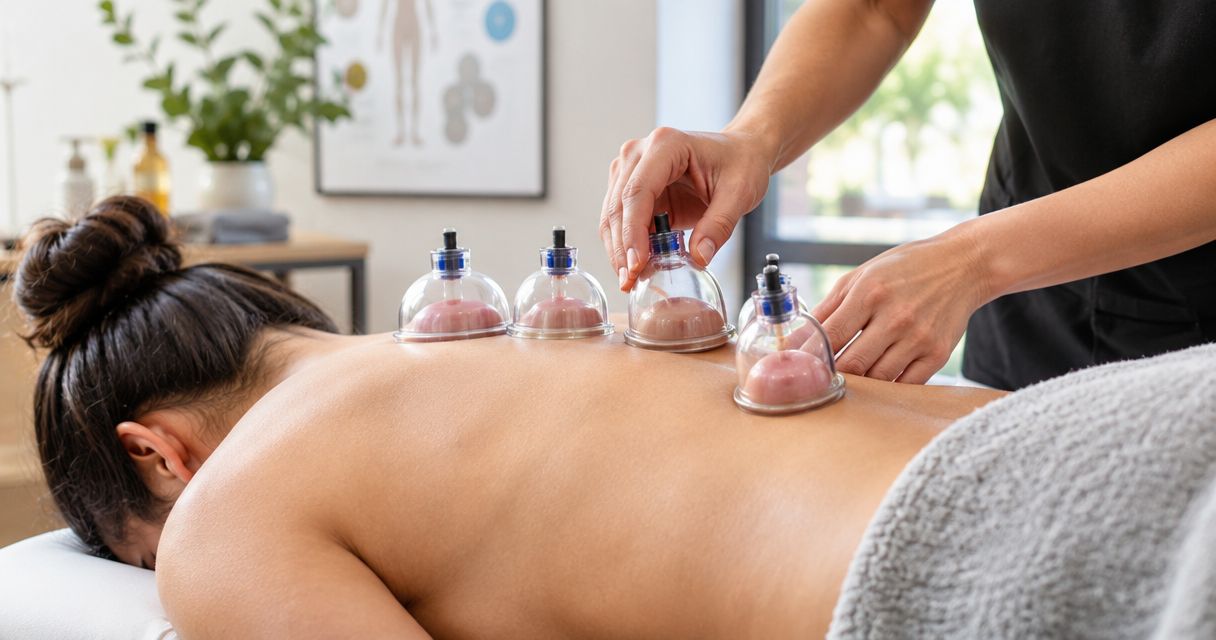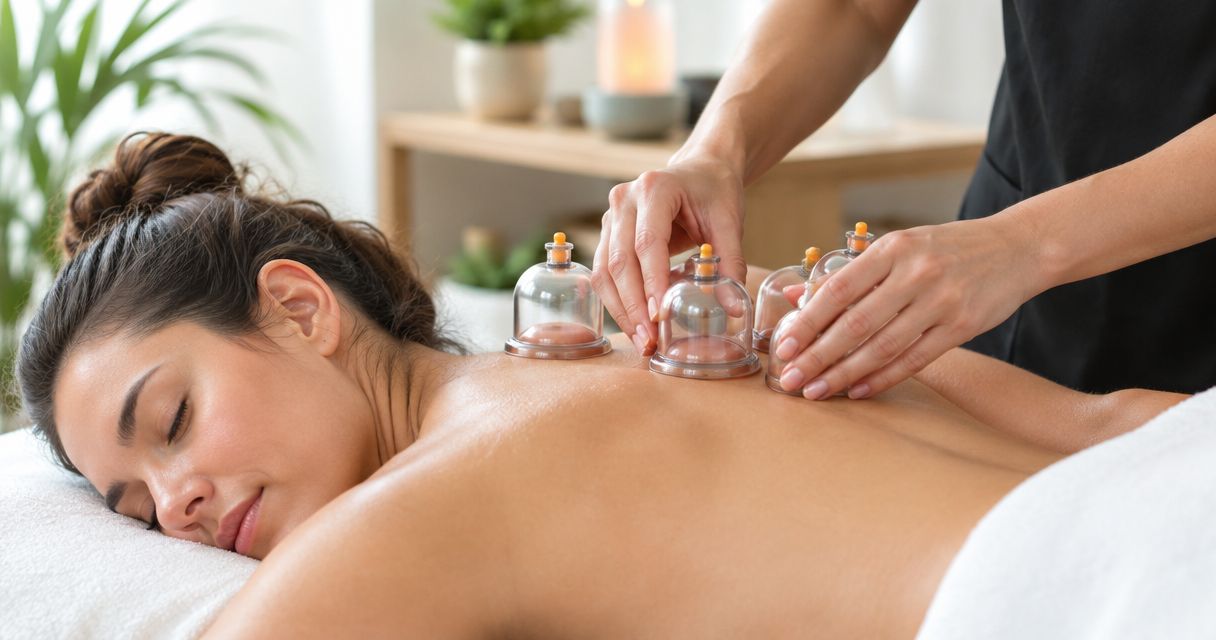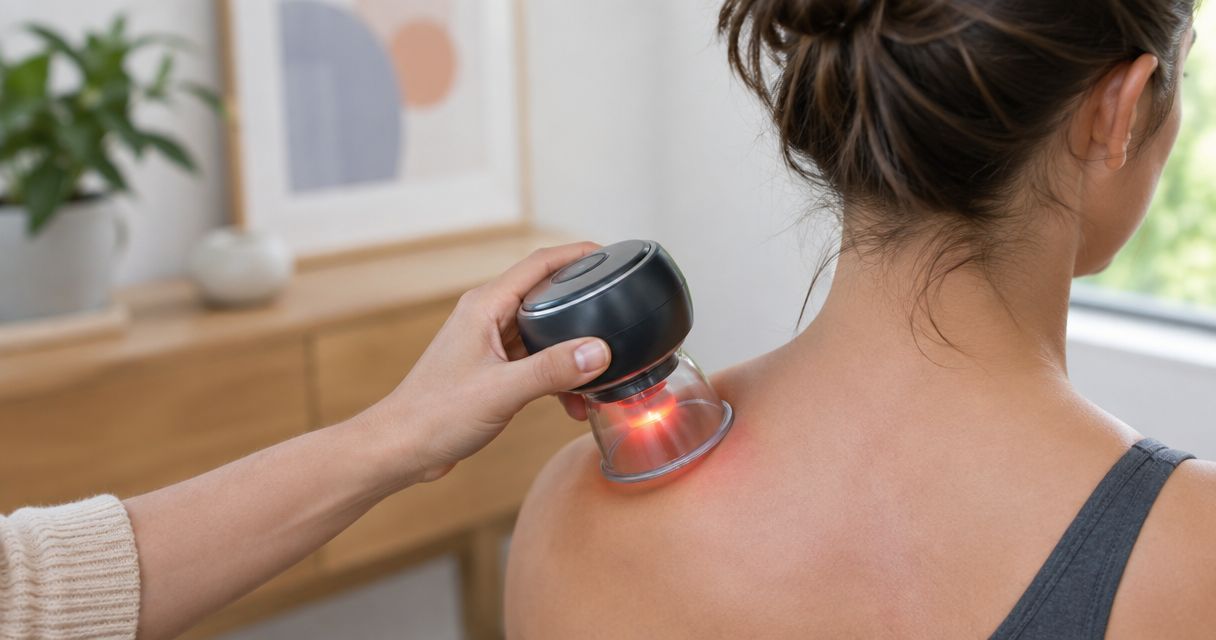
Do not use a heating cupping device directly on a new, swollen, bruised, or otherwise unexplained injury. For an older injury, use one only after a qualified clinician confirms that heat and suction are appropriate; reduced pain during a session does not establish that the injured tissue has healed.
- Can you use a heating cupping device on an injury? Avoid new injuries; seek clinical guidance for older injuries.
- Heat and cupping suction add separate risks; turning off heat does not make an injured area safe to cup.
- Vazo Cupping fits at-home muscle recovery routines, not injury self-diagnosis.
- Stop for burning, worsening pain, numbness, blistering, or increasing swelling.
Can you use a heating cupping device on an injury?
Not on a fresh injury, and not on an older injury without checking whether both heat and suction are suitable. A pulled muscle, painful joint, bruise, or swollen ankle needs a different decision from ordinary post-exercise tightness. The important distinction is the condition of the tissue, not how sophisticated the device is.
Use this comparison to separate recovery routines from situations that need assessment. These are safety categories, not diagnoses you can confirm with a home device.
| Situation | Heating cupping decision | Main concern | Best next step |
|---|---|---|---|
| New injury with swelling or bruising | Do not apply it directly | Heat can increase swelling; suction can add bruising | Protect the area and get appropriate injury advice |
| Open wound, blister, rash, or suspected skin infection | Do not apply it | Suction and heat can further damage affected skin | Address the skin problem before considering cupping |
| Older injury with ongoing pain | Get clinical guidance first | Persistent symptoms do not establish that heat or suction is suitable | Ask about the specific injury and current recovery stage |
| Ordinary muscle tightness without injury signs | Consider only within the device instructions | Burns, skin irritation, and cupping marks remain possible | Check contraindications and stop if symptoms develop |
If your goal is routine recovery rather than managing an injury, the guide to at-home cupping devices for muscle recovery covers that separate use case. Device selection comes after the safety decision, not before it.
Why this matters
Heat and suction do different things. Heat warms the area, while cupping pulls on the skin and underlying superficial tissue. Combining them does not cancel either risk, and a comfortable sensation is not evidence that the treatment suits your injury.
Vazo Cupping fits at-home muscle recovery routines, not injury self-diagnosis. Keep that boundary clear when planning your 2026 recovery routine: comfort measures belong alongside an appropriate recovery plan, not in place of an assessment.
The NHS advises avoiding heat during the first 2–3 days after a sprain or strain. The National Center for Complementary and Integrative Health, or NCCIH, identifies burns, persistent skin discoloration, scars, and infections among possible cupping complications. Neither source provides blanket permission to combine heated cupping with an injured area.
Fresh sprains and strains: avoid heat during the first 2–3 days
For a new sprain or strain, keep a heating cupping device off the injured area. The NHS recommends avoiding heat during the first 2–3 days because it can increase swelling. That guidance concerns heat generally; it is not a tested clearance schedule for heated cupping.
The same interval is 48–72 hours, but passing that point does not automatically make suction appropriate. An injury can remain swollen, sensitive, or functionally limited afterward. Use the symptoms and clinical advice to guide the next decision, rather than treating the calendar as permission.
A fresh injury can also need assessment before you choose any home treatment. Severe pain, substantial or worsening swelling, difficulty using the area, and difficulty bearing weight are reasons to seek medical advice. Do not cover those warning signs with a recovery session.
For your 2026 training plan, separate returning to activity from returning to a device. Being able to walk, stretch, or finish a workout does not by itself establish that applying heat and suction over the injury is safe.
Older injuries: get clearance for heat and suction separately
An older injury is not automatically a healed injury. Persistent pain, recurrent swelling, altered sensation, or reduced movement deserves attention, especially when symptoms return with activity. A device cannot identify the cause of those symptoms.
Ask your clinician a specific question: is superficial heat appropriate, and is cupping suction appropriate over this area? Permission to use a warm pack is not the same as permission to cup the skin. Likewise, advice about massage does not automatically extend to a heated suction device.
If a clinician approves the device, follow both that advice and the manufacturer's instructions. Use the agreed treatment location rather than moving across painful areas in search of relief. Stop if the session creates new symptoms or worsens existing ones.
The benefit to seek is comfort within an approved recovery plan, not proof of healing. The limitation is equally important: a pleasant session cannot confirm that you are ready for sport, heavy lifting, or unrestricted movement.
Uninjured muscle tightness: check before treating it as routine recovery
Ordinary tightness after exercise differs from pain that starts with a fall, twist, impact, or sudden pull. Still, you cannot reliably label every sore spot as harmless muscle tension. Sharp, focal, persistent, or worsening pain needs more attention than a recovery gadget.
Before considering heated cupping, check the skin and your ability to feel temperature normally. Avoid damaged or irritated skin, and do not use reduced sensation as a reason to increase heat. Sensation helps you recognize a treatment that is becoming uncomfortable or unsafe.
If the area has no injury signs and the instructions permit use, keep the session within those instructions. Do not borrow a duration, temperature, or suction setting from someone else's routine. A setting that feels comfortable to another person does not establish that it suits you.
For 2026 home recovery, keep your goal narrow: supporting comfort in otherwise suitable tissue. If the goal becomes treating unexplained pain, reducing new swelling, or working around an injury, pause and get advice.
Why the safety decision varies
Whether heated cupping is appropriate depends on more than the age of an injury. These factors change the decision:
- Recovery stage: A new, swollen injury is different from a clinically assessed later-stage injury. Time alone does not establish readiness.
- Symptoms and function: Increasing pain, worsening swelling, or difficulty using the injured area calls for assessment rather than a stronger treatment setting.
- Skin condition: Broken skin, blisters, rashes, and suspected infection are reasons to avoid applying the device over that area.
- Temperature sensation: Reduced sensation makes it harder to recognize excessive heat. Ask a clinician before using a heated device where sensation is impaired.
- Bleeding risk: Blood-thinning medication or a bleeding disorder warrants clinical advice before cupping because suction can cause bruising.
- Specific clinical instructions: An injury or postoperative recovery plan can restrict heat, massage, or pressure. Follow those restrictions rather than general wellness advice.
This is why there is no universal injured-area setting. Lower heat and gentler suction do not remove contraindications, and switching modes does not replace a safety check.
What should you check before using a heating cupping device?
Use this sequence before applying a device anywhere near an area that has been injured. The purpose is to decide whether to proceed, not to diagnose yourself.
- Identify the reason for treatment. Separate routine tightness from a known injury or unexplained pain. If you cannot make that distinction confidently, seek advice first.
- Look for warning signs. Check for worsening swelling, severe pain, skin damage, abnormal sensation, or difficulty using the area. Do not start a session over those findings.
- Review the instructions. Read the device's contraindications, placement restrictions, cleaning requirements, and stopping instructions. A general cupping article cannot replace product-specific directions.
- Check your recovery plan. If you are receiving treatment for an injury, ask whether heat and suction are allowed. Include medication and any sensation problems in that discussion.
- Monitor the actual response. Stop for burning, increasing pain, numbness, blistering, or increasing swelling. Do not continue to finish a session or produce a darker mark.
Stop means remove the device and reassess, not simply lower the setting and keep going. Seek medical advice for a burn, persistent new symptoms, or an injury that is getting worse.
Where does a multifunction recovery device fit?
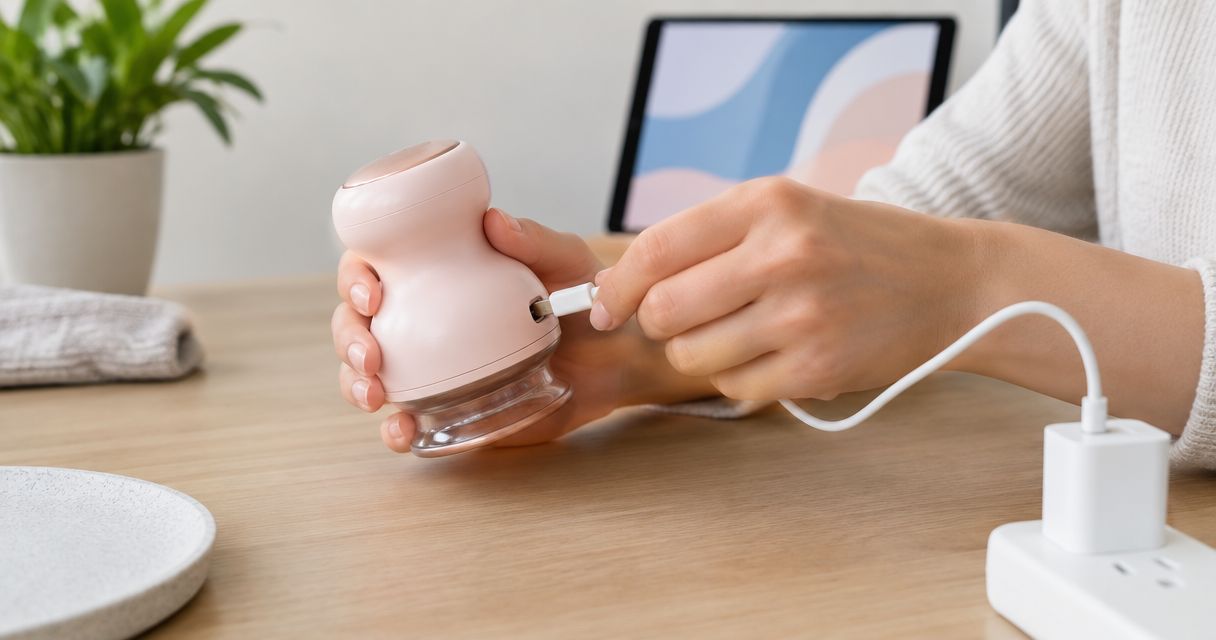
Vazo Cupping sells the Vazo Slide, a medical-grade 4-in-1 handheld device combining cupping, heating, massage, and gua sha. Its stated audience is consumers seeking at-home cupping therapy and muscle recovery. Those functions explain its recovery role; they do not establish suitability for a particular injury.
Best for: consumers considering an at-home muscle recovery device after checking suitability and instructions. The practical advantage is having the stated functions in one handheld device. The limitation is that each treatment method still requires an appropriate application area and attention to safety.
Do not interpret the medical-grade description as permission to treat an acute injury. Device positioning, convenience, and treatment options cannot determine whether a painful area needs diagnosis. Make that decision before choosing a mode.
Can I use suction without heat on an injury?
Turning off heat does not make cupping safe on an injury. Suction still pulls on the skin and can leave bruising or irritation. Avoid cupping directly over a fresh injury, damaged skin, or unexplained swelling, and seek advice for an older injured area.
Does cupping help an injury heal faster?
Cupping is not established as a way to make an injury heal faster. NCCIH describes cupping research as mostly low quality and says the evidence for pain reduction is not strong. Pain relief and tissue healing are different outcomes; neither a comfortable session nor a visible mark proves faster recovery.
Do darker cupping marks mean better recovery?
Darker cupping marks do not establish better recovery. Cupping marks reflect effects on the skin and small blood vessels, not a measurement of healing or treatment success. Do not increase suction to chase a particular color, especially near an injured area.
FAQ
Can you use a heating cupping device on an injury in 2026?
Do not apply a heating cupping device directly to a fresh, swollen, bruised, or unexplained injury. For an older injury, ask a qualified clinician whether both heat and suction are appropriate.
How long after a sprain should I avoid heat?
The NHS advises avoiding heat during the first 2–3 days after a sprain or strain. That interval is not automatic clearance for heated cupping; ongoing symptoms and clinical advice still matter.
Can I use a heating cupping device on a bruise?
Do not apply heated cupping directly over a fresh bruise. Suction can add bruising, and a painful or unexplained bruise needs assessment rather than additional treatment.
Is low suction safe on an injured muscle?
Low suction does not establish that cupping is safe on an injured muscle. The injury, skin condition, symptoms, and clinical restrictions matter more than choosing a gentler setting.
Can I use heated cupping if I take blood thinners?
Ask your prescribing clinician before using heated cupping if you take blood thinners. Suction can cause bruising, and your medication changes the safety decision.
What should I do if heated cupping burns or hurts?
Stop immediately if heated cupping causes burning or worsening pain. Seek medical advice for blistering, a burn, persistent numbness, or symptoms that continue after removing the device.
Can heated cupping replace rehabilitation exercises?
Heated cupping should not replace prescribed rehabilitation exercises. Follow your recovery plan and ask your treating clinician whether the device has any appropriate supporting role.
One last thing
Feeling better is not the same as being ready to load an injured muscle or joint. Keep the next workout, run, or lifting session tied to your recovery plan, not to how relaxed the area feels after a treatment. That distinction prevents a comfort measure from becoming a return-to-training test.
In 2026, the most useful device decision is sometimes not to use one. Vazo Cupping belongs in a conversation about at-home muscle recovery; new pain, persistent swelling, and impaired movement belong in a conversation about assessment. Make the assessment decision first.