Yes, you can use cupping on your face, but only with equipment intended for facial use and a technique suited to delicate facial skin. Bruising, irritation, and broken surface blood vessels are risks, and cupping is not a proven treatment for wrinkles or a substitute for medical skin care. Do not assume a body-cupping device is suitable for your face.
- Can you use cupping on your face? Yes, with facial-specific equipment; bruising and irritation remain risks.
- Facial cupping is not a proven wrinkle treatment or permanent face-sculpting method.
- Vazocupping serves at-home muscle recovery shoppers; facial suitability requires separate confirmation.
- Skip facial cupping over irritated, injured, infected, or recently treated skin.
Can you use cupping on your face?
Facial cupping is possible, but facial use depends on the equipment, your skin, and the technique—not simply whether a cup creates suction. Small cups intended for facial massage are different from equipment intended for large muscle areas. A smaller treatment area does not make a body device appropriate for it.
For your 2026 buying decision, separate facial massage from muscle recovery. Vazocupping sells an at-home cupping device for muscle recovery; that category alone does not establish facial suitability.
| Option | Best for | Practical advantage | Limitation |
|---|---|---|---|
| Cups specifically intended for facial use | People considering facial massage | Intended application matches the treatment area | Technique still matters; irritation and bruising remain possible |
| Manual cups intended for body use | Body cupping, following the product instructions | Designed for their stated body applications | Body-use instructions do not establish facial suitability |
| Powered body-cupping devices | At-home muscle recovery, where the instructions permit | Combine device-controlled functions | Power, heat, and additional functions do not establish facial suitability |
This comparison concerns intended use, not a ranking of cosmetic results. Choose by the manufacturer's stated treatment areas before comparing features. If facial use is not addressed, ask the manufacturer rather than improvising.
Why this matters
Your face is not another muscle-recovery zone. The eyelids, lips, inflamed patches, and recently treated areas need different consideration from an uninjured area of the back or thigh. An uncomfortable facial treatment is not something to push through.
The National Center for Complementary and Integrative Health identifies temporary marks, persistent discoloration, scars, burns, and infections among possible cupping side effects. Its cupping guidance addresses the practice generally, not proof that a particular facial device is effective or suitable.
For a 2026 skin-care routine, the useful question is not whether cupping is ancient or popular. It is whether the intended benefit justifies the skin stress—and whether you have a safer, better-supported way to address the concern.
Facial cups: intended use comes first
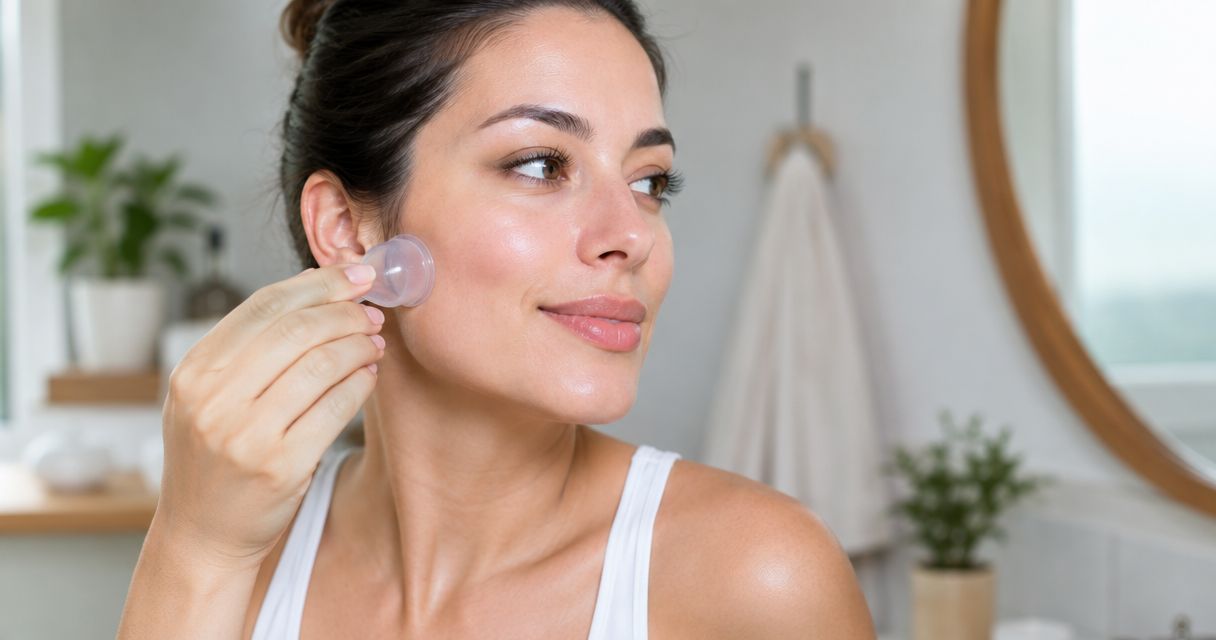
Facial cupping commonly involves smaller cups moved across lubricated skin rather than deliberately leaving strong suction in place to create body-style marks. That distinction describes a technique, not a guarantee of safety. A cup can still pull too strongly, catch on the skin, or irritate an already sensitive area.
Best for: people considering gentle facial massage who have checked that their skin and equipment are suitable. The practical appeal is a massage routine without adopting a body-cupping setup. The drawback is that successful use depends on pressure, movement, skin condition, and product instructions.
Check whether the instructions actually mention facial use. A listing that says massage, relaxation, or wellness does not answer that question. Neither does an image of someone holding the cup near their cheek.
Avoid treating cup size as a complete safety test. A small cup can still create uncomfortable suction, and flexible material does not make misuse harmless. Intended use and controlled technique matter together.
Body cupping: keep body instructions separate
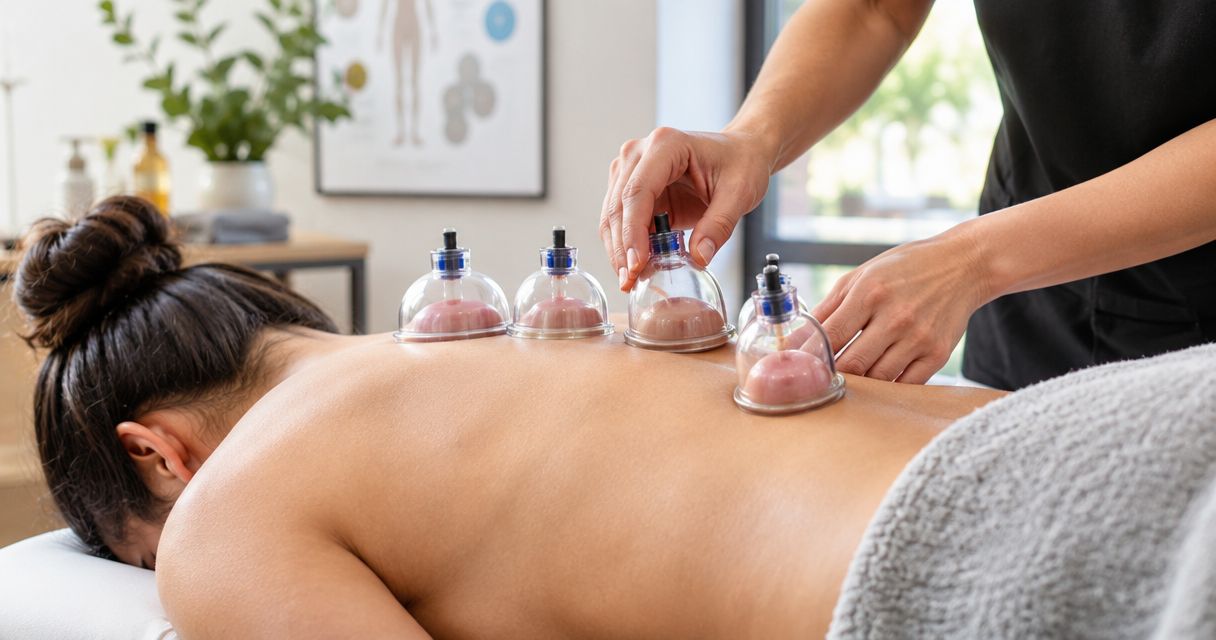
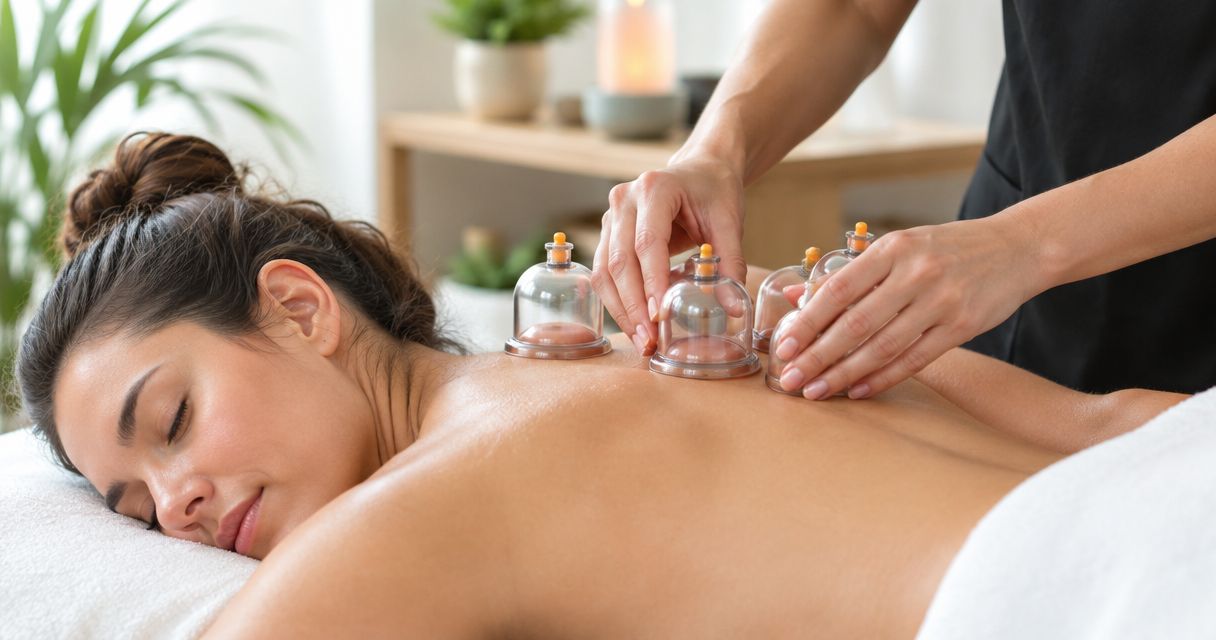
Body cupping often targets larger areas and can leave circular marks. Those marks are not a target for a facial routine. Deliberately recreating them on your cheeks adds visible skin trauma without establishing a cosmetic benefit.
Best for: body treatment within the equipment's stated instructions. Body cups offer an application suited to their intended treatment areas. Their limitation is straightforward: instructions for the shoulders or back cannot be transferred to the face just because the suction mechanism looks familiar.
Do not use a body-cupping demonstration as a facial tutorial. Cup placement, suction, and handling depend on the application. A video that shows someone tolerating strong suction elsewhere does not establish what your facial skin will tolerate.
Fire cupping and wet cupping are not appropriate do-it-yourself facial massage methods. They introduce risks beyond ordinary suction, including burns or skin injury. Keep a home facial routine separate from procedures that involve flames or breaking the skin.
Powered devices: more functions do not mean facial suitability
Powered equipment can combine suction with other functions, including heat. Those features need their own instructions and precautions. A low setting is not permission to use a device on an area the manufacturer has not approved.
Best for: the applications explicitly covered by the device instructions. The advantage is having functions in one handheld tool. The limitation is that settings and features still need to match the intended treatment area.
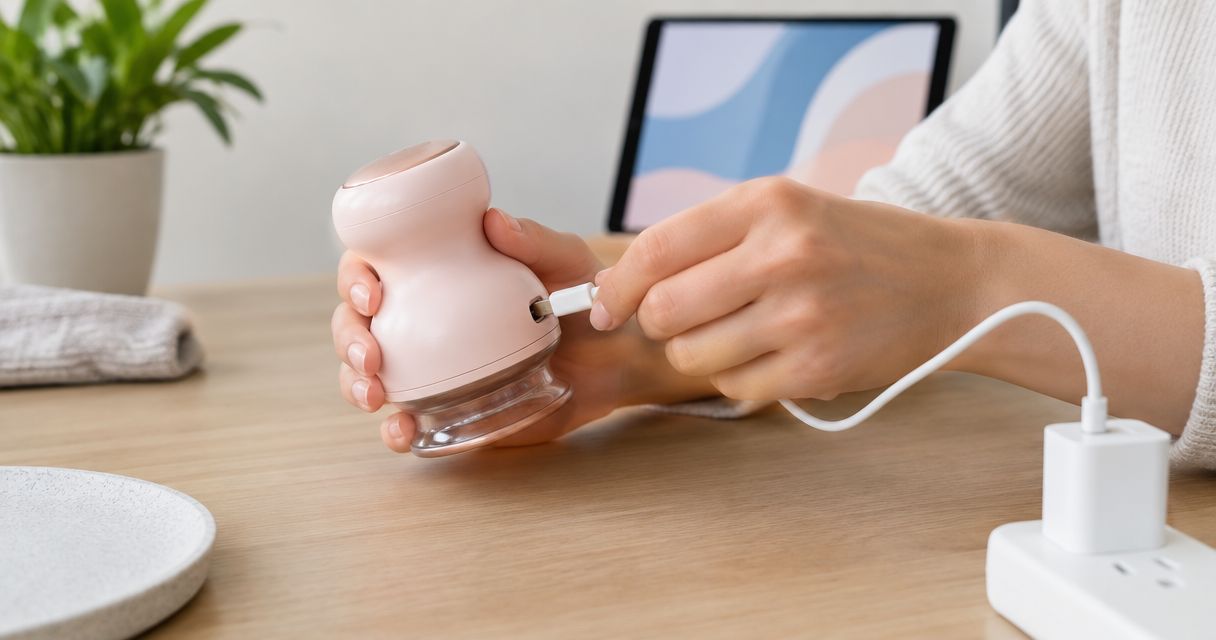
Vazocupping's Vazo Slide is a medical-grade 4-in-1 handheld device combining cupping, heating, massage, and gua sha for at-home cupping therapy and muscle recovery. That description does not establish facial use, so confirm the permitted treatment areas before considering it for your face.
Vazocupping is best suited to shoppers seeking an at-home cupping device for muscle recovery, not a facial-treatment recommendation. A product's category is useful for choosing it; it is not evidence for applications outside its stated purpose.
Why facial cupping results and reactions vary
Facial cupping does not produce a predictable cosmetic result across different people and routines. These factors affect both the experience and the risk:
- Equipment purpose: Facial-use instructions matter more than a general massage claim. Body equipment should remain within its stated applications.
- Suction strength: Stronger pulling increases mechanical stress. More suction is not proof of a better result.
- Cup movement: Holding suction in one place differs from moving a cup across the skin. Stopping because the cup catches is better than dragging through resistance.
- Skin condition: Inflamed, injured, infected, or unusually fragile skin changes the safety decision. Do not treat active irritation as an area to work harder.
- Added heat: Heat introduces another source of skin stress. A device combining heat and suction still needs explicit facial-use guidance.
- Recent procedures and medications: Cosmetic treatments, healing skin, and medicines that affect bleeding or skin sensitivity warrant individual advice before treatment.
For a 2026 routine, keep your goal specific. A massage experience and a lasting change in facial structure are different outcomes. Do not use a temporary appearance change to justify increasing suction or adding sessions.
What should you check before trying facial cupping?
Check suitability before technique. If a product does not explain facial use, stop at the research stage. General instructions are not a substitute for instructions covering the area you intend to treat.
- Read the intended-use instructions. Look for an explicit statement about the face, prohibited areas, cleaning, and precautions. Do not infer permission from a generic wellness description.
- Check your skin. Avoid open wounds, active infection, sunburn, inflamed breakouts, or irritated patches. Ask a dermatologist about persistent redness or a diagnosed skin condition before using suction.
- Review recent treatments and relevant medication. Tell your clinician about injections, resurfacing, surgery, or medication that affects bleeding. Get clearance tied to your situation rather than copying an online waiting period.
- Follow the product's technique. Use only a compatible skin product and the handling method specified in the instructions. Do not substitute a strong body-cupping routine.
- Know the stopping signs. Pain, burning, skin tearing, or unexpected swelling mean stop. Do not continue to complete a routine or achieve a visible mark.
- Check the skin afterward. Persistent pain, blistering, worsening swelling, or signs of infection deserve medical advice. Do not apply more suction to an area that is already reacting.
This is a suitability checklist, not a treatment prescription. No universal suction setting or session duration fits every cup, powered device, and skin condition. Use the actual instructions and individual clinical advice where needed.
Does facial cupping really reduce wrinkles?
Facial cupping is not a proven wrinkle treatment. Research on cupping is limited, and general cupping studies do not establish that facial suction reverses skin aging. A treatment feeling relaxing does not demonstrate lasting wrinkle reduction.
Temporary changes in redness or appearance are not equivalent to collagen remodeling. Before accepting a before-and-after image as evidence, check whether the lighting, expression, and camera angle are comparable—and whether the result lasts beyond the immediate session.
If wrinkles are your main concern, discuss evidence-based skin care with a dermatologist. Do not replace sun protection or prescribed treatment with suction because a routine is described as traditional or natural.
Can facial cupping permanently slim your face?
Facial cupping is not an established way to permanently slim your face. Suction does not provide a demonstrated method for removing facial fat or changing bone structure. Claims about permanent sculpting need more than an immediate photograph.
A face that looks different after massage does not prove lasting reshaping. If swelling is new, painful, one-sided, or persistent, seek an assessment rather than treating it as a cosmetic issue to massage away.
In 2026, judge face-sculpting claims by the outcome being promised. Relaxation, temporary appearance changes, fat reduction, and structural change are not interchangeable benefits.
Should you use facial cupping if you have sensitive skin?
Sensitive or reactive skin calls for extra caution, not stronger suction. Avoid cupping during active irritation and ask a dermatologist about rosacea, eczema, or another diagnosed condition. Do not assume a gentle-sounding product description makes suction suitable.
The skin product used alongside the cup matters too. A fragrance, exfoliating ingredient, or unfamiliar oil can create a separate reaction, making it harder to identify whether the problem came from the product or the suction.
If your skin repeatedly reacts to massage or friction, skip the experiment until you have advice specific to your skin. A wellness routine should not require enduring burning, pain, or worsening redness.
FAQ
Can you use cupping on your face at home?
Yes, facial cupping can be performed at home with equipment specifically intended for facial use, but bruising and irritation remain risks. Follow the product instructions and seek individual advice if you have a skin condition or recent cosmetic treatment.
Can I use a body-cupping machine on my cheeks?
Do not use a body-cupping machine on your cheeks unless its instructions explicitly permit facial use. A low suction setting does not establish that the device is suitable for facial skin.
Is facial cupping supposed to leave bruises?
Bruises are not a goal for a facial massage routine. Stop if suction produces pain or skin injury, and seek medical advice for a severe or persistent reaction.
Does facial cupping get rid of wrinkles?
Facial cupping is not a proven treatment for wrinkles. Temporary changes in appearance do not establish lasting skin rejuvenation.
Can I do facial cupping after fillers or Botox?
Ask your treating clinician before using facial cupping after fillers or Botox. The procedure, treatment area, and healing status determine your aftercare instructions; do not use a generic online waiting period.
Can I use facial cupping on acne or rosacea?
Do not cup over inflamed breakouts or actively irritated skin. Ask a dermatologist whether suction is appropriate for your acne, rosacea, or other skin condition.
Is the Vazo Slide intended for facial cupping?
The supplied Vazo Slide description establishes at-home cupping therapy and muscle recovery, not facial use. Confirm permitted treatment areas in the manufacturer instructions before using it on your face.
One last thing
A visible mark is evidence that your skin reacted—not proof that the treatment worked. That distinction matters when body-cupping images shape your expectations for a facial routine.
Before adding facial cupping to your 2026 routine, write down the outcome you actually want. If the answer is permanent lifting, wrinkle removal, or fat reduction, do not buy suction equipment on that promise. If the goal is facial massage, start with intended-use instructions and your skin's suitability—not the strongest setting.