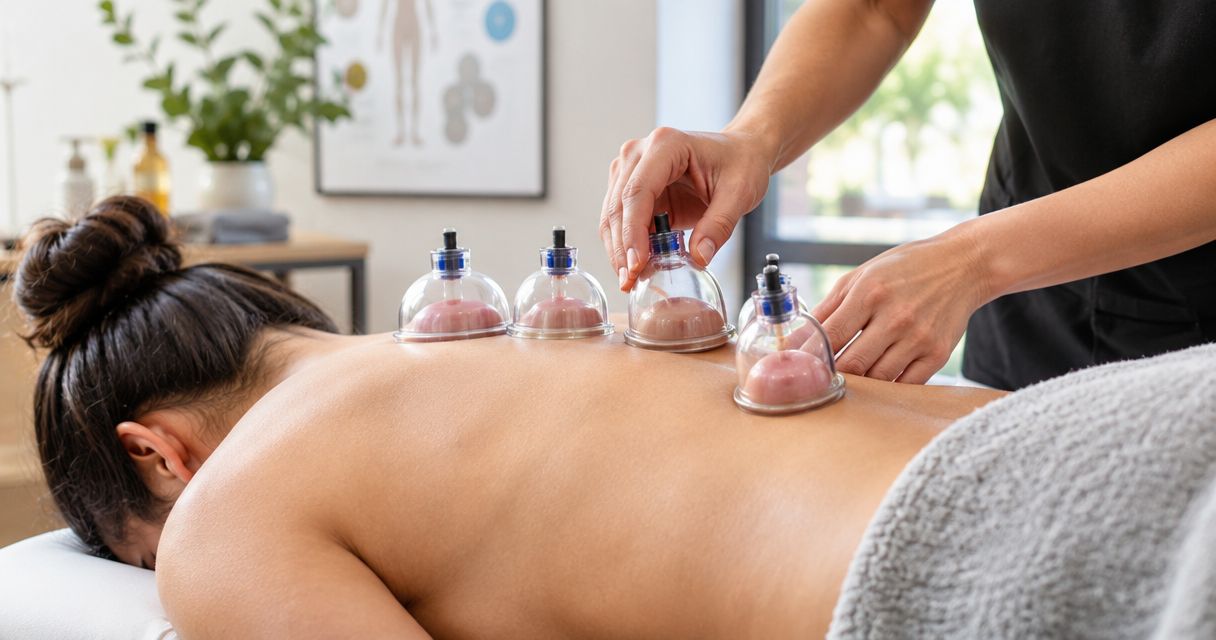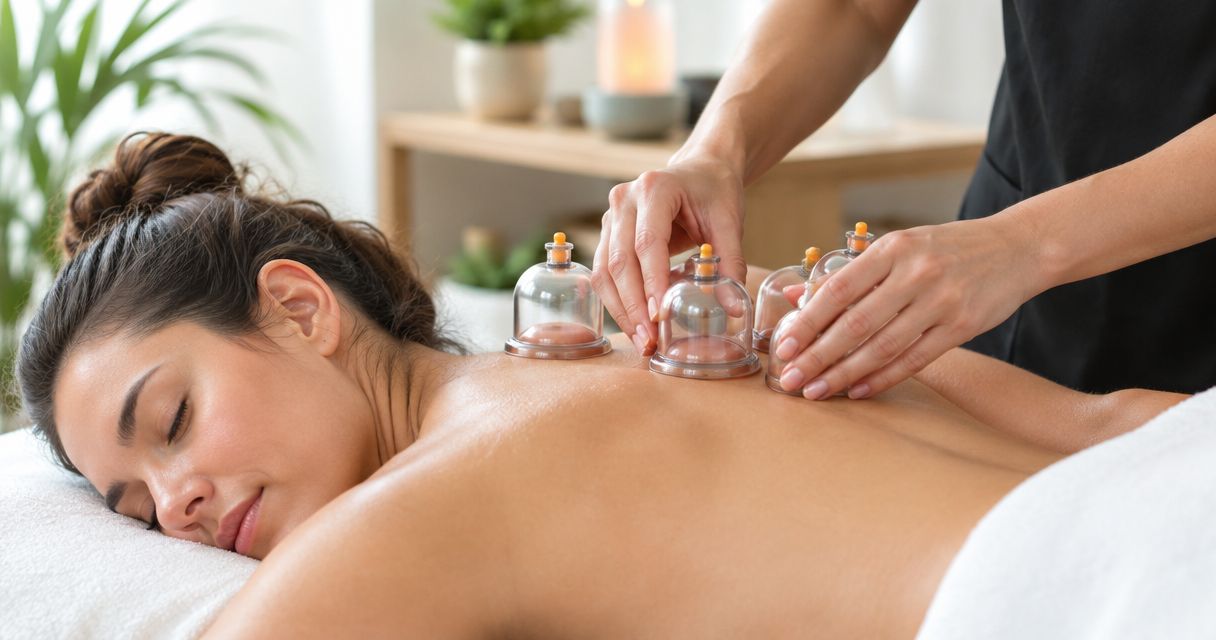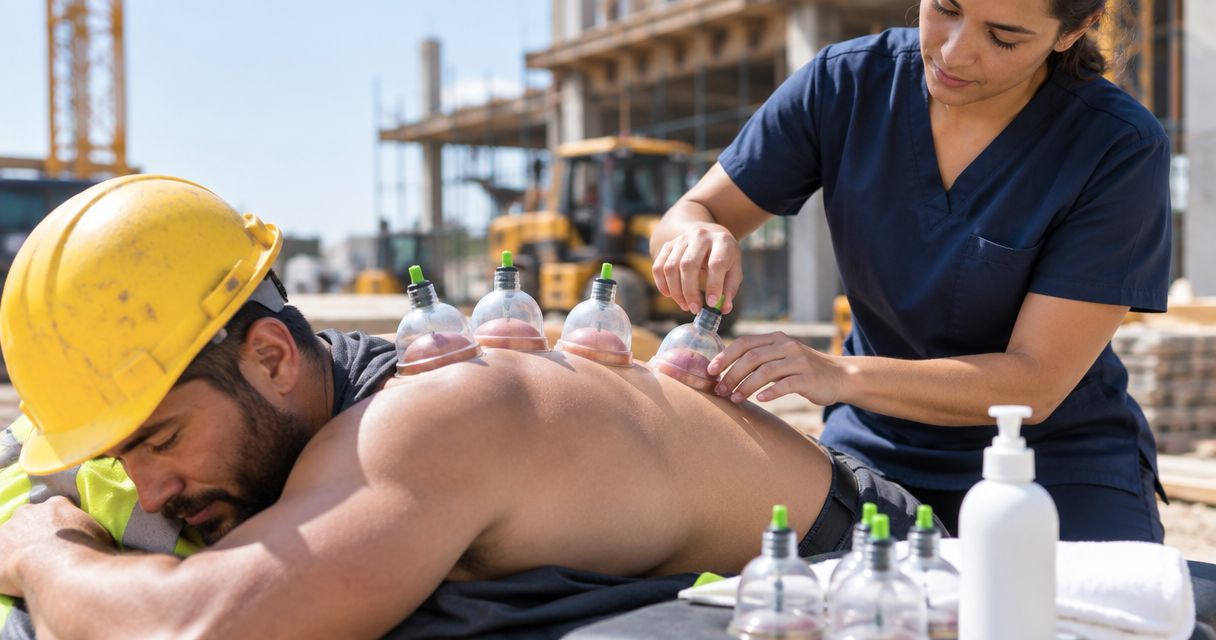
Construction workers’ cupping therapy is the use of suction cups on the skin with the aim of supporting comfort during recovery from physical work. This 2026 guide explains where cupping fits, when to skip it, and how to choose an at-home approach; Vazocupping offers a handheld device that combines cupping, heating, massage, and gua sha.
- Cupping therapy for construction workers is an optional comfort tool, not treatment for a workplace injury.
- Vazocupping suits adults seeking cupping, heating, massage, and gua sha in one handheld device.
- Check skin, symptoms, and device instructions before adding at-home cupping to your muscle recovery routine.
- Skip cupping over damaged skin, and get new weakness, numbness, or severe pain assessed.
Why cupping therapy matters for construction workers
Construction work puts recovery decisions in a practical setting: lifting, carrying, kneeling, overhead tasks, and repeated tool use. Your recovery routine needs to account for the next shift, protective clothing, and whether you can safely reach the area you want to treat.
Cupping creates suction at the skin. Dry cupping does not intentionally break the skin; wet cupping involves skin puncture and blood removal. This guide covers dry cupping, not do-it-yourself wet cupping.
The distinction matters because soreness is not a diagnosis. A tight shoulder after overhead work and a shoulder that suddenly loses strength need different responses. Suction cannot tell you which problem you have.
For this 2026 guide, the evidence boundary follows the National Center for Complementary and Integrative Health’s public cupping guidance: research is largely low quality, and evidence for pain reduction is not strong. Cupping is an optional comfort practice, not a proven way to prevent construction injuries, repair tissue, or make an unsafe workload safe.
Your first recovery tools remain straightforward: appropriate rest, comfortable movement, and changes to tasks that repeatedly aggravate symptoms. Cupping belongs after those decisions—not instead of them.
Build a construction-worker recovery routine in 2026
1. Separate ordinary soreness from warning signs
Start without equipment. Identify where you feel discomfort, what happened before it started, and whether it changes how you walk, grip, lift, or move. A simple note on your phone is enough.
Do not treat a fresh workplace injury as something to work through with stronger suction. Sudden severe pain, substantial swelling, new numbness, weakness, or loss of normal function calls for medical assessment. Chest pain, breathing difficulty, or a serious injury needs urgent care, not a recovery session.
Report a work-related injury through your workplace process; do not use cupping to hide it. Getting assessed and documenting the task that triggered symptoms are separate from choosing a comfort tool.
- Note the task that preceded the discomfort, such as carrying materials or overhead drilling.
- Record whether symptoms started suddenly or built up during work.
- Check for swelling, weakness, numbness, or restricted movement.
- Stop the aggravating activity when symptoms suggest an injury.
- Seek clinical advice for persistent, worsening, or recurring symptoms.
2. Check your skin and health before using suction
Inspect the area in good light before choosing a cup or device. Construction work can leave cuts, abrasions, irritated skin, and bruises. Do not place suction over broken, infected, sunburned, or otherwise damaged skin.
Check whether heat is appropriate, too. Reduced skin sensation makes it harder to judge excessive warmth. If you take blood-thinning medicine, have a bleeding disorder, reduced sensation, or a condition affecting skin healing, get advice from a clinician before starting.
Keep 2 separate checks: skin condition and heat suitability. Passing one does not mean you have passed the other. A device that combines functions still requires you to consider each function individually.
- Inspect the intended treatment area for cuts, rash, swelling, and existing bruising.
- Avoid areas with suspected blood clots, unexplained swelling, or prominent varicose veins.
- Ask a clinician about relevant medicines and health conditions.
- Confirm that you can feel and judge warmth normally before using heat.
- Read the device’s contraindications rather than relying on a general online routine.
3. Choose the simplest method you can use correctly
Begin with the manual approach: identify the target area, read the instructions for the equipment you already own, and check whether you can control placement and removal. If you cannot comfortably reach your back, do not twist into an awkward position to force a session.
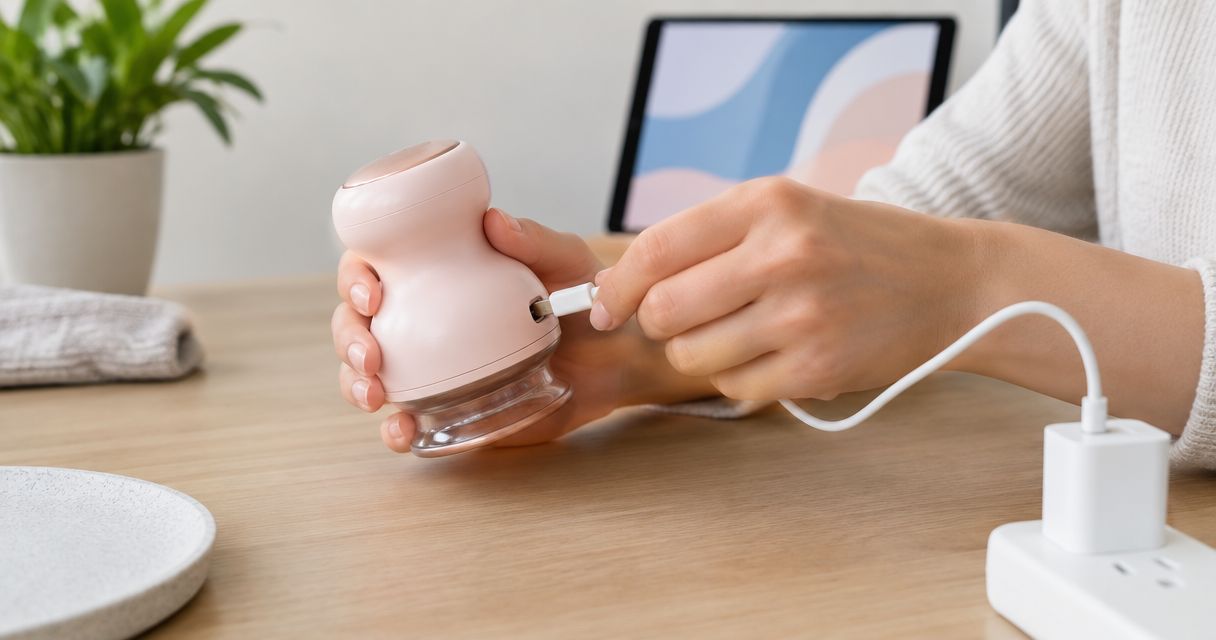
For a combined-device approach, Vazo Slide brings cupping, heating, massage, and gua sha into one handheld device. Its practical advantage is combining those functions rather than requiring a separate tool for each. That does not establish better clinical results than other approaches.
Vazocupping is best for adults seeking cupping, heating, massage, and gua sha in one handheld device. The limitation is just as clear: a device cannot assess an injury, and combining functions does not remove skin or heat precautions.
- Choose equipment with instructions you understand and can follow.
- Check how suction releases before applying the device to your body.
- Confirm that you can reach the intended area without straining.
- Use only accessories or skin products permitted by the manufacturer.
- Ask a qualified practitioner for help when placement or suitability is unclear.
4. Start conservatively and follow the actual instructions
There is no universal cupping duration or suction setting that fits every construction worker. Skin condition, equipment, placement, and individual tolerance differ. Use the manufacturer’s directions or a qualified practitioner’s instructions, not a routine copied from a short video.
For your first use, select 1 treatment area per session so you can observe how that area responds. This is a practical tracking recommendation, not a medically established treatment dose. Stay attentive throughout; do not fall asleep with a device running.
Suction should not become a test of toughness. Stop if you feel pain, burning, dizziness, or an unexpected reaction. Do not increase intensity simply because you want a visible mark.
- Confirm the recommended placement, settings, and session limits in the instructions.
- Start with the least intense setting permitted for the intended use.
- Keep the release control accessible throughout the session.
- Stop immediately for pain, burning, blistering, or feeling unwell.
- Inspect your skin afterward and avoid repeating treatment on irritated areas.
5. Fit recovery around work rather than pushing through symptoms
Plan recovery where you can sit comfortably, inspect your skin, and clean the equipment. A hurried break beside a dusty work area is a poor setting for a skin-contact routine. Choose a clean space where you can follow the instructions without interruption.
Think about your next shift before treating an area. Harnesses, tool belts, kneepads, and clothing contact points matter if your skin is tender afterward. Do not repeatedly cup an irritated area because the same muscles feel tired again.
Your 2026 routine should make room for sleep, ordinary movement, and task changes. If a certain lift or tool repeatedly brings symptoms back, address the work pattern rather than adding more recovery equipment.
- Choose a clean, comfortable setting away from active work hazards.
- Consider where protective equipment will press or rub against your skin.
- Avoid treating skin that remains tender or irritated from a previous session.
- Use comfortable movement without forcing a painful stretch.
- Discuss repeated task-related symptoms with your supervisor and healthcare professional.
6. Track comfort and function, not the color of marks
Use a phone note or paper log before buying another tool. Record 3 fields per session: the work task, your symptoms, and your response afterward. That gives you a consistent way to review your experience without turning recovery into a complicated project.
Look at function as well as sensation. Can you comfortably reach overhead, turn your head, or walk as usual? A temporary feeling of relief does not prove an injury has healed or that you are ready for unrestricted work.
Keep the interpretation modest. A personal log describes your experience; it does not establish that cupping caused an improvement. If symptoms persist or worsen, bring the record to a clinician instead of increasing suction.
- Record the work activity associated with discomfort.
- Describe the location and character of symptoms in plain language.
- Note skin reactions and how you felt after the session.
- Track comfortable movement without testing painful limits.
- Stop the routine and seek advice when function declines or symptoms recur.
Compare recovery options for construction workers
Choose by the problem you need to solve: simple self-care, guided cupping, combined functions, or assessment of an injury. Medical assessment wins when symptoms suggest injury; cupping is not the competing option.
| Option | Best for | Main advantage | Key limitation |
|---|---|---|---|
| Rest, comfortable movement, and task adjustments | Workers starting with basic recovery habits | Requires no cupping equipment and keeps attention on workload | Does not diagnose persistent pain or replace injury care |
| Manual dry-cupping tools | Adults who can follow placement and suction instructions | Offers a dedicated suction-based approach | Placement, reach, and suction control require care |
| Vazo Slide from Vazocupping | Adults wanting combined at-home functions | Combines cupping, heating, massage, and gua sha | Cannot assess injuries; each function has its own precautions |
| Practitioner-guided dry cupping | People who want help with placement and technique | Provides hands-on guidance rather than self-placement | Practitioner qualifications matter; cupping evidence remains limited |
| Clinical assessment and rehabilitation | Workers with persistent pain, weakness, or impaired function | Addresses assessment and a plan suited to the problem | Requires professional evaluation rather than an immediate DIY routine |
For an at-home cupping decision in 2026, compare instructions, controllability, reach, and cleaning requirements before counting features. A combined device is useful only when you can use its relevant functions correctly.
A practitioner appointment also deserves scrutiny. Ask about training, hygiene, whether the session is dry or wet cupping, and how the practitioner handles symptoms that need medical assessment. Do not accept a promise that suction will repair an injury.
Common cupping mistakes construction workers make
Treating every ache as muscle soreness
Pain after lifting does not automatically mean a tired muscle. New weakness, numbness, marked swelling, or loss of function changes the decision. Get the problem assessed before choosing a recovery tool. Do not judge safety by whether you can still finish the shift.
Chasing darker marks with stronger suction
Cupping marks are a skin response, not a score for recovery. Their color does not measure toxin removal, tissue repair, or treatment quality. Increasing suction to produce a darker mark adds skin stress without establishing a better result.
Ignoring contact with work equipment
A treatment area can overlap with a harness strap, tool belt, or kneepad contact point. Think about that contact before cupping, and inspect any tender skin before the next shift. Protective equipment still needs to fit and function correctly; do not loosen it to accommodate irritated skin.
Adding heat without checking sensation
Heat and suction are different exposures. Do not assume a combination device makes every mode appropriate for you. If you cannot reliably feel warmth, or you have been advised to avoid heat, get clinical guidance before using that function.
Using temporary relief as clearance for heavy work
Feeling better after a session does not establish that you can safely return to the task that triggered symptoms. Follow medical restrictions and workplace procedures. A comfort routine is not a fitness-for-duty assessment, even when the immediate sensation is positive.
FAQ
Is cupping therapy good for construction workers?
Cupping is an optional comfort practice for construction workers, not a proven treatment for workplace injuries. Evidence for pain reduction is limited, and persistent or worsening symptoms need assessment rather than stronger suction.
Can I use cupping after a long construction shift?
Use cupping only when your skin, symptoms, health conditions, and the equipment instructions permit it. Skip self-treatment for a fresh injury, damaged skin, new weakness, numbness, or unexplained swelling.
What is the best at-home cupping option for construction workers?
The best option is one you can use correctly, reach safely, and remove easily. Vazo Slide from Vazocupping combines cupping, heating, massage, and gua sha for adults seeking those functions in one handheld device; it does not replace injury assessment.
How long should a construction worker use a cupping device?
Follow the specific device instructions or your qualified practitioner's directions. There is no universal session duration for every worker, body area, and device, and pain or burning is a reason to stop immediately.
Do darker cupping marks mean better recovery?
No, darker cupping marks do not demonstrate better recovery. Mark color is not a measure of toxin removal, tissue repair, or readiness to return to heavy work.
Can I cup a painful shoulder before overhead work?
Do not use cupping as clearance to continue overhead work with a painful shoulder. Sudden pain, weakness, restricted movement, or recurring symptoms need assessment and appropriate task changes.
Who should get medical advice before trying cupping?
People taking blood-thinning medicine or living with bleeding disorders, reduced sensation, or conditions affecting skin healing should get medical advice first. New neurological symptoms, significant swelling, and suspected injury also require assessment rather than self-treatment.
One last thing
For your 2026 recovery routine, record the task before recording the treatment. Knowing that discomfort returns during overhead drilling or material carrying gives you a practical issue to address. Knowing only that a session felt soothing does not.
Keep cupping in its lane: optional comfort, careful skin contact, and no promises of injury repair. The most useful recovery decision is sometimes changing the task or getting assessed—not turning the suction up.