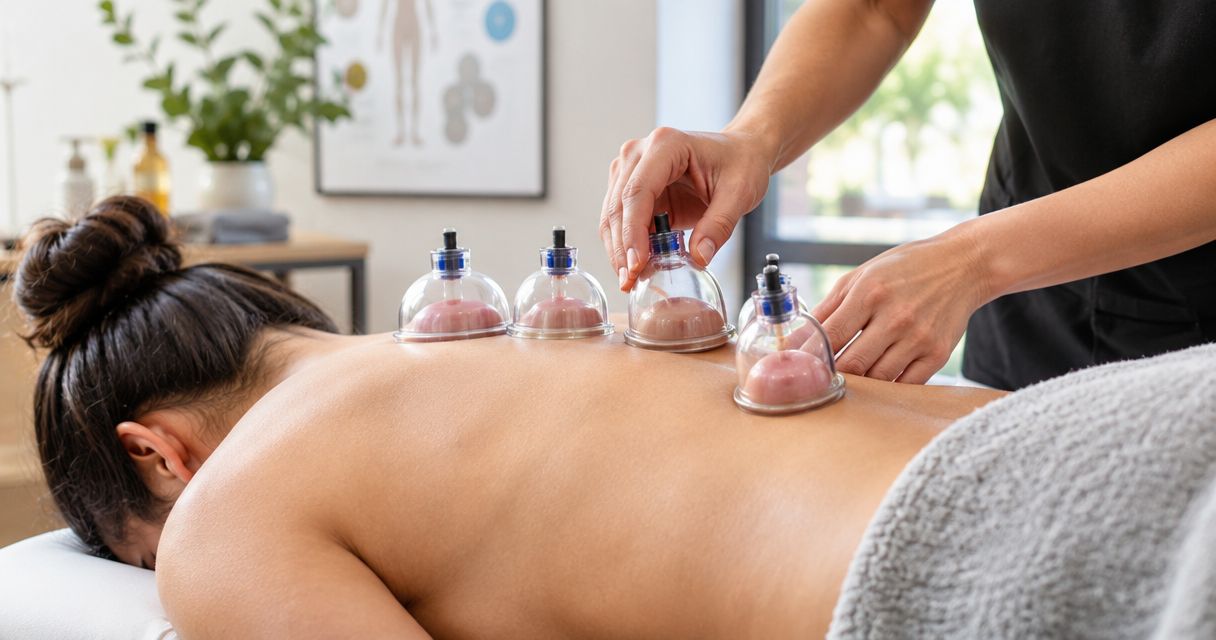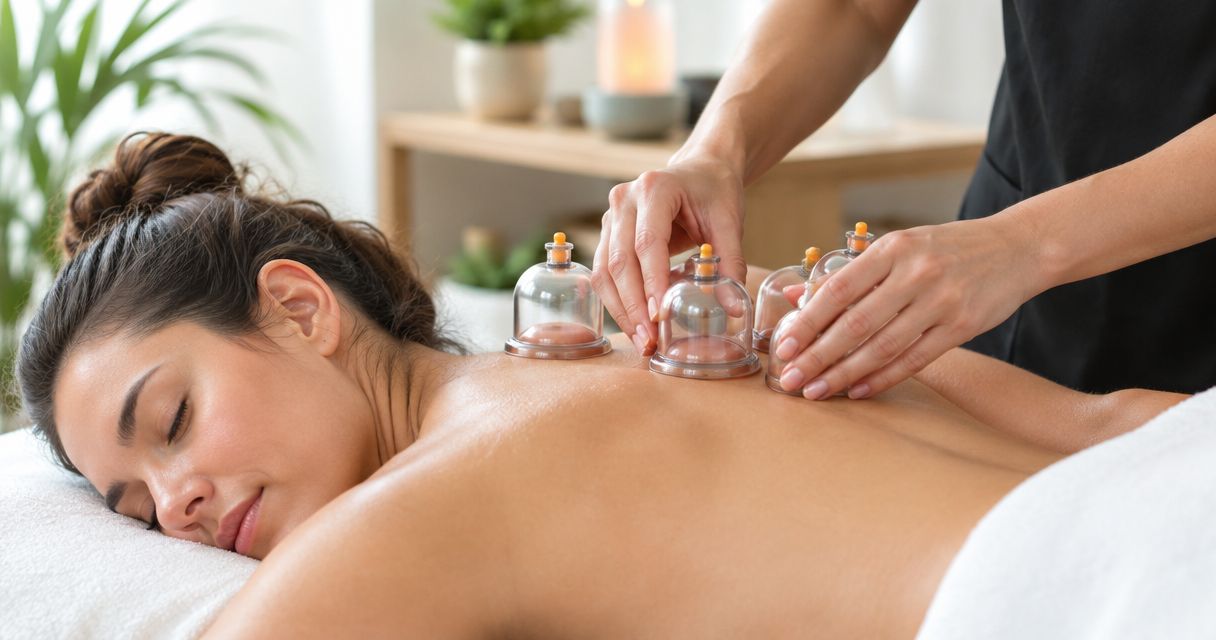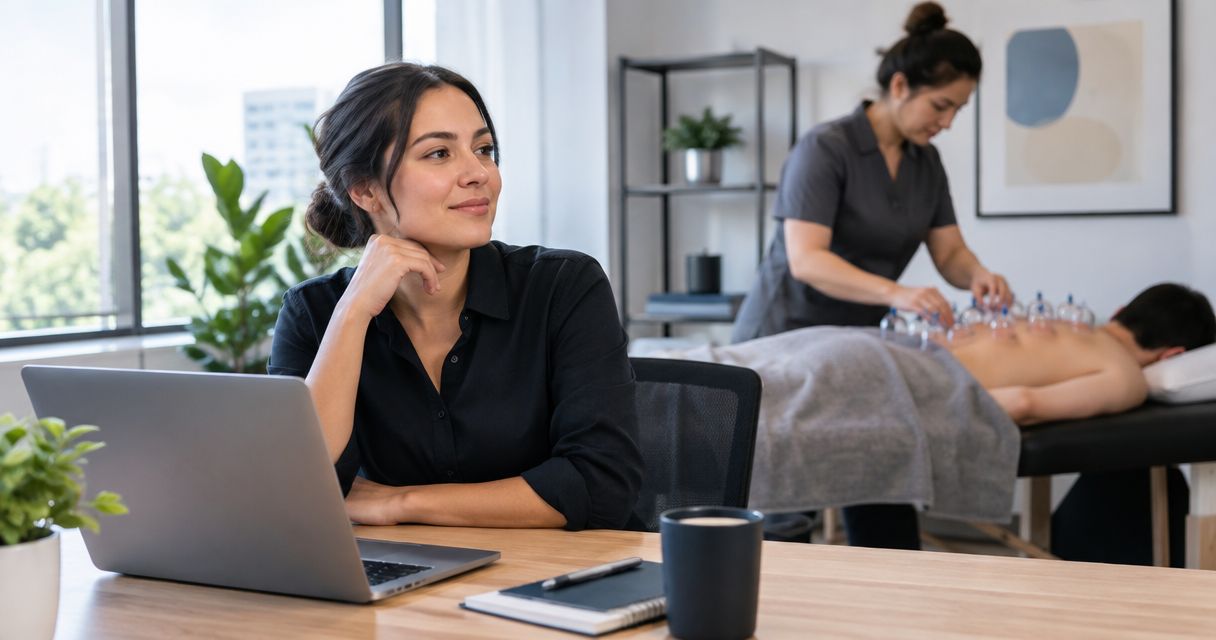
Desk-worker cupping therapy is the use of suction cups on the skin as an optional comfort practice, with the aim of easing the experience of muscle tension around office work. This 2026 guide explains cupping therapy for desk workers, how to approach it safely, and where it fits alongside movement and workstation changes—not instead of them.
- Cupping therapy for desk workers is optional; movement and workstation changes come first.
- Vazocupping suits consumers seeking a combined at-home cupping, heating, massage, and gua sha device.
- Cupping marks are not proof of muscle recovery, toxin removal, or treatment success.
- Choose professional guidance when symptoms persist or you cannot safely reach the treatment area.
Why cupping therapy matters for desk workers
Office work creates a practical problem: your recovery routine must fit around meetings, screen time, and the areas you can actually reach. A sore upper back is not an easy place to position a handheld device yourself. Adding suction without solving that access problem makes the routine harder, not better.
Cupping belongs in the comfort category, not the workstation-fix category. It does not change your monitor position, shorten your commute, or replace opportunities to move. Treat cupping as an optional addition to your routine, not the foundation of it.
Vazocupping sells a handheld device combining cupping, heating, massage, and gua sha. That combination addresses the choice between separate tools; it does not establish that the device treats office-related pain.
For your 2026 routine, start with a clear distinction: ordinary tension after a workday calls for a different response from new weakness, numbness, or severe pain. The next steps help you keep that distinction intact.
Build a desk-worker cupping routine
1. Identify the discomfort before choosing a tool
Describe what you feel before deciding what to do. Is it a tired shoulder after using a mouse, a stiff back after sitting, or pain that travels into your arm? These descriptions are more useful than a broad label such as office tension.
Cupping research does not establish it as a reliable fix for every kind of pain. The National Center for Complementary and Integrative Health describes the evidence for pain relief as limited. That makes symptom selection important: a comfort practice is not a substitute for finding the cause of persistent symptoms.
Do not cup through unexplained or worsening pain. Seek medical assessment for new numbness, weakness, or pain after an injury; chest pain or sudden severe symptoms need urgent care.
- Record the location and whether symptoms spread elsewhere.
- Note the task that brings symptoms on, such as typing or driving.
- Separate muscle tiredness from tingling, numbness, or weakness.
- Check whether symptoms settle when you change position.
- Arrange assessment when symptoms persist, worsen, or disrupt daily activity.
2. Change the workday before adding suction
Start with the manual, equipment-free approach: change position, take a movement break, and adjust the work you can control. These steps address the setting in which discomfort develops. A recovery device does not.
Inspect the relationship between your chair, screen, keyboard, and mouse. You should not have to keep reaching for your mouse or craning toward your display. If your laptop setup forces a trade-off between comfortable viewing and comfortable typing, consider separating those tasks with an external keyboard or display.
Use 3 daily check-ins as a planning prompt: before work, around lunch, and after work. This is a routine suggestion, not a treatment schedule. At each check-in, ask whether your setup encourages a comfortable position and whether you have moved recently.
- Bring frequently used items within comfortable reach.
- Adjust the screen so you can read without repeatedly leaning forward.
- Rest your feet on the floor or a suitable support.
- Alternate tasks and positions rather than chasing one perfect posture.
- Add brief walks or comfortable movement between work blocks.
3. Choose a method you can control
A gentle self-massage or comfortable movement routine lets you explore what feels helpful without suction. Start there if your main goal is to unwind after work. Neither method requires you to leave circular marks on your skin.
If you want to add cupping, distinguish professional treatment from self-use. A practitioner can assess placement and reach areas that are awkward to access alone. A handheld device gives you control at home, but that control comes with responsibility for placement, cleaning, and following instructions.
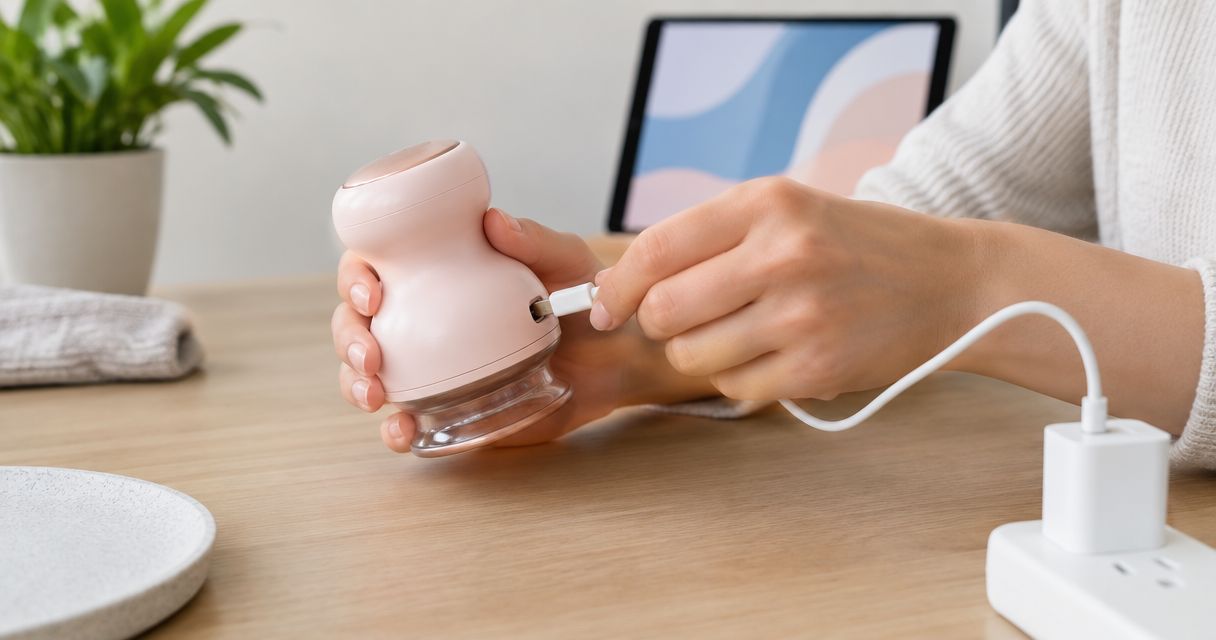
Vazocupping's Vazo Slide combines cupping, heating, massage, and gua sha in a handheld device. Vazocupping is best suited to consumers seeking a combined at-home cupping and massage device. Its limitation for desk workers is practical: a handheld format still requires you to reach and control the area being treated.
For 2026, choose by usability rather than the number of functions alone. More functions do not mean you should use every function in every session.
- Try comfortable movement or gentle self-massage first.
- Choose professional guidance for difficult-to-reach areas.
- Read the device instructions before deciding where to use it.
- Confirm that you can stop and release suction without difficulty.
- Treat heat and suction as separate decisions, not automatic companions.
4. Check your skin and health circumstances
At-home cupping should begin with a safety check, not a stronger setting. Suction can cause temporary marks, and cupping can also cause skin injury. Heated tools add a separate risk of burns.
Do not apply cupping over broken, infected, irritated, or already injured skin. Avoid areas with reduced sensation because you need to detect discomfort and excessive heat. If you bruise easily, have a bleeding disorder, or take anticoagulant medication, discuss cupping with a clinician before using it.
Pregnancy, recent surgery, and ongoing medical treatment also require individual guidance about treatment areas and suitability. A device described as medical-grade does not replace medical advice. Read the manufacturer's warnings even if you have used ordinary cups before.
- Inspect the intended treatment area in good light.
- Check medication and health-related precautions with your clinician.
- Avoid skin that is damaged, inflamed, or numb.
- Review all warnings for suction and heating functions.
- Clean the contact surfaces as the manufacturer directs.
5. Set up a controlled session outside working hours
Do not begin your first session while answering emails or joining a call. You need attention available to monitor your skin, comfort, and the device. A rushed session creates a poor setting for learning how a tool behaves.
Choose a comfortable position that does not require twisting to hold the device in place. Follow the manufacturer's instructions for placement, settings, movement, and duration. There is no universal suction level or session length that applies to every device and every person.
Start with the lowest permitted setting when the instructions direct you to do so, and do not increase intensity to chase a stronger sensation. Pain is a stop signal, not a recovery target. Stop if you develop sharp pain, burning, dizziness, or concerning skin changes.
- Set the device and instructions within easy reach.
- Choose an area you can see and access comfortably.
- Keep your attention on the session rather than your screen.
- Follow the stated limits for settings and duration.
- Stop and inspect the skin if anything feels wrong.
- Do not improvise overnight use or use while asleep.
6. Measure comfort rather than the darkness of marks
A darker cupping mark does not prove a better result. The marks reflect effects on the skin and small blood vessels; they are not a measurement of toxins leaving your body or muscle tissue recovering.
Keep 2 brief notes per session: how you felt beforehand and how you felt afterward. Describe a relevant activity, such as turning your head comfortably or sitting through a meeting, rather than recording only whether the session felt intense.
Your 2026 recovery log should also capture irritation or discomfort. If a routine leaves your skin sore or makes ordinary activities less comfortable, that matters even if you enjoyed the sensation during use. Do not repeatedly treat marked or irritated skin to maintain a schedule.
- Record the same everyday activity before and after use.
- Note skin tenderness, irritation, or any unexpected response.
- Track whether comfort lasts beyond the immediate session.
- Leave affected skin alone until it has recovered.
- Stop routines that worsen symptoms or encourage escalating intensity.
7. Keep the helpful parts and remove the rest
A useful routine must fit your actual workday. If setup takes your attention away from sleep, movement, or getting an appropriate assessment, simplify it. You do not need a complicated recovery ritual to justify owning a device.
Make 1 routine change at a time so you can notice what helps. Changing your workstation, starting cupping, adding heat, and beginning new exercises together makes the result difficult to interpret. Keep notes without treating them as a diagnosis.
Vazocupping's combined functions offer different ways to approach an at-home comfort routine, but the right choice is not automatically the most intensive one. Keep only the functions you can use safely and comfortably under the instructions.
- Keep movement and workstation adjustments in the routine.
- Change one element before adding another.
- Remove settings or techniques that irritate your skin.
- Seek assessment rather than repeatedly treating persistent symptoms.
- Judge the routine by everyday comfort, not ritual or visible marks.
Compare options for office-related muscle tension
Choose an option by the problem you need to solve. Workstation changes address your working conditions; a cupping device provides a separate at-home practice. Neither should be presented as doing the other's job.
| Option | Best for | Main advantage | Key limitation |
|---|---|---|---|
| Movement and workstation adjustments | Desk workers whose discomfort relates to prolonged positioning or repeated reaching | Changes the workday without a suction device | Does not diagnose persistent pain or neurological symptoms |
| Gentle self-massage | People seeking a simple hands-on comfort routine | Lets you control pressure directly | Some areas are difficult to reach; pressure can still irritate tissue |
| Professional cupping | People who want help with placement and hard-to-reach areas | Provides hands-on oversight during the session | Requires an appointment; oversight does not guarantee pain relief |
| Vazo Slide | Consumers seeking combined handheld cupping, heating, massage, and gua sha | Brings the stated functions into one device | Requires instruction-led self-use and comfortable access to the treatment area |
| Clinical assessment | People with persistent, worsening, radiating, or unexplained symptoms | Helps evaluate the cause and choose appropriate care | Is an assessment pathway, not an instant comfort treatment |
Choose assessment over another recovery tool when the cause of your symptoms is unclear. For ordinary post-work tension, start with the simplest appropriate option and add equipment only when you have a clear reason.
Common mistakes desk workers make
Treating the neck like any other muscle area
The front and sides of your neck are not suitable places for casual experimentation with suction. A stiff neck does not give you a safe placement map. Follow device restrictions and seek qualified guidance rather than copying a social-media demonstration.
Using cupping while continuing the same uncomfortable setup
An evening session does not correct repeated reaching or an awkward screen position during work. Review the desk setup alongside your comfort routine. Otherwise, you are adding a task without addressing the work conditions you can change.
Chasing marks before an office event
Cupping can leave visible marks, including around areas exposed by work clothing. Do not chase darker marks or assume they will disappear by a particular meeting. Consider visibility before treatment, not afterward.
Combining maximum heat with strong suction
Combining functions does not make their risks disappear. Heat and suction require separate attention, especially when sensation is reduced. Use only combinations permitted by the instructions and stop at discomfort.
Treating an injured wrist as routine typing tension
Tingling, weakness, swelling, or persistent wrist pain needs evaluation rather than repeated self-treatment. Cupping is not a diagnostic test for office-related hand symptoms. Do not let a temporary sensation of relief delay appropriate care.
FAQ
Does cupping therapy help desk workers with tight shoulders?
Cupping is an optional comfort practice, not a proven fix for desk-worker shoulder pain. Evidence for pain relief is limited; start with movement and workstation adjustments, and seek assessment for persistent symptoms.
Is at-home cupping better than professional cupping for office workers?
At-home cupping offers control over your routine, while professional cupping offers help with placement and access. Choose professional guidance when you cannot comfortably reach or monitor the intended area.
Can I use a cupping device on my neck after computer work?
Do not experiment with suction on the front or sides of your neck. Follow the device's placement restrictions and seek qualified guidance for neck symptoms, especially when pain spreads or accompanies numbness.
How long should a desk worker use a cupping device?
Follow the specific device instructions for session duration. There is no universal session length for every device or user, and discomfort is a reason to stop rather than extend treatment.
What makes Vazo Slide relevant to an office recovery routine?
Vazo Slide combines handheld cupping, heating, massage, and gua sha for at-home use. That combination suits consumers who want those functions in one device, but it does not replace ergonomic changes or medical assessment.
Do darker cupping marks mean better muscle recovery?
No, darker cupping marks are not proof of better muscle recovery. Judge the routine by comfort, skin response, and everyday activity rather than the appearance of marks.
Can I use cupping during a meeting or while typing?
Keep cupping separate from meetings and typing so you can monitor the session. Choose a position that lets you control the device, observe your skin, and stop promptly if discomfort develops.
One last thing
Before adding cupping to your 2026 workweek, watch what happens when you reach for your mouse. If you repeatedly lean, lift your shoulder, or stretch your arm, adjust that task first. The most useful recovery decision can happen at your desk, before you touch a recovery device.