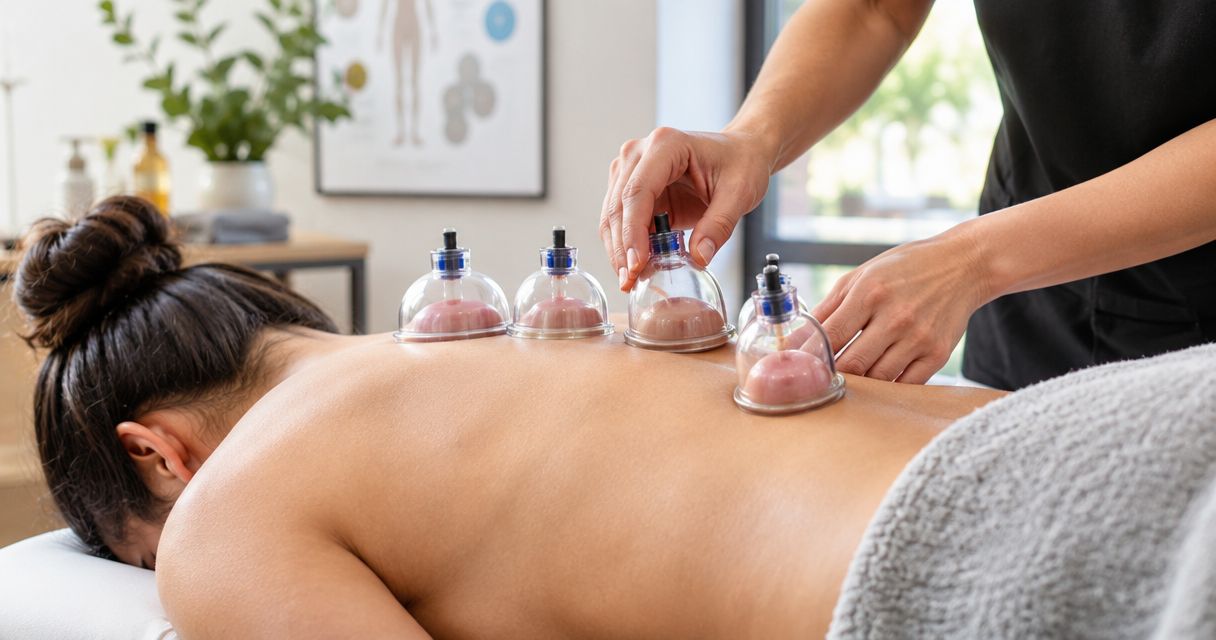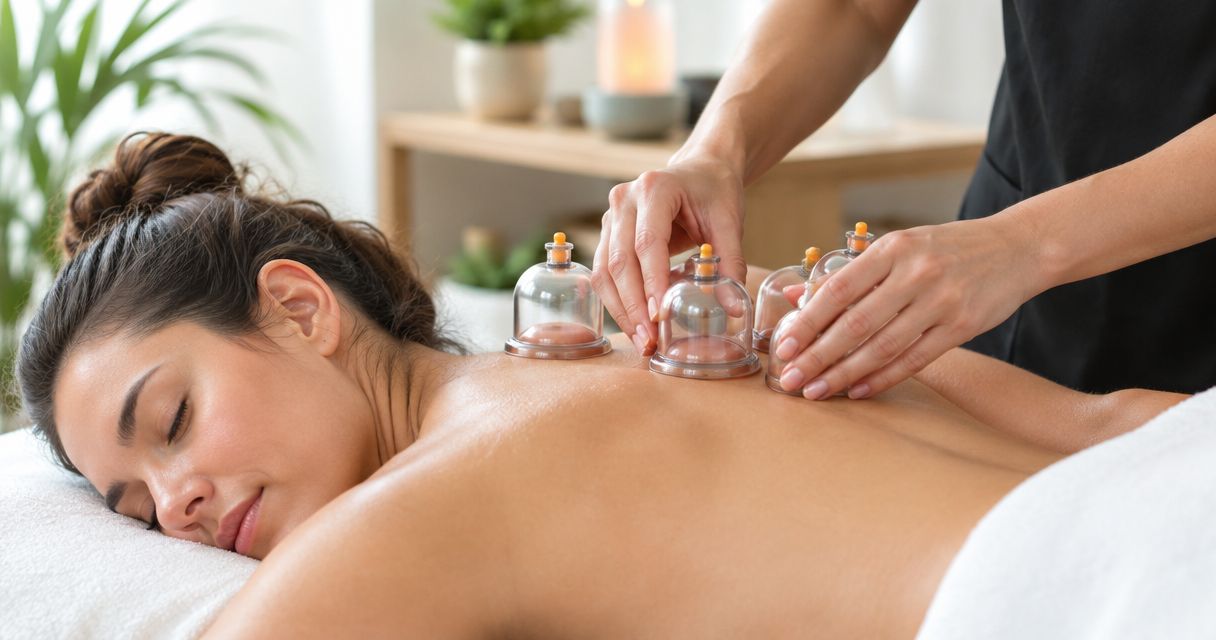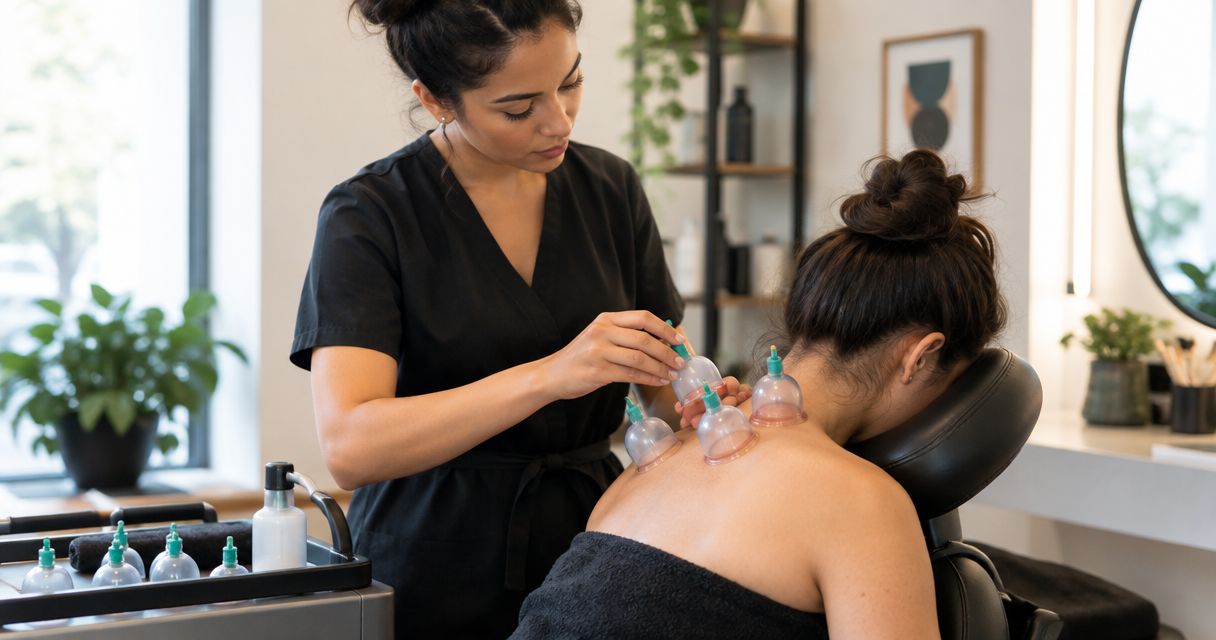
Cupping therapy for hairstylists is the use of suction cups on the skin with the aim of supporting a muscle-recovery routine around salon work. This 2026 guide explains how to assess cupping, choose between professional and at-home options, and build a routine without treating wrist pain, shoulder symptoms, or visible cupping marks as proof of recovery.
- Cupping therapy for hairstylists is an optional recovery practice, not a substitute for ergonomic changes or medical assessment.
- Vazocupping suits hairstylists seeking a handheld option for at-home cupping therapy and muscle recovery.
- Vazo Slide combines cupping, heating, massage, and gua sha; follow its instructions rather than improvising treatment settings.
- Choose professional assessment for persistent pain, numbness, weakness, or symptoms that interfere with salon work.
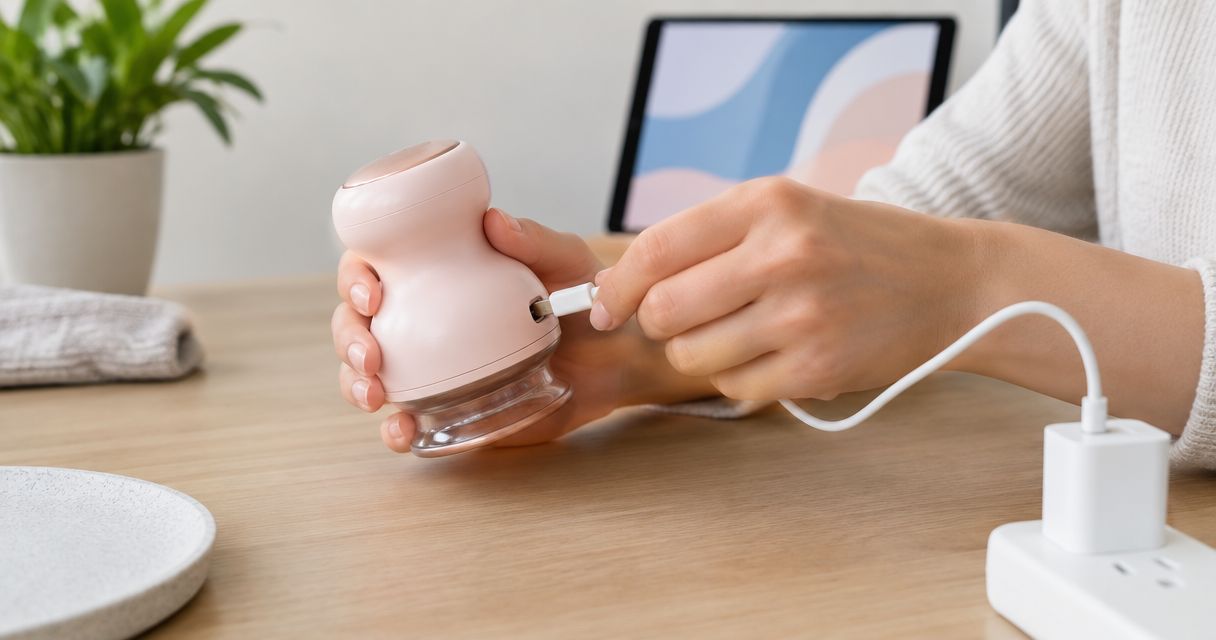
Vazocupping sells handheld cupping devices for consumers seeking at-home cupping therapy and muscle recovery. Vazocupping is best for hairstylists seeking a handheld, at-home cupping device rather than a hands-on treatment appointment. That distinction matters: owning a device does not provide an examination, a diagnosis, or help reaching every treatment area.
Why cupping therapy matters for hairstylists
Salon work combines standing, repeated hand movements, and sustained arm positions. Cutting, blow-drying, coloring, and braiding place different demands on your working day, so a useful recovery plan starts with the task that provokes discomfort—not with a device setting.
Cupping applies suction to the skin. Dry cupping does not involve cutting the skin; wet cupping does. For a consumer recovery routine, keep that distinction clear and do not attempt skin-piercing procedures at home.
Cupping is an optional comfort practice, not a proven solution to the occupational causes of salon pain. Research on cupping and pain has limitations, and temporary relief does not establish that an injury has healed. Avoid promises about removing toxins, repairing nerves, or curing repetitive-strain conditions.
For your 2026 salon routine, the priority is straightforward: reduce the demands you can change, assess symptoms you should not ignore, and then decide whether cupping adds anything useful. A session after work cannot compensate for a workstation that repeatedly forces you into an uncomfortable position.
How to build a cupping routine around salon work
Identify the task behind your discomfort
Start with observation, not suction. Write down where you feel discomfort, what you were doing when it started, and whether it settles when you stop that task. Include the work you do outside the salon, such as cleaning tools or carrying equipment.
Separate ordinary post-work tiredness from symptoms that affect grip, coordination, sleep, or daily activities. A label such as stylist shoulder is not a diagnosis. Describe what happens rather than assigning yourself a condition.
Use 3 questions before choosing a recovery method: What triggers the symptom? What changes it? Does it affect your ability to work?
- Record the salon task associated with each symptom.
- Note whether discomfort occurs during work, afterward, or at rest.
- Distinguish soreness from tingling, numbness, or weakness.
- Bring persistent or worsening symptoms to a qualified healthcare professional.
Adjust your workstation before adding cupping
Change the work setup first. Position the client and chair so you can work without repeatedly reaching farther than necessary. Move around the chair instead of holding one awkward position simply because your tools are there.
Review both your 2 workstations: the styling station and the shampoo station. They create different positions and deserve separate checks. Ask a colleague to observe a task that bothers you; an outside view can reveal a reach or posture you miss while concentrating on the client.
Build recovery opportunities into the schedule you already have. The goal is to interrupt sustained positions, not to add a complicated exercise program between appointments.
- Adjust the client’s chair before starting each task.
- Keep frequently used tools within a comfortable reach.
- Reposition yourself instead of stretching across the client.
- Alternate tasks when your appointment schedule allows.
- Use natural appointment transitions to change position.
Choose a method that matches your reach and needs
Begin by asking whether you need assessment, hands-on help, or a self-managed routine. These are different needs. A clinician can assess symptoms; a cupping appointment offers practitioner assistance; a handheld device offers a way to perform cupping at home.
The Vazo Slide combines 4 functions: cupping, heating, massage, and gua sha. Its advantage is combining those functions in a handheld device. Its limitation is equally important: you still need to follow the instructions, screen your own situation appropriately, and reach the intended area without straining.
Vazocupping’s cupping therapy option fits a self-managed recovery routine, not a diagnostic appointment. Do not choose equipment solely because it offers more functions; choose a method you can use correctly.
- Choose professional assessment when symptoms need an explanation.
- Choose practitioner assistance when you cannot comfortably reach an area.
- Choose a handheld device only if you can follow its use instructions.
- Check cleaning, operating, and safety instructions before purchase.
- Avoid self-treatment techniques that require piercing the skin.
Check whether home cupping is appropriate
Read the device instructions before your first session. General advice cannot replace the manufacturer’s directions for permitted body areas, suction, heat, movement, cleaning, and stopping use. Do not copy settings from a social video featuring a different device.
Cupping can cause skin discoloration, and burns or skin injury are possible, particularly when heat or improper use is involved. Broken, irritated, or infected skin is not a place to experiment. Ask a qualified healthcare professional before cupping if you take blood-thinning medication or have a condition that affects bleeding, sensation, or skin healing.
For hairstylists, checking your skin includes noticing irritation from products, repeated washing, or glove use. Recovery should not add another skin problem to your working day.
- Read the complete instructions, including contraindications.
- Check the intended treatment area for irritation or broken skin.
- Ask about relevant medications and medical conditions.
- Follow the device’s rules for heat and suction.
- Stop if use causes pain, burning, blistering, or other concerning symptoms.
Set up a controlled after-work session
Begin with a comfortable position and a clear surface for the device. You should not need to twist, raise your shoulder, or hold a strained position to treat yourself. If reaching the area recreates the discomfort you are trying to address, choose another approach.
Follow the manufacturer’s instructions for skin preparation and any recommended application medium. Do not improvise with salon products, assume every oil is suitable, or combine several treatment techniques simply because the device offers them.
Keep the first session focused on learning correct use and observing your response. More suction, more heat, and darker marks are not recovery targets. There is no universal session length or setting that this guide can safely assign across devices and users.
- Set up where you can sit or stand comfortably.
- Keep the controls within easy reach.
- Use only preparation methods permitted by the instructions.
- Follow the specified settings and session limits.
- Clean and store the device as directed after use.
Measure function instead of chasing cupping marks
Decide what you want to improve before you judge the session. For a hairstylist, a useful observation is whether a familiar task feels more comfortable—not whether the skin looks more dramatic afterward.
Keep a simple 2026 recovery log that records the task, symptoms, method used, and subsequent response. Record workstation changes too. If you alter several things at once, you cannot clearly attribute a change to cupping alone.
A log is for spotting patterns and explaining symptoms, not proving that a treatment works. Temporary comfort should not persuade you to ignore recurring pain or increase the workload that provokes it.
- Track comfort during a specific salon task.
- Record skin reactions separately from muscle symptoms.
- Note ergonomic changes alongside recovery practices.
- Check whether any benefit lasts into ordinary activity.
- Stop repeating sessions that irritate your skin or worsen symptoms.
Set clear boundaries for seeking help
Make the decision to seek care before you become committed to a routine. Persistent pain, recurring tingling, numbness, or weakness deserves assessment rather than repeated attempts to adjust suction. Symptoms that interrupt sleep or make you drop tools also warrant professional attention.
Do not use cupping to mask a new injury so you can finish a full appointment book. Sudden severe symptoms, major injury, or symptoms accompanied by chest pain or breathing difficulty require urgent medical attention—not a recovery session.
A useful salon recovery plan has an exit route. You should know when to pause self-treatment and whom to contact for assessment.
- Seek assessment for persistent or worsening symptoms.
- Report changes in grip, sensation, or coordination.
- Stop using the device on injured or reacting skin.
- Describe your actual salon tasks during an appointment.
- Follow clinical advice instead of using cupping to override it.
Compare recovery options for hairstylists
Choose your 2026 approach by its purpose, not by the strongest promise on the packaging. Workstation changes address how you perform salon tasks; clinical assessment investigates symptoms; cupping adds an optional recovery practice. None of these roles is interchangeable.
| Option | Best for | Main advantage | Key limitation |
|---|---|---|---|
| Workstation adjustments and position changes | Hairstylists whose discomfort relates to particular working positions | Changes the task or setup associated with discomfort | Does not diagnose an injury or explain persistent symptoms |
| Qualified clinical assessment | Hairstylists with persistent pain, numbness, weakness, or reduced function | Examines symptoms and guides appropriate care | Requires an appointment and participation in the recommended plan |
| Practitioner-led dry cupping | Hairstylists who want hands-on assistance with cupping | Provides help with application and hard-to-reach areas | Cupping itself is not a substitute for diagnosis; practitioner qualifications matter |
| Vazo Slide | Hairstylists seeking a handheld at-home recovery device | Combines cupping, heating, massage, and gua sha | Requires correct self-use and does not assess the cause of symptoms |
Choose assessment over equipment when your main question is why something hurts. Choose a recovery device only when your main question is how to carry out an appropriate home routine.
A practitioner-led appointment also needs scrutiny. Ask about training, hygiene, contraindications, and what the practitioner does when symptoms fall outside their scope. A confident explanation is not evidence that cupping will resolve your particular problem.
Common mistakes hairstylists make with cupping
Treating recovery as compensation for awkward positioning
Using cupping after every shift while leaving the same uncomfortable reach unchanged misses the practical problem. Adjust the chair, tool placement, and working position first. Recovery practices belong alongside those changes, not in place of them.
Applying salon-product logic to skin preparation
A product that works on hair is not automatically appropriate under a suction device. Follow the device instructions rather than choosing a serum, oil, or cream because it is already on your station. Stop if the skin becomes irritated.
Twisting to treat a hard-to-reach shoulder
Self-treatment loses its purpose when the setup reproduces your working strain. Do not force access to an area because a handheld device seems convenient. Practitioner assistance or a different recovery method is the better fit when comfortable reach is the obstacle.
Treating numbness as ordinary muscle tightness
Tingling, numbness, and weakness are not interchangeable with post-work soreness. Repeated cupping does not explain those symptoms. Seek assessment and describe the tasks that trigger them, including gripping scissors, holding a dryer, or prolonged hand positioning.
Using darker marks as a progress score
Cupping marks show a skin response to suction, not a measurement of muscle recovery. Judge a routine by comfort, function, and adverse effects instead. Do not increase intensity simply to produce a more visible result.
FAQ
Is cupping therapy good for hairstylists?
Cupping therapy is an optional recovery practice for hairstylists, not a proven solution to work-related injury. Start with workstation changes and seek assessment for persistent pain, numbness, or weakness.
Can cupping fix wrist pain from cutting hair?
Cupping should not be treated as a fix for wrist pain from cutting hair. Persistent wrist symptoms need assessment because pain alone does not identify the cause.
What's the best at-home cupping option for a hairstylist?
The best-fit at-home option is one you can use correctly without straining to reach the treatment area. Vazo Slide combines cupping, heating, massage, and gua sha, but those functions do not replace an assessment of symptoms.
Should I use cupping before or after salon appointments?
Choose a time when you can follow the device instructions and observe your response without rushing. Do not use cupping to push through symptoms during a shift or ignore a new injury.
How long should a hairstylist use a cupping device?
Follow the specific device's session limits rather than a universal duration. Appropriate use depends on the device instructions, permitted treatment area, and your individual health circumstances.
Are dark cupping marks a sign that treatment worked?
Dark cupping marks are not proof that treatment worked. Skin discoloration is a response to suction; comfort, function, and adverse effects are more useful observations.
Is professional cupping better than a home device?
Professional cupping is the better fit when you need assistance with application or reaching an area. Clinical assessment is the better choice when you need a diagnosis; a cupping appointment and a medical examination serve different purposes.
What should my salon recovery plan include in 2026?
A salon recovery plan in 2026 should include workstation adjustments, opportunities to change position, symptom monitoring, and clear boundaries for seeking care. Add cupping only as an optional practice that fits those foundations.
One last thing
Before your next recovery session, adjust the client’s chair for the task you are about to perform. That small decision addresses the work itself rather than only what you feel afterward.
For 2026, keep one rule visible in your recovery notes: a useful routine should support comfortable work, not help you tolerate worsening symptoms. The best next move is sometimes a workstation change or a healthcare appointment—not another device session.