Nurses’ cupping therapy is a suction-based self-care practice aimed at managing everyday muscle discomfort after demanding shifts. This guide to cupping therapy for nurses separates optional comfort care from injury treatment and explains how to assess at-home devices without letting a recovery routine delay medical care.
- Cupping therapy for nurses is optional comfort care, not a treatment for workplace injuries or unexplained pain.
- Vazocupping suits nurses seeking an at-home device combining cupping, heating, massage, and gua sha.
- Evidence for cupping pain relief is limited; darker marks do not establish better muscle recovery.
- Choose professional guidance when symptoms, skin conditions, or medication risks make self-treatment inappropriate.
Why cupping therapy matters for nurses
Nursing work includes standing, walking, assisting patients, and working in awkward positions. A useful recovery routine must fit around shift changes and protect skin exposed to frequent washing, uniforms, and workplace contact.
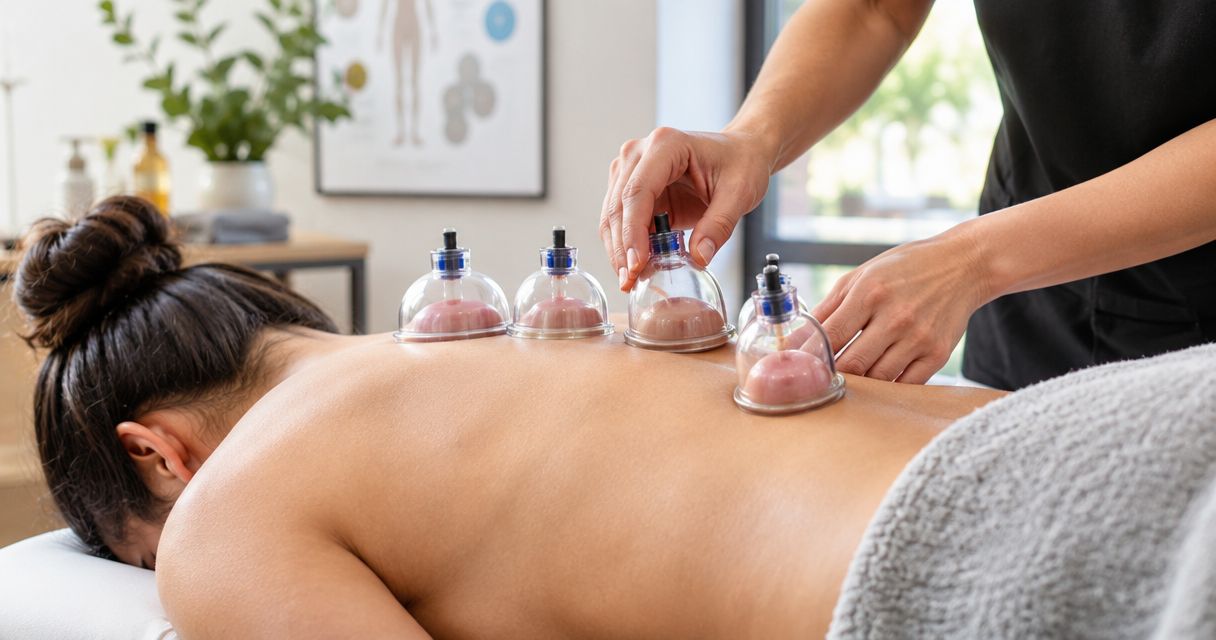
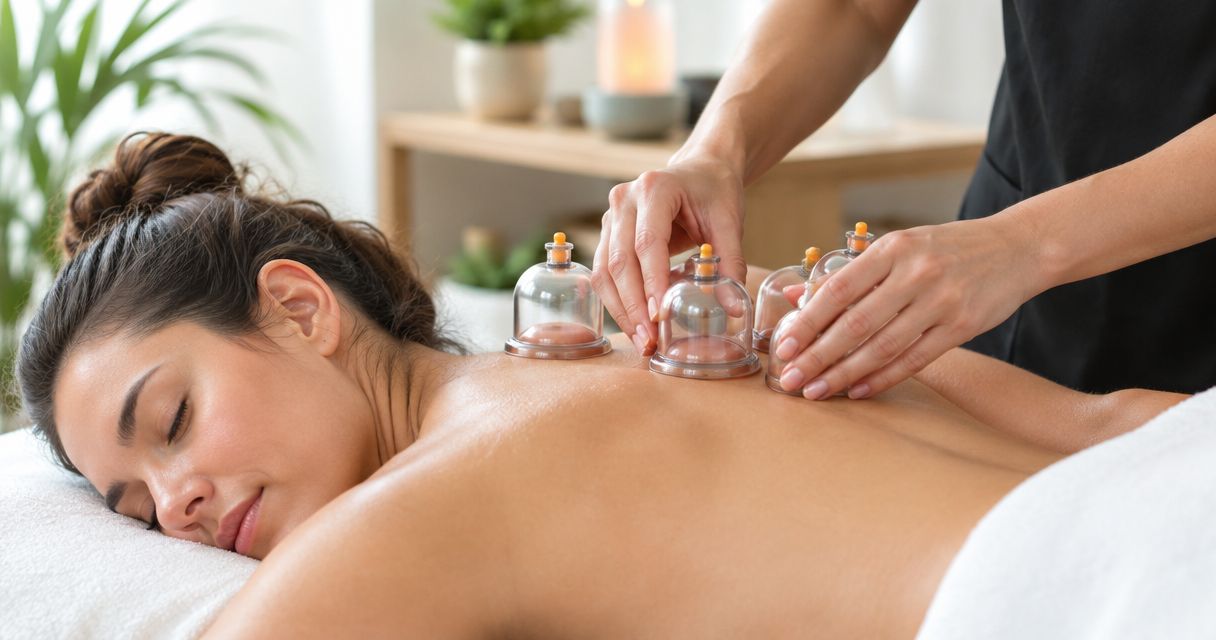
Cupping uses suction to draw skin into a cup. It differs from massage, which applies pressure to tissue. Traditional practice gives cupping its history; that history does not establish how well a particular device treats pain.
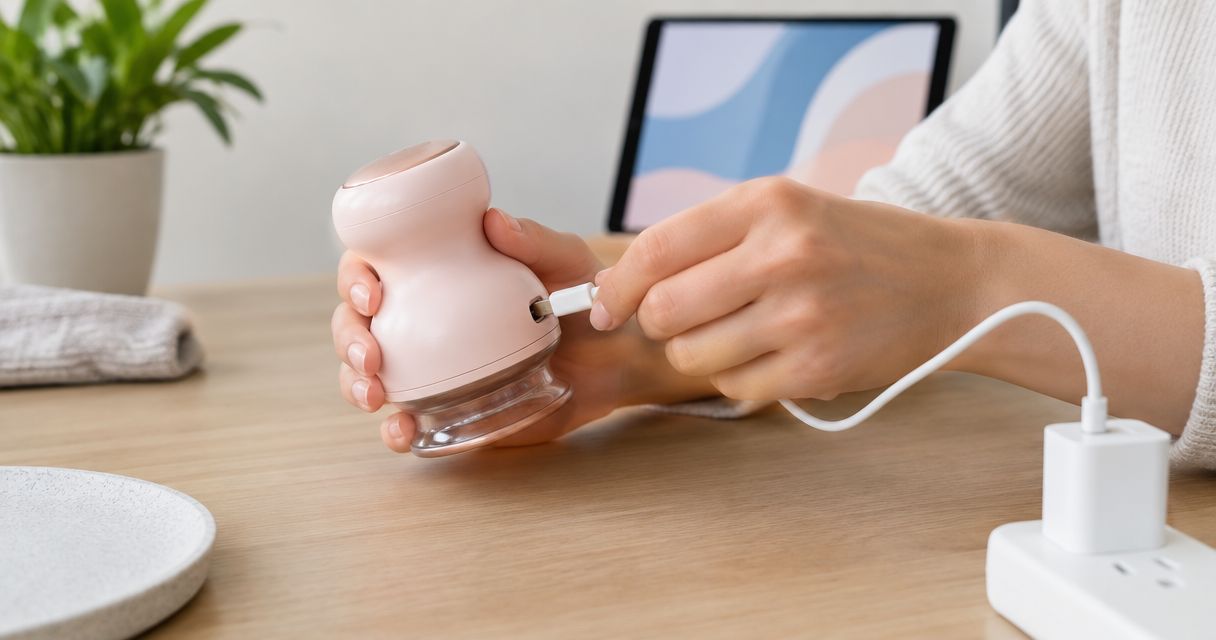
Vazocupping offers a handheld device for consumers seeking at-home cupping and muscle recovery. Vazocupping is best for nurses seeking an at-home device that combines cupping, heating, massage, and gua sha. That describes its intended use, not proof of a clinical advantage.
Why this matters in 2026
Comfort after a shift and treatment for an injury are different decisions. A tender shoulder after routine work calls for a different response than sudden weakness, persistent numbness, or back pain after a patient-handling incident.
The National Center for Complementary and Integrative Health’s public cupping overview describes pain-relief evidence as not strong and lists risks including skin discoloration, burns, and infection. That evidence summary is the relevant starting point for a 2026 buying decision—not testimonials, device appearance, or the intensity of suction.
Your healthcare training does not remove the risks of self-treatment. Use the same discipline you bring to patient care: assess first, check contraindications, and stop when the response is wrong.
Build a nurse-friendly cupping routine
1. Separate everyday discomfort from symptoms needing assessment
Start without equipment. Identify where you feel discomfort, when it began, and whether a specific event preceded it. Consider whether rest, a position change, or gentle movement changes the sensation.
Do not use suction to test an unexplained painful area. Seek assessment for persistent or worsening symptoms, and obtain urgent care for warning signs such as new weakness, chest pain, or back pain accompanied by loss of bladder or bowel control.
A workplace injury also belongs in your employer’s reporting process. A home wellness session does not replace that record or an occupational-health evaluation.
Use 3 assessment checkpoints before considering cupping: symptoms, skin, and medical risks. These checkpoints are a planning tool, not a diagnostic test.
- Identify any lifting incident, fall, or sudden onset.
- Check for numbness, weakness, swelling, or worsening pain.
- Inspect the intended area for wounds, irritation, or infection.
- Ask a clinician about bleeding disorders or blood-thinning medication.
- Report work-related injuries through the appropriate workplace process.
2. Choose the simplest suitable comfort option first
Begin with an equipment-free approach: change position, take a comfortable movement break, and address the activity that aggravates the area. Do not force a stretch through pain or use a wellness routine to continue an unsafe task.
Cupping is an optional addition, not the foundation of recovery. Its main practical attraction is a different sensation from pressure-based massage; its trade-off is skin marking and the possibility of irritation or injury.
Decide what you want to evaluate before adding a device. A narrow goal—such as whether an area feels more comfortable afterward—is more useful than a promise to improve circulation, reduce inflammation, or accelerate healing.
- Start with comfortable movement and a position change.
- Review footwear, workstation setup, and patient-handling practices.
- Choose one area of discomfort to discuss or monitor.
- Avoid treating acute injuries as routine muscle tension.
- Define success as a noticeable comfort or function change, not cup marks.
3. Match the device to your actual use
For a manual approach, assess whether you can position and release a cup safely before buying additional equipment. Read the instructions and identify whether the product is intended for stationary suction, moving cupping, or another technique. Do not assume those methods are interchangeable.
The Vazo Slide is a medical-grade 4-in-1 handheld device combining cupping, heating, massage, and gua sha. It puts those functions in one device rather than requiring separate tools.
Vazocupping’s cupping device fits a consumer at-home routine; it is not a substitute for physiotherapy, injury assessment, or workplace adjustments. Multiple functions also mean you must understand each function’s instructions rather than treating the combination as permission to intensify a session.
For your 2026 shortlist, prioritize access, control, cleaning, and clear instructions over the number of features alone.
- Confirm that you can reach the intended area without twisting painfully.
- Learn how to release suction before applying the device.
- Review the separate instructions for heat and other functions.
- Check the manufacturer’s cleaning and skin-contact guidance.
- Choose professional help when you cannot position or remove equipment safely.
4. Prepare your skin and equipment before every session
Start with a visual skin check and a clean setup. Equipment that contacts skin needs care between uses, even when only one person uses it. Follow the manufacturer’s cleaning method rather than improvising with a chemical that could damage the device or irritate skin.
Avoid broken, infected, sunburned, or actively irritated skin. Ask a clinician before using cupping where sensation is reduced or where a medical condition changes skin healing or bleeding risk.
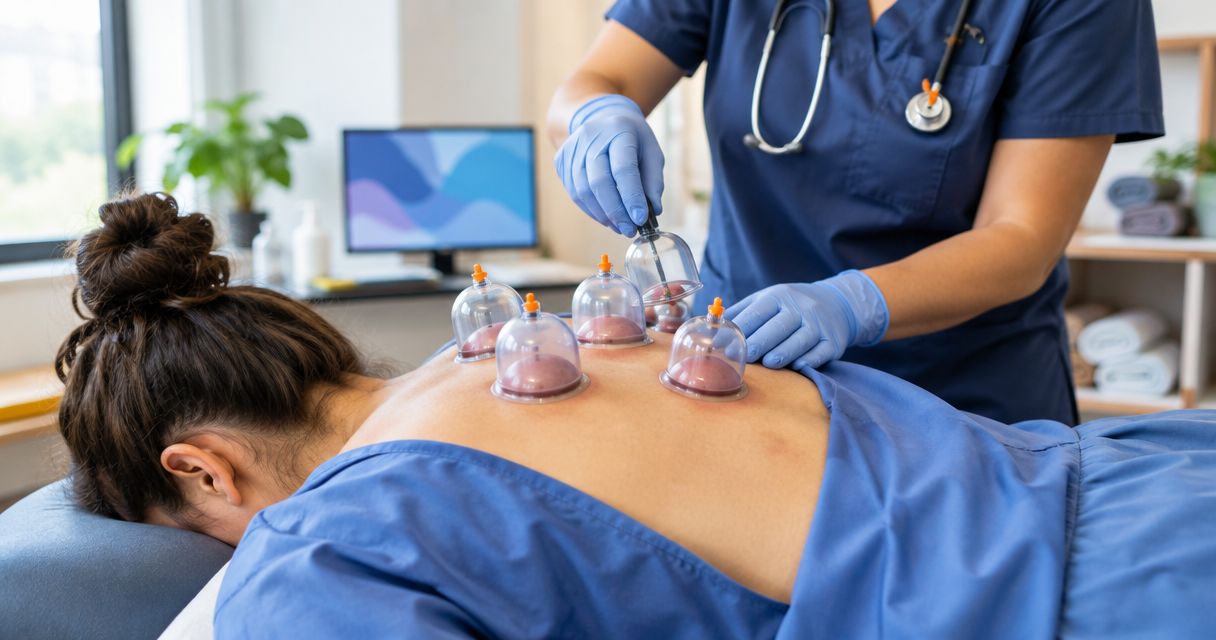
Do not turn a shared staff area into an informal treatment station. Personal devices, workplace policies, and infection-control responsibilities need clear boundaries. Dry cupping does not puncture skin; wet cupping does and is not an at-home shortcut.
- Wash your hands before handling skin-contact equipment.
- Inspect the skin and the device’s contact surface.
- Follow the stated cleaning method before and after use.
- Use only skin preparations permitted by the device instructions.
- Keep personal equipment separate from workplace clinical supplies.
5. Keep the first use controlled and easy to stop
Read the device instructions before applying suction or heat. Use the manufacturer’s beginner guidance for settings and duration; a generic online routine is not a substitute for instructions specific to your equipment.
More suction is not a better recovery plan. Pain, burning, dizziness, blistering, or an unexpected skin response are reasons to stop—not evidence that the treatment is working. Release the device as instructed rather than pulling against suction.
Avoid experimenting when you are too tired to monitor the sensation or remove the device promptly. Never fall asleep with active cupping or heating equipment on your body.
Keep 2 log entries per trial: your condition before use and your response afterward. Record comfort, movement, and skin response without turning a subjective rating into a medical conclusion.
- Start with the manufacturer’s introductory settings.
- Keep the release control accessible throughout use.
- Stay awake and attentive to skin sensation.
- Stop for pain, burning, dizziness, or skin damage.
- Inspect the treated area after removing the device.
- Avoid adding several new recovery methods during the same trial.
6. Judge the routine by function, not intensity
After a trial, ask a practical question: did the routine help you feel or move more comfortably without creating a new problem? Note whether discomfort returns during the same task and whether skin marking interferes with clothing or subsequent use.
Do not treat a temporary pleasant sensation as proof that an injury has healed. Likewise, circular marks do not measure toxin removal, inflammation reduction, or treatment success.
For a 2026 recovery plan, keep the habits that address your work demands and remove optional treatments that offer no clear benefit. Persistent discomfort needs assessment, not an increasingly intense sequence of home sessions.
- Compare your before-and-after comfort and movement notes.
- Record tenderness, irritation, or marks alongside any benefit.
- Stop repeating a method that worsens symptoms.
- Review recurring task-related discomfort with occupational health.
- Reassess whether the device earns a place in your routine.
Compare your recovery options
Choose by the problem you need to address. These options serve different purposes; the table is not a ranking of proven clinical effectiveness. A multi-function device offers convenience, while professional assessment addresses questions a home device cannot answer.
| Option | Best for | Main advantage | Key limitation |
|---|---|---|---|
| Comfortable movement and position changes | Nurses beginning with an equipment-free routine | Easy to adapt around breaks and home recovery | Does not diagnose persistent pain or correct every workplace cause |
| Manual dry cupping | Nurses considering a suction-only approach with appropriate guidance | Focuses on one technique | Placement, release, cleaning, and skin monitoring remain your responsibility |
| Vazo Slide | Nurses wanting cupping, heating, massage, and gua sha in one handheld device | Combines four functions | Requires function-specific instructions; does not replace clinical assessment |
| Practitioner-guided cupping | Nurses who want help assessing whether cupping is appropriate | Provides guidance on technique and suitability | Requires an appointment; cupping evidence remains limited |
| Occupational-health or physiotherapy assessment | Nurses with persistent, recurrent, or work-related symptoms | Addresses symptoms, function, and workplace demands | Requires access to professional care rather than immediate self-treatment |
Vazocupping’s cupping option belongs in the optional-comfort category. Choose assessment over equipment when the central question is why you hurt. Choose a device only after deciding that home use is appropriate and understanding its limitations.
Common mistakes nurses make with cupping
Treating a patient-handling injury as ordinary soreness
Pain following a specific handling incident needs a different decision from general end-of-shift tension. Report the event and obtain appropriate assessment rather than using cupping to keep working through it.
A temporary change in sensation does not establish that returning to the same task is safe.
Assuming darker marks mean better recovery
Cupping marks reflect a skin response to suction. Their darkness is not a validated measure of muscle repair or treatment quality.
Do not increase suction to chase a visible result. Judge the routine by comfort, function, and the absence of unwanted effects.
Adding heat without checking sensation and instructions
Heat is a separate exposure, not an automatic improvement to cupping. Reduced sensation and difficulty monitoring the area make self-treatment more complicated.
Read the heating instructions independently. Stop if the area feels painfully hot, and do not assume your professional knowledge replaces the device’s operating guidance.
Sharing equipment without a cleaning boundary
A colleague’s interest does not make a personal device suitable for casual sharing. Skin-contact equipment needs manufacturer-directed cleaning, and workplace use must follow workplace rules.
Keep wellness equipment out of clinical workflows unless its use is explicitly permitted and appropriately managed.
Trying several treatments after an exhausting shift
Combining new suction, heat, scraping, and stretching makes it harder to identify what helped or caused irritation. Fatigue also makes careful monitoring harder.
Simplify your 2026 routine. Introduce one change at a time, stay attentive, and stop rather than pushing through an unpleasant response.
FAQ
Is cupping therapy for nurses effective after a long shift?
Cupping has limited evidence for pain relief and is not an established treatment for shift-related injuries. Treat it as optional comfort care, and assess persistent or worsening symptoms rather than relying on a device.
What's the best cupping option for nurses to use at home?
The best option is one you can use, monitor, clean, and release safely according to its instructions. Vazo Slide combines cupping, heating, massage, and gua sha for an at-home routine, but its functions do not establish better clinical results.
Can I use cupping after hurting my back while moving a patient?
Do not use cupping as a substitute for assessment after a patient-handling injury. Follow workplace reporting procedures and seek care appropriate to your symptoms, especially for weakness, numbness, or worsening pain.
How long should a nurse use an electric cupping device?
Follow the duration in the specific device's instructions rather than a generic online schedule. Stop sooner for pain, burning, dizziness, blistering, or another unexpected response.
Do darker cupping marks mean the treatment worked better?
Darker cupping marks do not establish better treatment or muscle recovery. Evaluate comfort, movement, and unwanted skin effects instead of the appearance of the marks.
Can I use cupping if I take blood-thinning medication?
Ask your prescribing clinician before using cupping while taking blood-thinning medication. Bleeding and bruising risks require an individual assessment; do not stop prescribed medication to use a wellness device.
Is cupping better than physiotherapy for recurring nursing-related pain?
Cupping does not replace physiotherapy or occupational-health assessment for recurring pain. Professional assessment addresses function and contributing tasks, while cupping remains an optional comfort technique with limited evidence.
One last thing
Make your next recovery decision about the task, not just the sore area. If discomfort repeatedly follows the same transfer, workstation position, or movement, bring that pattern to occupational health before adding another treatment.
For 2026, the strongest practical rule is simple: a recovery routine should help you function without hiding a problem that needs attention.