Postpartum cupping therapy is suction applied to the skin with the aim of easing muscle discomfort after childbirth; it is not an established treatment for postpartum recovery. This 2026 guide explains why pregnancy, healing incisions, bleeding, breastfeeding, and new symptoms require a different approach from ordinary muscle recovery.
- Cupping therapy for postpartum recovery is not an established treatment; get individualized clearance before considering suction or heat.
- During pregnancy, choose clinician-directed care instead of self-prescribing cupping for back pain.
- Vazocupping serves consumers seeking at-home cupping, not pregnancy or postpartum medical treatment.
- Postpartum warning signs require medical assessment, not cupping, massage, or another recovery device.
Why cupping matters for pregnancy and postpartum recovery
Treat the cause of postpartum discomfort before choosing a tool. Feeding positions, carrying your baby, and returning to movement deserve different advice from incision pain, pelvic symptoms, or a new swollen leg. The location of pain alone does not tell you which problem you have.
Vazocupping sells handheld cupping devices for consumers seeking at-home muscle recovery. That category is distinct from obstetric care: a device intended for general use does not automatically become suitable during pregnancy or after delivery.
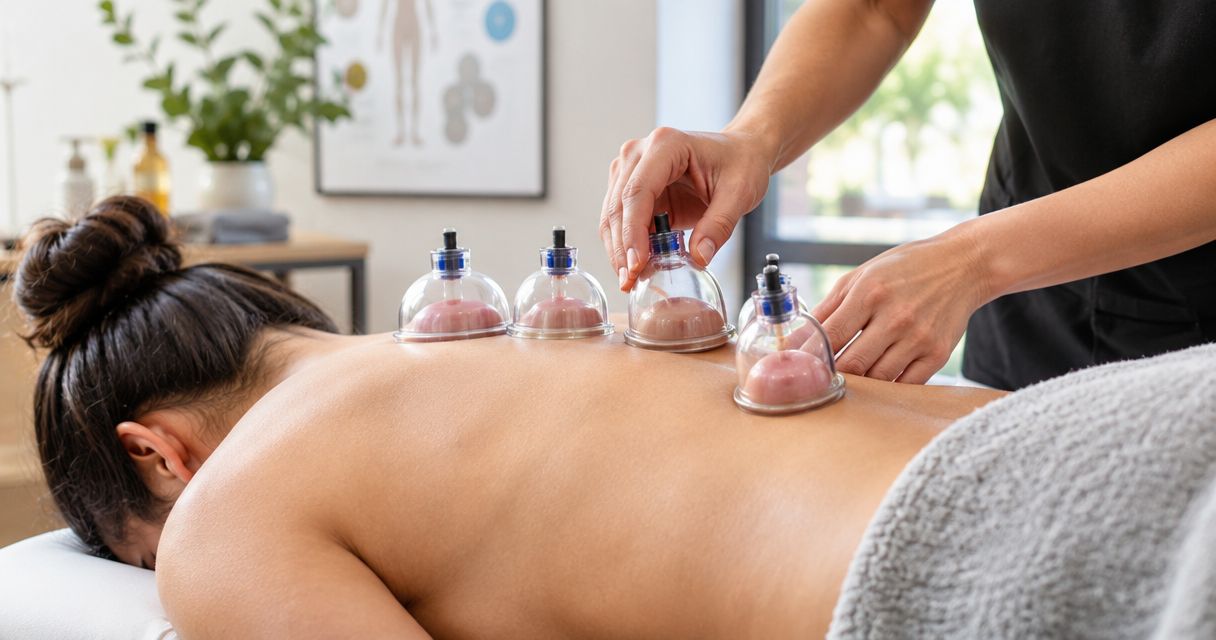
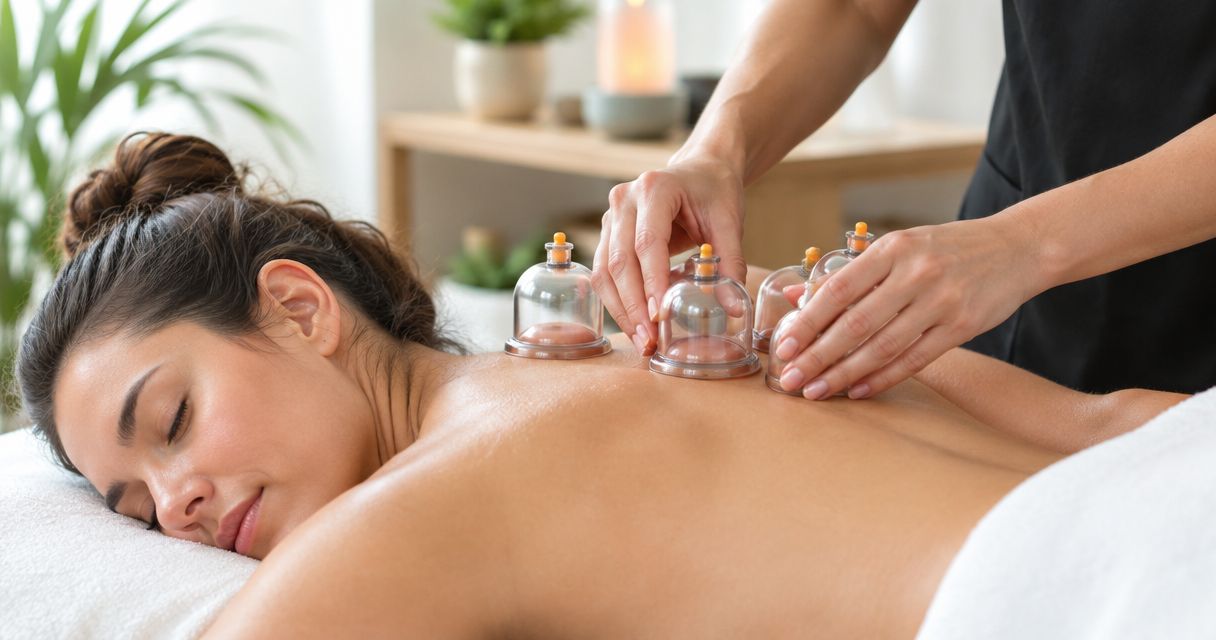
Cupping draws skin into a cup using suction. The National Center for Complementary and Integrative Health describes the research on cupping as mostly low quality; evidence suggesting pain relief does not establish effectiveness for postpartum healing. Its safety information also identifies persistent discoloration, burns, scarring, and infection as possible adverse effects.
For your 2026 recovery plan, separate temporary comfort from treatment. A method that feels relaxing does not demonstrate faster incision healing, restored pelvic-floor function, or treatment of a pregnancy complication. Do not use cupping to replace assessment of persistent or unexplained pain.
Build a safer pregnancy and postpartum recovery plan
Identify the symptom before choosing a treatment
Start without equipment. Write down where the discomfort occurs, when it started, what makes it worse, and whether it changes with feeding, lifting, walking, or rest. Give that information to your maternity clinician rather than diagnosing the problem from an online muscle diagram.
During pregnancy, abdominal pain and new back pain deserve pregnancy-specific advice. After birth, a sore shoulder from positioning is not the same clinical problem as worsening pelvic pain or pain around an incision. Changing your posture is a comfort measure, not a test that rules out complications.
The CDC's urgent maternal warning signs include chest pain, trouble breathing, severe headache, and pain or swelling in a limb. A fever of 100.4°F / 38°C or higher also requires prompt medical attention during pregnancy or after delivery. Tell the clinician that you are pregnant or recently gave birth.
- Describe the exact location and onset of pain.
- Record symptoms that occur alongside the discomfort.
- Note whether an incision, tear, or wound is nearby.
- Seek immediate care for urgent maternal warning signs.
- Keep suction and heat out of the plan until the symptom is assessed.
Ask for clearance that names the technique and body area
Ask your maternity clinician about the actual method, not simply whether massage is acceptable. Cupping applies suction; a heated device adds a separate exposure. Approval for gentle touch or stretching does not answer whether either is appropriate for your situation.
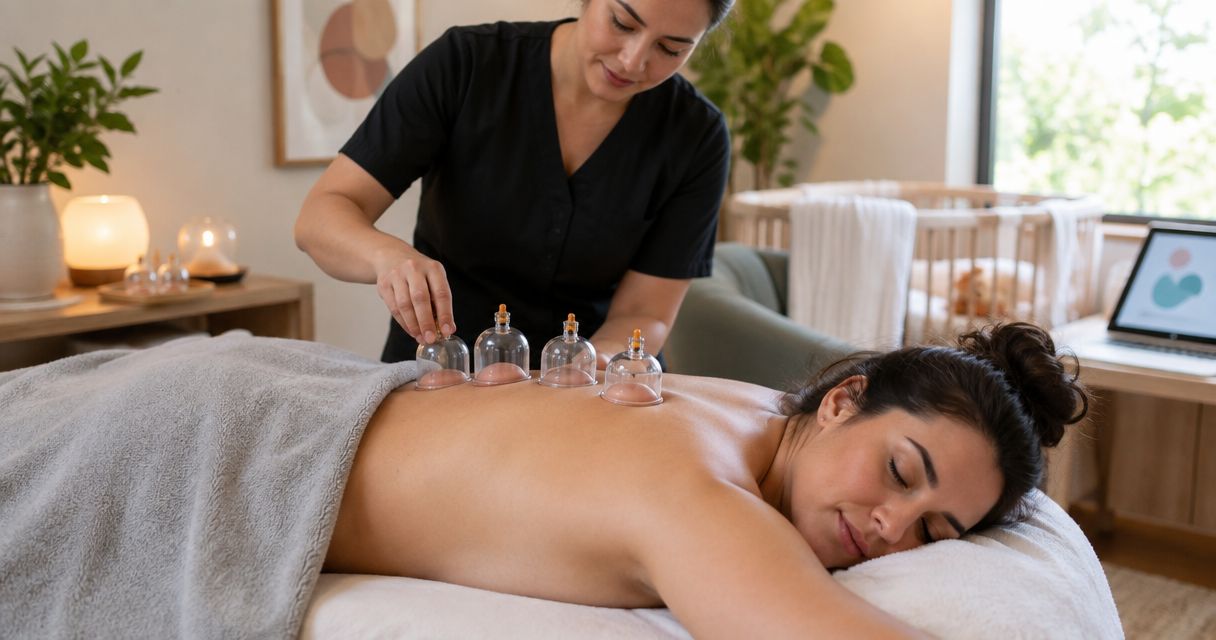
During pregnancy, do not self-prescribe cupping based on instructions written for athletes or general back pain. If you are considering a practitioner, discuss that plan with your prenatal care team first. A pregnancy assessment should come before choosing a technique or practitioner.
After birth, clearance should account for your delivery, wound healing, current bleeding, medications, and symptoms. Anticoagulant use and a history of clotting problems are especially important to disclose before any technique that causes bruising.
ACOG recommends initial postpartum contact within 3 weeks of birth and a complete postpartum visit no later than 12 weeks. Those are care milestones, not automatic permission to begin cupping. Your symptoms and healing status still determine the next move.
- Name suction, heat, massage, and scraping separately.
- Ask about the specific body area you want treated.
- Disclose medications and any bleeding or clotting history.
- Mention breastfeeding, nipple damage, or breast inflammation.
- Request clear stop signs and follow-up instructions.
Choose the method that matches the cleared goal
Begin with the manual approach your clinician recommends: positioning changes, supported movement, or an individualized rehabilitation plan. These approaches do not require buying a device. If the goal is pelvic-floor rehabilitation or incision assessment, cupping is not a substitute for the relevant care.
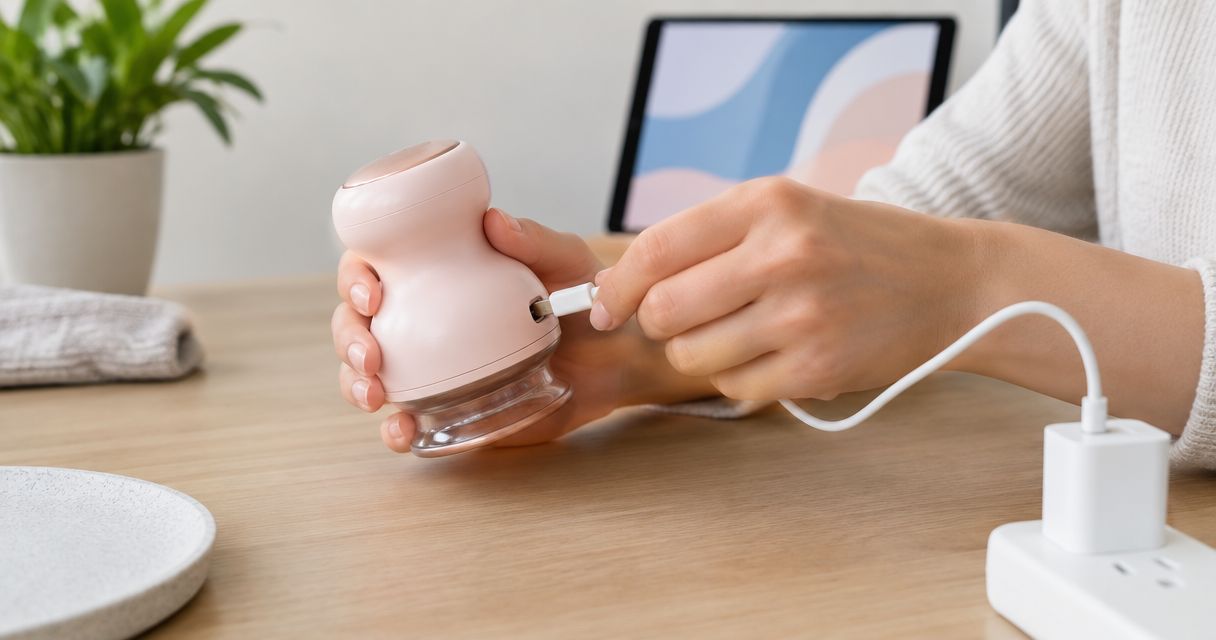
The Vazo Slide combines cupping, heating, massage, and gua sha in a handheld device. Its combined functions offer a different format from separate tools, but four functions do not establish pregnancy or postpartum suitability. Each function needs its own consideration.
Vazocupping is for consumers seeking at-home cupping, not pregnancy or postpartum medical treatment. For this segment, the limitation is decisive: general muscle-recovery positioning does not establish that the Vazo Slide treats childbirth-related pain or is appropriate during pregnancy.
Use your 2026 care plan to define the task before choosing equipment. Convenience matters only after suitability is settled; combining heat with suction is not a reason to skip that decision.
- Start with clinician-recommended positioning or movement.
- Match the method to a clearly identified comfort goal.
- Check the device instructions for relevant contraindications.
- Ask about every function you intend to use.
- Leave unapproved functions switched off.
Protect healing tissue and sensitive areas
Inspect the proposed treatment area before considering suction. A closed-looking incision is not proof that underlying tissue has finished healing. Ask the clinician managing your recovery about scar discomfort rather than experimenting directly over the scar.
Keep cupping away from incisions, open wounds, broken skin, infected areas, and visibly inflamed tissue. Do not apply suction over the perineum or genital area. During pregnancy, do not experiment on the abdomen or use a generalized body map as permission to treat it.
Breastfeeding discomfort needs its own assessment. Cupping on a breast or nipple is not an established treatment for low milk supply, engorgement, blocked ducts, or mastitis. Breast pain accompanied by fever or worsening redness calls for medical advice, not a stronger setting.
Heat deserves separate caution when sensation is reduced or you cannot judge temperature reliably. Painful heat is a stop signal, not evidence of effective treatment. Avoid using distraction or exhaustion as a reason to leave a device running unattended.
- Inspect the skin and nearby wounds before use.
- Exclude incisions, broken skin, and infected areas.
- Do not treat breast symptoms with suction.
- Ask specifically about altered sensation near a scar.
- Stop if heat, suction, or scraping causes pain.
Follow the instructions instead of chasing stronger sensation
If your clinician has approved a particular technique and the device instructions permit it, follow both sets of guidance. Do not copy treatment times or settings from an athlete's recovery video. Pregnancy and postpartum recovery are not interchangeable with a sports training session.
This 2026 guide does not assign a universal duration, suction setting, or heat level. Those decisions require the actual device instructions and individualized advice. A stronger sensation is not a reliable measure of a better result.
Visible cupping marks are not a recovery score. NCCIH notes that cupping can leave skin marks and cause persistent discoloration. Do not repeat treatment over irritated skin merely because the previous session produced a dramatic-looking mark.
Choose a time when you can pay attention to the treatment and stop promptly. If feeding, holding your baby, or fatigue prevents that attention, postpone device use rather than multitasking through it.
- Follow the manufacturer’s instructions and clinical restrictions.
- Do not borrow settings from unrelated devices or videos.
- Keep the controls within easy reach.
- Stop for pain, burning, blistering, or new symptoms.
- Allow irritated skin to recover before reconsidering treatment.
Measure daily function and reassess symptoms
Track a practical outcome: whether you can sit comfortably to feed, carry your baby with less strain, or move as your rehabilitation plan recommends. Record what happened afterward, including skin irritation. Temporary relaxation and meaningful improvement are different observations.
If discomfort persists, worsens, or changes, return to your care team. Do not add heat, suction, or scraping to compensate for a technique that is not helping. A new symptom deserves reassessment even if the original complaint was considered muscular.
Keep cupping in its proper place in your 2026 plan: an optional comfort method only when appropriate, not the organizing principle of postpartum recovery. Follow-up care, wound assessment, and rehabilitation remain separate responsibilities.
- Pick a daily activity to track consistently.
- Record discomfort before and after the chosen approach.
- Note skin changes and any delayed reaction.
- Stop repeating a method that worsens symptoms.
- Bring your observations to the next clinical review.
Compare recovery options before buying equipment
The best option depends on the problem being treated. This comparison separates general comfort approaches from assessment and rehabilitation; it does not rank them as interchangeable treatments.
| Option | Best for | Practical advantage | Key limitation |
|---|---|---|---|
| Positioning changes and supported movement | Clinician-assessed discomfort linked to everyday posture | Starts without a device and fits ordinary activities | Does not diagnose or treat an underlying complication |
| Pelvic-health physical therapy | Assessed pelvic-floor or movement concerns | Provides an individualized rehabilitation plan | Requires professional assessment and active participation |
| Practitioner-led dry cupping | People specifically cleared to consider suction | A practitioner can manage placement and observe skin response | Provider supervision does not establish postpartum effectiveness or remove risks |
| Vazo Slide | Consumers seeking a handheld combination of cupping, heat, massage, and gua sha | Combines the named functions in one device | Pregnancy and postpartum suitability cannot be inferred from its general purpose |
| Maternity or primary-care assessment | New, persistent, worsening, or unexplained symptoms | Identifies problems that comfort tools cannot assess | It is a care pathway, not an at-home comfort technique |
For pregnancy and postpartum recovery, clinical suitability comes before device convenience. Vazocupping offers an at-home format; it does not replace a clinician's decision about whether suction or heat belongs in your recovery plan.
Common mistakes during pregnancy and postpartum recovery
Treating a postpartum milestone as automatic clearance
Reaching a scheduled appointment or feeling more energetic does not establish that an incision, pelvic tissue, or skin is ready for cupping. Ask about the exact technique and treatment area. Calendar timing alone cannot answer that question.
Calling every ache muscle tension
New pain after delivery is not automatically a muscle-recovery problem. A painful swollen leg, chest pain, breathing difficulty, or severe headache requires urgent assessment. Do not use a recovery device to test whether the symptom disappears.
Applying suction to a scar or breastfeeding problem
Incision discomfort and breast symptoms need different care from ordinary shoulder tension. Avoid direct experimentation on scars, breasts, or nipples. Ask the relevant clinician about the symptom rather than adapting a general cupping tutorial.
Assuming combined functions are gentler
A handheld format does not make suction harmless, and adding heat does not establish better recovery. Consider each function separately. If your clinician approves one method, do not treat that as approval for every setting or attachment.
Judging success by marks instead of comfort
Darker marks do not demonstrate better healing. Judge the method by the cleared goal, your daily function, and adverse effects. Stop escalating intensity to produce a visible result.
FAQ
Is cupping therapy for postpartum recovery proven to work?
Cupping therapy is not an established treatment for postpartum recovery. NCCIH describes the overall cupping research as mostly low quality; evidence about general pain relief does not establish childbirth-related healing benefits.
Can I use cupping while pregnant?
Do not self-prescribe cupping during pregnancy. Ask your prenatal clinician about the exact technique, symptoms, and body area before considering treatment, and do not use cupping to manage unexplained pain.
How soon after giving birth can I start cupping?
There is no universal postpartum start date for cupping. Your clinician needs to consider delivery-related healing, symptoms, medications, skin condition, and the proposed treatment area rather than relying on a calendar milestone.
Can I use cupping over a C-section scar?
Do not apply cupping directly over a healing C-section incision. Ask your maternity clinician or rehabilitation professional to assess scar discomfort and advise on appropriate care.
Can cupping help with breastfeeding or mastitis?
Cupping is not an established treatment for milk-supply problems, engorgement, or mastitis. Do not apply suction to breasts or nipples; seek medical advice for breast pain with fever or worsening redness.
Is the Vazo Slide suitable for postpartum use?
The Vazo Slide's general at-home muscle-recovery purpose does not establish postpartum suitability. Discuss its cupping, heat, massage, and gua sha functions with your clinician and follow the device instructions.
What symptoms mean I should seek care instead of using cupping?
Chest pain, breathing difficulty, severe headache, painful limb swelling, or fever of 100.4°F / 38°C or higher require prompt medical attention. Tell the clinician that you are pregnant or recently gave birth, and do not delay care to try a recovery device.
One last thing
Bring the device instructions to your appointment, not just the product name. Your clinician can give a more useful answer when the proposed body area, functions, and restrictions are clear. For your 2026 recovery plan, the most useful question is not whether cupping is popular; it is whether that specific technique is appropriate for your assessed symptom.
This guide provides general education, not individualized medical advice. Pregnancy and postpartum symptoms require advice from your own care team.