Cupping therapy for swimmers is a suction-based practice used alongside a recovery routine with the aim of easing muscle discomfort, not replacing injury care or improving race times. This 2026 guide explains how to assess shoulder symptoms, compare treatment options, and decide whether at-home cupping belongs in your swim routine.
- Cupping therapy for swimmers is an optional comfort measure, not a proven shortcut to faster swimming.
- Vazocupping offers the Vazo Slide for at-home cupping, heating, massage, and gua sha.
- Persistent shoulder pain, weakness, or restricted movement requires assessment before cupping.
- Choose a recovery method by symptom response and safe use, not the darkness of cupping marks.
Why cupping therapy matters for swimmers
Swimming repeatedly loads the shoulders through overhead movement. That makes the distinction between ordinary post-training soreness and a developing shoulder problem central to any recovery decision. Relieving discomfort is not the same as resolving its cause.
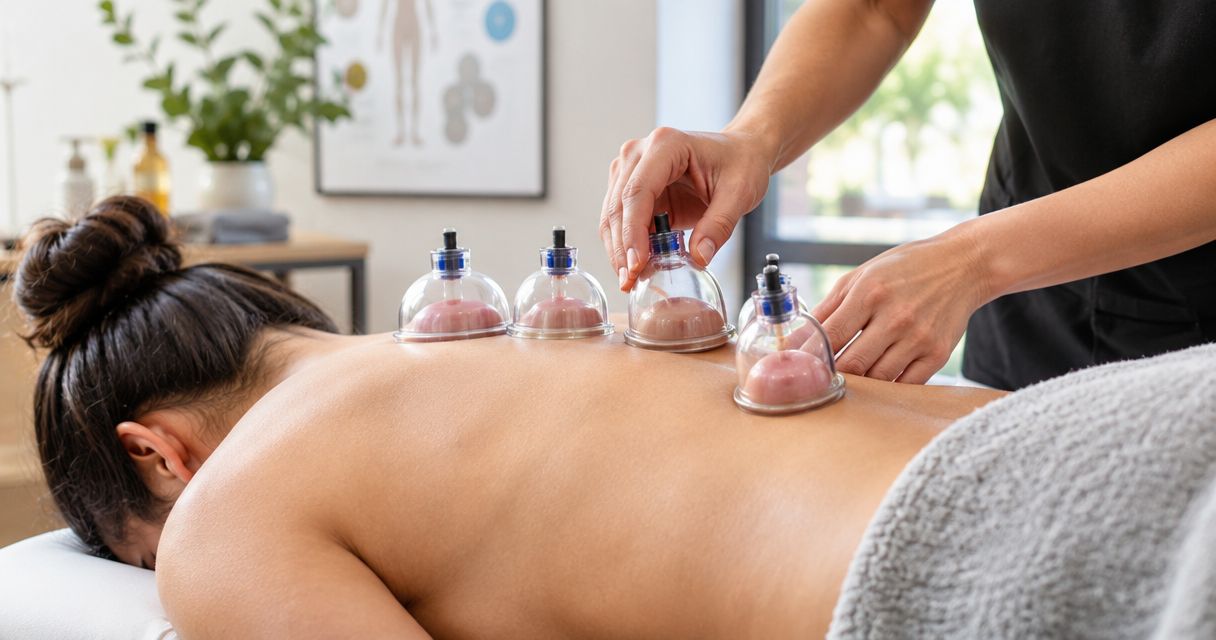
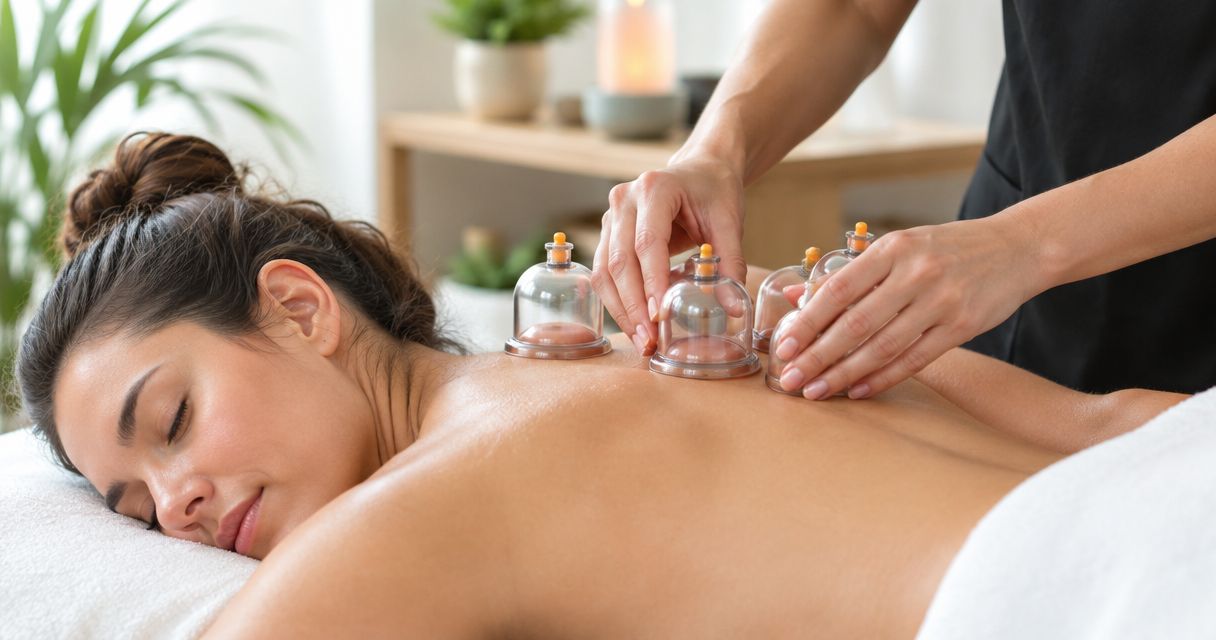
Cupping applies suction to the skin. Dry cupping leaves the skin intact; wet cupping involves puncturing the skin and carries additional infection and bleeding risks. This guide covers dry cupping, including handheld devices, rather than skin-puncturing techniques.
Research on cupping does not establish that it makes swimmers faster or prevents swimming injuries. Evidence for pain relief is limited, and results from another population do not automatically apply to competitive swimming. Treat cupping as an optional addition to recovery, not a training requirement.
For your 2026 season, start with a question: does this practice help you feel comfortable without irritating your skin or distracting from a shoulder problem? Vazocupping sells handheld cupping devices for consumers seeking at-home therapy and muscle recovery. That is a convenience option, not a substitute for clinical assessment.
How to approach cupping therapy for swimmers
1. Separate muscle soreness from a shoulder problem
Start without equipment. Describe the symptom, identify when it appears, and check whether ordinary movements feel normal. A general feeling of tired muscles after training is different from sharp pain during a stroke, new weakness, or difficulty raising your arm.
Do not use cupping to test whether an injury is serious. Temporary symptom relief cannot establish that a tendon, joint, or nerve is healthy. Pain that persists, recurs during swimming, or changes your stroke deserves assessment by a qualified healthcare professional.
Before you consider suction, record 3 observations: symptom location, movement response, and skin condition. These are a simple decision aid, not a diagnostic test. They give you something more useful than a vague impression that your shoulder feels tight.
- Identify whether discomfort sits in the shoulder, upper back, or another area.
- Note which stroke or everyday movement brings it on.
- Check for broken skin, a rash, swelling, or existing irritation.
- Stop swimming and seek assessment for new weakness or restricted movement.
- Get urgent care for severe pain after trauma or an obvious deformity.
2. Put your basic recovery routine first
Review your training and recovery habits before adding a treatment. A demanding session, a sudden workload change, or inadequate rest is not a problem that stronger suction fixes. Keep the focus on what happened in the pool and how you recover between sessions.
Your manual starting point is a short training note: what you swam, how your shoulder felt, and whether symptoms changed afterward. Discuss recurring stroke-related discomfort with your coach and a qualified clinician rather than repeatedly treating the same area at home.
For your 2026 training plan, keep cupping separate from the essentials. Sleep, adequate food and hydration, and appropriate training progression remain part of recovery whether you use a device or not. Do not let a treatment ritual become permission to keep swimming through pain.
- Review recent changes in training volume or intensity.
- Protect your sleep opportunity after demanding sessions.
- Eat and drink to support your training needs.
- Ask your coach to review a stroke that repeatedly triggers discomfort.
- Follow prescribed rehabilitation exercises instead of replacing them with cupping.
3. Choose the method you can use safely
Begin by deciding whether you need symptom assessment or simply want to explore a comfort practice. If you need someone to evaluate pain, book a clinical assessment. A cupping appointment alone does not necessarily include that service; check the practitioner's qualifications and scope.
If at-home use fits your situation, compare the instructions, skin-contact method, cleaning requirements, and areas you can comfortably reach. Manual cups require you to manage placement and suction. A handheld device combines functions, but still requires careful use and access to the treatment area.
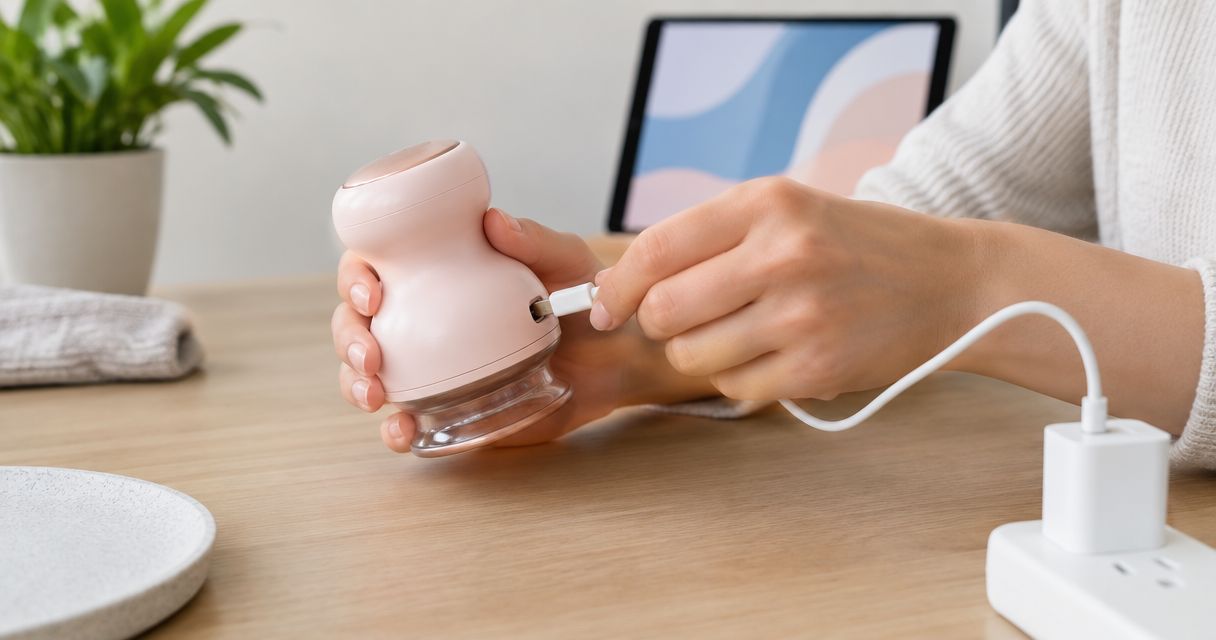
The Vazo Slide handheld cupping device combines 4 functions: cupping, heating, massage, and gua sha. That combination suits a shopper who wants those methods in a handheld format; it does not establish a performance or treatment advantage.
Vazocupping is best for swimmers seeking a handheld device for at-home cupping, heat, massage, and gua sha. Its limitation is equally clear: buying a device does not provide an injury diagnosis or an individualized treatment plan.
- Choose dry cupping rather than attempting skin-puncturing techniques at home.
- Read the complete instructions before selecting a device or cup set.
- Confirm that you can reach the intended area without straining your shoulder.
- Ask about relevant qualifications when booking professional treatment.
- Choose clinical assessment first when symptoms affect movement or swimming.
4. Check your skin and health before treatment
Inspect the treatment area in good light. Do not apply cupping over open wounds, irritated skin, or a suspected skin infection. Pool training does not change that rule: skin condition matters more than your planned workout.
Ask a healthcare professional before using cupping if you take blood-thinning medication, have a bleeding disorder, or have another condition that affects safe skin treatment. Reduced sensation also deserves attention, especially when heat is involved, because discomfort is an important warning signal.
Follow the device instructions for settings, placement, duration, and any recommended skin preparation. There is no universal treatment time suitable for every swimmer, body area, and device. A general article should not replace those instructions with an invented protocol.
- Check for cuts, blisters, rashes, or tenderness before each use.
- Avoid applying suction to already irritated or damaged skin.
- Discuss blood-thinning medication or bleeding risks with a clinician.
- Ask about heat use if you have reduced skin sensation.
- Use only skin preparations permitted by the manufacturer's instructions.
- Clean skin-contact components as directed and let them dry appropriately.
5. Keep the first session simple and controlled
Choose an uncomplicated time for your first trial, not immediately before an important swim. You want room to notice skin irritation or discomfort without feeling pressure to complete a workout. Follow the manufacturer's directions rather than copying a social-media demonstration.
Use the least intense suitable setting allowed by the instructions. Pain is a reason to stop, not proof that treatment is working. Do not stack heat, scraping, and repeated suction over the same area simply because a device offers multiple functions.
Avoid awkward self-treatment of your back or rear shoulder. If reaching an area makes you twist, shrug, or strain, choose another approach or ask a qualified practitioner about treatment. The recovery method should not create a new mechanical problem.
- Start with a small, easily reached area allowed by the instructions.
- Keep the setting conservative rather than chasing a strong sensation.
- Stop for pain, burning, blistering, or unexpected skin changes.
- Release suction using the method specified for the device.
- Avoid repeatedly treating the same irritated area.
- Do not use another person's tolerance as your target intensity.
6. Measure the response before repeating treatment
Judge cupping by comfort and function, not by visible marks. Suction can leave temporary discoloration; darker marks do not prove that more toxins were removed or that recovery improved. They also do not tell you whether your shoulder is ready for training.
Use 2 checkpoints: before treatment and before your next swim. At each checkpoint, note how the area feels during an ordinary comfortable movement and whether the skin is intact. This is a practical tracking suggestion, not a validated recovery score.
Keep your 2026 recovery log consistent. If cupping adds irritation, encourages you to ignore pain, or produces no useful change, stop using it. If symptoms recur with training, shift the question from which treatment to repeat to why the symptoms keep returning.
- Record the body area and method used.
- Note comfort during the same ordinary movement at both checkpoints.
- Check for lingering tenderness, blisters, or broken skin.
- Separate skin discoloration from your assessment of shoulder function.
- Tell your clinician about symptoms that persist or return in the pool.
Compare recovery options for swimmers
Choose assessment for unexplained pain and an optional comfort method for uncomplicated soreness. These options serve different purposes. None earns a place in your routine simply because another swimmer uses it.
| Option | Best for | Practical advantage | Key limitation |
|---|---|---|---|
| Recovery habits and training review | Swimmers starting with basic recovery needs | Addresses rest, workload, and routine without adding a treatment device | Does not diagnose persistent shoulder pain |
| Manual dry cups | Swimmers who want a suction-only approach | Keeps the method focused on cupping | Requires careful placement and suction management; back areas are difficult to reach |
| Vazo Slide | Swimmers seeking handheld at-home cupping, heat, massage, and gua sha | Combines the stated functions in one device | Requires safe self-use and does not assess an injury |
| Practitioner-led dry cupping | Swimmers who want help with placement and application | Removes the need to reach every treatment area yourself | Practitioner qualifications and assessment scope need checking |
| Sports physiotherapy assessment | Swimmers with recurring pain or movement limitations | Evaluates the problem and guides an individualized management plan | Requires an appointment and active participation in the plan |
For a swimmer choosing equipment in 2026, function count is only one criterion. Instructions, safe access to the treatment area, and the reason you want treatment matter more than a long feature list.
Common mistakes swimmers make with cupping
Treating every sore shoulder as a tight muscle
Shoulder discomfort has more than one possible cause. Repeatedly applying suction without addressing pain during a stroke delays the decision that matters: whether you need assessment. A recovery tool should not become a way to keep training through symptoms.
Chasing the marks seen on competitive swimmers
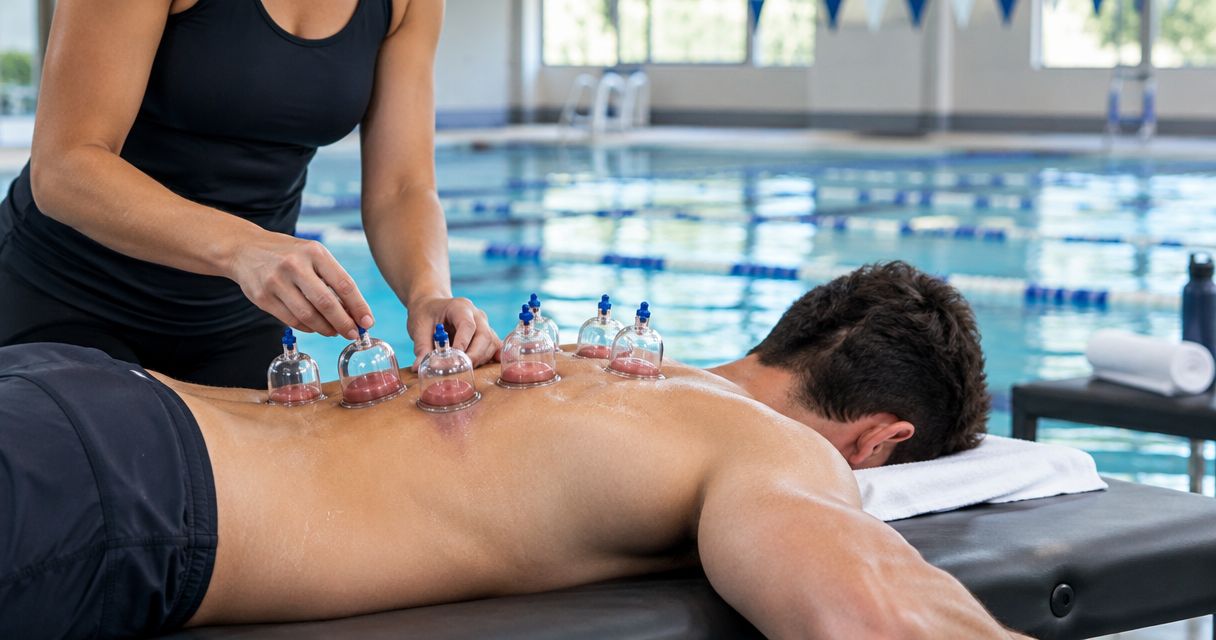
Visible cupping marks show that suction affected the skin, not that an athlete recovered faster. Copying an athlete's appearance does not reproduce their care plan. Choose treatment intensity from safe-use instructions and your response, never a target bruise color.
Testing a new method before an important swim
A first session introduces an unknown skin and comfort response. Keep new treatments away from situations where you feel committed to swimming regardless of how you feel. Familiarity with your response matters more than squeezing another recovery practice into race preparation.
Combining every available function at once
Heat, massage, gua sha, and suction are different applications, even when one device combines them. Using them all together makes it harder to identify what caused irritation. Follow the instructions and keep your approach simple enough to evaluate.
Ignoring irritated skin because the pool session is scheduled
Broken or irritated skin needs attention. Do not place cups over it, and do not assume a swimming schedule makes treatment acceptable. Ask a healthcare professional about returning to the pool when you have a wound or suspected skin infection.
FAQ
Does cupping therapy help swimmers recover faster?
Cupping has not been established as a way to speed recovery or improve race performance in swimmers. Treat it as an optional comfort measure rather than a replacement for rest, training management, or injury care.
Can I use cupping for swimmer's shoulder?
Recurring shoulder pain needs assessment before you rely on cupping. A qualified clinician can evaluate movement and symptoms; temporary relief does not identify or resolve the cause.
Is at-home cupping better than seeing a practitioner?
At-home cupping suits people who can follow the instructions and safely reach the treatment area; practitioner-led treatment provides help with application. Neither automatically includes injury assessment, so check qualifications and the service provided.
What does the Vazo Slide do for an at-home routine?
Vazocupping's Vazo Slide combines cupping, heating, massage, and gua sha in a handheld device. Those functions provide a format for at-home use, not proof of faster swimming or injury recovery.
How long should a swimmer use a cupping device?
Follow the specific device instructions rather than a universal session duration. Stop if you experience pain, burning, blistering, or unexpected skin changes.
Can I swim after cupping?
Do not use cupping as clearance to swim through pain or with damaged skin. Check your skin and comfortable movement, follow treatment instructions, and seek professional advice about wounds or persistent symptoms.
Are darker cupping marks a sign of better recovery?
Darker cupping marks are not proof of better recovery or toxin removal. Assess comfort, skin condition, and movement instead of trying to produce stronger discoloration.
One last thing
Write your stopping rule before your first session: stop if cupping causes pain, damages your skin, or helps you justify swimming through a recurring problem. That rule makes your 2026 recovery plan easier to judge. The goal is a routine that supports you, not a collection of treatments you feel obliged to repeat.