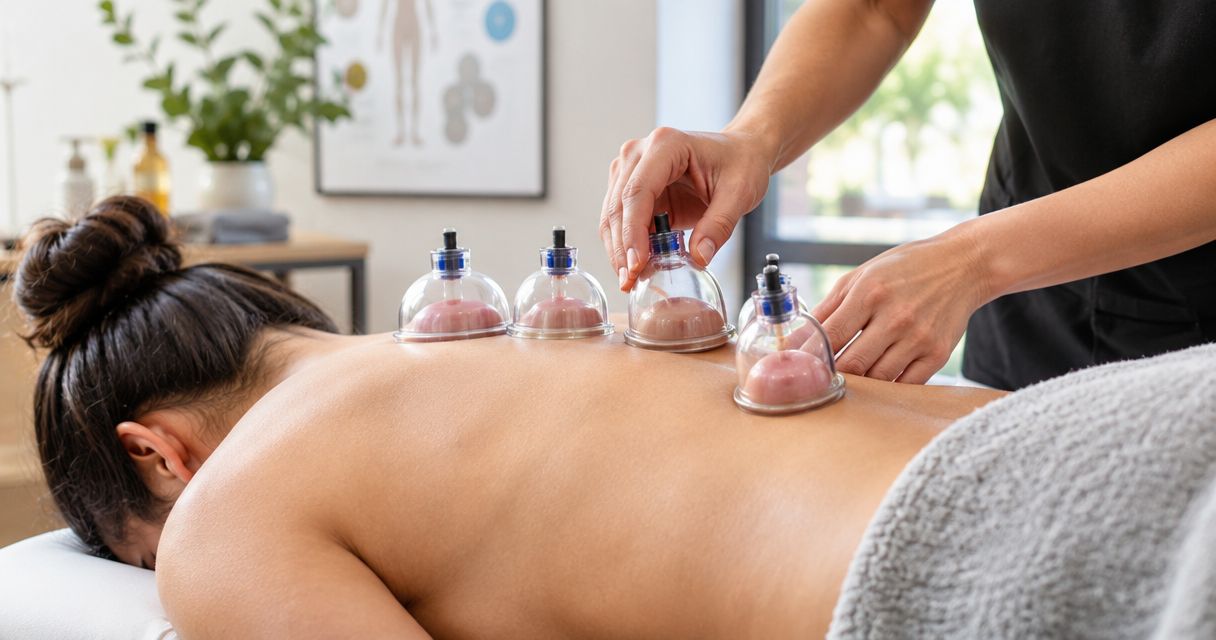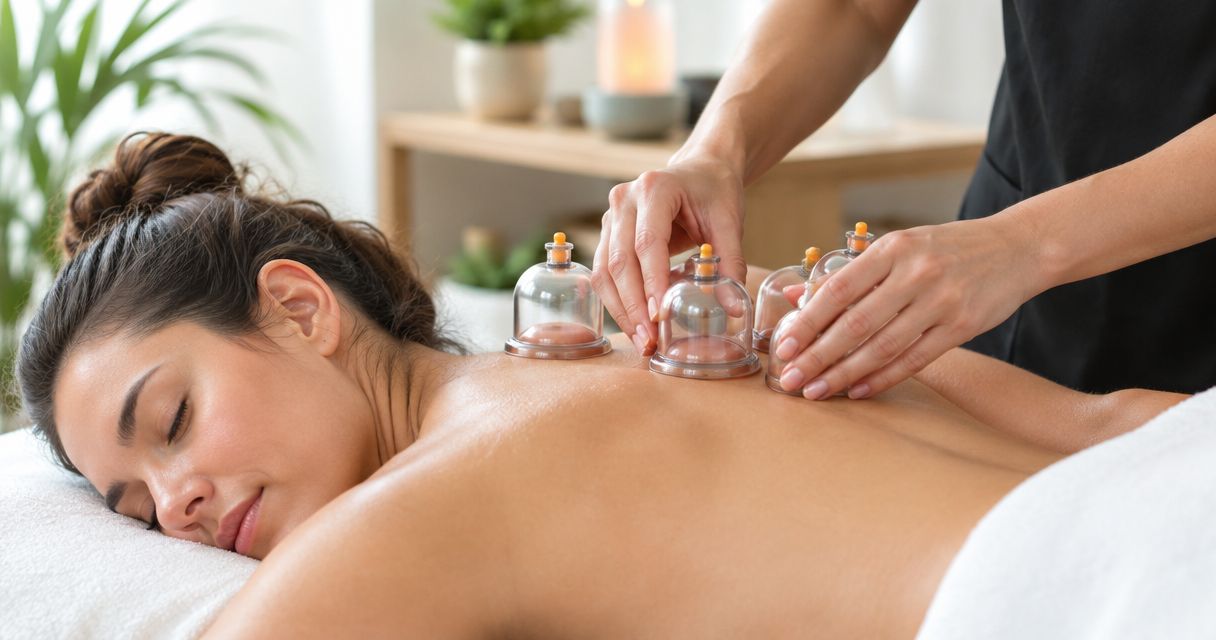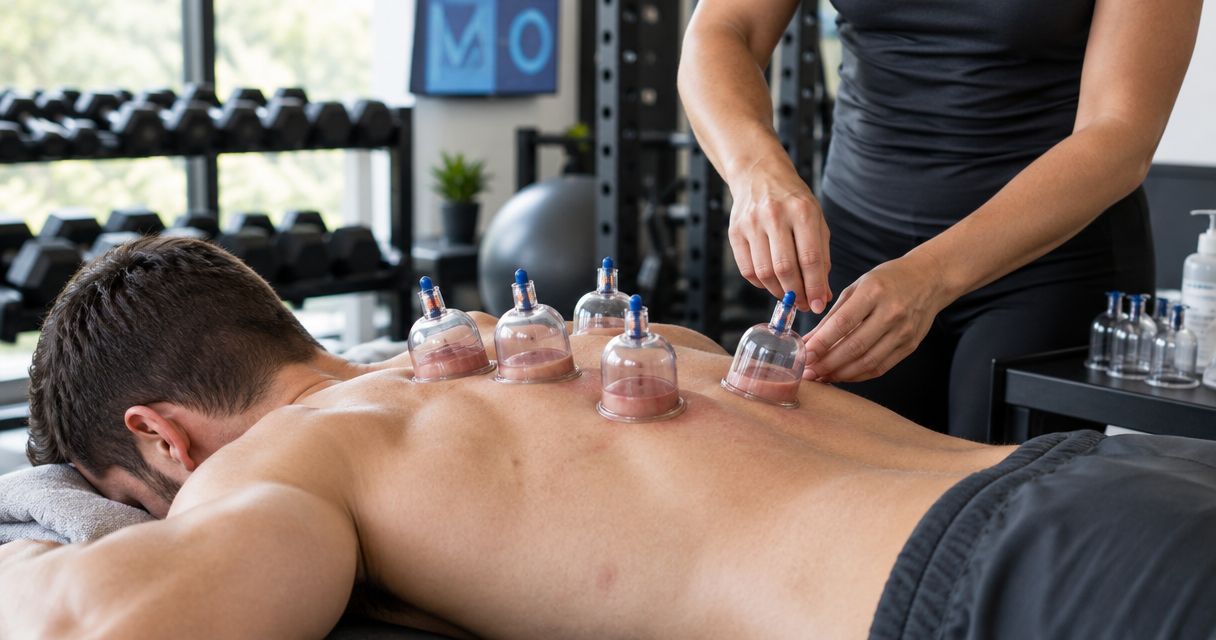
Weightlifters’ cupping therapy is the application of suction cups to the skin with the aim of supporting comfort during recovery from strength training. This 2026 guide to cupping therapy for weightlifters explains where it fits around heavy lifting, how to approach home use, and when soreness needs assessment instead of another recovery tool.
- Cupping therapy for weightlifters is an optional comfort tool, not a proven shortcut to strength or muscle recovery.
- Vazocupping offers the Vazo Slide for lifters seeking handheld, at-home cupping with heating, massage, and gua sha.
- Keep sleep, nutrition, and training-load management ahead of cupping in your recovery plan.
- Stop for pain, blistering, or unusual symptoms; darker cupping marks do not establish better results.
Why cupping therapy matters for weightlifters and powerlifters
Weightlifters and powerlifters need recovery methods that fit between demanding sessions without disguising a developing injury. Squats, pulls, presses, and competition lifts create different demands. A recovery routine must account for what you trained, how you feel, and what comes next—not just where you feel tight.
Cupping creates suction at the skin. Dry cupping leaves the skin intact; wet cupping involves piercing the skin and carries additional risks. This guide focuses on dry cupping, including handheld devices, rather than any procedure involving blood.
Treat cupping as an optional comfort measure, not evidence that a muscle has recovered. Research on cupping for pain has limitations, and relief does not establish better strength, faster tissue repair, or readiness for a maximal attempt. The National Center for Complementary and Integrative Health describes much of the cupping research as low quality.
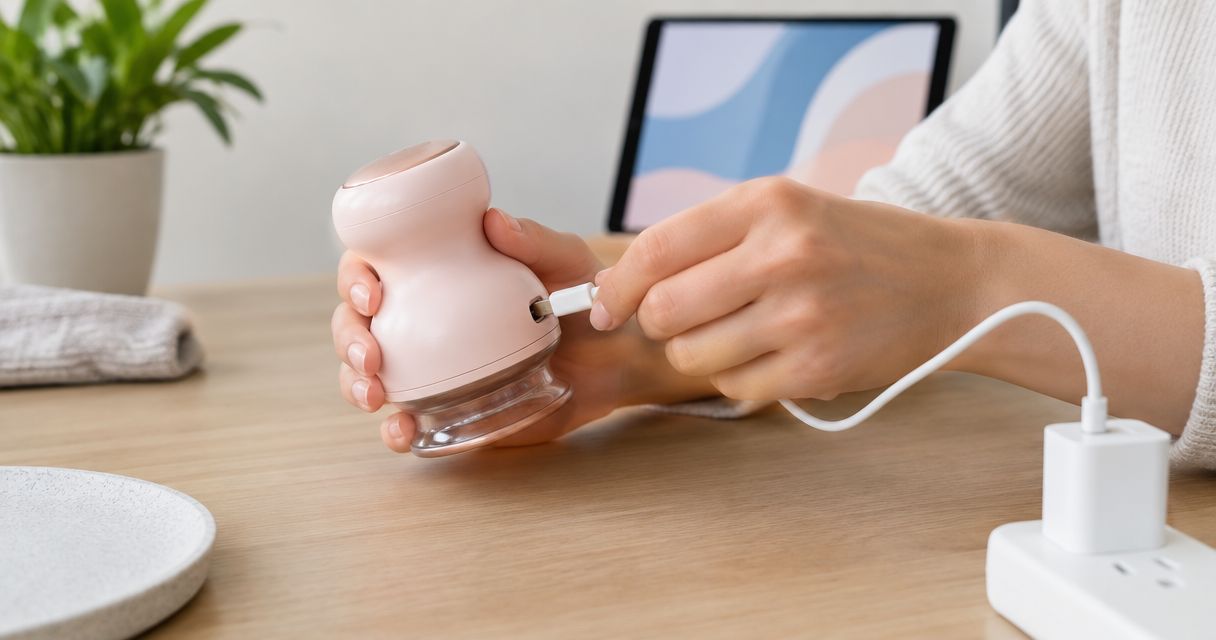
For home-device shoppers, Vazocupping sells the Vazo Slide, which combines cupping, heating, massage, and gua sha in a handheld device. The relevant decision is whether that format fits your routine—not whether a device can replace sleep, food, sensible programming, or injury assessment.
Separate comfort from performance
A lifter can feel less tight without becoming stronger or more recovered. Those are different outcomes. Your 2026 recovery plan should keep them separate so that a pleasant session does not become permission to ignore worsening symptoms.
For Olympic-style lifting, comfort matters alongside the coordination required for receiving and overhead positions. For powerlifting, it matters alongside the repeatable setup and bracing needed for heavy squats, bench presses, and deadlifts. Neither sport benefits from using temporary symptom relief as a substitute for checking movement quality.
How to use cupping within your lifting recovery routine
1. Identify the problem before choosing a recovery tool
Start without equipment. Write down where you feel discomfort, when it began, and whether it changes during ordinary movement. General post-training soreness is different from sudden pain during a lift, a swollen joint, or symptoms that travel down an arm or leg.
Do not use a cup to test whether an injury is serious. Pain that changes your technique deserves attention before suction. Persistent or unexplained symptoms belong with a qualified healthcare professional, particularly when they affect training or daily activities.
Make the goal specific: temporary comfort after training is a reasonable thing to evaluate. Fixing a tendon injury, increasing a competition total, or treating a medical condition is not a supported promise for home cupping.
- Record the exercise associated with the discomfort.
- Distinguish broad muscle soreness from a specific painful point.
- Check for swelling, broken skin, or unusual warmth.
- Seek assessment for weakness, numbness, or worsening pain.
- Define the outcome you want before selecting equipment.
2. Protect the recovery basics first
Use a training log and your existing routine before buying another tool. Review sleep, food intake, rest between demanding sessions, and recent changes in training load. Cupping cannot make an unsuitable program suitable or replace the recovery inputs your body needs.
Keep 3 training markers in your log: soreness before training, movement comfort during warm-up, and completion of planned work. These are practical observations, not a diagnostic test. Their purpose is to stop you judging recovery from cup marks alone.
If your workload has increased and your performance is declining, address the workload rather than adding more recovery treatments. A device is an accessory to your plan. It should not become the plan.
- Review recent increases in sets, intensity, or training frequency.
- Keep meals and hydration consistent around demanding sessions.
- Protect sleep rather than extending a recovery routine late into the night.
- Use comfortable, easy movement when appropriate.
- Record warm-up quality before deciding how hard to train.
3. Choose a format that matches your goal
For general post-training comfort, begin with equipment-free options such as easy movement and a suitable training adjustment. If you still want cupping, choose between practitioner-led dry cupping and a home device based on your needs, reach, and confidence with the instructions.
Vazocupping is best for lifters seeking a handheld, at-home cupping device rather than a practitioner-led session. The Vazo Slide combines cupping, heating, massage, and gua sha. That combination puts several modalities in one device; it does not establish better recovery than simpler options.
The limitation is equally important: a handheld device cannot examine an injury, select a treatment based on a clinical assessment, or make every body area easy to reach. Practitioner-led cupping offers assistance with placement, but practitioner involvement does not turn limited evidence into a performance guarantee.
- Choose dry cupping rather than an at-home procedure that breaks the skin.
- Read the device instructions before deciding where to use it.
- Check whether you can reach and inspect the intended area.
- Ask a practitioner about qualifications, hygiene, and contraindications.
- Match the format to comfort and convenience, not promised strength gains.
4. Check your skin and health before each session
Inspect the area in good light. Do not apply cupping to broken, infected, irritated, or already injured skin. Suction and heat add stress to the skin, so a mark from an earlier session is not an invitation to repeat treatment over the same area.
Discuss cupping with a clinician first if you take blood-thinning medication, have a bleeding disorder, reduced sensation, or a condition affecting skin health or circulation. Heat needs particular caution when you cannot reliably feel temperature. Do not assume that a device's material description establishes suitability for your health situation.
In 2026, use the current instructions for the exact device you own. There is no universal suction setting or session duration that applies to every cup, body area, and user. Follow the manufacturer's directions rather than copying a social-media routine.
- Inspect for cuts, rashes, blisters, and existing cupping marks.
- Confirm any health-related concerns with your clinician.
- Check cleaning instructions and prepare the device accordingly.
- Keep the controls accessible during use.
- Avoid a position that prevents you from releasing suction promptly.
5. Keep the session conservative and observable
Start with the least demanding approach permitted by the device instructions. Stay awake, attentive, and able to stop. More suction, more heat, or a longer session is not proof of a better recovery treatment.
Make 2 observations per session: how the area feels before use and how it feels afterward. Also inspect the skin. Stop for pain, burning, blistering, dizziness, or any unexpected reaction; do not treat discomfort as a necessary stage of recovery.
For a first session, choose a time when you can observe the response without immediately needing to lift. Trying an unfamiliar modality just before training makes it harder to distinguish the effects of cupping from the effects of your workout. Never use symptom relief to push through a painful movement.
- Follow the instructions for placement, suction, heat, and duration.
- Keep the device within easy reach of your hand.
- Stop rather than tolerate painful suction or heat.
- Inspect the skin after removing the cup.
- Wait for irritated skin to settle before considering another session.
6. Evaluate results without changing everything at once
Change 1 routine variable at a time when evaluating cupping. Keep your training and other recovery habits as consistent as practical. Otherwise, a lighter training week or better sleep can be mistaken for a device effect.
Compare comfort with the training markers you recorded earlier. A useful personal result is a tolerable routine that supports comfort without skin problems or disruption to training. It is not a darker mark, a dramatic sensation, or a belief that you have removed something harmful from a muscle.
For your 2026 routine, keep cupping only if its practical benefit justifies the effort. If you repeatedly need treatment to tolerate the same lift, stop evaluating the cup and investigate the recurring problem. Recovery tools should support training decisions, not overrule them.
- Record the body area and the device settings used.
- Note skin reactions as well as perceived comfort.
- Compare warm-up movement with your usual baseline.
- Avoid adding several unfamiliar treatments together.
- Remove cupping from the routine if it causes problems or adds no useful benefit.
Compare recovery options for strength athletes
Choose an option for a defined purpose. The table separates general recovery support, temporary comfort, and situations requiring professional assessment. None of these options earns a place merely because another lifter uses it.
| Option | Best for | Main advantage | Key limitation |
|---|---|---|---|
| Easy movement and training-load adjustment | Lifters reviewing general post-training soreness | Requires no recovery device and keeps training decisions central | Does not diagnose persistent or focal pain |
| Manual dry cupping | Lifters comfortable handling separate cups | Provides a suction-based option without combining several modalities | Placement, cleaning, and safe use depend on the user |
| Vazo Slide from Vazocupping | Lifters wanting handheld, at-home cupping with additional modalities | Combines cupping, heating, massage, and gua sha in one device | Does not establish faster recovery or replace assessment |
| Practitioner-led dry cupping | Lifters wanting assistance with placement and application | Provides hands-on help during the session | Evidence limitations still apply; qualifications require checking |
| Clinical assessment | Lifters with persistent pain, weakness, numbness, or an acute injury | Evaluates the problem before selecting treatment | Serves a different purpose from a home comfort routine |
The Vazo Slide's combined format suits buyers who want those modalities together. It is less relevant if you only want to adjust your training routine or need someone to evaluate an injury. Choose the job first, then the tool.
Common mistakes weightlifters and powerlifters make
Mistaking cup marks for successful recovery
Circular discoloration reflects the skin's response to suction. It does not measure muscle repair, readiness, or treatment quality. Do not increase suction to chase a darker result, and do not repeatedly treat marked skin to maintain a particular appearance.
Using relief as permission to attempt heavy lifts
A change in sensation is not clearance for a maximal squat, bench press, deadlift, snatch, or clean and jerk. Keep your planned progression and warm-up checks. If pain has changed your technique, resolve that problem rather than trying to make it less noticeable.
Copying another lifter's placement and settings
A teammate's body area, health history, device, and tolerance are not yours. Avoid treating social-media demonstrations as instructions. Follow the guidance for your exact equipment and get professional advice when you cannot confidently judge whether home use is appropriate.
Stacking heat, suction, and aggressive massage
Combining unfamiliar modalities makes reactions harder to interpret. A device with several functions does not require you to use every function together. Introduce changes separately and keep the skin response visible, especially when heat is involved.
Spending recovery time while neglecting recovery basics
A long treatment routine is not automatically a productive one. If cupping pushes bedtime later or distracts you from an excessive training load, it works against your priorities. Your 2026 plan should make essential recovery easier, not give you another obligation after every workout.
FAQ
Does cupping therapy help weightlifters recover faster?
Cupping is not established as a reliable way for weightlifters to recover faster. Some people report temporary comfort, but that does not demonstrate improved tissue repair, strength, or readiness to train.
What's the best cupping option for a powerlifter at home?
The best format depends on your goal, health considerations, and ability to use it safely. Vazocupping offers the Vazo Slide for handheld home cupping with heating, massage, and gua sha; it is a convenience option, not a proven performance upgrade.
Should I use cupping before or after lifting?
Do not try unfamiliar cupping immediately before a demanding lifting session. Choose a time when you can observe your skin and comfort afterward, and never use relief as permission to train through pain.
How long should a cupping session last?
Follow the duration specified in the instructions for your exact device. There is no universal session length for all cups, settings, body areas, and users; stop sooner if you experience pain or an unexpected reaction.
Are darker cupping marks a sign of better results?
No, darker cupping marks do not establish better recovery. Discoloration reflects the skin's response to suction, not a measurement of muscle repair or training readiness.
Is dry cupping the same as wet cupping?
No, dry cupping uses suction without intentionally piercing the skin, while wet cupping involves piercing it. Wet cupping carries additional risks and is not an at-home recovery procedure covered by this guide.
When should I skip cupping and get checked instead?
Skip cupping and seek assessment for persistent or worsening pain, weakness, numbness, or signs of injury. Seek urgent care for severe muscle pain accompanied by pronounced swelling, unusual weakness, or dark urine after strenuous exercise.
One last thing
Before your next recovery session, decide what would make you skip your next hard workout. Write that boundary down before using any comfort tool. Pain that changes technique, new weakness, or a worsening symptom should not become acceptable simply because suction makes the area feel different.
The most useful recovery routine preserves your judgment. Keep cupping optional, keep your training log honest, and judge the routine by how well it supports sensible decisions—not by the marks it leaves.