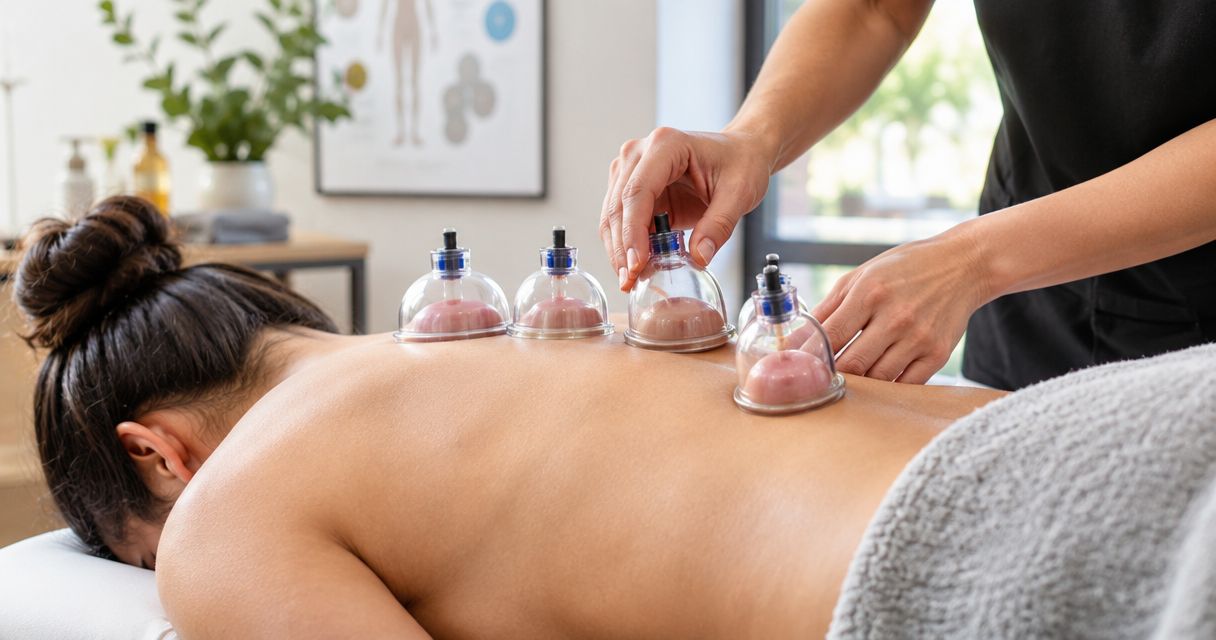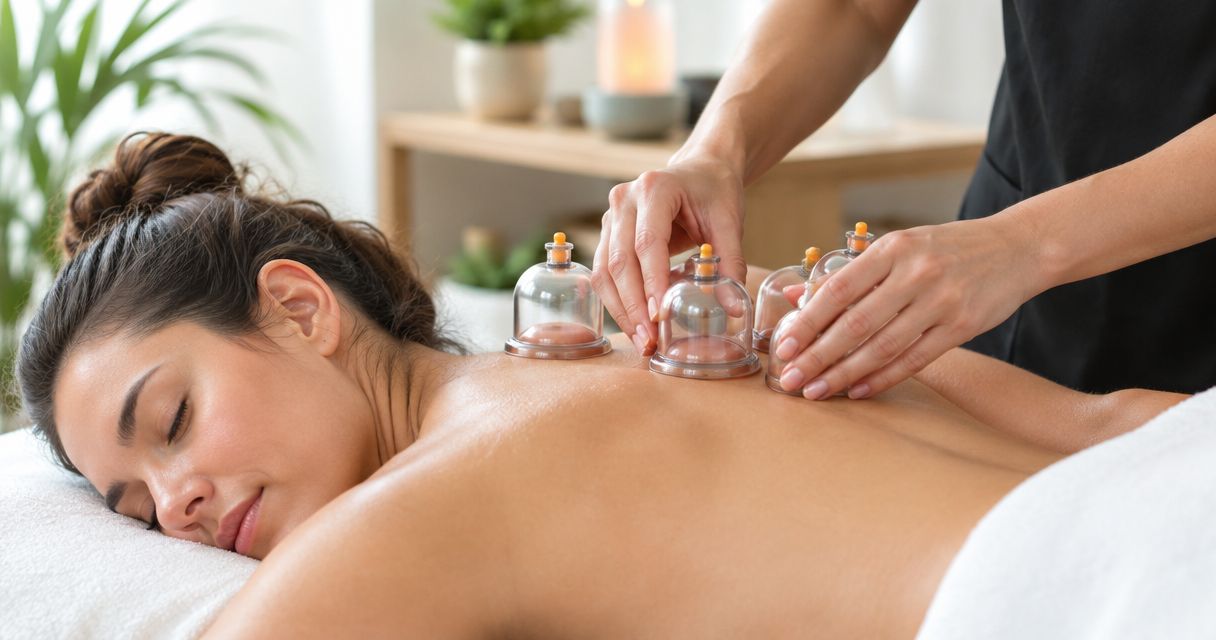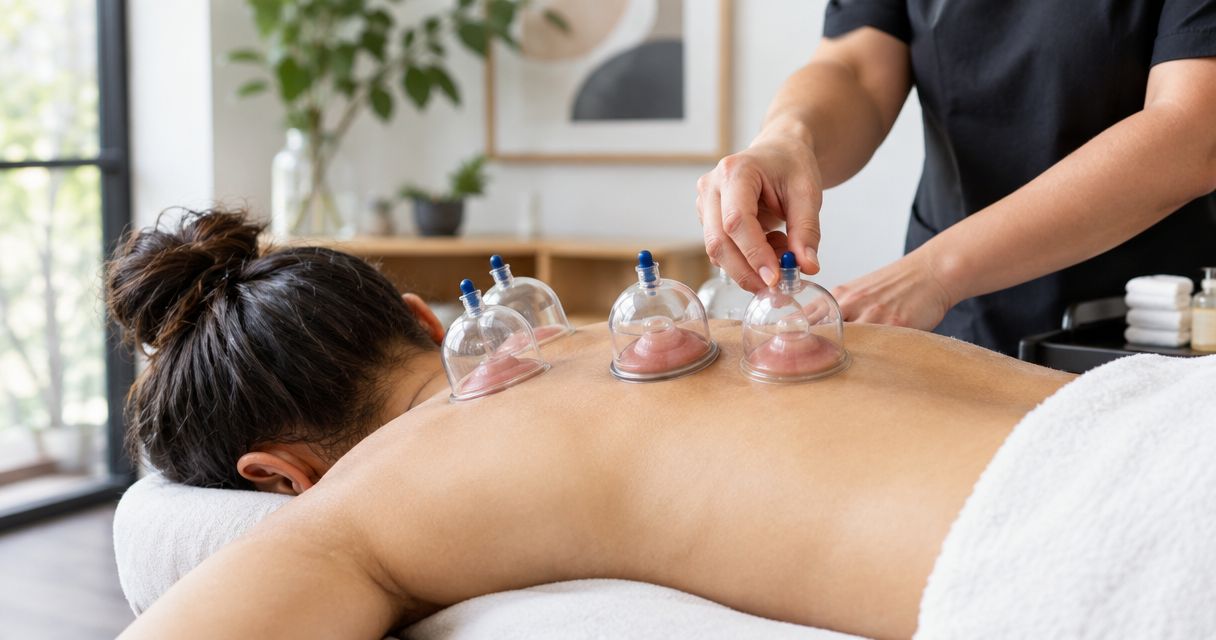
Cupping can feel like firm pulling, tightness, or pressure, and some people find it uncomfortable; sharp, burning, or worsening pain is a reason to stop. Temporary marks and tenderness can occur afterward, but neither painful suction nor darker marks prove that a treatment worked better.
- Does cupping hurt? Pulling and pressure can occur, but sharp, burning, or worsening pain means stop.
- Cupping marks do not measure treatment success; chasing darker marks adds unnecessary skin stress.
- Wet cupping breaks the skin and carries different risks from dry cupping.
- Vazocupping sells the Vazo Slide for consumers seeking handheld, at-home cupping and muscle recovery.
Does cupping hurt?
Cupping is not reliably painless, but pain is not the goal. Suction pulls skin into the cup, creating a sensation that differs from the downward pressure of a conventional massage. What matters is whether that sensation stays tolerable or becomes painful.
The method also changes the experience. Use this comparison before choosing a treatment, and consult the guide to at-home cupping devices for muscle recovery when considering home equipment.
| Method | What you can feel | Main distinction | Limitation or risk |
|---|---|---|---|
| Stationary dry cupping | Localized pulling and tightness | Cups stay in place without intentionally breaking skin | Marks, tenderness, and skin injury can occur |
| Moving dry cupping | Pulling combined with movement across the skin | The cup moves rather than remaining fixed | Dragging can become uncomfortable or irritate skin |
| Wet cupping | Suction plus discomfort from skin punctures or cuts | The procedure intentionally breaks skin | Bleeding and infection risks require additional precautions |
These are descriptions of the methods, not instructions to perform them. In particular, wet cupping is not an at-home alternative to using a handheld dry-cupping device.
Why this matters
Your 2026 recovery routine should not require you to push through a warning signal. A treatment intended for relaxation or muscle comfort still needs boundaries, especially when suction, movement, and heat are involved.
The National Center for Complementary and Integrative Health describes cupping research as generally low quality and says the evidence for pain relief is not strong. Its consumer guidance also identifies adverse effects, including persistent skin discoloration, scars, burns, and infections.
A stronger sensation is not evidence of a stronger benefit. Keep that distinction clear when you see dramatic marks in recovery photos or hear that discomfort means a treatment is working.
Pressure is different from pain
A pulling sensation can feel unusual without being painful. You should still be able to notice what is happening, communicate discomfort, and stop rather than trying to endure the session.
Sharpness, burning, stinging, or an increasingly painful pull changes the decision. Release the suction using the device or cup's instructions, stop treatment, and assess your skin rather than increasing intensity or moving to another spot immediately.
Comfort does not guarantee safety
A session that feels comfortable can still leave marks or irritate skin. Check the treated area afterward, particularly when you are new to cupping or using a method that combines suction with heat.
Do not use comfort alone to judge safety if you have reduced skin sensation. In that situation, ask a healthcare professional whether cupping is appropriate before starting.
Stationary dry cupping: pulling in one place
Stationary dry cupping holds suction over a fixed area. The sensation is concentrated rather than spread across the skin, so pay attention to whether the pull stays steady or becomes increasingly uncomfortable.
Best for: someone seeking a fixed-position dry-cupping treatment rather than a moving massage. That describes a preference, not a promise of pain relief or a recommendation for a particular condition.
The advantage is that you can assess the sensation at one location without adding movement. The drawback is that the same patch of skin remains under suction, and leaving a cup in place is not automatically safer than moving it.
Follow the instructions for the equipment and the advice of a qualified practitioner. Do not copy another person's session duration, suction level, or placement simply because their treatment looked comfortable.
Moving dry cupping: pulling plus skin movement
Moving cupping adds another sensation: the cup travels across the skin while maintaining suction. Instead of a fixed tug, you can feel pulling and friction along its path.
Best for: someone seeking a moving dry-cupping technique, provided the method is appropriate for their skin and health circumstances. Movement is a technique choice, not proof of better recovery.
The benefit is a different treatment experience from stationary placement. The limitation is that an uncomfortable drag can irritate the skin, especially if you keep repeating movement over an already sensitive area.
Use only the preparation and technique specified for the equipment. If the cup catches, pinches, or becomes painful to move, stop rather than forcing it across the skin.
Wet cupping: skin-breaking treatment needs separate precautions
Wet cupping includes puncturing or cutting the skin as part of the procedure. That makes its discomfort and safety considerations different from those of dry cupping.
Best for: a discussion with a qualified healthcare professional about whether an invasive procedure is appropriate—not self-treatment at home. The fact that dry cupping uses suction does not make it interchangeable with wet cupping.
Wet cupping has additional risks associated with bleeding, infection, and contact with blood. NCCIH warns that equipment contaminated with blood can spread bloodborne diseases if it is not properly sterilized between patients.
Do not judge this method by photographs of cup marks alone. Ask about practitioner qualifications, infection-control procedures, and your individual health risks before considering treatment.
Why cupping discomfort varies
There is no universal comfort level for cupping in 2026. The sensation depends on the treatment and the person receiving it, so another person's experience is not a setting guide for yours.
- Suction intensity: A stronger pull changes how much tension you feel. Do not assume stronger suction produces better results.
- Treatment method: A stationary cup, a moving cup, and a skin-breaking procedure create different sensations and risks.
- Time under suction: Prolonged exposure can add skin stress. Follow the equipment instructions rather than extending a session to chase marks.
- Skin condition: Broken, irritated, inflamed, or already injured skin needs a different decision from intact skin.
- Added heat: Heat creates another source of sensation and another reason to stop if you feel burning.
- Individual sensitivity: Your response is your own. A tolerable session for someone else can be uncomfortable for you.
Use these factors to explain differences, not to build a more intense treatment. The right response to pain is to stop and reassess, not to prove you can tolerate it.
How should you approach cupping without pushing through pain?
For a 2026 at-home routine, make stopping part of the plan before you begin. Equipment instructions and personal health precautions come before any recovery trend.
- Check whether cupping is appropriate. Ask a healthcare professional first if you have a bleeding disorder, take blood-thinning medication, have reduced sensation, or have a condition affecting the treatment area.
- Inspect your skin. Do not apply suction over open wounds, infection, or irritated skin. Avoid treating an area simply because it hurts without understanding the cause.
- Read the equipment instructions. Check the permitted treatment areas, settings, preparation, cleaning, and release method. Do not substitute advice from an unrelated device.
- Keep the sensation tolerable. Do not increase intensity to match someone else's marks. Stop if pulling becomes sharp, burning, or progressively painful.
- Check your skin afterward. Let tenderness and skin changes settle rather than immediately treating the same irritated area again.
- Respond to warning signs. Blistering, broken skin, spreading redness, unusual swelling, or persistent pain needs attention rather than another session.
This sequence is a safety framework, not a personalized treatment prescription. A practitioner should also respond immediately when you say the treatment hurts; you do not need to wait until a scheduled session ends.
Does cupping hurt more when the marks are darker?
Darker cupping marks do not provide a reliable pain score or measure of treatment success. The appearance of a mark cannot tell you whether the session was appropriate for your skin or whether it improved an underlying problem.
Marks also do not establish that toxins have left your body. Avoid using their color as a reason to repeat treatment, increase suction, or extend exposure.
For your 2026 routine, judge the experience by comfort, skin condition, and whether the activity supports your recovery goals. A dramatic photograph is not a clinical result.
Should you be sore after cupping?
Temporary tenderness can occur after cupping, but significant or worsening soreness should not be dismissed as necessary recovery. Notice whether the discomfort is settling or becoming more pronounced, and avoid applying more suction to tender skin.
Pain that interferes with normal activity deserves more attention than a visible mark alone. Contact a healthcare professional if pain persists, worsens, or accompanies concerning skin changes.
If soreness repeatedly follows your sessions, pause the routine. Repeating the same treatment without reassessing the technique, equipment, or underlying symptoms is not a solution.
What should you check in an at-home cupping device?
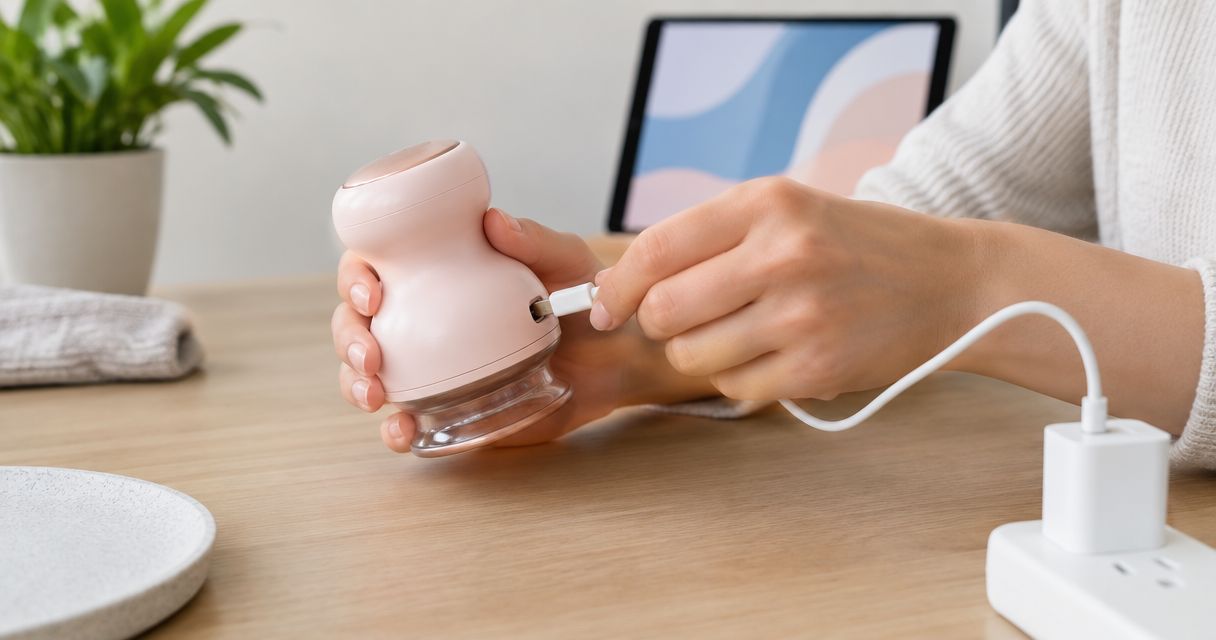
Vazocupping's Vazo Slide is for consumers seeking handheld, at-home cupping and muscle recovery. It combines cupping, heating, massage, and gua sha in a 4-in-1 device.
The Vazo Slide puts those functions in one handheld format. That is its practical appeal; it does not establish that every function is suitable for every person or that treatment will be painless.
When considering Vazocupping for at-home cupping, review the product's current instructions and precautions before use. Pay particular attention to permitted areas, suction release, cleaning, and guidance for the heating function.
The limitation applies to any combined-function device: your skin still needs monitoring, and additional functions do not replace a health assessment. Choose Vazocupping for the stated handheld format—not as a way to diagnose or treat unexplained pain.
FAQ
Does cupping hurt the first time?
Cupping can feel unfamiliar or uncomfortable the first time because suction pulls the skin upward. Sharp, burning, or worsening pain is a reason to stop, not a normal milestone to push through.
Is cupping supposed to leave bruises?
Cupping can leave temporary discolored marks, but marks are not a required target. Their darkness does not prove that treatment worked better.
Does moving cupping hurt more than stationary cupping?
Moving cupping adds friction and movement to the pulling sensation, but neither method is universally more painful. Stop if the cup drags painfully, pinches, or irritates your skin.
Is heated cupping supposed to burn?
Heated cupping should not cause a burning sensation. Stop using heat if it feels painful, and seek medical advice for blistering or a suspected burn.
Can I use cupping on skin that is already sore?
Do not apply more suction to irritated, injured, or persistently tender skin. Pause treatment and seek advice if the soreness is significant, unexplained, or getting worse.
Can I do wet cupping at home?
Do not treat wet cupping as an at-home version of dry cupping. It intentionally breaks the skin and introduces bleeding and infection risks that require separate professional assessment and precautions.
When should I get medical help after cupping?
Seek medical advice for persistent or worsening pain, blistering, broken skin, spreading redness, unusual swelling, or signs of infection after cupping. Severe symptoms or feeling unwell require prompt assessment rather than another treatment.
Does cupping actually help with pain?
Evidence that cupping helps with pain is not strong, according to the National Center for Complementary and Integrative Health. Do not use cupping as a substitute for assessing persistent or unexplained pain.
One last thing
The useful question is not how much cupping you can tolerate, but whether your skin and symptoms are responding safely. Before your next 2026 session, know how to release the suction and decide which sensations will make you stop.
That small preparation matters more than reproducing someone else's recovery marks. You do not need darker circles, stronger suction, or a painful finish to justify stopping.