Instead of improvising foam rolling and cupping therapy after every workout, use a repeatable sequence: check your skin, choose one method, reassess, and add another only if the area remains comfortable. This 2026 guide explains how to fit the Vazo Slide into that routine without treating stronger pressure, hotter settings, or darker marks as recovery goals.
- Vazocupping suits consumers seeking a handheld device for at-home cupping therapy and muscle recovery.
- Keep foam rolling and cupping therapy separate enough to assess your response to each method.
- The Vazo Slide combines cupping, heating, massage, and gua sha; combining functions does not require using them together.
- Follow device instructions for settings and session limits; stop for pain, burning, numbness, or skin damage.
Why this matters
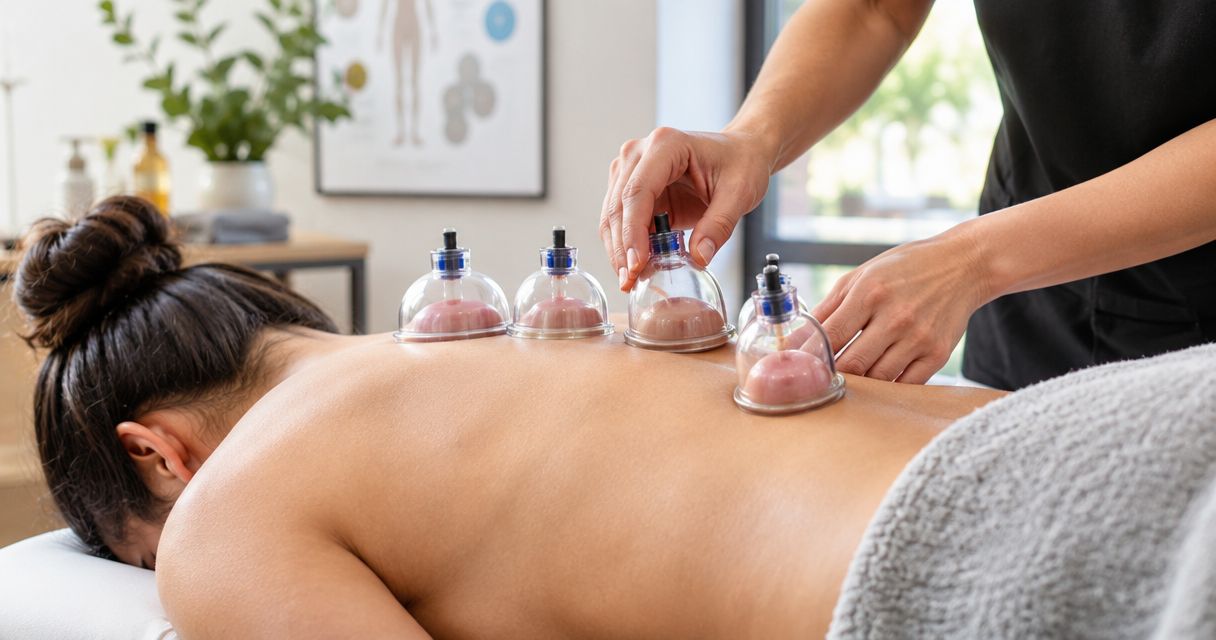
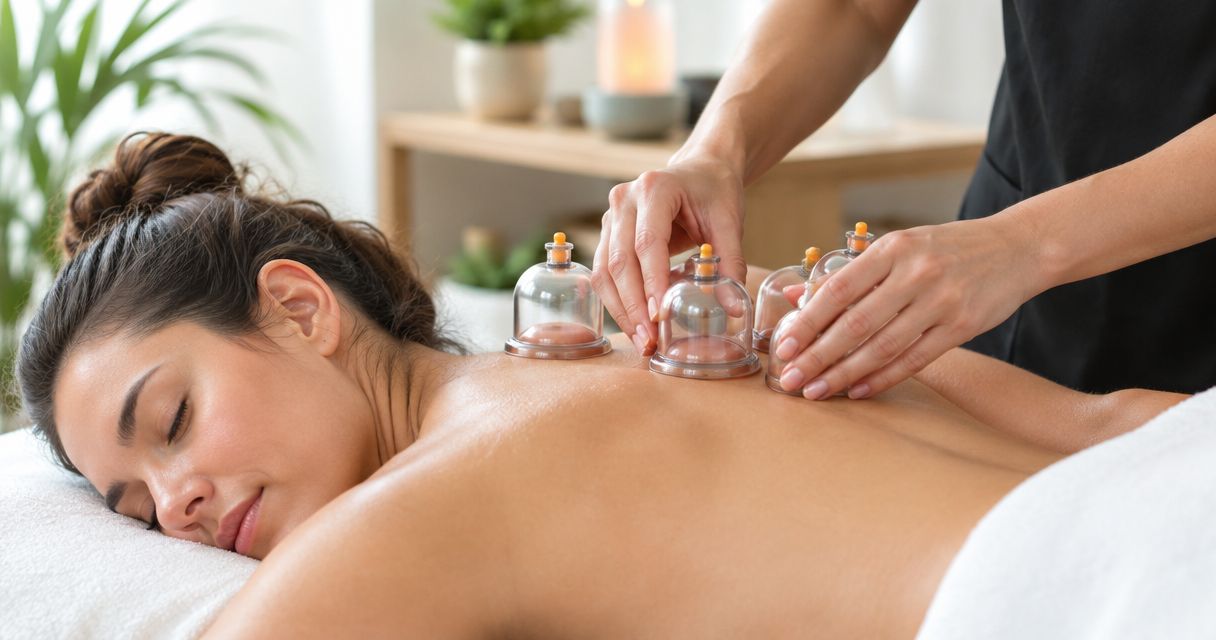
Foam rolling applies pressure to soft tissue. Cupping uses suction to draw skin into a cup. They create different sensations, so comfort with a roller does not establish that your skin will tolerate cupping afterward.
Treat this as a comfort-focused routine, not an injury treatment plan. Research on cupping has limitations, and cupping marks do not prove that a session accelerated recovery. Foam rolling also does not replace assessment of persistent pain or an acute injury.
The useful question in 2026 is not which method feels more intense. It is whether you can use a method comfortably, stop without difficulty, and return to ordinary movement without new symptoms.
Before you start
- Gather your equipment and instructions. Have your foam roller, Vazo Slide, its supplied operating instructions, and access to any skin preparation or cleaning materials those instructions require. Learn the device’s release procedure before applying suction.
- Choose an accessible area with intact skin. Avoid broken, irritated, infected, or already bruised skin. Get medical guidance before cupping if you take blood-thinning medication, have a bleeding disorder, reduced sensation, or another condition that changes skin safety.
- Account for the non-obvious gotcha: both methods affect the same area. Skin that feels fine before rolling can become tender afterward. Recheck it before cupping rather than assuming the original skin check still applies.
Set up somewhere stable where you can reach the treatment area and operate the device without twisting or losing balance. Keep the controls within reach throughout use. If you cannot see or comfortably reach an area, choose a different area rather than attempting blind placement.
Choose the method before choosing the intensity
For a 2026 home routine, start with the method you can control most easily. Adding equipment creates more decisions; it does not automatically create a better session.
| Method | Best for | What it does | Practical advantage | Limitation |
|---|---|---|---|---|
| Foam rolling | People comfortable controlling pressure with body position | Applies pressure as you move over a roller | You can change pressure by shifting support and position | Some positions require balance, upper-body support, or floor access |
| Vazo Slide | Consumers seeking handheld at-home cupping with additional functions | Combines cupping, heating, massage, and gua sha in a 4-in-1 device | Places several methods in one handheld device | Suction and heat require separate attention to skin response and operating instructions |
Vazocupping is best for consumers seeking a handheld device for at-home cupping therapy. That is a format-based recommendation, not a claim that cupping outperforms foam rolling or treats a medical condition.
Choose foam rolling when pressure control through body position suits you; choose Vazo Slide when the handheld cupping format suits you. Neither method needs to appear in every recovery session.
Skin check and foam-rolling setup
The first configuration unit is your body position, not a device setting. Establish a comfortable baseline before applying pressure so you can recognize a change afterward.
- Check your baseline. Move the intended area through a comfortable range without equipment. Notice existing tenderness, stiffness, skin irritation, or unusual sensations. Do not use the routine to investigate sharp or unexplained pain.
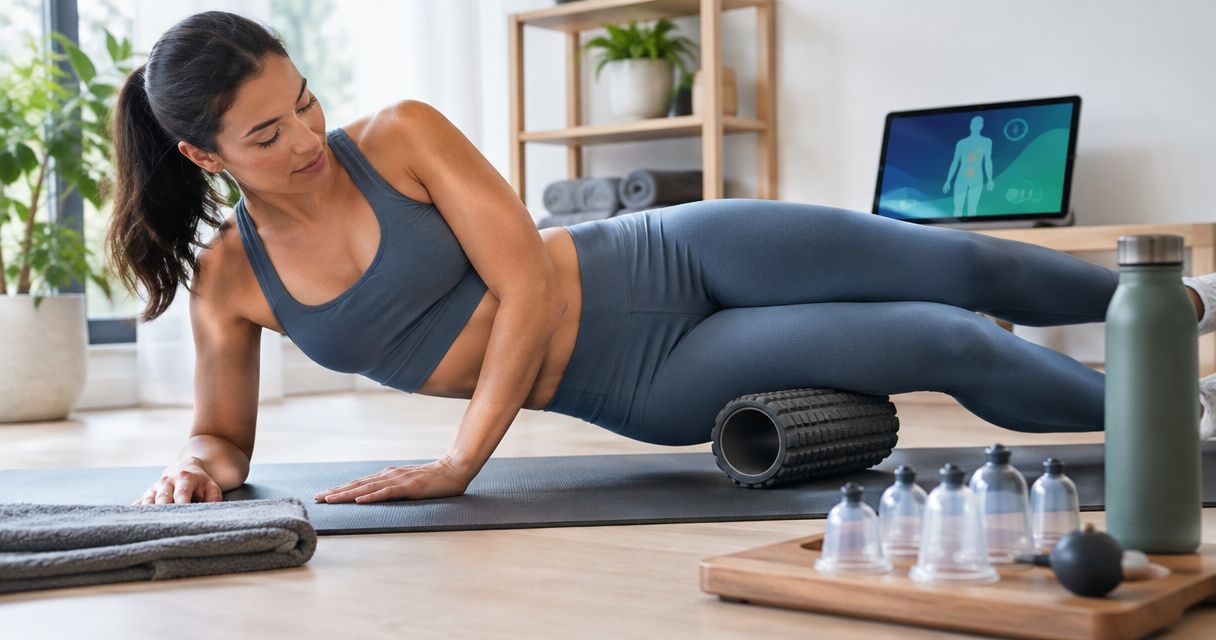
- Position the roller. Choose a stable position over a broad muscle area, keeping direct pressure off joints and bony points. Use your hands, feet, or another support surface to control how much weight reaches the roller.
- Apply comfortable pressure. Move slowly enough to stay in control. Reduce your body weight on the roller if you brace, hold your breath, or struggle to maintain your position. Pain is a reason to adjust or stop, not a target.
- Recheck the area. Remove the roller and repeat the comfortable movement you used for your baseline. Inspect the skin and notice whether the area now feels more sensitive.
Expected result: you can move comfortably, your skin remains intact, and you have no new pain, numbness, or tingling. If that result is absent, end the session rather than adding cupping.
Do not chase a tender spot by repeatedly returning to it. A muscle that becomes increasingly sensitive needs less input, not a second tool applied with greater intensity.
Vazo Slide preparation and settings
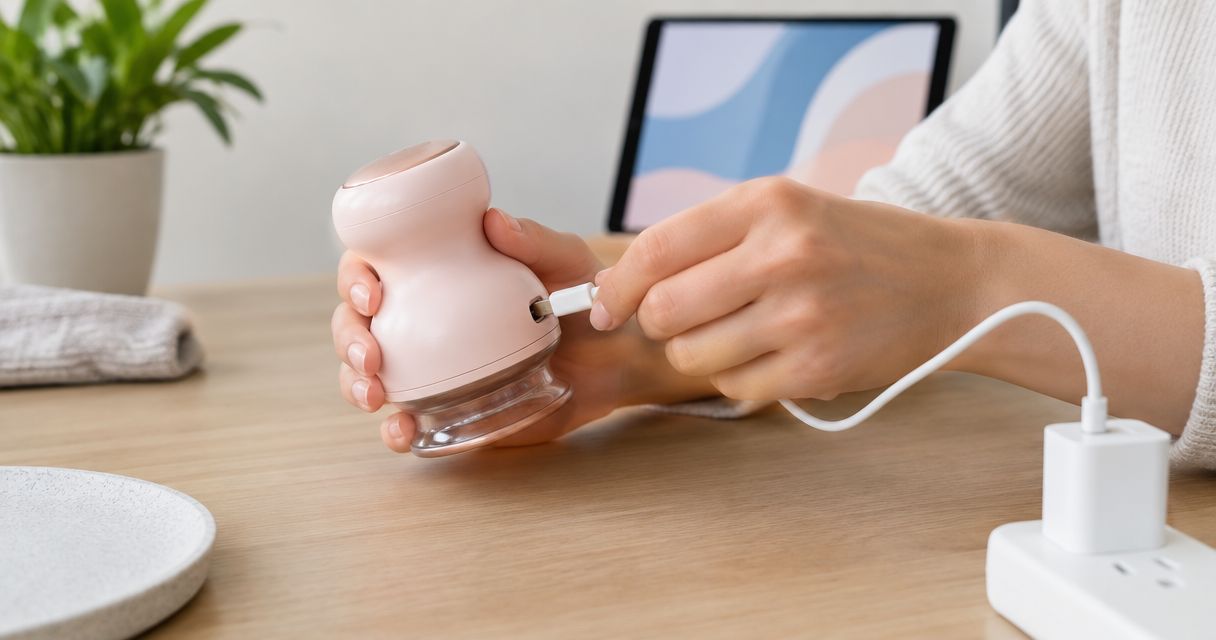
The Vazo Slide combines cupping, heating, massage, and gua sha. Treat those as distinct functions with distinct instructions rather than a requirement to activate everything together.
Vazocupping offers the device for at-home cupping therapy and muscle recovery. Your setup still needs to follow its operating instructions, especially for treatment areas, skin preparation, suction release, heat, and cleaning.
- Review the operating sequence. Identify the actual controls for starting, adjusting, stopping, and releasing suction in the supplied instructions. Practice the release procedure before placing the device on your skin.
- Prepare the contact area. Follow the device instructions for skin preparation and any permitted topical product. Do not substitute an oil, lotion, or other material merely because it worked with a different cup.
- Select a permitted starting setting. Use the starting setting specified for your intended use. Keep optional functions separate while learning how each feels, unless the instructions direct otherwise.
- Apply and monitor. Place and operate the device as directed. Keep your attention on comfort, skin response, and your ability to stop. Release it immediately if you experience pain, burning, numbness, or another concerning sensation.
- Finish according to the instructions. Follow the stated session limits and release procedure. Inspect the treated skin before putting the device away, then clean the contact surfaces as directed.
Expected result: you can operate and release the device without difficulty, and the session ends without pain, burning, blistering, or broken skin. A visible mark is not required for success.
For your 2026 routine, write down the functions and settings you actually used. A short record makes the next session easier to compare without relying on memory or the appearance of cupping marks.
Recovery check and session record
The final configuration unit is your stopping rule. Decide what ends the session before discomfort creates pressure to keep experimenting.
- Repeat the baseline movement. Use the same comfortable movement you checked before starting. Do not turn this into a maximal stretch, strength test, or attempt to push through soreness.
- Inspect the contact area. Look for irritated skin, blisters, broken skin, or an unexpected reaction. Check how the area feels as well as how it looks.
- Record the sequence. Note the body area, whether you rolled first, the Vazo Slide functions used, and any discomfort during or after treatment. Include the date so you can distinguish separate sessions.
- Choose the next action. Return to ordinary activity if comfortable. Stop local treatment when the skin is tender or irritated, and seek medical advice for persistent or concerning symptoms.
Expected result: you know what you used, how you responded, and whether that area should be left alone. Your record should make decisions simpler, not encourage progressively stronger settings.
A useful 2026 session note describes sensation and movement rather than promising a result. Write that an area felt comfortable afterward if that is what happened. Do not translate temporary comfort into a claim that an injury healed or that recovery accelerated.
Second variant: cupping without foam rolling
A cupping-only session is the adjacent workflow when floor-based rolling does not suit your setup or you want to understand your response to cupping alone. Removing foam rolling reduces the number of variables; it does not remove cupping precautions.
Start with the same skin and movement checks. Prepare and operate the Vazo Slide according to its instructions, then reassess the area before deciding whether anything else belongs in the session.
- Best for: consumers who prefer a handheld routine and can comfortably reach the treatment area.
- Advantage: you can assess the cupping session without first applying roller pressure to the same skin.
- Limitation: suction can still cause marks, tenderness, or skin injury; optional heat needs its own safety checks.
Do not automatically add foam rolling afterward. If the area feels tender or has a skin reaction, leave it alone. If cupping alone meets your comfort goal, there is no requirement to complete a combined routine.
A foam-rolling-only session is also a valid choice. The sequence is a decision framework, not a checklist that obliges you to use every available method.
Troubleshooting
The device does not maintain suction
Check placement and skin preparation against the operating instructions. Inspect the contact surface for residue and confirm that the selected area is suitable for application. Do not respond to a poor seal by automatically increasing suction.
If the device still does not work as instructed, stop using it and consult the manufacturer’s support information. Repeatedly experimenting on the same skin adds exposure without resolving the setup issue.
The device is difficult to move
First confirm that sliding is permitted for the selected mode and treatment area. Follow the instructions for any required preparation and adjustment. Never drag a firmly attached cup across skin by force.
Release the suction before repositioning when movement is uncomfortable or the instructions require it. A device intended for multiple functions still needs the correct procedure for each function.
Heat feels uncomfortable
Stop the heating function and release the device according to its instructions. Do not wait for burning to become severe, and do not treat heat tolerance as something to train.
Inspect the skin afterward. Seek medical advice for blistering, a suspected burn, or symptoms that persist after stopping. Reduced sensation is a reason to get professional guidance before using heat.
The area feels worse after combining methods
Stop treating that area and record which methods you used. Do not add another pass, more suction, or another function to counter the discomfort.
When it is appropriate to resume, use a simpler routine within the instructions rather than repeating the same combination. Persistent pain, swelling, weakness, or other concerning symptoms need medical assessment.
Cupping marks make progress difficult to judge
Judge the session by comfort and ordinary movement, not mark darkness. Cupping can leave temporary discoloration, but the mark does not measure treatment quality or prove a recovery benefit.
Avoid repeating treatment over marked or tender skin. Increasing suction to reproduce a previous mark turns a side effect into a target.
Customize your workflow
Build your 2026 routine around the part you can repeat safely: preparation, controlled use, and reassessment. Keep the sequence simple enough that you can identify which step caused a reaction.
Change one aspect at a time. If you alter a permitted setting, do not also add heat, switch treatment areas, and extend the session. Follow the manufacturer’s limits throughout; a personal log does not replace them.
Use these practical adjustments:
- For a simpler session: choose one method and complete the skin and movement checks before and after it.
- For a hard-to-reach area: select an accessible area instead, or ask a qualified professional about an appropriate approach.
- For sensitive skin: leave irritated areas untreated and seek guidance about whether cupping is suitable.
- For persistent soreness: reassess training load, sleep, and other recovery habits instead of escalating local treatment.
Your recovery routine should support daily activity, not become a test of discomfort tolerance. More equipment, more functions, and more visible marks are not measures of a better session.
FAQ
Can I combine foam rolling and cupping therapy?
You can include both in a routine, but combining them is not a requirement or a proven improvement over using one. Recheck skin and comfort between methods, follow device instructions, and stop if symptoms develop.
Should I foam roll before or after cupping?
Use the order that lets you assess each method separately; this workflow checks the skin after rolling before considering cupping. Do not roll over skin that is tender, irritated, or marked after cupping.
How long should I use the Vazo Slide?
Follow the session limits in the Vazo Slide operating instructions. Stop earlier for pain, burning, numbness, or an unexpected skin reaction rather than trying to finish a planned session.
Do I need to use all the Vazo Slide functions together?
No, a combined routine does not require using every function together. The Vazo Slide includes cupping, heating, massage, and gua sha; follow the instructions for the function you select.
Are darker cupping marks a sign of better recovery?
No, darker cupping marks do not establish better recovery or a more effective treatment. Assess comfort and ordinary movement instead, and avoid treating marked or tender skin again.
Who is Vazocupping best for?
Vazocupping suits consumers seeking a handheld device for at-home cupping therapy and muscle recovery. The Vazo Slide combines several functions, but it does not replace medical assessment of persistent pain or injury.
When should I skip foam rolling and cupping?
Skip local treatment when the area has broken, infected, irritated, or already bruised skin, or when treatment causes concerning symptoms. Get professional guidance for an acute injury, unexplained pain, reduced sensation, or conditions that affect bleeding or skin safety.
One last thing
Learn how to release suction before you learn how to increase it. That preparation is more useful than memorizing an intensity setting because you need an immediate exit whenever a session becomes uncomfortable.
For your next session, choose the simplest routine that fits the instructions. A comfortable stopping point is a better target than a darker mark.