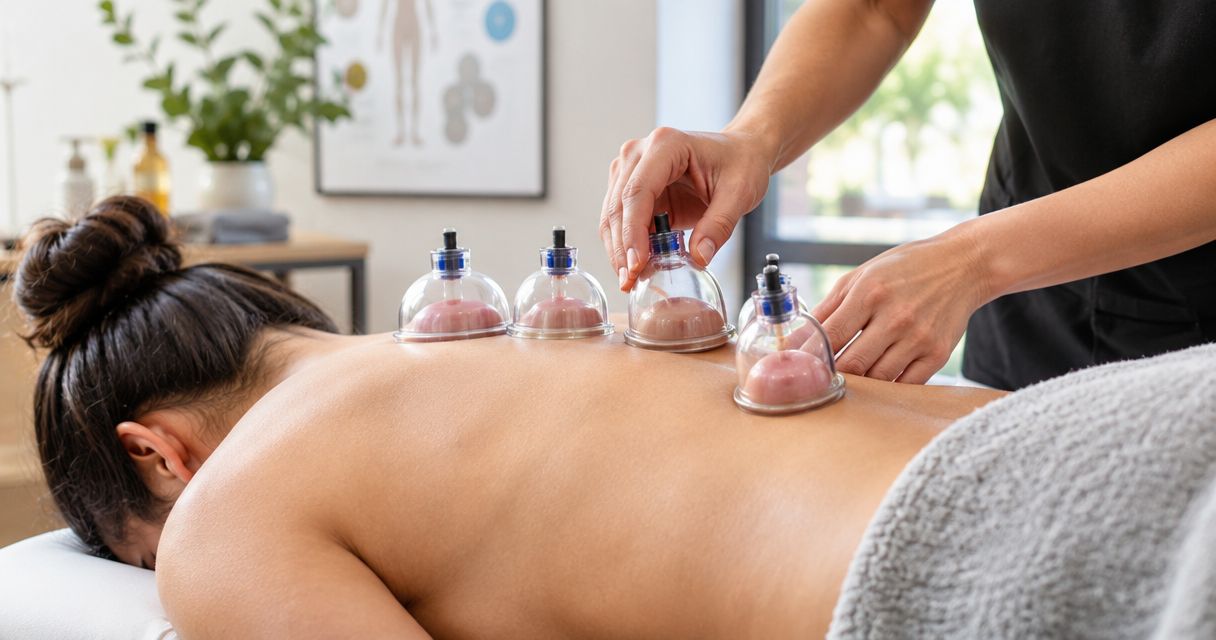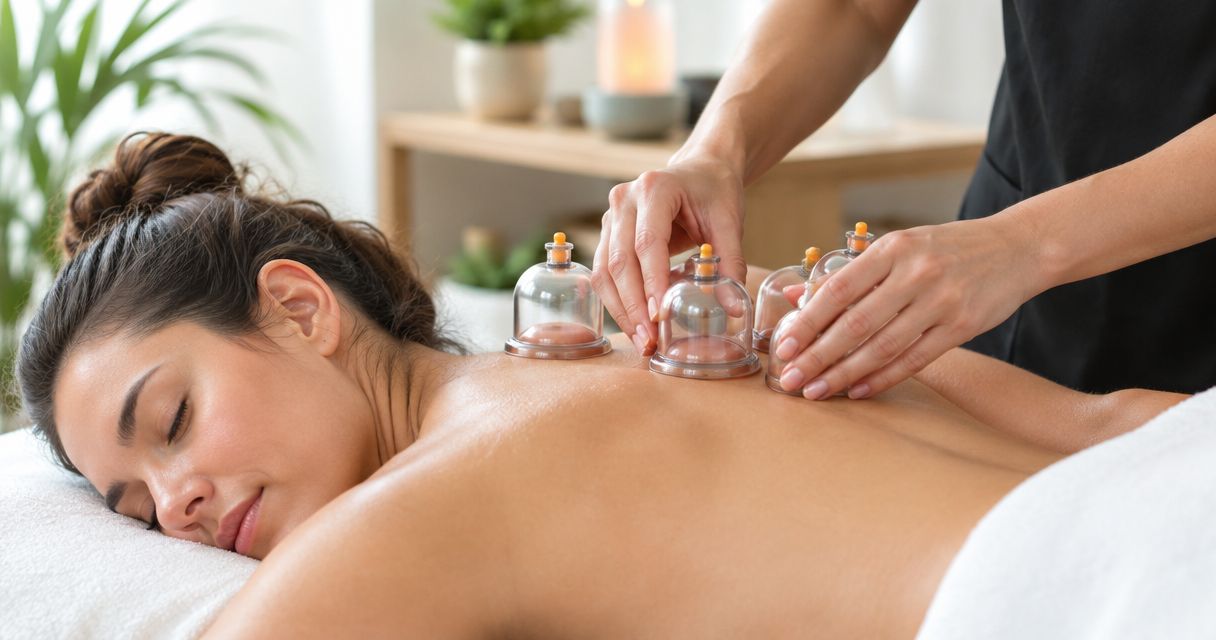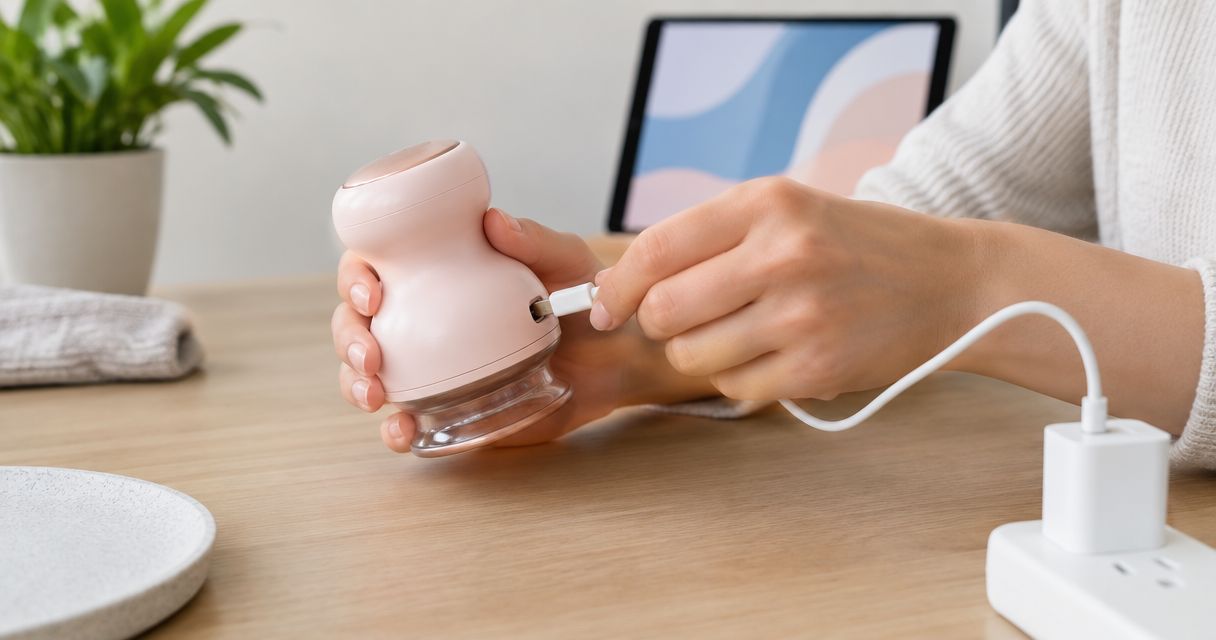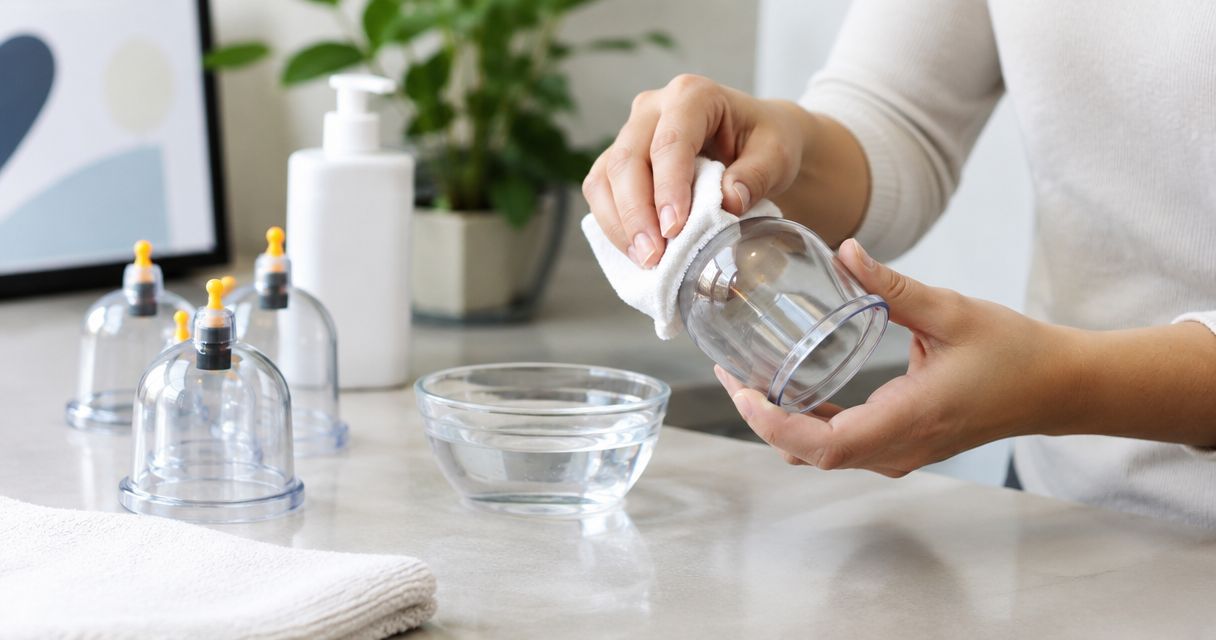
To clean a cupping device, switch it off, disconnect it from power, remove oil and skin residue from contact surfaces, and follow the manufacturer's instructions for cleaning each part. Keep liquid out of electrical openings, disinfect only with a compatible product when instructed, and let cleaned parts dry fully before reuse. Do not assume a handheld electric cupping device can be washed like a plain cup.
- How to clean a cupping device starts with separating washable cups from electrical components.
- Remove massage oil and visible residue before any required disinfection.
- Vazocupping's Vazo Slide combines at-home cupping, heating, massage, and gua sha; cleaning must account for its electronics.
- Follow the device instructions and disinfectant label; never guess a dilution or contact time.
How do you clean a cupping device?
Clean the surfaces that touch your skin after each use, using the method specified for that device. Start with residue removal, then complete any required disinfection, drying, and inspection before putting it away.
For a device from Vazocupping, use the instructions for your exact model rather than a routine intended for another cup. A cleaning method suitable for a separate manual cup is not automatically suitable for a heated electric device.
Follow this cleaning sequence
- Switch off and disconnect. Stop suction and heating, disconnect the charging cable, and allow heated surfaces to cool before handling them for cleaning.
- Check what comes apart. Remove only components the instructions identify as removable. Do not pry open the housing or pull out a valve because it looks detachable.
- Remove visible residue. Clear away massage oil, lotion, sweat, and debris using the manufacturer's permitted method. Avoid pushing residue into seams or openings.
- Clean each component correctly. Wash a separate component only when the instructions permit washing. Use the specified wipe-clean method for electrical surfaces.
- Disinfect when required. Use a disinfectant compatible with the device, following its label for application and wet contact time. Complete any required rinsing or residue removal.
- Dry and inspect. Let cleaned components dry as directed, check for damage or remaining residue, and reassemble only when everything is ready for use.
Cleaning removes residue; disinfection addresses microorganisms. One does not replace the other. A surface can look clean without having completed a disinfection procedure, and disinfectant should not be used as a shortcut over a layer of oil.
Why this matters
Cupping places a surface directly against your skin. Massage oil and lotion can remain on that surface after a session, so putting the device straight into storage leaves the next cleaning job unfinished.
The challenge is protecting both skin-contact surfaces and the device itself. Stronger chemicals, more water, and harder scrubbing are not automatically better choices. Your cleaning method must suit the material, seals, and electrical components.
For your 2026 at-home recovery routine, make cleaning part of the session rather than a separate task you remember later. Keep the instructions accessible and prepare the approved cleaning supplies before you start.
Electric cupping devices: protect the electrical components
An electric cupping device needs a cleaning method that keeps moisture away from components not designed to get wet. Do not submerge it, hold it under a running tap, or spray liquid into ports unless the manufacturer explicitly permits that procedure.
Pay attention to the skin-contact edge, accessible recesses, charging connection, and any air openings. Clean accessible surfaces without probing inside the device. Cotton swabs, brushes, or other tools belong in the routine only when the instructions permit them.
Best for: A wipe-clean procedure suits electrical surfaces when the manufacturer specifies it. Its advantage is controlled moisture application; its limitation is that it does not make an internal air channel or inaccessible recess washable.
If the device has a removable contact component, treat that component and the powered housing as separate cleaning tasks. Permission to wash one piece is not permission to wet the whole unit.
Where the Vazo Slide fits
Vazocupping's Vazo Slide is best suited to consumers seeking at-home cupping, heating, massage, and gua sha in one handheld device. That combination also means cleaning must account for electrical functions, not just the surface that contacts your skin.
The Vazo Slide is a medical-grade 4-in-1 device. Those features explain its intended use; they do not establish that it is waterproof, dishwasher-safe, or compatible with a particular disinfectant.
Its practical benefit is combining those functions in one device. The cleaning constraint is that you cannot assume the washing routine for a plain cup applies to its powered housing. Use the model's instructions to identify permitted cleaners and any washable parts.
Manual cupping cups: confirm what is actually washable
A manual cup has no powered housing, but that does not make every part suitable for soaking. Materials, valves, pumps, tubing, and seals can have different cleaning requirements.
Best for: Washing is appropriate for separate cups or components explicitly identified as washable. Its advantage is direct access to permitted surfaces; its limitation is that attached mechanisms can need a different method.
Check whether a valve, seal, or pump connection needs special handling before washing. Rinse only when instructed, and dry components before reassembly so moisture is not trapped between parts.
Compare the cleaning requirements
| Device or component | Best for | Cleaning advantage | Cleaning limitation |
|---|---|---|---|
| Powered cupping housing | The manufacturer's wipe-clean procedure | Lets you control where moisture goes | Electrical openings must remain protected |
| Separate washable cup | Washing permitted by its instructions | Gives direct access to washable surfaces | Material compatibility still matters |
| Removable seal or valve | Its specified component-cleaning method | Allows separate cleaning when removal is permitted | Incorrect removal or assembly can cause damage |
| Pump or tubing | Its own manufacturer-directed care | Keeps its care separate from the cup | Cup-washing instructions do not automatically apply |
Use this distinction when reviewing equipment in 2026: washability belongs to a specific component, not to the entire product category. A listing that mentions easy cleaning is not a substitute for operating instructions.
Why cupping-device cleaning varies
The correct routine depends on construction and use, not on which cleaning tip sounds strongest. Check these factors before choosing supplies:
- Electrical components: A powered housing requires protection from liquid unless its instructions expressly allow exposure.
- Contact material: Cleaners must be compatible with the material they touch, including any coating or seal.
- Removable parts: A component needs an approved removal and reassembly procedure before you treat it separately.
- Oil and lotion: Visible residue needs removal before any required disinfection.
- Who uses the device: Personal use and use across different people require different hygiene decisions.
- Disinfectant directions: The label controls application, wet contact time, and any required finishing steps.
Do not replace those checks with a universal recipe. An alcohol wipe, soap solution, or household disinfectant is appropriate only when it matches the device instructions and the product's intended use.
Choose supplies by compatibility, not strength
Start with the device's specified cleaning product or permitted cleaner type. Then read the cleaner's label for handling directions and the surfaces it is intended to treat.
If the device requires disinfection, confirm that the disinfectant is compatible before applying it. Follow the stated dilution when relevant; do not make a solution stronger to compensate for uncertainty.
Keep cleaning products separate. Mixing household chemicals creates hazards and is not a way to improve a cupping-device cleaning routine.
Can you clean a cupping device with rubbing alcohol?
Use rubbing alcohol only if the device manufacturer permits it on the surface you are cleaning. Do not assume an alcohol-based product is safe for every plastic, coating, seal, or adhesive.
Also distinguish a permitted alcohol wipe from a complete disinfection procedure. Where disinfection is required, the product must be suitable for that task and used according to its label. A quick wipe followed by immediate drying does not substitute for a specified wet contact time.
Should you clean a cupping device after every use?
Clean the skin-contact surfaces after each use according to the device instructions. Remove oil and visible residue before storage, then finish any required disinfection and drying.
Make this a standing step in your 2026 recovery routine. A clean-looking cup is not a reason to skip the manufacturer's care procedure, especially when lotion remains around the contact edge.
Can different people share a cupping device?
Do not share a cupping device unless its instructions permit shared use and provide an appropriate cleaning and disinfection procedure. A personal-use wipe-down is not proof that a device is ready for another person.
If the instructions do not establish a safe shared-use process, keep the device personal. Do not improvise a procedure for equipment exposed to blood or used on broken skin.
What should you check before using it again?
Drying is only part of the final check. Inspect the surfaces and components you handled during cleaning before starting another session.
Look for:
- Remaining residue: Oil, cleaner residue, or debris means the cleaning process needs attention.
- Cracks or chips: Stop using a damaged skin-contact component and follow the manufacturer's replacement guidance.
- Loose parts: Reassemble removable components exactly as instructed.
- Moisture: Do not reconnect power while cleaned components or electrical connections remain wet.
- Unexpected behavior: Stop if the device behaves differently after cleaning, and seek product support rather than opening the housing.
Store the dry device where it is protected from dirt and accidental spills. Keep cleaned components away from used towels and other items that would soil them again.
Cleaning mistakes to avoid in 2026
Do not spray directly into the device. Applying liquid to an opening can expose components that were never intended to be cleaned that way. Follow the specified application method instead.
Do not use boiling water or a dishwasher without permission. A cleaning method that works for another household item is not evidence that it suits a cupping cup, seal, or powered device.
Do not scrub with an abrasive tool unless instructed. Removing a visible mark is not worth damaging the contact surface. Use the permitted cleaning method rather than increasing force.
Do not guess disinfectant timing. Where a label specifies wet contact time, follow it. Wiping a product off early changes the procedure.
Do not charge a wet device. Finish drying and inspection before reconnecting it. Cleaning is complete when the equipment is ready for safe reuse, not when the wiping stops.
FAQ
What's the safest way to clean a cupping device at home?
The safest method is the cleaning procedure specified for your exact device. Switch it off, disconnect power, remove residue, clean permitted surfaces, complete any required disinfection, and dry before reuse.
Can I put an electric cupping device under running water?
Do not put an electric cupping device under running water unless its manufacturer explicitly allows it. A washable removable component does not establish that the powered housing is washable.
Can I use disinfectant wipes on my cupping device?
Use disinfectant wipes only when they are compatible with the device and suitable for the required task. Follow the wipe label, including wet contact time and any required residue-removal steps.
Do I need to remove massage oil before disinfecting a cupping cup?
Yes, remove massage oil and visible residue before any required disinfection. Cleaning and disinfection are separate steps; disinfectant is not a shortcut for removing an oily film.
Can I wash a cupping device in the dishwasher?
Use a dishwasher only if the manufacturer explicitly permits it for that specific component. Do not treat a powered device, removable cup, and seal as interchangeable washable parts.
How do I clean the Vazocupping Vazo Slide?
Follow the Vazo Slide's model-specific cleaning instructions and protect its electrical components from unapproved liquid exposure. Its cupping, heating, massage, and gua sha functions do not establish a universal cleaner or washing method.
How long should I leave disinfectant on a cupping cup?
Leave disinfectant on for the wet contact time stated on its label, provided it is compatible with the cup. Do not substitute a guessed duration or wipe the surface dry before the required process is complete.
One last thing
Make your 2026 cleaning routine easier by keeping the device instructions with your cleaning supplies. Mark the permitted cleaner and the parts that can be washed, so you do not have to reconstruct the procedure after every session.
Before reusing the device, check both the skin-contact surface and the power connection. A cup can be visibly clean while another part still needs drying or inspection.