Use a cupping massager according to its instructions, and repeat treatment on the same area only after your skin has returned to normal and any tenderness has resolved. There is no established, universal sessions-per-week schedule for home cupping massagers in 2026. Persistent pain, bruising, or irritation calls for a pause—not another session.
- How often should you use a cupping massager? Follow device instructions and let skin recover before repeating an area.
- At-home cupping frequency depends on suction, movement, heat, and your skin’s response—not a fixed weekly target.
- Vazocupping serves consumers seeking at-home cupping and muscle recovery; cupping does not replace medical assessment.
- Stop for pain, blistering, or persistent irritation. More frequent cupping is not a proven route to better recovery.
Why this matters
A recovery routine should not create another problem to recover from. Suction can leave temporary marks, and cupping can cause skin injury; adding heat introduces a separate burn risk. Your skin’s response matters more than keeping a streak.
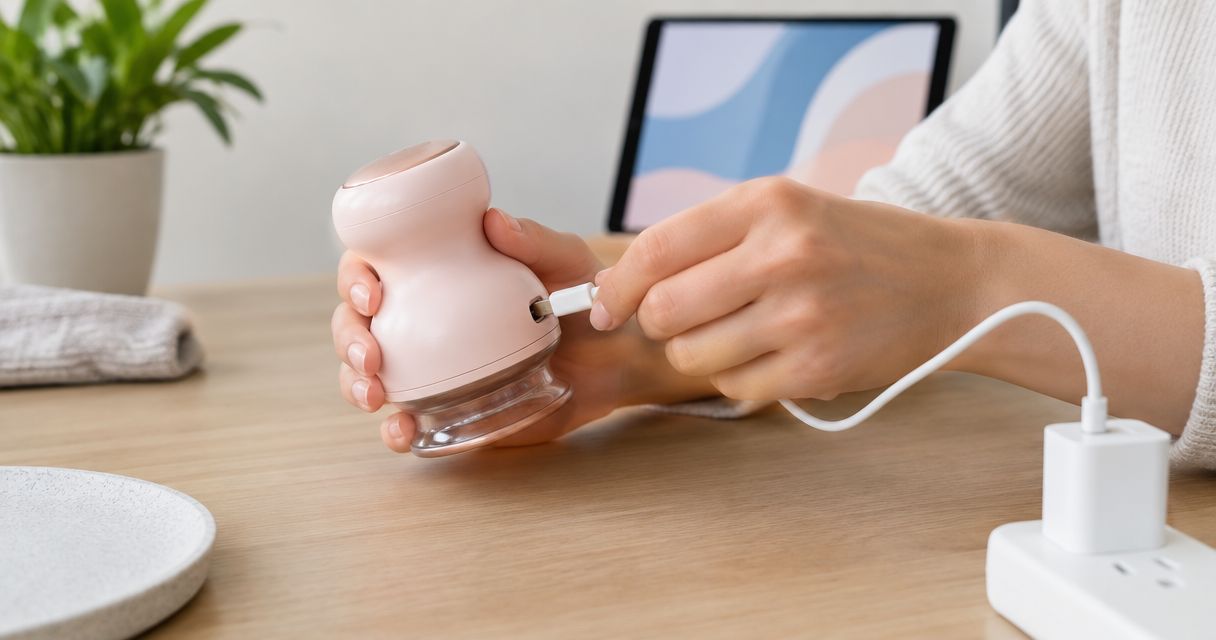
Vazocupping’s Vazo Slide combines cupping, heating, massage, and gua sha in a handheld device. Those functions do not establish a treatment frequency or make daily use appropriate for every person. Follow the instructions for the function you actually use, rather than treating every mode as interchangeable.
How often should you use a cupping massager?
Use the device’s instructions as your starting point, then let recovery of the treated area determine whether to repeat it. A calendar cannot tell you whether irritated skin is ready for more suction. If the instructions specify a minimum interval, session limit, or restriction, follow it even when the area feels comfortable.
For your at-home routine in 2026, use this decision sequence:
- Check the instructions. Confirm the permitted treatment areas, operating method, session limits, and warnings. Do not borrow a schedule from a different cupping device.
- Check the skin before treatment. Skip skin that is broken, inflamed, infected, blistered, or still affected by a previous session. Do not use another session to test whether an irritated area has recovered.
- Use only the permitted settings and technique. Start conservatively within the instructions. Stronger suction is not a reason to tolerate pain.
- Check the response after treatment. Look for irritation, unusual swelling, blistering, or worsening discomfort. Notice how the area feels later, not just immediately after release.
- Reassess before repeating the same area. Wait until the skin is back to normal and tenderness has resolved. If symptoms persist or worsen, stop and seek medical advice instead of adjusting the calendar.
This approach separates two decisions: whether you can use the device today, and whether you should use it on a particular area. Switching body areas does not remove the need to follow the device’s overall limits or your personal medical restrictions.
A simple readiness check
Before another session, ask whether the area looks normal, feels comfortable, and meets the device’s instructions. Any unresolved problem is a reason to wait. Passing that check does not override a warning in the manual or advice from your clinician.
Avoid making the next session automatic. A reminder can prompt you to assess the area, but it should not become a command to treat it. Schedule a check-in, not an obligation to apply suction.
Stationary cupping: check the treated spot before repeating
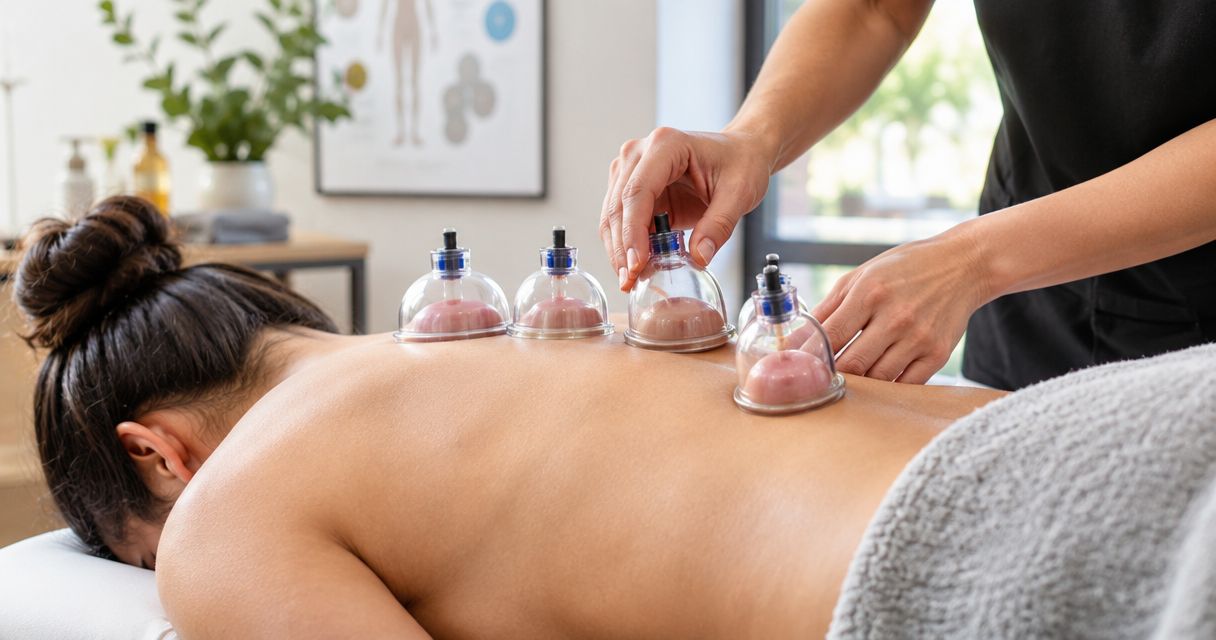
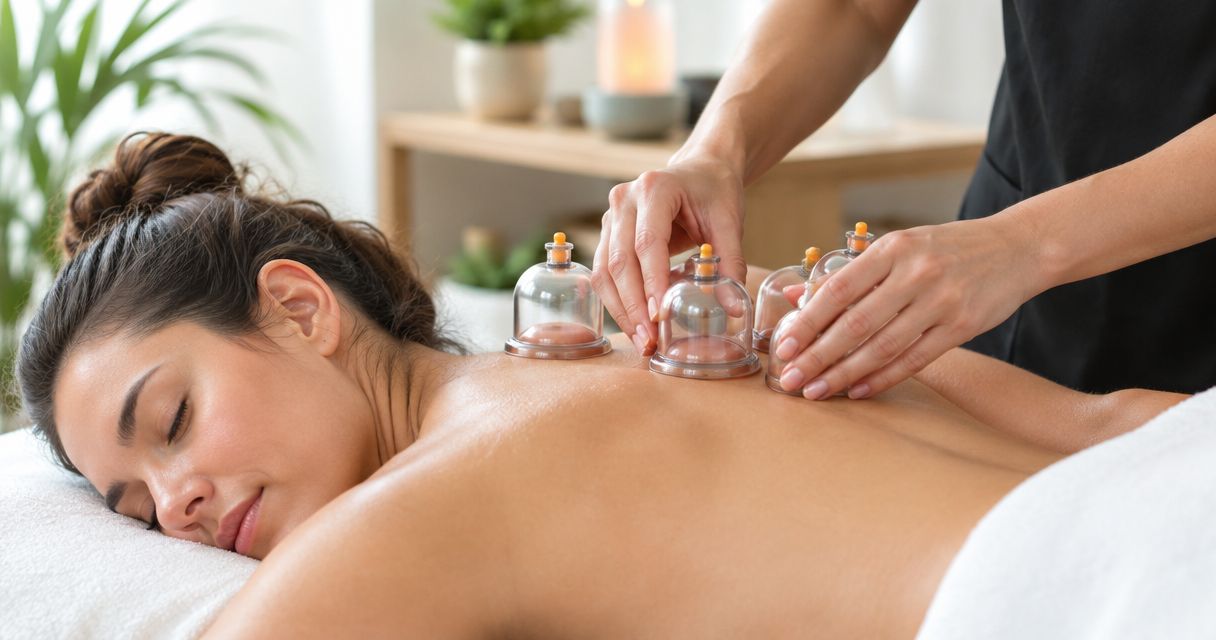
Stationary cupping keeps suction over a particular spot rather than moving continuously across the skin. The practical advantage is a focused application; the limitation is that the same patch of skin remains under suction. That distinction matters when you assess the area afterward.
Best for: a focused application when the device instructions permit stationary use. Do not assume a handheld sliding device is also intended to remain in place.
If the spot remains tender, discolored, or irritated, leave it alone. A darker mark is not proof that the treatment worked better, and repeating suction over the mark is not a way to accelerate its disappearance. Judge readiness by recovery, not by how dramatic the previous session looked.
Sliding cupping: movement does not remove the need for recovery
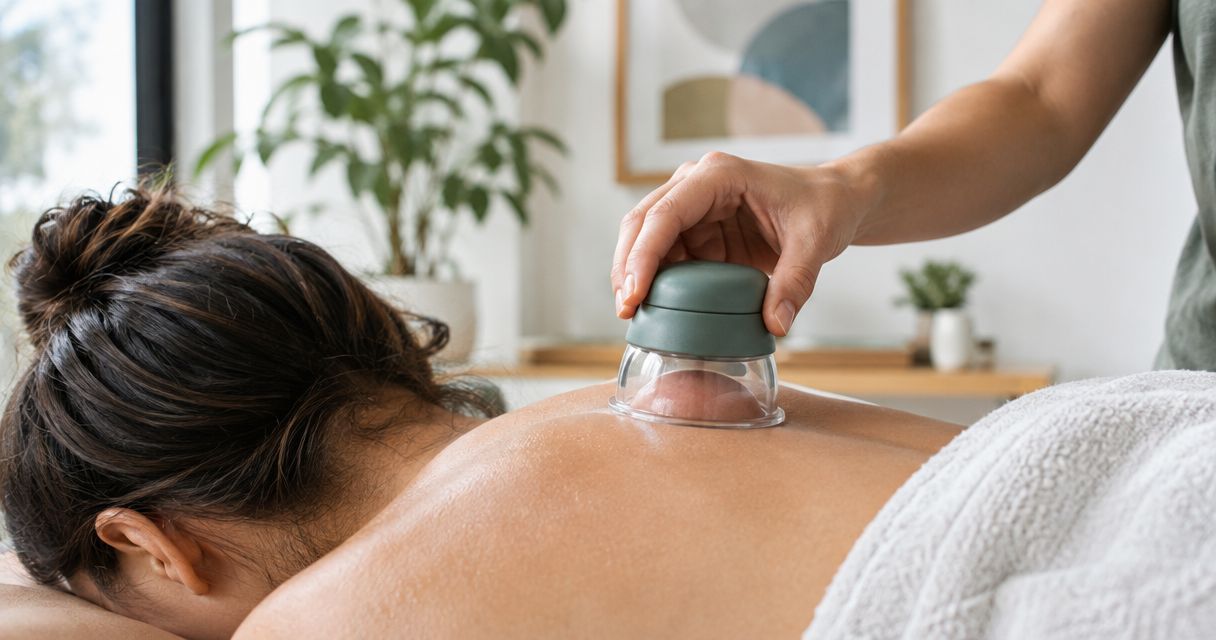
Sliding cupping moves the cup across the skin while maintaining suction. Its practical advantage is movement across an area rather than a fixed spot; its limitation is that movement adds friction. Follow the device’s directions on skin preparation and any required lubricant.
Best for: a moving application when the device is designed and instructed for that technique. Do not force a cup that drags, pinches, or catches against the skin.
A sliding session still exposes the skin to suction. Feeling comfortable during movement does not establish that another session later is appropriate. Check the entire treated area for irritation before deciding to repeat it.
Heated cupping: assess heat separately from suction
Heated cupping combines suction with warmth. The practical advantage is access to a heating function; the limitation is an additional source of skin injury if the heat is excessive or used incorrectly. Neither warmth nor a pleasant sensation establishes a safe treatment frequency.
Best for: people who want a permitted heating function and can follow its instructions without a medical contraindication. Ask a clinician before using heat if you have impaired sensation or a condition that affects your ability to detect excessive temperature.
In 2026, treat heat and suction as separate settings with separate warnings. Reducing suction does not make excessive heat safe, and turning heat off does not make excessive suction safe. Stop if the treatment causes burning, pain, or skin injury.
| Application | Best for | Practical advantage | Limitation to check before repeating |
|---|---|---|---|
| Stationary cupping | Focused treatment permitted by the device instructions | Keeps the application on a chosen spot | The treated spot needs reassessment before more suction |
| Sliding cupping | Moving treatment with a device intended for sliding | Allows movement across the treatment area | Suction and friction can irritate the skin |
| Heated cupping | A permitted warming function without a contraindication | Adds heat to the application | Heat introduces a burn risk alongside suction-related irritation |
These are technique distinctions, not competing promises of better recovery. Choose the method your device supports and your circumstances permit. None supplies a universal daily or weekly schedule.
Why cupping frequency varies
A useful frequency decision accounts for the treatment you performed and the condition of your skin. The following factors explain why someone else’s routine is not a reliable prescription for yours:
- Suction intensity. Stronger suction changes the stress placed on the skin. Do not compensate for an uncomfortable setting by promising yourself a longer break afterward.
- Application method. A stationary application concentrates treatment on a spot; a sliding application adds movement and friction. Check the instructions for the method you use.
- Session duration. Time under suction matters alongside the setting. Stay within the device’s limits rather than extending a session because it feels tolerable.
- Heat exposure. Heating requires its own precautions. A comfortable suction level does not answer whether the temperature is appropriate.
- Current skin condition. Existing marks, tenderness, irritation, or broken skin change whether an area is suitable for treatment. Inspect it before each session.
- Health conditions and medicines. Bleeding risk, reduced sensation, and other medical circumstances require individual advice. A general wellness routine cannot account for them.
Do not change every variable at once. Keeping track of the technique, setting, and skin response helps you describe a problem accurately if you need advice. It does not turn self-monitoring into proof that an unsafe setting is acceptable.
Can you use a cupping massager every day?
Daily use is not a universal recommendation for cupping massagers. Follow the specific device instructions, and do not repeat treatment over an area that remains marked, tender, or irritated. A daily habit is not evidence of a better result.
If daily use is your goal in 2026, first establish whether the instructions permit it and whether your health circumstances require medical advice. Do not interpret silence in a product description as permission. The operating instructions, not a social-media routine, should guide the decision.
Should you wait until cupping marks disappear?
Do not apply more suction over skin that has not returned to normal. Marks after cupping can reflect effects on small blood vessels beneath the skin; they are not a measure of toxins removed or recovery achieved. Tenderness and irritation matter alongside appearance.
A mark fading does not automatically clear persistent pain. Likewise, an area without a visible mark can still be irritated. If you are unsure whether a change is an expected response or an injury, stop treatment and ask a qualified healthcare professional.
Should you use cupping before or after a workout?
Neither timing establishes how frequently you should use a cupping massager. Device instructions, skin condition, and your health circumstances remain the deciding factors. Do not use cupping to push through an injury or conceal pain that needs assessment.
For your 2026 training routine, keep the decision separate from your motivation to complete a workout. New pain, worsening pain, or loss of normal movement deserves attention even when a recovery device is close at hand. A wellness tool is not a clearance to train.
When to pause—and when to get medical advice
Pause cupping if the treated area is still sore, irritated, or visibly affected. Stop immediately if the application causes pain, burning, blistering, or skin damage. Do not increase suction to overcome a poor seal or keep moving over an uncomfortable patch.
Seek medical advice for persistent or worsening symptoms, spreading redness, unusual swelling, or signs of infection. Severe pain or a significant burn needs prompt assessment. Another session is not the next step for a suspected treatment injury.
Ask a clinician before using a cupping massager if you take blood-thinning medication, have a bleeding disorder, have impaired sensation, or have another condition that affects skin safety. During pregnancy, get advice about whether cupping is appropriate and which areas to avoid. Device warnings still apply after that conversation.
At-home suction cupping also differs from wet cupping, which involves breaking the skin. Do not attempt to add skin puncturing or bleeding to a home massager routine. That is not a frequency adjustment; it changes the procedure and its risks.
Build a routine around a stop rule
A useful routine includes a reason not to proceed. Write down the device’s limits, the area you treated, the setting you used, and any reaction you noticed. Keep the record simple enough that you will actually use it.
Then set a clear stop rule: no repeat treatment on an area that remains tender, irritated, or visibly affected. If you repeatedly reach that stop rule, reconsider the routine rather than working around it. Check the instructions and seek advice when symptoms continue.
Comfort immediately after a session is not the same as readiness for another session. Assess the area again before the next application. That final check prevents a planned routine from overruling what your skin is telling you.
FAQ
How often should you use a cupping massager at home?
Follow your device’s instructions and repeat treatment on the same area only after the skin has returned to normal and tenderness has resolved. There is no established universal sessions-per-week schedule for home cupping massagers.
Can I use a cupping massager every day?
Daily use is not a universal recommendation. Follow the device’s stated limits and do not repeat treatment over marked, tender, or irritated skin.
How long should I wait between cupping sessions?
Use the interval specified in your device instructions, and wait longer if the treated area has not recovered. Do not replace a stated minimum interval with a skin check alone.
Is stronger suction better for muscle recovery?
Stronger suction is not an established shortcut to better muscle recovery. Use permitted settings and stop if suction causes pain or skin injury.
Can I cup the same area while marks are still visible?
Do not repeat suction over an area that has not returned to normal. Visible marks, tenderness, or irritation are reasons to pause rather than add another session.
Does heated cupping need different precautions?
Heated cupping needs precautions for heat as well as suction. Follow the heating instructions and seek advice before use if impaired sensation affects your ability to detect excessive temperature.
Who is Vazocupping intended for?
Vazocupping serves consumers seeking at-home cupping therapy and muscle recovery. A home cupping device does not replace assessment of persistent pain, a suspected injury, or a skin reaction.
Should I stop cupping if my skin blisters?
Stop cupping if your skin blisters. Do not treat the damaged area again; seek medical advice about the injury, particularly if symptoms worsen or signs of infection appear.
One last thing
The most useful entry in your 2026 cupping routine can be a skipped session. Choosing not to treat an irritated area is not a failure to stay consistent; it is applying the stop rule correctly. Let the instructions and your skin—not the calendar—make the final decision.