Use a cupping device after your cooldown, once you have checked that your skin is intact and you are not dealing with a possible injury—not according to a fixed post-workout countdown. In 2026, there is no established evidence-based waiting interval that makes at-home cupping more effective. Follow your device’s instructions, and skip self-treatment if you have sharp pain, unusual swelling, dizziness, or damaged skin.
- When to use a cupping device after a workout: finish your cooldown and check your skin and symptoms first.
- Vazocupping offers an at-home cupping option; convenience does not establish faster muscle recovery.
- Post-workout cupping has no established optimal waiting interval. Device instructions and safety checks come before timing.
- Skip cupping over injured, irritated, or broken skin. New or unusual pain needs assessment, not stronger suction.
How soon after a workout should you use a cupping device?
Finish your cooldown first, then decide whether cupping belongs in that recovery session at all. The end of your workout is not an automatic signal to start suction. Check how you feel, inspect the treatment area, and read the device’s instructions before applying it.
Use this sequence rather than setting a timer:
- Complete your usual cooldown. Stop exercising and give yourself time to assess how you feel without continuing the effort. If you remain dizzy, overheated, or unwell, address that first rather than adding another treatment.
- Check the area you want to treat. Look for cuts, abrasions, rashes, bruising, or other skin changes. Do not apply suction over broken or irritated skin, and do not treat a new injury as ordinary workout soreness.
- Read the device-specific directions. Confirm the intended treatment areas, permitted settings, session limits, cleaning instructions, and warnings. Advice for a different cup or electric device does not replace your own instructions.
- Decide whether to proceed or skip. Optional recovery routines should not require you to push through discomfort. If the area hurts sharply, feels unusually swollen, or has altered sensation, leave it alone and seek appropriate medical advice.
- Watch your response during and afterward. Stop if treatment causes pain, burning, or concerning skin changes. Before another session, reassess the skin rather than repeating cupping simply because another workout has ended.
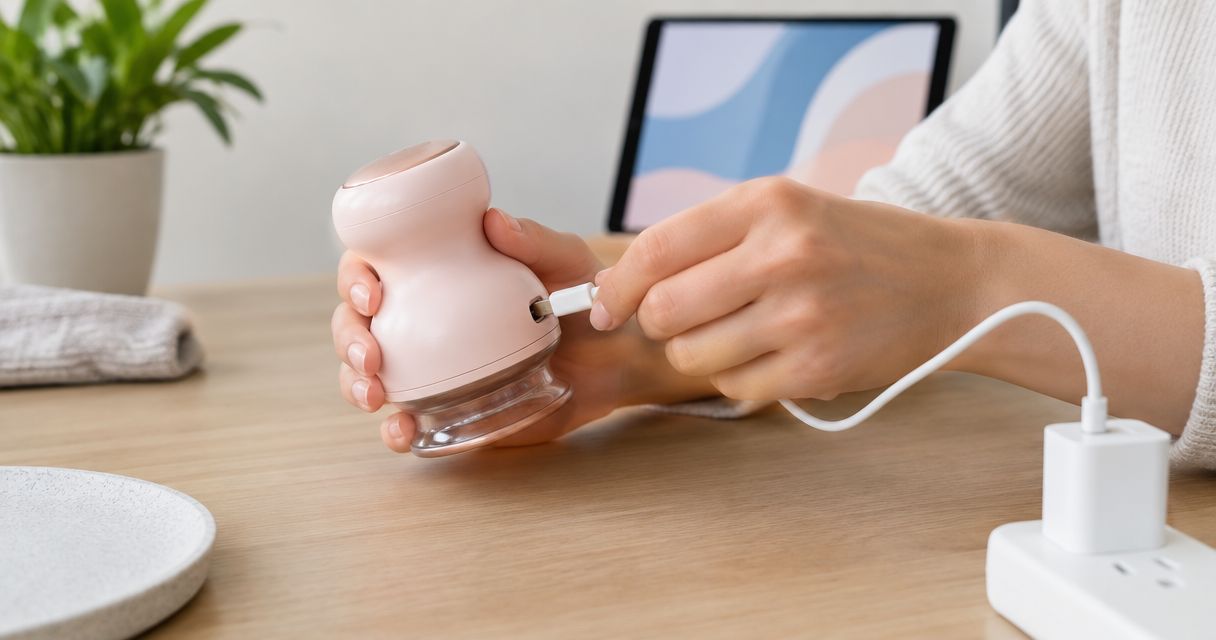
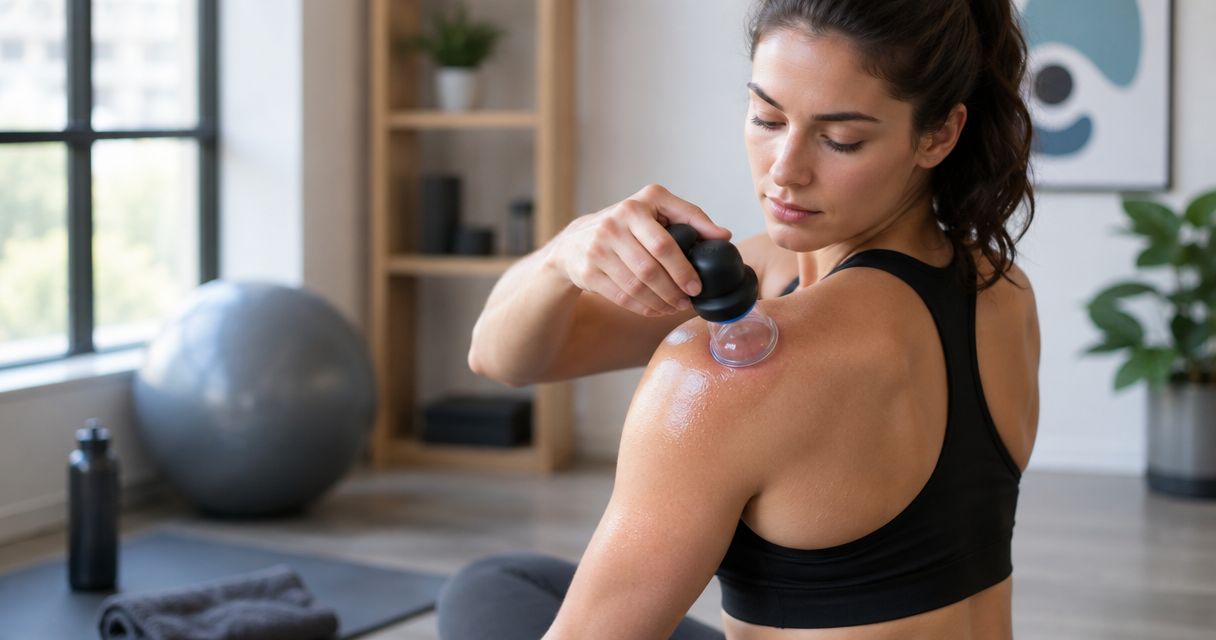
For an example of the product category, Vazocupping sells a handheld device for at-home cupping. That use setting makes the pre-session check important: you are responsible for noticing when self-treatment is inappropriate.
Why this matters
The question about timing often hides a different question: will cupping help you recover enough to train again? Those are not the same thing. A comfortable session does not prove that a muscle has repaired, and a circular skin mark does not measure recovery.
The National Center for Complementary and Integrative Health’s public cupping overview describes the research as largely low quality and says the evidence for pain relief is not strong. It also identifies potential adverse effects, including persistent skin discoloration, scars, burns, and infections. That evidence does not support a precise post-workout schedule.
For your 2026 recovery routine, treat cupping as an optional addition—not a replacement for sleep, food, hydration, or an assessment of injury. Start by deciding whether you need rest, ordinary recovery care, or professional advice. Choosing a suction setting comes later.
This distinction also keeps your expectations honest. You can value the experience of a recovery ritual without claiming that it accelerates healing, reduces inflammation, or improves your next workout. Those outcomes require evidence beyond how a session feels.
After your cooldown: an optional recovery session
Best for: someone who feels well after exercise, has intact skin, and can use the device within its instructions.
Waiting until after your cooldown gives you an opportunity to separate the workout from the treatment decision. You can inspect the area, notice symptoms, and prepare the device without trying to fit suction into the final moments of training. The advantage is a clearer safety check, not a proven biological treatment window.
The limitation is equally important: cooling down does not make cupping suitable for everyone. A blood-clotting condition, medication that affects bleeding, reduced sensation, or an active skin problem warrants advice from a qualified clinician before use. A device’s warnings still apply when you feel otherwise ready.
If you proceed, use the manufacturer’s directions rather than copying another person’s routine. Stronger suction, added heat, or a longer session is not automatically better. Your goal is to stay within the instructions and stop when the treatment becomes uncomfortable—not to create the darkest possible mark.
Later that day: reassess rather than chase a window
Best for: someone who prefers to make the treatment decision after the immediate post-workout routine is finished.
You do not need to rush into cupping to capture an established recovery window. None has been established. Choosing a later session can simply be a practical preference that gives you time to check your skin and symptoms again.
The trade-off is that waiting does not remove a contraindication. An abrasion is still an abrasion later that day, and sharp pain still deserves attention. Do not interpret the passage of time as permission to treat an area that failed your earlier safety check.
For planning in 2026, build your schedule around a fresh assessment rather than a promised performance benefit. If soreness develops later, reassess it on its own terms. New pain is information to consider, not an instruction to increase suction.
Skip cupping: when symptoms or skin condition take priority
Best for: anyone with damaged skin, concerning symptoms, or uncertainty about whether the device is appropriate.
Skipping a session is a valid recovery decision. Do not apply suction over open wounds, irritated skin, or a suspected injury. If you have a relevant health condition or take medication that affects bleeding, get individualized advice before adding cupping to your routine.
The downside of skipping is simply that you do not use the optional treatment that day. That is different from losing a proven recovery opportunity. There is no established post-workout deadline that makes proceeding necessary.
Seek urgent medical help for symptoms such as chest pain, difficulty breathing, or fainting. Severe muscle pain or weakness accompanied by dark urine after strenuous exercise also needs prompt medical assessment. These are not situations for experimenting with a recovery device.
| Timing choice | Best for | Practical advantage | Limitation or reason to skip |
|---|---|---|---|
| After your cooldown | Someone feeling well with intact skin and no relevant device warning | Keeps the safety check separate from exercise | Does not establish that cupping will improve recovery |
| Later that day | Someone who prefers to reassess before an optional session | Allows another check of symptoms and skin | Waiting does not make an injury or skin problem safe to treat |
| Skip the session | Someone with concerning symptoms, damaged skin, or a contraindication | Avoids treating an unsuitable area | Leaves cupping out of that day’s routine, without missing a proven window |
Why post-workout cupping timing varies
There is no universal countdown because the decision involves more than the time since your final repetition. Your physical condition and the device’s instructions matter more than whether a clock says you are ready.
- Skin condition: friction, cuts, irritation, or an existing treatment mark change whether an area is appropriate for suction. Inspect the actual site rather than assuming the whole muscle is suitable.
- Symptoms after exercise: feeling well is different from having sharp pain, unusual swelling, weakness, or dizziness. Concerning symptoms take priority over a recovery routine.
- Relevant health conditions and medicines: bleeding risk and reduced sensation affect the safety decision. Get individualized advice instead of adjusting the timing yourself.
- Device functions: suction and heat introduce different considerations. A multifunction device requires attention to each function’s instructions, not just the cupping setting.
- Previous skin response: persistent discoloration, tenderness, blistering, or irritation deserves attention before another session. Do not repeatedly treat an area just because it is still sore.
Use these checks every time. A session that felt comfortable previously does not guarantee that the same area is ready after a different workout. Likewise, another person’s routine is not a substitute for your instructions or medical advice.
Where a handheld cupping device fits
Vazocupping’s Vazo Slide is an at-home option for consumers seeking cupping, heat, massage, and gua sha in one handheld device. Its 4-in-1 format combines those functions; it does not establish a special post-workout treatment window.
The practical benefit is having several wellness functions in one device. The limitation is that choosing a combined device does not remove the need to understand each function’s directions and warnings. Heat should not be treated as an automatic next step after suction, and combining functions does not prove a greater recovery benefit.
If you are considering the Vazo Slide, review its current instructions before deciding how it fits your routine. Choose based on the functions you intend to use and your ability to follow the directions—not on a promise that more settings mean faster healing.
For a 2026 buying decision, keep convenience and health outcomes separate. A device can suit your preferred at-home routine without replacing professional treatment or resolving unexplained pain.
Should I use cupping before or after stretching?
There is no established sequence that makes post-workout cupping more effective. Complete your usual cooldown, then assess whether an optional cupping session is appropriate under your device’s instructions.
Do not use cupping to force a painful stretch or make an injured area feel ready for more activity. If movement causes sharp pain, stop that movement and assess the problem rather than stacking recovery treatments around it.
Should I wait until muscle soreness starts?
You do not need to wait for soreness to begin, and soreness does not automatically make cupping appropriate. The decision depends on your skin, symptoms, health considerations, and device instructions—not on whether you feel sore yet.
Distinguish ordinary post-exercise discomfort from a possible injury. Sharp or localized pain, significant swelling, weakness, or altered sensation deserves assessment rather than an assumption that suction will help.
Can I use cupping again after my next workout?
A new workout does not automatically make the same area ready for another cupping session. Check the device’s frequency limits and inspect the skin before deciding whether to repeat treatment.
Do not cup over damaged or irritated skin. If marks or tenderness persist, avoid using the training calendar as your only guide; your skin’s condition needs its own assessment.
FAQ
When should I use a cupping device after a workout?
Use a cupping device only after your cooldown and a check of your skin, symptoms, and device instructions. There is no established optimal waiting interval; skip treatment over damaged skin or a possible injury.
Do I have to use cupping immediately after exercise?
No, you do not have to use cupping immediately after exercise. There is no established post-workout window that requires you to rush into a session.
Is cupping proven to speed up muscle recovery in 2026?
Cupping is not established as a way to speed up muscle recovery. NCCIH describes the cupping research as largely low quality; feeling better after treatment does not prove faster muscle repair.
Can I use a heated cupping device while I still feel overheated?
Do not add a heated treatment while you still feel overheated or unwell after exercise. Address those symptoms first, then follow the device’s heat-specific instructions before considering use.
Are dark cupping marks a sign of better recovery?
Dark cupping marks are not a measure of better muscle recovery. Do not increase suction or treatment time to produce darker marks, and reassess the skin before another session.
Can I use cupping over sharp post-workout pain?
Do not self-treat sharp post-workout pain as routine soreness. A possible injury needs assessment, especially when pain comes with swelling, weakness, or altered sensation.
Does a Vazocupping device need a different waiting period?
Vazocupping’s device should be used according to its own instructions, not a generic post-workout timer. Its combination of functions does not establish a special recovery window.
One last thing
Check your skin before you check the clock. That single habit makes the timing question more useful: instead of asking whether enough time has passed, ask whether the treatment area and your symptoms make another session appropriate.
Keep that rule in your 2026 recovery routine. A skipped session is not a failed workout, and a visible cupping mark is not proof of progress. Use an optional wellness device only when the instructions and your condition support it.