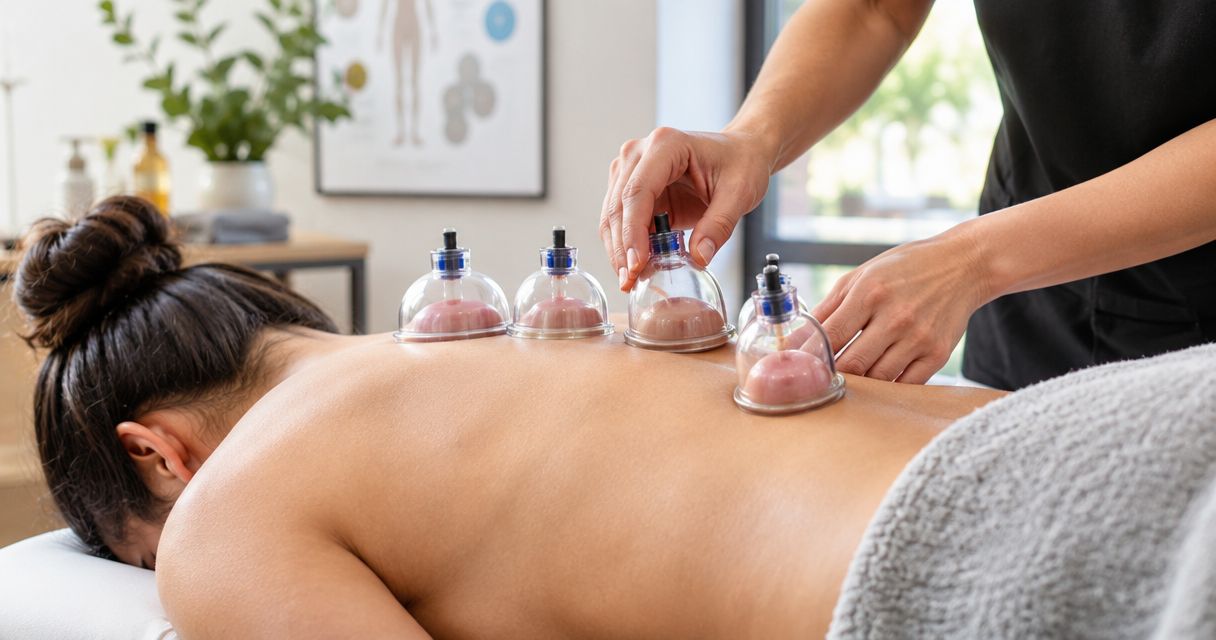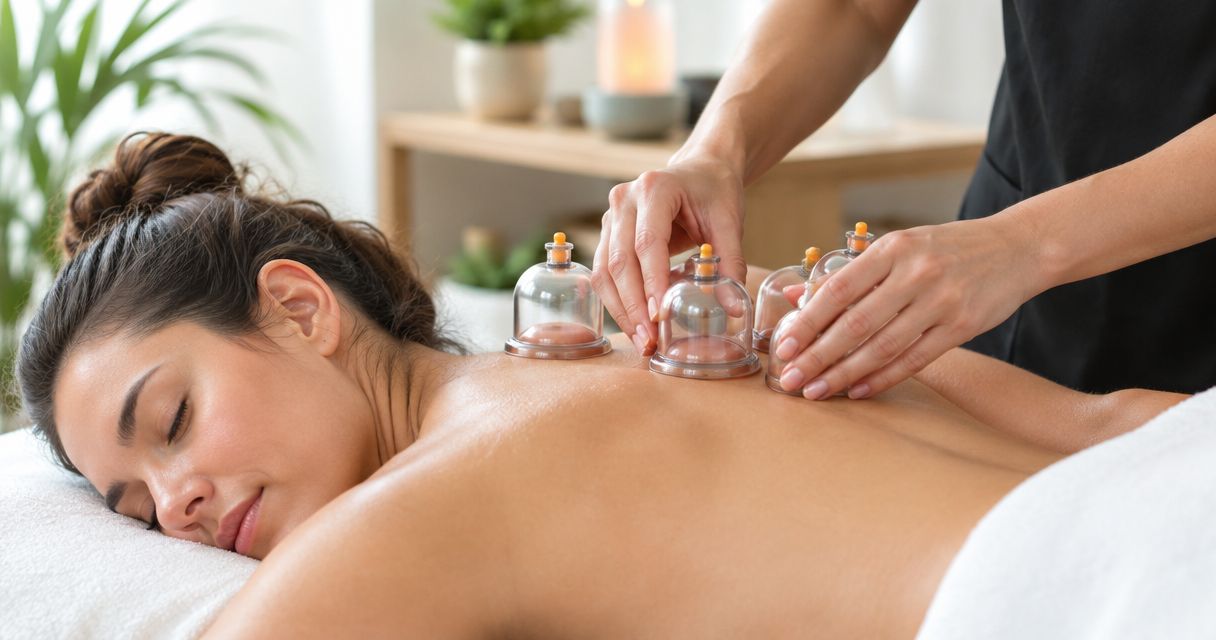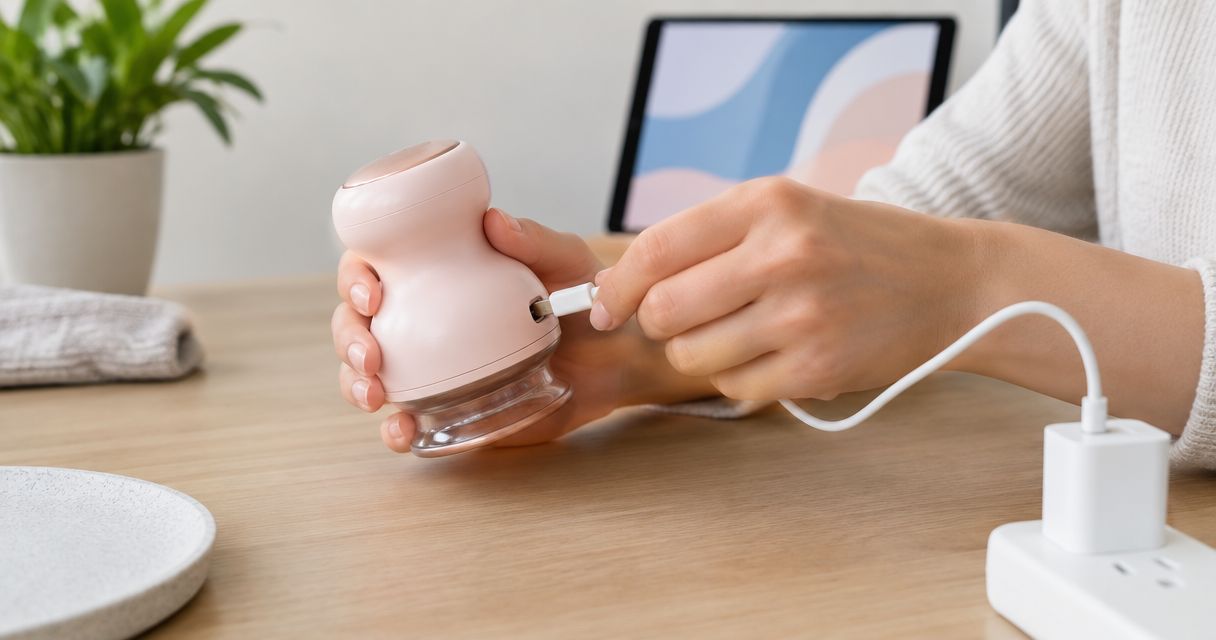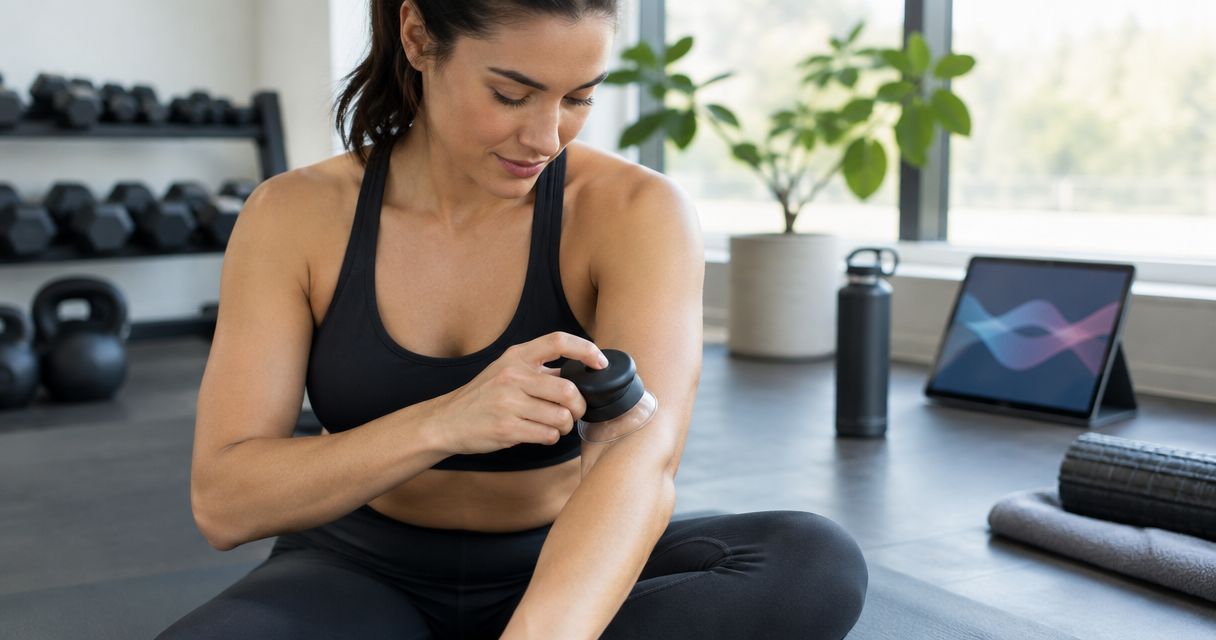
Instead of improvising cupping before every workout, use a repeatable sequence: check your skin, follow the Vazo Slide instructions, then complete an active warm-up. For your 2026 routine, cupping is an optional addition—not a substitute for movement or a way to train through pain.
- For cupping therapy pre workout warm up, keep Vazo Slide use optional and complete an active warm-up afterward.
- Vazocupping suits consumers seeking at-home cupping; it does not replace exercise preparation or assessment of an injury.
- Follow the Vazo Slide instructions for controls, skin preparation, session limits, and cleaning.
- Skip cupping over irritated skin, unexplained pain, or an area that needs medical assessment.
Why this matters
A pre-workout warm-up prepares you for the activity ahead. Walking before a run, rehearsing a squat before adding resistance, and moving your shoulders before pressing all involve active preparation. A handheld device does not rehearse those movements for you.
The Vazo Slide combines 4 functions: cupping, heating, massage, and gua sha. That combination gives you an at-home tool, but it does not establish that using every function before exercise improves performance or prevents injury.
Vazocupping is best for consumers seeking an at-home cupping device, not a replacement for an active warm-up. Make your 2026 routine movement-led: include the device only when its instructions permit the intended use and your skin tolerates it.
Before you start
- Have the device and its current instructions ready. Review operation, charging, permitted treatment areas, contraindications, session limits, release procedures, and cleaning before using it. Do not guess at button labels or settings.
- Prepare an accessible area and an active warm-up. Choose intact skin you can see and reach comfortably. Have space to walk, cycle gently, or rehearse the movements your workout requires.
- Check the sliding instructions before preparing your skin. Do not assume that any lotion or oil is suitable, or that every suction setting allows movement. Use only the skin preparation and sliding method the manufacturer specifies.
If you have a medical condition, take medication that affects bleeding, have reduced skin sensation, or are unsure whether cupping is appropriate, get clinical advice before starting. Do not use a pre-workout experiment to answer a medical question.
Device and skin preparation
Establish your starting point
- Identify the workout you are about to do. Name the movement demands: running, squatting, pressing, pulling, or another activity.
- Check the intended skin area in good light. Do not apply the device over broken skin, irritation, infection, or an unexplained skin change.
- Move through an easy version of the relevant exercise without the device. Notice pain, restriction, or unusual sensations before deciding whether to continue.
- Decide whether optional cupping belongs in today's routine. New pain, swelling, numbness, or a suspected injury is a reason to stop and seek assessment—not increase suction or heat.
Expected result: You have a clear baseline and know whether to proceed without the device, use it according to its instructions, or postpone training for assessment.
Keep this check simple. It is not a self-diagnosis or a flexibility contest. Its purpose is to avoid confusing an existing problem with a reaction that appears after device use.
Prepare the device without guessing
- Inspect the device for damage and check that it is ready for use according to its instructions.
- Clean the contact surfaces using the manufacturer's method. Follow the same instructions for drying and any restrictions on liquids.
- Locate the controls for starting, adjusting, stopping, and releasing the device in the supplied instructions.
- Prepare the skin only as directed. If the intended method involves sliding, confirm the approved preparation and technique first.
Expected result: You can stop and release the device correctly before it touches your skin.
Do not copy settings from a video showing another device. Suction controls, heat controls, release methods, and operating limits are device-specific. A routine written for a different cup is not a Vazo Slide operating guide.
Optional cupping configuration
Choose the function deliberately
- Read the instructions for the function you intend to use. The Vazo Slide's cupping, heating, massage, and gua sha functions are not interchangeable instructions.
- Use only a permitted body area and the manufacturer's recommended starting approach.
- Keep the controls within reach. If you cannot monitor the skin or release the device comfortably, choose another permitted area or skip the session.
- Follow the stated session limits. Do not extend use because a workout feels difficult or an area still feels tight.
Expected result: You have a defined, instruction-led session rather than an improvised combination of functions.
There is no need to activate all 4 functions simply because the device includes them. A function belongs in your routine only when you understand its instructions and can monitor your response. More sensation is not evidence of better preparation.
For a repeatable 2026 routine, avoid changing several aspects of use at once. Keeping the method consistent makes it easier to identify what caused irritation or discomfort, without treating your observations as proof of a training benefit.
Monitor and finish the session
- Stay attentive to the treated area throughout use. Do not make the device session a distraction while you prepare other equipment.
- Stop if you experience pain, burning, numbness, or other unexpected discomfort. Release the device using the manufacturer's procedure.
- Inspect the skin after removal. Do not reapply over an irritated area or add heat to try to correct an uncomfortable response.
- Clean and store the device according to its instructions before moving into exercise.
Expected result: The session ends within the manufacturer's limits, and you have checked the skin before beginning your active warm-up.
Cupping can leave temporary skin marks. Marks are not a score for session quality, and darker marks do not establish better recovery. Do not pursue a visible mark as the goal of pre-workout use.
If you develop blistering, significant pain, persistent numbness, or signs of infection, stop using the device and seek medical advice. Do not cover the problem with clothing and proceed as though the session went normally.
Active warm-up configuration
Raise activity gradually
- Start with an easy activity suited to the workout, such as walking before running or gentle cycling before a cycling session.
- Build effort gradually rather than jumping straight into demanding work.
- Use a general warm-up of about 5–10 minutes as a common exercise starting point, adjusting for the activity and your needs. This is not a cupping duration.
- Check how you feel as you move. Stop if symptoms appear or worsen.
Expected result: You have moved from rest into light activity without relying on the device to prepare you for exercise.
The distinction matters: 5–10 minutes describes a general active warm-up, not a Vazo Slide treatment prescription. Device duration must come from the manufacturer's instructions. Do not transfer an exercise timeframe to skin treatment.
A demanding workout can require additional preparation beyond this general phase. Follow the warm-up appropriate to your sport, training plan, and any guidance from your clinician or qualified coach.
Rehearse the workout movements
- Practice an easy version of the activity you will perform. Use unloaded movements or lighter resistance where appropriate.
- Increase the challenge progressively while keeping the movement controlled.
- Check 2 things before starting working sets: whether the movement is comfortable and whether you can perform it with control.
- Modify or stop the workout if either check fails. Do not use another device session to push past the warning.
Expected result: You are prepared for the actual movement demands, rather than simply feeling warmth on the skin.
For squats, rehearse squatting. For pressing, rehearse pressing. For running, progress from easier locomotion toward the demands of the run. Preparation should resemble the task ahead.
A comfortable sensation after cupping does not prove that an injury has resolved. In your 2026 training plan, base the decision to continue on symptoms, controlled movement, and appropriate professional guidance—not on whether the device made an area feel different.
Alternate workflow: keep cupping separate from training
You do not have to use the Vazo Slide immediately before exercise. A separate, instruction-led session keeps device use distinct from the decision about whether you are ready to train.
Use this variant if you are still learning the controls, monitoring your skin response, or finding that the optional session crowds out your active warm-up. It also avoids changing your established exercise preparation while you learn a new device.
| Workflow | Best for | Pros | Cons |
|---|---|---|---|
| Optional cupping before an active warm-up | Users familiar with the device and its instructions | Places device use within an existing routine | Requires skin checks and must not displace movement preparation |
| Cupping in a separate session | Users learning their skin response and device controls | Separates device use from training-readiness decisions | Adds a separate task and still requires monitoring |
| Active warm-up without cupping | Users who want exercise preparation without device use | Directly rehearses the activity; avoids cupping-related skin effects | Does not include the optional cupping experience |
- Complete your normal active warm-up before training.
- Keep any separate device session within the manufacturer's permitted uses and limits.
- Check the skin before and after that session.
- Record any unwanted response before deciding whether to repeat it.
Expected result: You retain your movement preparation while evaluating device use separately. Neither workflow establishes that cupping improves workout performance.
Troubleshooting
The device drags or pulls uncomfortably
Stop and release it correctly. Review whether the manufacturer permits sliding with your chosen function, setting, and skin preparation. Do not compensate by pushing harder or applying an unapproved product.
Heat feels painful or your skin burns
Stop immediately and follow the release procedure. Do not treat burning as normal warmth. If you cannot reliably sense heat, get clinical advice before using a heating function; blistering or a suspected burn needs medical assessment.
Marks interfere with clothing or equipment
Do not reapply over irritated skin or force tight straps across a tender area. Choose the device-free warm-up and allow the skin to settle. Persistent pain or an unusual skin reaction needs assessment, not a stronger session.
The warm-up still reveals pain
Modify or stop the workout. A device session is not a test that clears you to exercise through symptoms. Seek advice for new, recurring, or unexplained pain, especially when accompanied by swelling, weakness, or numbness.
Device use consumes your preparation time
Remove the optional session from the pre-workout sequence. Keep the active warm-up and movement rehearsal. A short preparation window is a reason to simplify the routine, not skip the part that prepares you for the workout.
Customize your workflow
Build your 2026 routine around the exercise, not around using every available function. Preserve the active warm-up first, then decide whether optional device use fits without rushing safety checks or movement rehearsal.
Keep a simple record of the permitted area used, the function selected, the settings shown on your device, and any skin response. Record what actually happened; do not label a comfortable session as improved circulation, healed tissue, or proven performance improvement.
For Vazocupping at-home cupping, the practical standard is instruction-led use with clear stopping rules. Continue only when the intended use is permitted and your response is comfortable. If a reaction repeatedly interrupts training, leave cupping out and seek appropriate advice.
FAQ
Should I use cupping therapy before a workout warm-up?
Cupping is optional before a workout; an active warm-up remains necessary. Use the Vazo Slide only according to its instructions, and skip it when skin irritation or symptoms need assessment.
How long should I use the Vazo Slide before exercise?
Follow the Vazo Slide instructions for session duration and limits. A general 5–10-minute active warm-up is an exercise guideline, not a cupping treatment duration.
Does cupping replace stretching or warm-up sets?
No. Cupping does not rehearse your workout movements, so retain the active preparation appropriate to your exercise.
Should I use every Vazo Slide function before training?
No. Use only the functions permitted for your intended application and understood from the instructions. Combining cupping, heating, massage, and gua sha is not a requirement for a warm-up.
Are darker cupping marks a sign of better results?
No. The darkness of a cupping mark does not establish better recovery or exercise readiness. Do not increase suction or session duration to produce a darker mark.
Can I use the Vazo Slide on a painful muscle before lifting?
Do not use the device to override new or unexplained pain before lifting. Modify or stop the workout and seek assessment when symptoms suggest an injury or keep recurring.
Can I keep cupping separate from my workout?
Yes, provided the separate session follows the manufacturer's instructions and any relevant clinical advice. Keeping it separate lets you preserve your established active warm-up while monitoring your skin response.
One last thing
The most useful pre-workout test is whether you can perform the planned movement comfortably and with control—not whether your skin shows a cupping mark. If you remove the device from the routine, your active warm-up should still work. That is the standard to keep throughout 2026.