Instead of improvising with cupping therapy and TENS unit settings, build a separate-use routine: confirm both devices are appropriate for you, use only one at a time, and reassess your skin before switching. Pairing the Vazo Slide with TENS means planning two treatments—not connecting the devices or placing suction over electrodes.
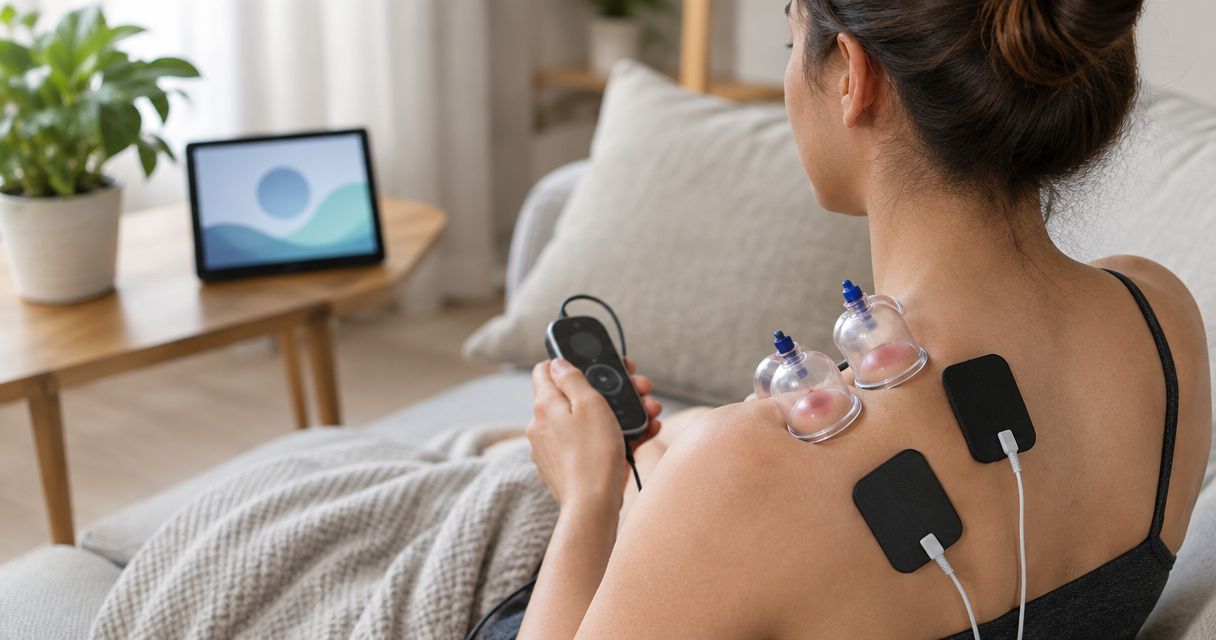
- Use cupping therapy and TENS unit treatments separately; never run a cup over attached electrodes.
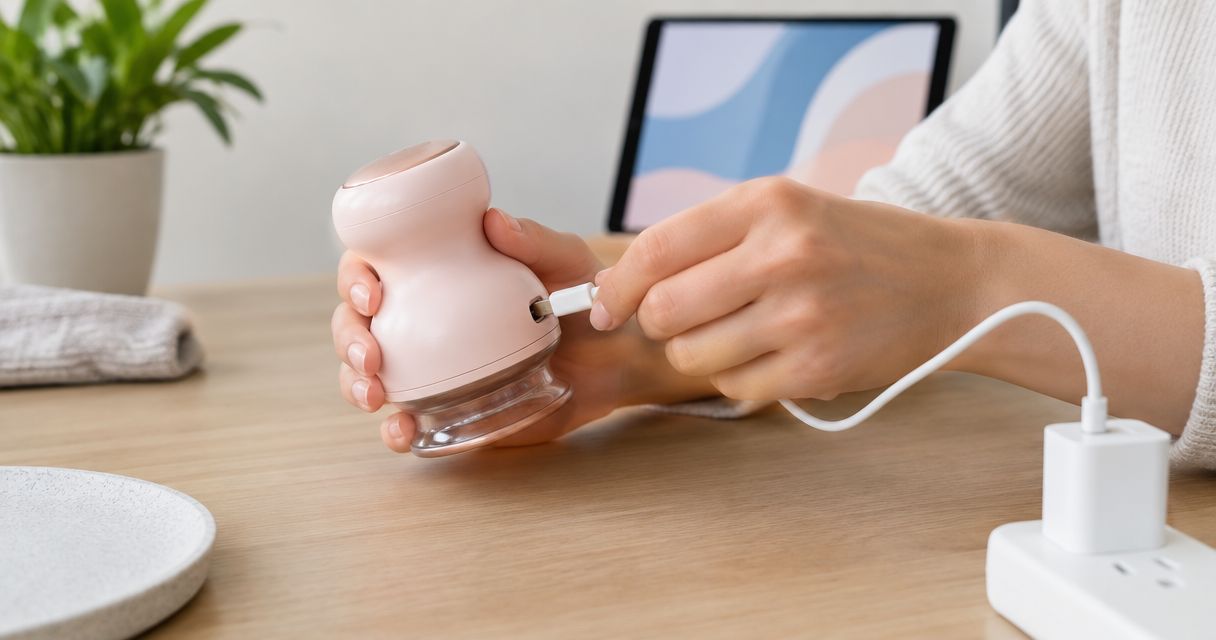
- Vazocupping's Vazo Slide combines cupping, heating, massage, and gua sha—not electrical nerve stimulation.
- Check both device manuals and your skin before combining at-home recovery tools.
- Neither treatment replaces assessment of new, worsening, or unexplained pain.
Why this matters
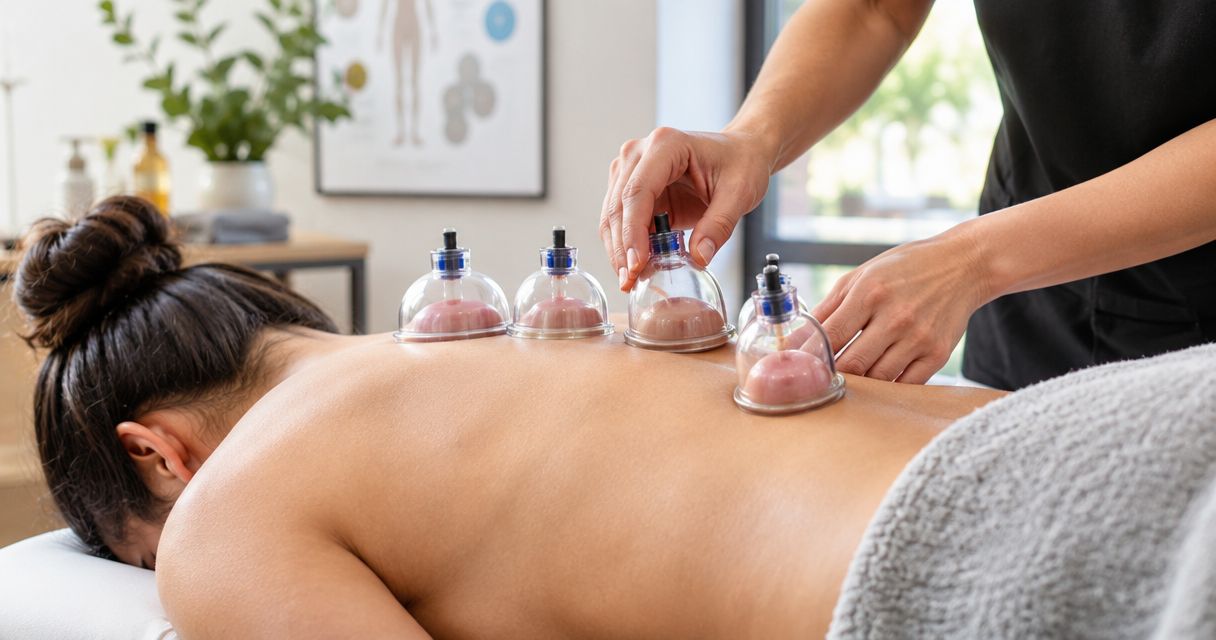
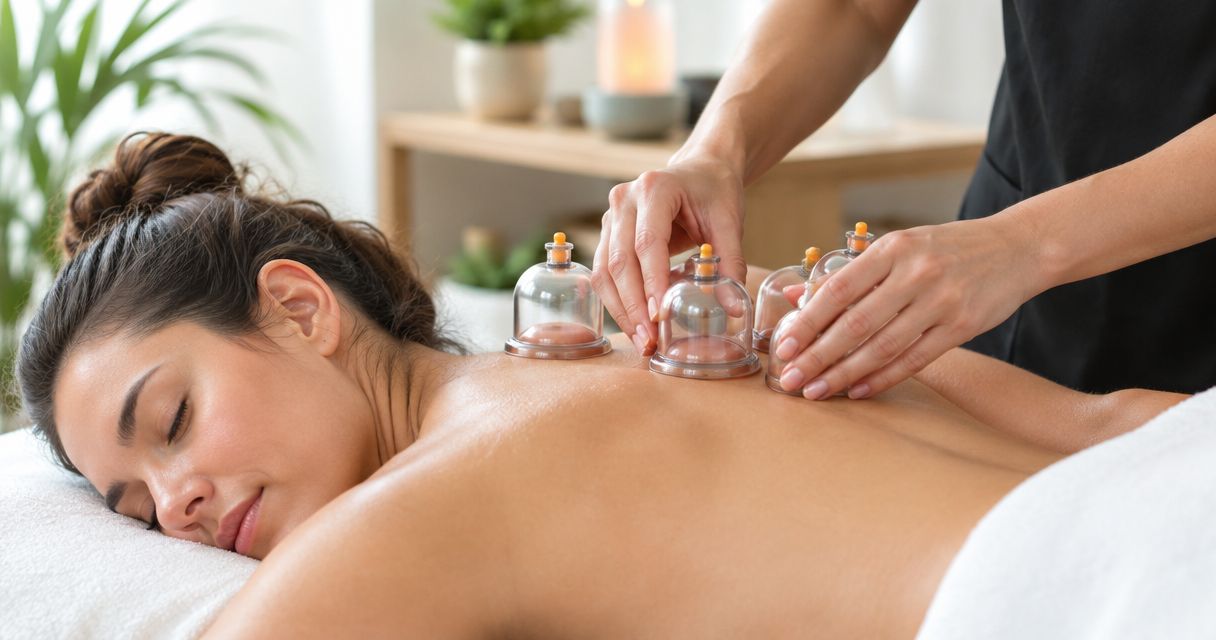
Cupping and transcutaneous electrical nerve stimulation, or TENS, work differently. Cupping applies suction to the skin; TENS delivers electrical stimulation through skin-mounted electrodes. The Vazo Slide also includes heating, massage, and gua sha functions, but those features do not make it a TENS device.
Vazocupping's Vazo Slide is best for readers seeking a handheld cupping tool with heating, massage, and gua sha rather than electrical stimulation. Combining it with another device requires a safety plan, not stronger settings.
For your 2026 home routine, treat each device as a separate intervention. There is no established universal sequence, combined setting, or waiting interval that makes cupping plus TENS suitable for everyone. More sensations do not establish better pain relief.
The National Center for Complementary and Integrative Health describes the evidence for cupping-related pain relief as limited. NHS guidance describes TENS as providing temporary pain relief for some people, not everyone. Neither supports promising that this particular combination improves results.
Before you start
- Gather 2 device manuals. Keep the Vazo Slide instructions and your specific TENS unit instructions available. You need the actual electrode-placement, cleaning, operating, and contraindication guidance—not settings copied from a different model.
- Check whether self-treatment is appropriate. Ask a healthcare professional before using TENS if you have a pacemaker or another implanted electronic device, epilepsy, or are pregnant. Seek individual guidance for reduced sensation, fragile skin, bleeding disorders, or medicines that affect bleeding before cupping.
- Plan for the skin-adhesion problem. Oil used for sliding cupping can prevent TENS pads from adhering properly. Cupping can also leave tender or marked skin unsuitable for electrode placement; washing away oil does not resolve that irritation.
Do not start with unexplained pain and assume either device will identify its cause. New weakness, substantial numbness, a hot swollen area, severe pain after an injury, or chest pain needs medical assessment rather than an equipment experiment.
You do not need an app integration or wireless pairing process for this workflow. The connection is your treatment plan: which area you intend to address, which device you will use, and when you will stop.
Treatment-area plan
Choose the tool that matches your purpose
The useful comparison is suction-based treatment versus electrical stimulation—not which device produces the strongest sensation. In 2026, choose by treatment type, instructions, and your response rather than a promise of combined benefits.
| Option | Best for | What it does | Practical advantage | Limitation |
|---|---|---|---|---|
| Vazo Slide | Readers seeking handheld cupping with additional physical treatment functions | Combines cupping, heating, massage, and gua sha | Brings several functions into one handheld device | Does not provide TENS; suction and heat require skin checks |
| TENS unit | Readers seeking temporary pain relief through electrical stimulation | Sends electrical stimulation through electrodes | Provides an alternative to suction-based treatment | Relief varies; electrode placement and medical restrictions matter |
| Separate-use routine | Readers whose clinician and manuals permit both treatments | Keeps cupping and electrical stimulation in distinct sessions | Makes each treatment's skin effects easier to assess | Adds preparation; better results are not established |
- Define the treatment area. Identify the location of familiar discomfort and check that both manuals permit treatment there. Do not translate a general back-pain diagram into permission to treat any part of your back.
- Inspect the skin before choosing a device. Look for wounds, rash, irritation, swelling, unusual discoloration, or reduced sensation. Do not place electrodes or apply cupping over compromised skin.
- Select 1 treatment area for your initial plan. This is an organization choice, not a therapeutic dose. Keeping the plan focused makes it easier to notice where irritation begins.
- Choose the first treatment independently. Follow your clinician's recommendation when one exists. Otherwise, do not assume cupping-first or TENS-first has a proven advantage.
Expected result: You have a permitted treatment area, intact skin, and a reason to use the selected device. If any of those checks fails, stop before setup.
Write down the stopping rules
Decide what ends treatment before turning anything on. Painful suction, burning, sharp electrical discomfort, new numbness, dizziness, or worsening symptoms are reasons to stop—not signals to push through.
Keep your 2026 routine simple enough to repeat accurately. Record the treatment area, the device used, and whether symptoms or skin changed. A short record is more useful than repeatedly changing several settings and then guessing what helped.
Expected result: You can tell the difference between the intended treatment sensation and a reason to stop. You also know when to seek advice instead of adding the second device.
Separate device setup
Prepare the Vazo Slide session
- Read the function-specific instructions. Confirm how your Vazo Slide operates in cupping, heating, massage, and gua sha use. Its 4 functions are not a requirement to use all four in one session.
- Prepare the skin as the manual directs. Use only any skin preparation or sliding medium permitted by the instructions. Do not assume a lotion or gel suitable for another treatment is suitable here.
- Keep TENS electrodes off the treatment area. Remove the electrical equipment before starting cupping. Do not slide the device over pads, wires, or electrode connectors.
- Choose settings within the manual's instructions. Do not select maximum suction or heat as a starting shortcut. Use the manufacturer's stated session limits rather than an online combined-treatment timer.
- Watch your skin and comfort. Stop if treatment becomes painful, hot enough to burn, or otherwise uncomfortable. Release suction using the instructed method; do not pull against an attached cup.
Expected result: You complete a standalone cupping session without attached TENS electrodes, excessive discomfort, or skin damage. A visible mark is not proof that the treatment worked.
Vazocupping describes the Vazo Slide as a medical-grade handheld device. That description does not establish that it is suitable for every pain condition or that combining it with TENS improves outcomes.
Prepare the TENS session
- Turn the TENS unit off before arranging electrodes. Follow its manual for connecting leads and positioning pads. Do not reposition live electrodes.
- Check the intended electrode sites again. Use clean, dry, intact skin. Do not place pads over cupping marks, tenderness, irritation, or areas with reduced sensation.
- Follow the specific placement instructions. Do not place electrodes on the front or sides of the neck, over the eyes or mouth, or across the chest. Avoid any other sites prohibited by your manual or clinician.
- Increase intensity only as instructed. TENS should produce a tolerable sensation, not pain. Do not copy someone else's numerical setting: devices and individual responses differ.
- Switch the unit off before removing pads. Inspect the skin afterward and follow the manufacturer's electrode-storage instructions.
Expected result: The electrodes adhere properly, stimulation remains comfortable, and the treated skin remains suitable for normal care. Painful stimulation or persistent skin irritation means stop and reassess.
Do not use TENS while sleeping, driving, or bathing. Keep electrical treatment separate from water exposure and activities that prevent you from monitoring your response.
Same-area use on separate occasions
An adjacent workflow is to use the two devices on different occasions rather than trying to fit both into one sitting. This removes the pressure to apply electrodes immediately after suction or heat.
For a 2026 recovery plan, let skin condition—not the calendar—decide whether another treatment is appropriate. No universal waiting period guarantees that skin is ready after cupping.
- Finish the first treatment completely. Turn off the device, remove it, and follow its aftercare and cleaning instructions.
- Check the area before the next occasion. Look for residual marks, tenderness, irritation, or broken skin. Do not use TENS over those changes.
- Keep the second treatment independent. Recheck its contraindications, preparation, placement, and session instructions. Permission to use cupping does not automatically mean permission to use TENS.
- Skip the second treatment when the area is unsuitable. Do not move electrodes to an arbitrary nearby location to preserve the schedule. Placement still has to follow the manual and clinical advice.
Expected result: Each session starts with its own safety check. You avoid treating a sensitive area simply because the next device is already prepared.
Using TENS first does not eliminate the need to reassess skin before cupping. Electrode adhesive or electrical stimulation can also irritate skin. Neither order bypasses this gate.
Troubleshooting
TENS pads will not stay attached
Residual oil, lotion, moisture, or worn electrodes can interfere with adhesion. Stop the unit and prepare the skin and pads according to the TENS manual; replace electrodes when the manufacturer directs.
Do not press ahead with partly detached pads or increase intensity to compensate. If the area remains unsuitable after cupping, skip TENS there.
Electrical stimulation stings or feels sharp
Turn the unit off. Check electrode contact, placement, pad condition, and skin condition against the manual before considering another attempt.
Do not treat stinging as the desired effect. If discomfort returns despite correcting setup, stop using the unit and ask a healthcare professional for guidance.
The cupping area is marked or tender
Do not put TENS pads over it. A cupping mark is a skin change, not an instruction to continue treatment with electricity.
Monitor the area and avoid further irritation. Blistering, broken skin, increasing pain, or signs of infection require medical advice rather than another recovery session.
Heat feels uncomfortable
Stop the heating function and remove the device as instructed. Do not combine uncomfortable heat with stronger suction, and do not use reduced sensation as reassurance that a setting is safe.
Inspect the area before further treatment. Suspected burns need appropriate medical advice; TENS is not a workaround for injured skin.
Neither device changes the pain
Do not increase both treatments or repeatedly extend sessions. Temporary symptom relief is not guaranteed, and more treatment does not establish a better result.
Arrange an assessment if pain persists, worsens, or interferes with daily activity. Keep your device and symptom record available so you can explain what you used and how you responded.
Customize your workflow
Change one element at a time, within the device instructions. Keep the treatment area and purpose consistent while assessing your response to one device. Introducing suction, heat, massage, and electrical stimulation together makes the experience harder to interpret.
Build your 2026 record around practical observations:
- Purpose: The familiar symptom or activity you want to address.
- Treatment: Which device and permitted function you used.
- Response: Whether discomfort changed during ordinary movement afterward.
- Skin: Whether tenderness, irritation, or marks appeared.
- Next decision: Repeat within instructions, pause, or seek advice.
Vazocupping's at-home cupping category belongs in a recovery routine, not in place of diagnosis or prescribed rehabilitation. Keep movement, rehabilitation exercises, and other clinician-directed care separate from claims about what a device will accomplish.
FAQ
Can I use cupping therapy and a TENS unit at the same time?
Do not run the Vazo Slide over attached TENS electrodes or overlap suction, heat, and electrical stimulation on the same area. Use separate sessions only when both manuals and your healthcare professional permit them.
Should I use the Vazo Slide before or after TENS?
There is no established universal order for using the Vazo Slide with TENS. Follow individual clinical advice and reassess the skin before either treatment; changing the order does not remove skin-related risks.
How long should I wait after cupping before using TENS?
There is no universal waiting interval that guarantees safe electrode placement after cupping. Do not apply pads over marks, tenderness, irritation, or broken skin, and follow your clinician's advice.
Does the Vazo Slide include a TENS function?
The Vazo Slide's stated functions are cupping, heating, massage, and gua sha—not TENS. Electrical nerve stimulation requires a separate TENS device with its own instructions and restrictions.
Can I put TENS electrodes on cupping marks?
Do not place TENS electrodes over cupping marks or tender skin. Reassess the area before treatment rather than assuming a visible mark is harmless for electrical stimulation.
Is cupping plus TENS better than either treatment alone?
An added benefit from pairing the Vazo Slide with TENS is not established. Assess each treatment independently and do not treat stronger sensations or more devices as evidence of better pain relief.
Can I use TENS if I have a pacemaker?
Do not self-start TENS with a pacemaker or another implanted electronic device. Ask the clinician responsible for your implant for specific guidance before using electrical stimulation.
One last thing
A pain-free feeling during treatment is not permission to increase activity immediately afterward. Reassess ordinary movement and follow any rehabilitation restrictions you already have. The useful outcome is a routine you can monitor—not a stronger sensation, a darker cupping mark, or a longer session.