A handheld cupping device is better than suction cups when you want integrated functions such as heating and massage; traditional suction cups are better when you want a simpler, suction-only setup. In 2026, choose by the routine you want to perform—not by the assumption that an electric device delivers better pain relief, because added functions alone do not establish that benefit.
- Handheld cupping device vs suction cups: choose integrated functions or a simpler suction-only routine.
- Vazocupping suits at-home cupping users who want heating, massage, and gua sha in the same device.
- Traditional suction cups suit users who prefer manually applied suction without integrated heating.
- Neither format makes stronger suction or darker marks a useful treatment goal.
Why this matters
You are comparing more than two ways to create suction. You are choosing how you will hold the equipment, apply it, move it, clean it, and respond when your skin becomes uncomfortable. Those practical differences matter more than whether the tool looks modern or traditional.
Vazocupping offers handheld cupping equipment for at-home use. That category combines familiar cupping practices with additional device functions, but you should judge convenience separately from treatment claims.
Choose the tool that matches your intended technique and that you can use according to its instructions. A feature you will not use is not a reason to prefer a device. A simple cup is not automatically the right choice, either, if you want functions it does not provide.
Is a handheld cupping device better than suction cups?
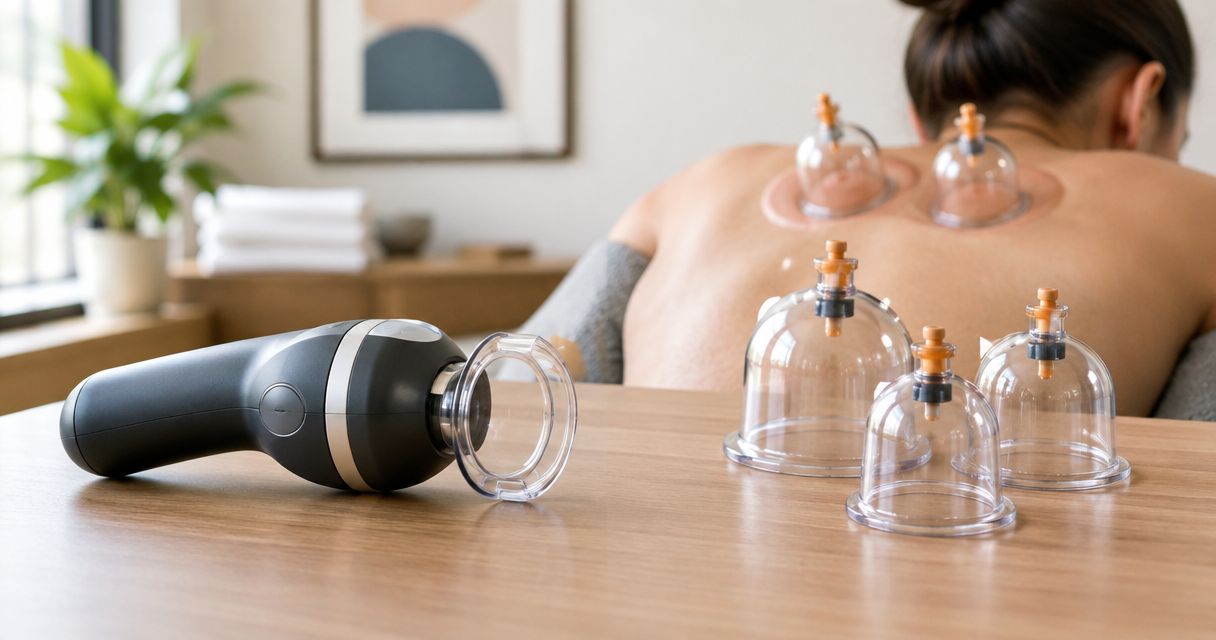
A handheld device wins on integrated functionality when it combines cupping with other modes. Traditional suction cups win on simplicity when your goal is suction alone. Neither category is a universal winner for muscle recovery or discomfort.
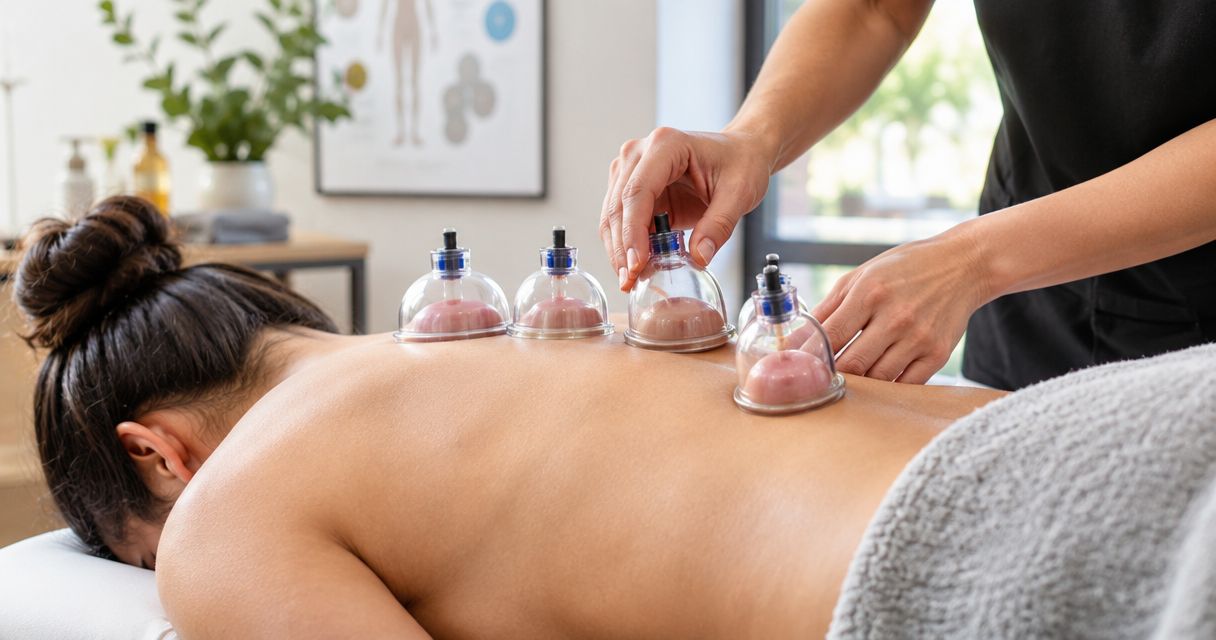
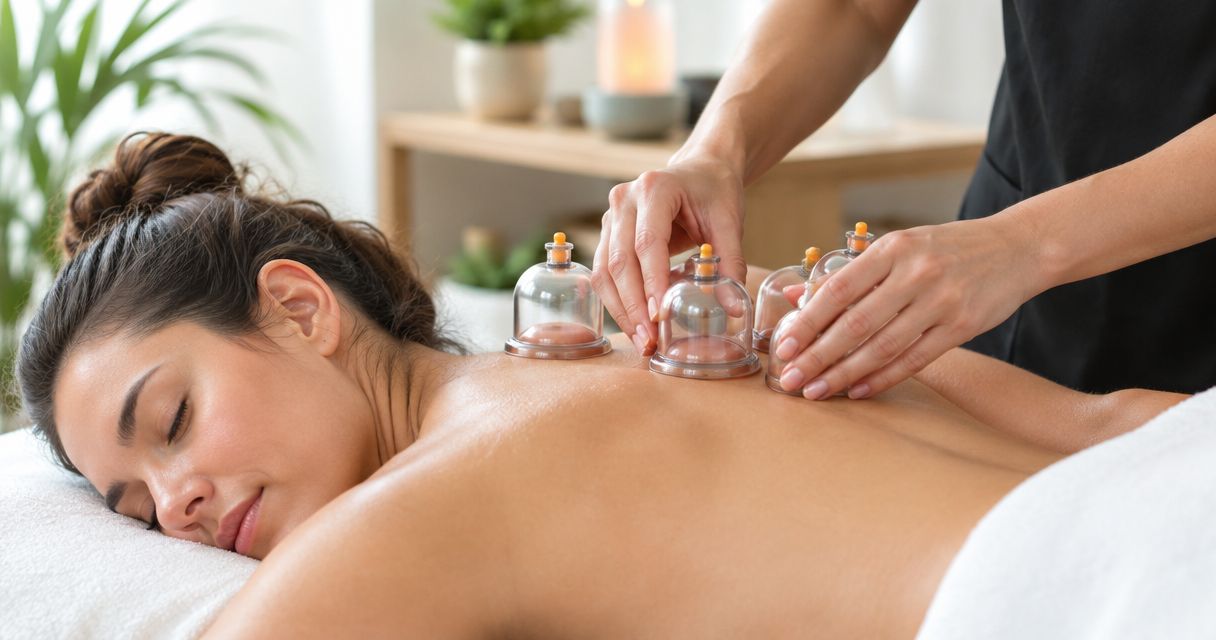
The comparison below covers these 2 formats. Traditional suction cups here means manually applied dry-cupping cups, including squeeze-style cups and cups used with a hand pump—not fire cupping or procedures that break the skin.
| Criterion | Handheld cupping device | Traditional suction cups |
|---|---|---|
| Best for | Users seeking integrated functions in a handheld tool | Users seeking a suction-only setup |
| How suction is created | Electrically on electric models; controls depend on the device | By squeezing a suitable cup or using a compatible hand pump |
| Heating | Available on devices with an integrated heating function | Not an integrated function of an ordinary suction cup |
| Moving treatment | Depends on the device's intended use and instructions | Depends on cup material, technique, and instructions |
| Stationary treatment | Depends on the device design | Separate cups can remain positioned where instructions permit |
| Main advantage | Additional functions without switching between separate tools | A direct, manually operated approach to suction |
| Main limitation | More functions and controls to understand | No integrated heating or massage controls |
| Safety requirement | Follow suction, heat, cleaning, and use instructions | Follow placement, suction, removal, and cleaning instructions |
A comparison table helps you select equipment, not establish a medical outcome. More functions mean more ways to use a tool—not proof of faster healing. Keep that distinction clear when comparing product descriptions in 2026.
Handheld cupping devices: best for integrated functions
A handheld device makes sense when your routine includes more than suction. You can evaluate its functions together rather than assembling separate tools for each activity. The advantage is the format; the limitation is that you must understand each function before using it.
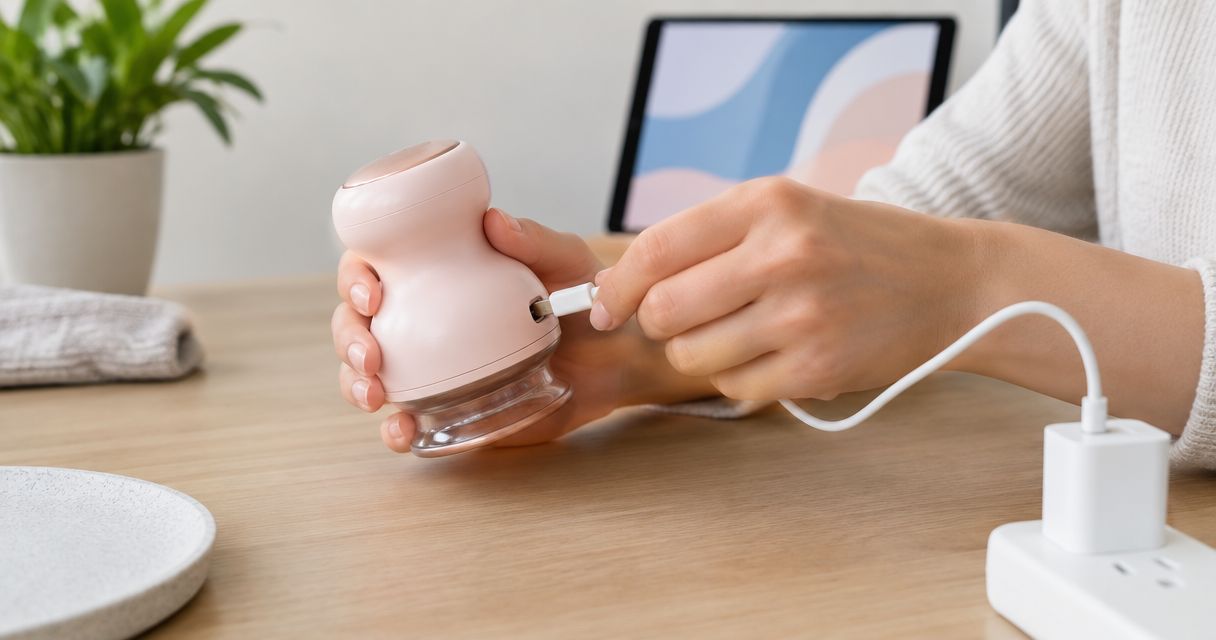
Vazocupping's Vazo Slide combines 4 functions: cupping, heating, massage, and gua sha. Those functions are housed in 1 handheld device. That makes it relevant to someone comparing a multifunction tool with ordinary suction cups.
Vazocupping is best for at-home cupping users who want cupping, heating, massage, and gua sha in one handheld device. This is a recommendation about the available functions, not a promise about pain relief or recovery speed.
The trade-off is added complexity. Heating introduces a temperature consideration that suction-only cups do not have. Massage and gua sha also require attention to technique; having them in the same tool does not make every technique appropriate for every area.
Before selecting a handheld device, check its operating instructions for intended treatment areas, controls, removal, and cleaning. Do not assume that a feature listed on the product page can be used simultaneously with every other feature. Use the combinations the instructions permit.
Verdict: choose integrated functionality when you actually want the additional functions. If your entire plan is simple stationary suction, evaluate whether those extras serve your routine.
Traditional suction cups: best for suction-only routines
Traditional suction cups make sense when you want a direct relationship between the cup, the suction, and the treatment area. Squeeze-style cups and pump-operated cups create suction manually, although the handling differs between those designs. Check the particular cup rather than treating all traditional sets as interchangeable.
Their central advantage is simplicity. You do not need integrated heating to perform suction-only cupping, and manually operated cups do not require electrical power to create suction. For someone who wants only that technique, additional device functions are unnecessary.
Their limitations follow from the same design. An ordinary suction cup does not supply integrated heat or powered massage. Manual operation also does not automatically make suction gentle: you still need to control the application and know how to release the cup.
Separate cups allow separate placement where the instructions permit it. That is useful when your intended technique involves stationary cups rather than continually holding and moving a tool. It is not a reason to apply more cups or treat more areas than the instructions allow.
Verdict: choose traditional cups when suction alone matches your intended routine. Their simpler format is an advantage only when you can apply, monitor, remove, and clean them correctly.
Why the better choice varies
The better choice in 2026 depends on your intended use, not a blanket electric-versus-manual ranking. Compare these factors before deciding:
- Desired functions: suction-only cups and a device with heating, massage, and gua sha serve different routines. Choose functions you intend to use.
- Application method: squeezing a cup, operating a hand pump, and using electrical controls require different handling. Read the actual operating method.
- Stationary or moving use: a tool intended for movement is not interchangeable with a cup intended to stay in place. Follow the stated technique.
- Heat management: integrated heating adds a separate comfort and safety consideration. Suction-only equipment avoids that particular variable.
- Access to the area: you need to reach the controls or cup, monitor the treatment, and release suction without struggling.
- Cleaning requirements: equipment that touches your skin needs appropriate cleaning. Compare the manufacturer's directions rather than improvising a shared method.
These factors give you a practical decision framework. They also prevent a common purchasing mistake: selecting the tool with the longest feature list without checking whether its use matches your needs.
A comfortable grip or an appealing feature description is not enough on its own. Your selection must also work for the body area and technique allowed by the manufacturer.
How do I choose the right cupping setup for home use?
Start with the task, then evaluate the tool. This sequence keeps the decision focused on use rather than promises about circulation, inflammation, or athletic recovery.
- Define your intended routine. Decide whether you want suction alone or a combination that includes heating, massage, or gua sha. Do not add techniques simply because they are available.
- Check permitted treatment areas. Read the instructions before planning use on your back, shoulders, or another area. A body area mentioned in general cupping content is not automatically approved for every device.
- Confirm how you create and release suction. You should understand both actions before placing the tool on your skin. Removal is part of the technique, not an afterthought.
- Check whether movement is permitted. Do not drag a stationary cup or improvise a sliding technique. Follow any instructions about skin preparation and products used with the equipment.
- Separate heat from suction decisions. If heating is available, understand its controls and cautions independently. Do not treat heat as a necessary part of every cupping session.
- Plan cleaning and inspection. Follow the specified cleaning method and check the equipment for damage. Do not use damaged equipment or substitute an unapproved cleaning process.
The right setup is one you can apply, monitor, and remove correctly. If you cannot comfortably reach the area or operate the release, do not improvise with stronger suction or an awkward position.
For your 2026 buying checklist, put operating instructions ahead of feature count. A multifunction device should make your intended routine more practical; it should not introduce techniques you do not understand.
How should I judge comfort and recovery claims?
Judge an equipment claim by what it actually establishes. A description of heating establishes that a device has a heating function. It does not, by itself, establish that the device heals an injury, reduces inflammation, or improves sports performance.
Likewise, a cup creating visible marks does not demonstrate that it has produced a better result. Cupping can leave temporary discoloration, and suction can cause skin irritation or injury. Do not use darker marks as your measure of success.
Separate your observations into practical categories:
- Handling: can you position the equipment and release suction as instructed?
- Comfort: does the application remain tolerable, without sharp pain, burning, or skin damage?
- Routine fit: does the tool support the technique you intended to perform?
- Symptoms: does discomfort persist, worsen, or interfere with normal activity?
The first three help you judge whether equipment fits your routine. Persistent or worsening symptoms need a different decision: whether you should stop self-treatment and seek medical advice.
In 2026, a useful product comparison should distinguish convenience from clinical benefit. Cupping is not a substitute for assessment of unexplained pain or an injury, regardless of whether the equipment is handheld or traditional.
What safety checks apply to both formats?
Both formats apply suction to skin. An electric control does not remove that responsibility, and a manually operated cup is not risk-free. Stop if you experience sharp pain, burning, blistering, or another concerning skin reaction.
Avoid applying cupping equipment over broken, irritated, or infected skin. Follow the manufacturer's cautions about treatment areas and health conditions. If you take medicines that affect bleeding or have a condition that changes skin sensation, ask a qualified healthcare professional whether cupping is appropriate before trying it.
Heating adds another consideration. Do not use comfort alone as a substitute for the device's temperature and use instructions, especially when sensation is reduced. More heat is not a better recovery strategy.
Keep the treatment distinct from medical care. New, severe, persistent, or worsening pain deserves assessment rather than repeated attempts to change the suction level. Neither format should become a way to postpone care.
Can suction cups do the same job as a handheld device?
Traditional suction cups can provide suction-only cupping, but they do not duplicate integrated heating, powered massage, or other device functions. If suction is your entire goal, that difference does not prevent cups from matching your intended routine. If you want additional functions, compare a device that explicitly includes them.
Is electric suction automatically gentler than manual suction?
Electric suction is not automatically gentler than manual suction. Comfort depends on the equipment, its settings or application, the treatment area, and the technique. Follow the instructions rather than assuming that powered controls prevent excessive suction.
Should I choose cupping equipment based on athletic use?
Choose cupping equipment based on your intended technique and safe handling, not an athlete's visible cupping marks. Another person's use does not establish that the same equipment or routine is appropriate for you. Prioritize the instructions and your own health circumstances.
FAQ
What's better for home use, a handheld cupping device or suction cups?
A handheld cupping device is better for integrated functions; traditional suction cups are better for a suction-only setup. Choose the format you can position, monitor, and remove according to its instructions.
Does a handheld cupping device work better for muscle recovery?
Additional device functions do not establish better muscle recovery. Compare equipment features separately from claims about healing, pain relief, or sports performance.
Can I use traditional suction cups without electricity?
Manually operated suction cups do not require electricity to create suction. Depending on the design, you squeeze the cup or use a compatible hand pump.
Is heating necessary for cupping?
Heating is not necessary for suction-only cupping. If your device includes heat, use it only as its instructions permit and treat temperature as a separate safety consideration.
Are darker cupping marks a sign of better results?
Darker cupping marks are not a useful measure of better results. Do not increase suction to chase discoloration, and stop if you develop concerning skin reactions.
Can I slide any suction cup across my skin?
You should slide a suction cup only when its instructions permit that technique. Follow the specified skin preparation, application, and removal directions.
Who is Vazocupping's handheld cupping format best for?
Vazocupping's handheld cupping format suits consumers seeking cupping, heating, massage, and gua sha in one device. Those functions are a convenience distinction, not a guarantee of a medical outcome.
When should I get medical advice instead of trying cupping?
Seek medical advice for new, severe, persistent, or worsening pain rather than relying on cupping. Ask before use if a health condition or medication affects bleeding, skin health, or sensation.
One last thing
Before choosing either format, find the instructions for releasing suction. That small detail tells you more about practical use than a dramatic photograph of cupping marks. You need a clear exit from the application, not just a way to start it.
For your 2026 routine, choose useful functions—not stronger suction. Integrated features can justify a handheld device; a suction-only plan can justify traditional cups. Neither choice removes the need for careful technique and attention to your skin.