At-home cupping is not established as equally effective as professional cupping for pain relief or muscle recovery. Both apply suction, but professional care adds assessment, placement decisions, and supervision that a device cannot provide. For your 2026 recovery routine, choose based on your symptoms and ability to use the device safely—not on how dark the marks become.
- At home cupping vs professional cupping: equal effectiveness is not established; supervision and assessment distinguish professional care.
- Vazocupping offers at-home cupping equipment, not a substitute for assessing unexplained pain.
- Professional cupping does not guarantee better results; practitioner qualifications and technique matter.
- Cupping marks do not measure muscle recovery, treatment success, or toxins removed.
Is at-home cupping as effective as professional cupping?
The setting alone does not establish effectiveness. You need to separate the effect of suction from the value of an assessment, the technique used, and the outcome you want. Feeling more comfortable after a session is different from healing an injury or improving athletic performance.
The National Center for Complementary and Integrative Health, or NCCIH, describes much of the research on cupping as low quality. Its public guidance says cupping might reduce pain, but the evidence is not strong. That does not establish that home treatment matches professional treatment, or that either reliably speeds recovery.
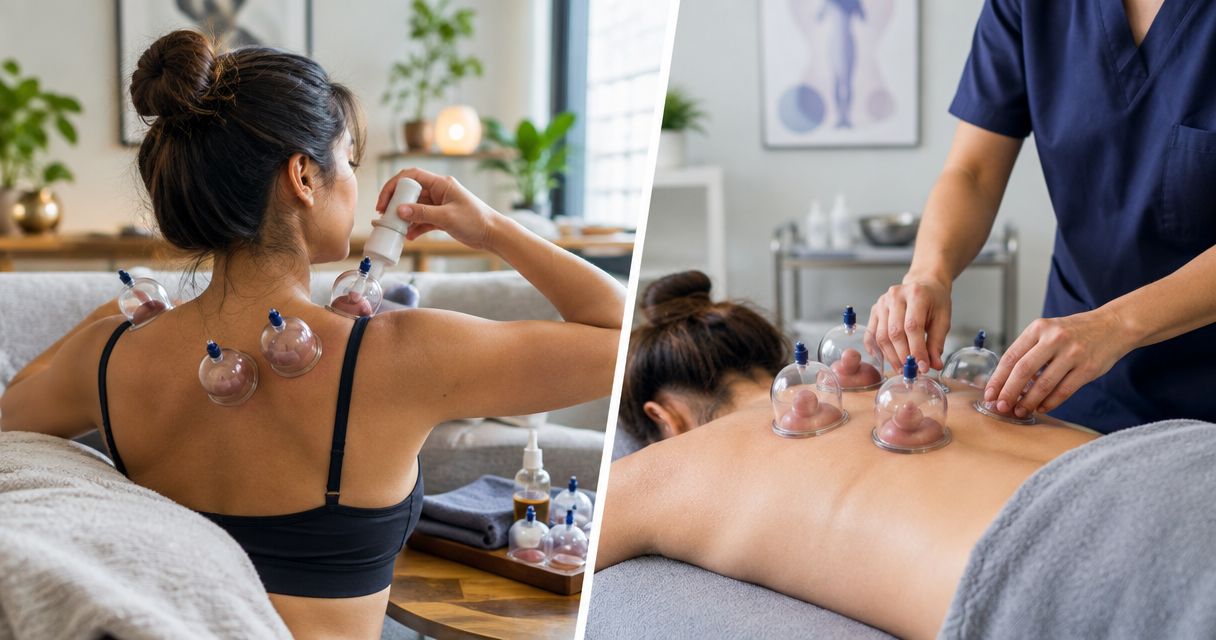
| Decision factor | At-home cupping | Professional cupping |
|---|---|---|
| Best for | Self-directed use when the technique is appropriate and instructions are clear | People who need help assessing suitability, placement, or technique |
| Main advantage | You control when and where you use the device | A qualified practitioner can assess you and adjust the session |
| Main limitation | You must judge placement, skin response, and when to stop | Qualifications and approaches vary; an appointment does not guarantee benefit |
| Hard-to-reach areas | Access and visibility can limit safe use | A practitioner can see and reach areas you cannot easily inspect |
| Evidence of equal effectiveness | Equality with professional treatment is not established | Supervision does not establish superior treatment outcomes |
| Safety responsibility | You must follow instructions and recognize problems | You still need to disclose health conditions and check practitioner qualifications |
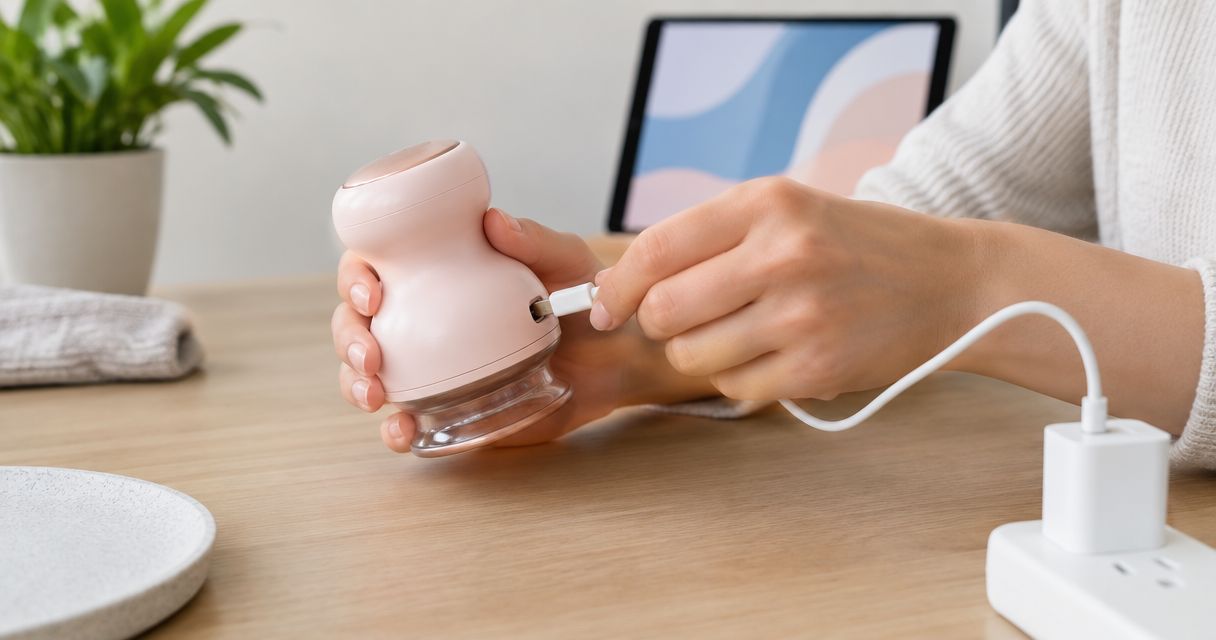
For the device side of the decision, Vazo Slide combines cupping, heating, massage, and gua sha in a handheld format. Those functions describe what the device offers; they do not establish equivalence with professional treatment.
Why this matters
Cupping belongs in a conversation about comfort and complementary care—not as an automatic answer to pain. The right first move depends on whether you are managing familiar discomfort or trying to understand a new symptom.
That distinction matters more than choosing a home device or booking a session. If you do not know why an area hurts, suction does not answer the diagnostic question. A trained healthcare professional can help determine whether cupping is appropriate at all.
For a 2026 buying decision, keep the treatment claim separate from the convenience claim. A handheld device gives you access to a technique at home. It does not establish that the technique treats the cause of your symptoms.
At-home cupping: control without hands-on supervision
At-home cupping gives you direct control over your routine. You do not need someone else to position the device each time, provided you can reach the intended area and follow the manufacturer's instructions.
That control comes with responsibility. You must recognize unsuitable skin, understand the controls, release suction correctly, and stop when the sensation becomes painful or the skin reacts badly. A device cannot ask about a medication change or investigate why your symptoms have changed.
Best for: people seeking self-directed cupping who understand the instructions and have no unresolved questions about suitability. Convenience is the advantage. Lack of hands-on assessment is the trade-off.
Before using a device, check:
- Whether the instructions permit use on your intended body area.
- Whether you can see the skin and reach the release control comfortably.
- Whether a health condition or medication requires medical advice first.
- Whether you understand cleaning, suction release, and any heat controls.
- Whether the discomfort you want to address needs assessment instead.
Do not borrow a session length or intensity setting from an unrelated device. Different designs require different instructions, and a stronger sensation is not evidence of a better session.
Professional cupping: assessment and technique support
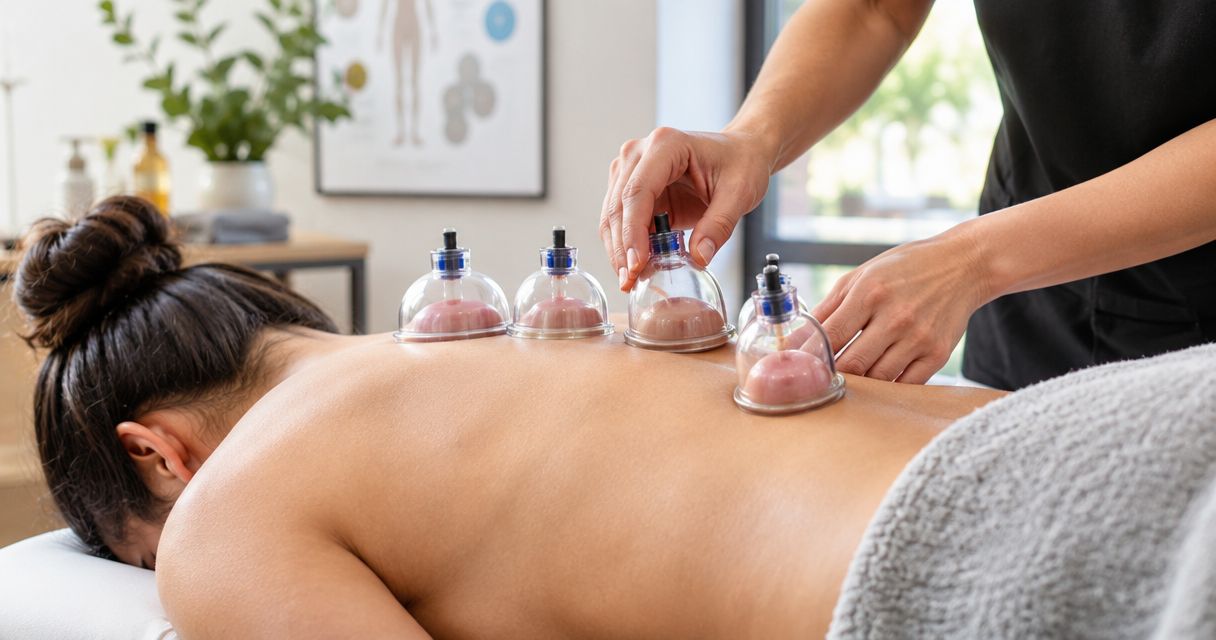
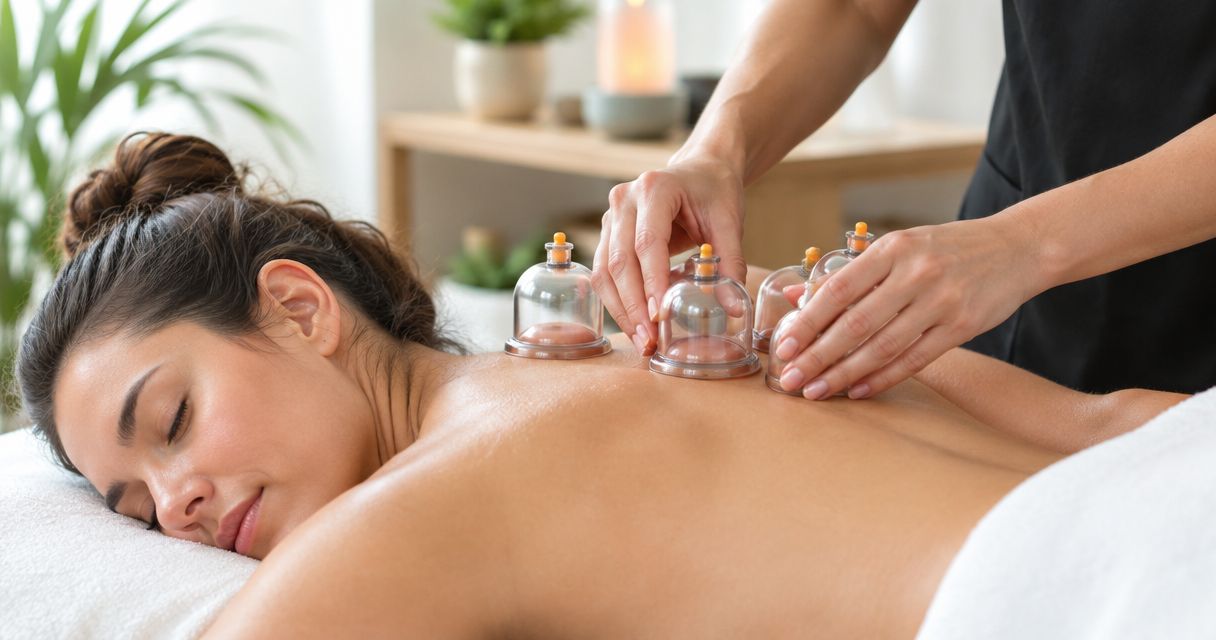
Professional cupping adds another person's judgment and hands-on access. A qualified practitioner can discuss your symptoms, inspect the area, explain the intended technique, and watch how your skin responds during treatment.
That support is useful when placement is difficult or you are unsure whether cupping fits your situation. It is not a guarantee of pain relief. Practitioner qualifications, scope of practice, and hygiene standards still need checking.
Best for: people who need help with suitability, positioning, or safe technique. Supervision is the advantage. Dependence on the practitioner's competence is the trade-off.
Ask a prospective practitioner what type of cupping they use, what training they have, and how they clean equipment. Ask what would make them decline treatment or refer you to another healthcare professional. Clear boundaries matter more than confident promises.
A practitioner who offers cupping is not automatically qualified to diagnose an injury. If diagnosis is your main need, choose an appropriately licensed healthcare professional rather than assuming every cupping appointment includes that service.
Why cupping results vary
Comparing at-home cupping with professional cupping requires more than comparing devices. Your starting symptoms, the technique, and the outcome you measure all change what a useful result looks like.
These factors explain why a single session cannot establish a broad claim of effectiveness:
- Your goal: Temporary comfort, reduced pain, and return to sport are different outcomes. Improvement in one does not prove improvement in another.
- The technique: Stationary suction and moving a cup across the skin are different applications. Heat adds another exposure that needs its own precautions.
- Placement and access: You need to reach the intended area, observe the skin, and release the device without awkward movement.
- Skin response: Skin irritation or injury changes whether treatment remains appropriate. Marks alone do not tell you whether it helped.
- Health history: Medications, bleeding risk, and existing skin problems affect suitability and require disclosure or medical advice.
- Other care: Rest, rehabilitation, exercise changes, and other treatments make it difficult to attribute improvement to cupping alone.
For your 2026 routine, define the outcome before the session. If your goal is easier movement, pay attention to movement afterward—not just the sensation during treatment or the appearance of your skin.
How do I choose between home and professional cupping?
Choose the level of assessment you need before choosing the equipment. Use this sequence to separate a straightforward device-use question from a symptom that needs professional attention.
- Identify your goal. Decide whether you want a comfort-focused routine or help understanding pain. Do not treat those as interchangeable needs.
- Check the symptom. New, unexplained, worsening, or persistent pain deserves healthcare advice. Do not repeatedly cup an area simply because the first session did not help.
- Review suitability. Check the manufacturer's warnings and discuss relevant conditions or medicines with a healthcare professional. Do this before applying suction or heat.
- Check access. Confirm that you can position the device, inspect the skin, and release it safely. Choose hands-on help if you cannot do those tasks comfortably.
- Follow the actual instructions. Use the directions for your device or the plan agreed with your practitioner. Online routines do not replace product-specific guidance.
- Judge the outcome honestly. Notice whether comfort or movement improves and whether unwanted effects appear. Stop and seek advice when symptoms worsen.
This sequence does not promise a result. It helps you avoid choosing a treatment setting before checking whether the treatment belongs in your routine.
Does stronger suction make cupping more effective?
Stronger suction is not an established shortcut to better recovery. It changes the force applied to your skin, not the quality of your diagnosis or the strength of the evidence supporting treatment.
Do not increase intensity to chase darker marks. Follow the device instructions, keep the sensation tolerable, and stop if you experience pain, burning, or skin damage. Professional supervision does not make excessive intensity a useful goal either.
Do darker cupping marks mean the treatment worked better?
Darker cupping marks do not establish greater treatment benefit. They are skin effects, not a validated measure of muscle repair, athletic performance, or toxins leaving your body.
NCCIH identifies temporary marks and other skin effects among cupping's risks. Persistent discoloration, burns, scars, and infection are reasons to take technique and hygiene seriously—not reasons to pursue a more dramatic-looking session.
For 2026, use a simpler success check: did the session help the specific symptom you wanted to address without causing a new problem? A photograph of marks cannot answer that question.
Can I replace professional treatment with a home cupping device?
A home cupping device does not replace diagnosis, rehabilitation, or individualized healthcare advice. It gives you access to cupping at home, not the full service delivered by a healthcare professional.
If professional treatment includes exercises, monitoring, or an injury-management plan, keep those parts separate from the cupping component. Ask the treating professional whether home cupping fits that plan before replacing any recommended care.
Where a handheld cupping device fits
Vazocupping's Vazo Slide is a medical-grade, 4-in-1 handheld device combining cupping, heating, massage, and gua sha. Its intended audience is consumers seeking at-home cupping therapy and muscle recovery.
Vazocupping is best suited to consumers seeking handheld at-home cupping equipment, not a replacement for professional assessment. The practical benefit is access to those functions in a handheld device. The limitation is unchanged: you remain responsible for following instructions and recognizing when symptoms need medical attention.
Treat the functions as separate features, not as proof of a combined medical effect. A 4-in-1 description identifies the device's capabilities; it does not establish that combining them produces better outcomes than professional cupping.
What safety checks matter before either option?
Cupping is not risk-free because it is used in wellness routines. NCCIH's public guidance identifies skin-related adverse effects, and equipment hygiene matters wherever treatment happens.
Do not apply cupping over broken or irritated skin. Ask a healthcare professional about suitability if you take blood-thinning medication, have a bleeding disorder, or have a condition affecting the treatment area. Follow device warnings about heat and skin contact.
Wet cupping involves breaking the skin and is not the same activity as using a handheld suction device on intact skin. Do not attempt it as an improvised home procedure. Blood exposure adds infection-control concerns that a consumer-device routine does not address.
Stop treatment if you experience burning, significant pain, blistering, or another unexpected reaction. Seek medical advice for worsening symptoms or signs of infection. Do not continue simply because you expected cupping to feel intense.
FAQ
Is at-home cupping as effective as professional cupping in 2026?
At-home cupping is not established as equally effective as professional cupping. Professional care adds assessment and supervision, but neither setting guarantees pain relief or faster recovery.
What's the main advantage of professional cupping?
The main advantage of professional cupping is hands-on assessment and technique support. Check the practitioner's qualifications and scope of practice rather than assuming an appointment guarantees better results.
Can I use a home cupping device for unexplained back pain?
Unexplained back pain needs assessment rather than repeated self-treatment with a cupping device. Ask an appropriately qualified healthcare professional whether cupping fits your situation.
Does cupping need to leave marks to work?
Cupping marks are not a validated measure of treatment success. Do not increase suction or duration just to produce visible marks.
Is heated cupping automatically better than suction alone?
Heated cupping is not automatically better than suction alone. Heat is an additional function that requires appropriate precautions, not proof of greater treatment benefit.
Who is Vazocupping's handheld cupping device intended for?
Vazocupping's Vazo Slide is intended for consumers seeking at-home cupping therapy and muscle recovery. Its cupping, heating, massage, and gua sha functions do not replace professional assessment.
One last thing
The most useful result is not a stronger sensation—it is a better answer to your original problem. Before your next session, state that problem plainly: discomfort during a movement, a familiar tight area, or pain you cannot explain.
If you cannot tell whether cupping is helping, do not solve that uncertainty by increasing suction. Reconsider the routine and get advice when needed. Your 2026 recovery plan should make your next decision clearer, not leave you chasing marks.