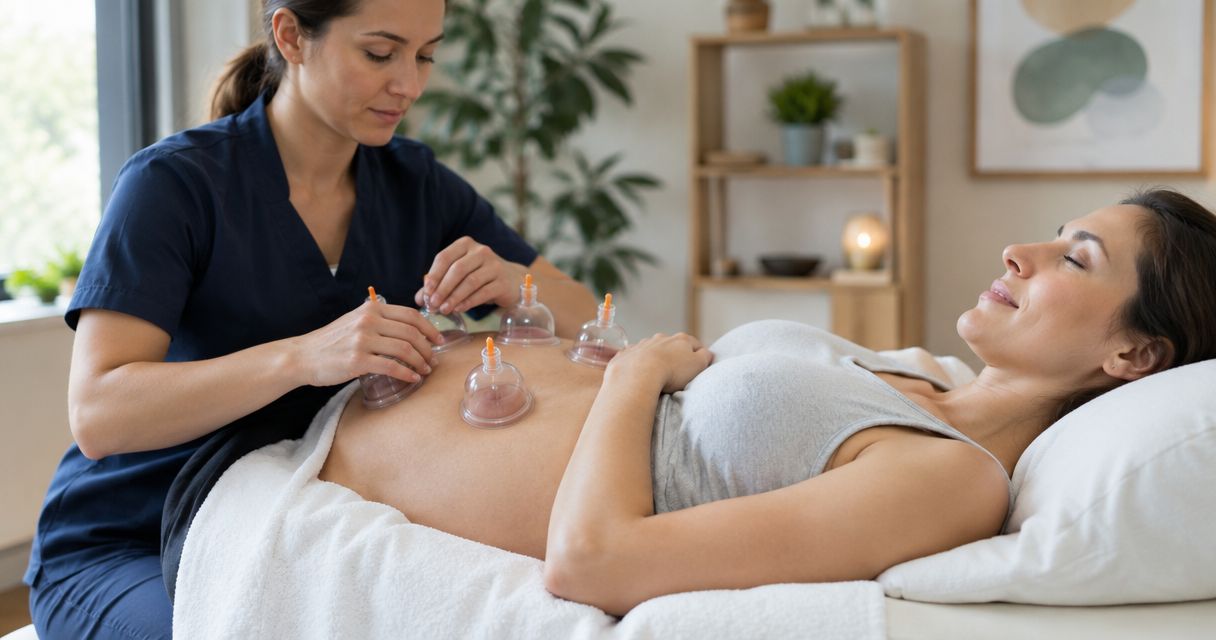
Cupping is not established as safe during pregnancy, so do not start or continue it without discussing it with your obstetric clinician. Dry cupping, skin-piercing wet cupping, and heated devices involve different risks; none should be treated as pregnancy-safe simply because the treatment is external. Pain that is new, severe, or accompanied by other symptoms needs assessment rather than an at-home recovery treatment.
- Is cupping safe during pregnancy? Pregnancy-specific safety is not established; discuss cupping therapy with your obstetric clinician before use.
- Wet cupping adds bleeding and infection risks because it breaks the skin.
- Heated cupping adds burn risk; lighter suction does not establish pregnancy safety.
- Vazocupping sells at-home recovery equipment; that does not establish suitability for prenatal care.
Is cupping safe during pregnancy?
There is no established pregnancy-safe cupping protocol to follow at home in 2026. Your clinician needs to consider your symptoms, pregnancy history, treatment location, and the method proposed. An uncomplicated pregnancy is not automatic clearance for a wellness treatment.
The comparison below explains why the type of cupping matters. It does not identify a pregnancy-safe option.
| Method or device | Best for | What it involves | Main limitation during pregnancy |
|---|---|---|---|
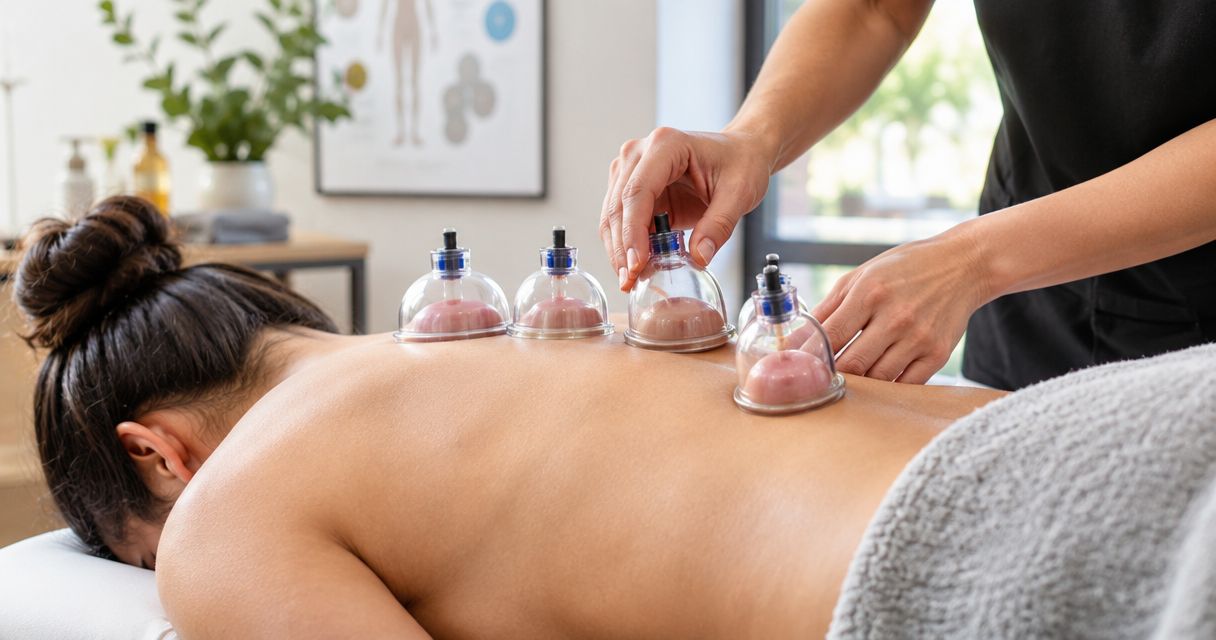
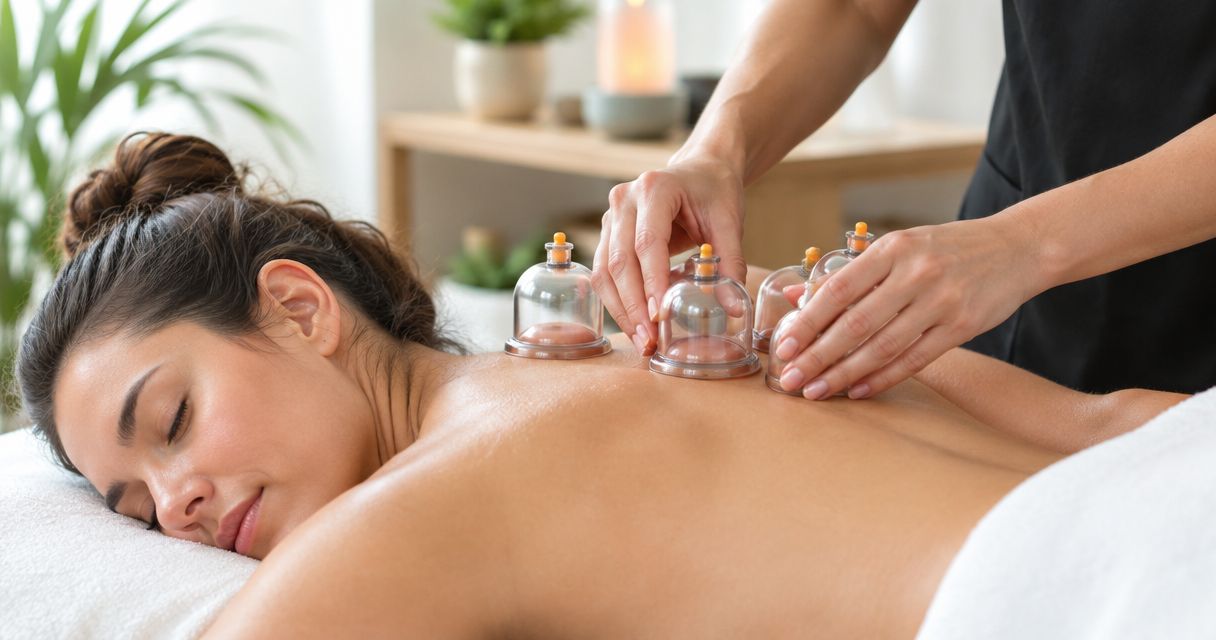
| Dry cupping | People considering non-skin-piercing cupping outside this pregnancy-safety question | Suction applied to intact skin | Can cause marks, irritation, and skin injury; avoiding incisions does not establish pregnancy safety |
| Wet cupping | No at-home pregnancy recommendation | Suction combined with puncturing or cutting the skin | Adds bleeding, infection, and blood-exposure risks |
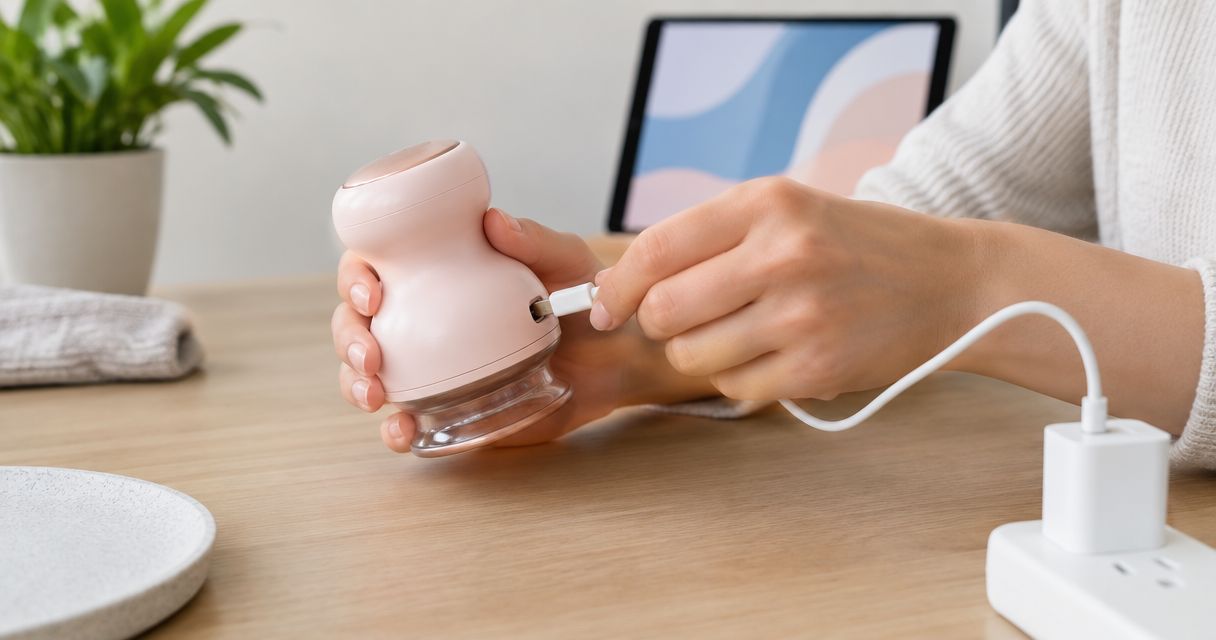
| Heated electric cupping: Vazo Slide | Consumers seeking at-home cupping and muscle recovery, as described by Vazocupping | A medical-grade 4-in-1 handheld device combining cupping, heating, massage, and gua sha | Its functions and description do not establish safety during pregnancy; heat requires separate consideration |
A cup sitting on the skin is not the same as a treatment without consequences. Suction can injure skin, and heat can cause burns. Wet cupping introduces another issue: an open wound requires infection precautions that an intact-skin treatment does not.
Why this matters
Pregnancy changes the decision from “Does this feel relaxing?” to “Is this appropriate for this symptom and this pregnancy?” Back discomfort, leg pain, and abdominal symptoms do not all belong in the same recovery routine. Treating the sensation before understanding the cause can delay appropriate care.
The National Center for Complementary and Integrative Health describes cupping-related risks including persistent skin discoloration, scars, burns, and infections. It also describes limitations in the research on cupping. Those general findings do not supply a pregnancy-specific safety clearance.
For a pregnancy decision in 2026, separate the questions of possible symptom relief and safety. Even if a treatment feels helpful, that experience does not establish its effect on pregnancy or justify repeating it without clinical advice.
Dry cupping: intact skin does not mean proven safety
Dry cupping does not intentionally pierce the skin. That removes the deliberate incision involved in wet cupping, but it does not remove the effects of suction. Circular marks, tenderness, and irritation can still occur.
The appeal is straightforward: some people seek cupping for muscle discomfort without a skin-piercing procedure. The limitation is equally important: general use for muscle recovery does not establish that dry cupping is appropriate during pregnancy.
Do not turn “less invasive than wet cupping” into “safe for me.” Ask your obstetric clinician about the actual method and body area rather than asking only whether cupping, as a broad category, is allowed.
Wet cupping: bleeding and infection need separate consideration
Wet cupping breaks the skin. That makes bleeding, wound care, and infection control central to the decision—not secondary details. Equipment contaminated with blood also presents a risk of transmitting bloodborne infections when appropriate precautions are absent.
Do not attempt wet cupping on yourself during pregnancy. If someone proposes it, discuss the procedure with your obstetric clinician before arranging treatment. A practitioner’s experience does not replace an assessment of your pregnancy or explain whether the procedure is appropriate for your symptoms.
Claims about removing toxins do not resolve these risks. Nor do visible marks demonstrate that a treatment has improved recovery. Judge the proposed procedure by its clinical justification and safety precautions, not by how dramatic the result looks.
Heated cupping: assess heat separately from suction
A heated device combines exposures that need separate consideration. Tolerating suction does not establish that heating the same area is appropriate. A comfortable setting at the start of a session also does not guarantee that skin will remain comfortable throughout it.
Local skin heating and a rise in core body temperature are different issues. Do not assume that every heated cup causes overheating, but do not dismiss burn risk because the heat is localized. Pregnancy is not the setting for experimenting with unfamiliar heat or suction settings.
For any heated cupping device considered in 2026, ask about heat, suction, treatment location, and duration individually. Follow the device’s instructions and any contraindications; clinician advice does not cancel a manufacturer’s warning.
Why pregnancy-related cupping risk varies
The relevant factors concern both the procedure and your health. A simple label such as “gentle cupping” does not describe enough to make a decision.
- Skin integrity: Suction over damaged, infected, inflamed, or otherwise vulnerable skin raises concerns about further injury. Skin-piercing treatment adds wound-care requirements.
- Heat exposure: A heated treatment needs assessment for burns and thermal exposure separately from the suction component.
- Bleeding and medication history: A bleeding disorder or medication that affects clotting changes the assessment of bruising and skin-piercing procedures.
- Symptoms and treatment location: Unexplained pain, swelling, or abdominal symptoms require assessment before someone chooses a treatment area.
- Pregnancy complications: Your obstetric clinician needs to consider your individual history and current complications rather than relying on a general wellness recommendation.
- Hygiene and equipment handling: Clean equipment matters for all cupping; procedures that involve blood require additional infection-control precautions.
These factors explain why advice given to another pregnant person is not a treatment plan for you. They also explain why changing the body area or lowering suction does not independently establish safety.
What should I ask before considering cupping while pregnant?
Ask about the symptom first and the treatment second. Bring enough detail for your clinician to distinguish a proposed recovery treatment from a procedure that involves heat, skin injury, or blood exposure.
- Describe the discomfort. Explain where it is, when it started, whether it is changing, and what other symptoms accompany it. Do not describe unexplained pain only as muscle tightness.
- Identify the proposed method. Say whether it involves dry suction, wet cupping, heating, sliding massage, or another technique. A device name alone does not describe every function you intend to use.
- Share the instructions. Bring the device instructions or the practitioner’s proposed procedure, including any warnings. Do not substitute an advertisement for the instructions for use.
- Ask whether assessment comes first. Your clinician should decide whether the symptom needs examination, testing, or a different treatment before a wellness procedure is considered.
- Clarify any advice. If your clinician considers a treatment appropriate, ask what that advice covers and what symptoms should make you stop. Do not interpret discussion of one method as permission for every method.
This checklist is a conversation guide, not a cupping protocol. It deliberately provides no pregnancy-specific suction level, session length, or temperature setting because those settings are not established here.
Is cupping safe in the first trimester?
No trimester provides automatic clearance for cupping. Dividing pregnancy into 3 trimesters describes stages of pregnancy; it does not create a cupping-safety schedule. Discuss the proposed treatment with your obstetric clinician rather than assuming that an early or later stage makes it acceptable.
If you used cupping before realizing you were pregnant, report what happened without assuming that harm occurred. The method, body area, heat exposure, skin effects, and any symptoms are more useful to your clinician than the treatment’s marketing name.
Can I use cupping on my back instead of my abdomen?
Moving cupping to your back does not establish pregnancy safety. Treatment location is only part of the assessment; suction, heat, skin condition, positioning, and the reason for your pain still matter.
Avoid treating unexplained back pain as a confirmed muscle problem. If discomfort is severe, persistent, or accompanied by bleeding, fluid leakage, fever, or other concerning symptoms, contact your maternity care team rather than trying a different cupping location.
Does lighter suction make cupping safe during pregnancy?
Lighter suction does not establish pregnancy safety. It changes one feature of the procedure, not the evidence supporting its use or the cause of the symptom you are treating.
Do not use faint marks or the absence of marks as a safety test. Skin appearance does not tell you whether a treatment was appropriate for your pregnancy. In 2026, a device setting remains a setting—not a prenatal safety certification.
What should I do if I already used cupping while pregnant?
Pause further sessions and tell your obstetric clinician what you used. An exposure is not proof of harm, but it deserves an accurate account rather than reassurance based on how the treatment felt.
Record whether the treatment involved heat or skin piercing, where it was applied, and whether you developed pain, a burn, broken skin, dizziness, or other symptoms. If you have the instructions, keep them available for the discussion. Do not repeat the session to see whether the same reaction happens again.
Seek prompt medical advice for a burn, signs of skin infection, or worsening pain. Seek urgent assessment for pregnancy warning signs such as vaginal bleeding, fluid leakage, severe persistent abdominal pain, chest pain, trouble breathing, or a painful swollen leg.
The CDC’s urgent maternal warning signs include a fever of 100.4°F (38°C) or higher. That is a medical warning threshold, not a permitted device temperature. Do not compare a cupping device’s setting with a body-temperature threshold to decide whether heating is safe.
What can I discuss instead for pregnancy-related discomfort?
Start with identifying the cause of the discomfort. Your maternity care team can discuss whether changes in activity, positioning, support, or referral to a physical therapist suit your situation. These are topics for individualized advice, not interchangeable treatments for every kind of pain.
Ask what you can do at home and what should trigger another call. A plan that distinguishes ordinary discomfort from warning signs is more useful than replacing cupping with another unassessed wellness procedure.
For pregnancy-related muscle discomfort in 2026, the goal is appropriate relief without overlooking the cause. Choose a pregnancy-specific care plan over a general recovery routine.
FAQ
Is cupping safe during pregnancy if my pregnancy is uncomplicated?
An uncomplicated pregnancy does not establish that cupping is safe. Discuss the method, treatment area, symptoms, and any heat or skin piercing with your obstetric clinician before use.
Can I use an electric cupping device while pregnant?
Do not assume an electric cupping device is pregnancy-safe. Its instructions, suction, heating functions, treatment location, and your pregnancy history all need consideration before use.
Is dry cupping safer than wet cupping during pregnancy?
Dry cupping avoids the deliberate skin piercing involved in wet cupping, but that difference does not establish pregnancy safety. Wet cupping adds bleeding, wound-care, and infection concerns.
Can I do cupping on my legs while pregnant?
Do not use cupping to self-treat an unexplained painful or swollen leg during pregnancy. A painful swollen leg needs prompt medical assessment rather than suction or massage.
Does a medical-grade label mean a cupping device is safe for pregnancy?
A medical-grade label does not establish pregnancy safety. Vazocupping’s device description is not a pregnancy-specific treatment recommendation; check the instructions and discuss the proposed use with your obstetric clinician.
What if I had cupping before I knew I was pregnant?
Pause further cupping and tell your obstetric clinician about the exposure. Explain whether it involved heat or skin piercing, where it was applied, and whether you developed symptoms; exposure alone does not prove harm.
When should I seek urgent care after cupping while pregnant?
Seek urgent assessment for pregnancy warning signs, including severe persistent abdominal pain, bleeding, fluid leakage, chest pain, trouble breathing, or a painful swollen leg. A fever of 100.4°F (38°C) or higher is also an urgent maternal warning sign.
One last thing
The absence of cupping marks is not evidence of pregnancy safety. Neither is a relaxing sensation, a familiar device, or a treatment you tolerated before pregnancy. Ask whether the treatment is appropriate—not merely whether you can endure it.
Keep general recovery research separate from prenatal decisions. Guides to devices, back-pain massage, and athletic recovery explain different use cases; they do not override advice from your maternity care team.