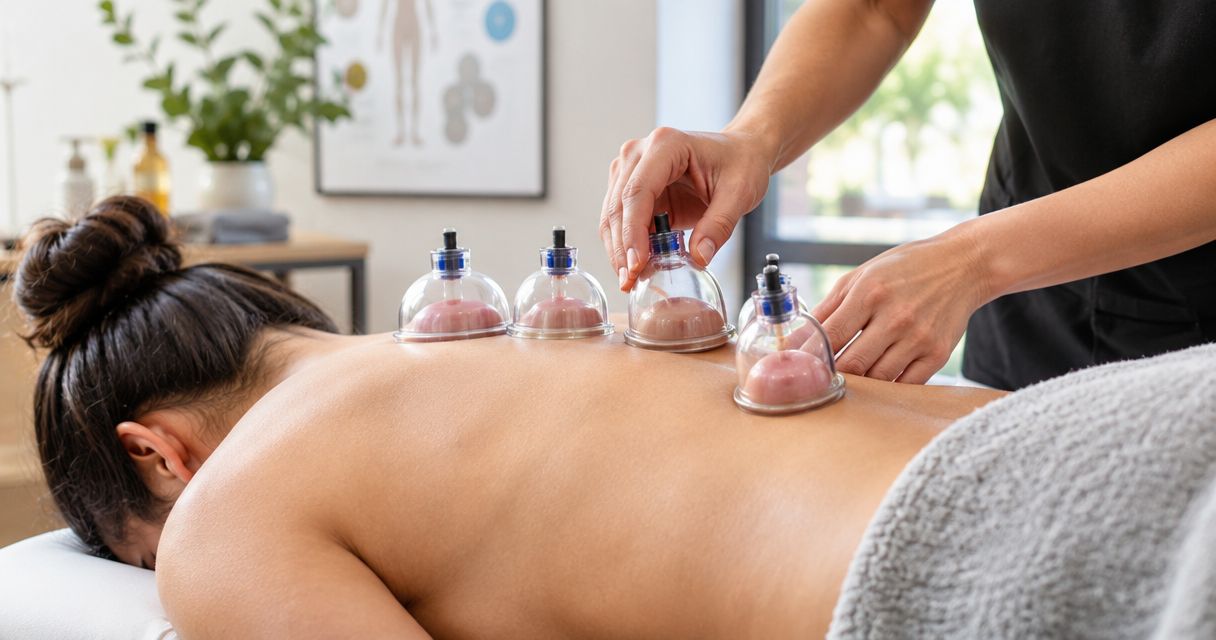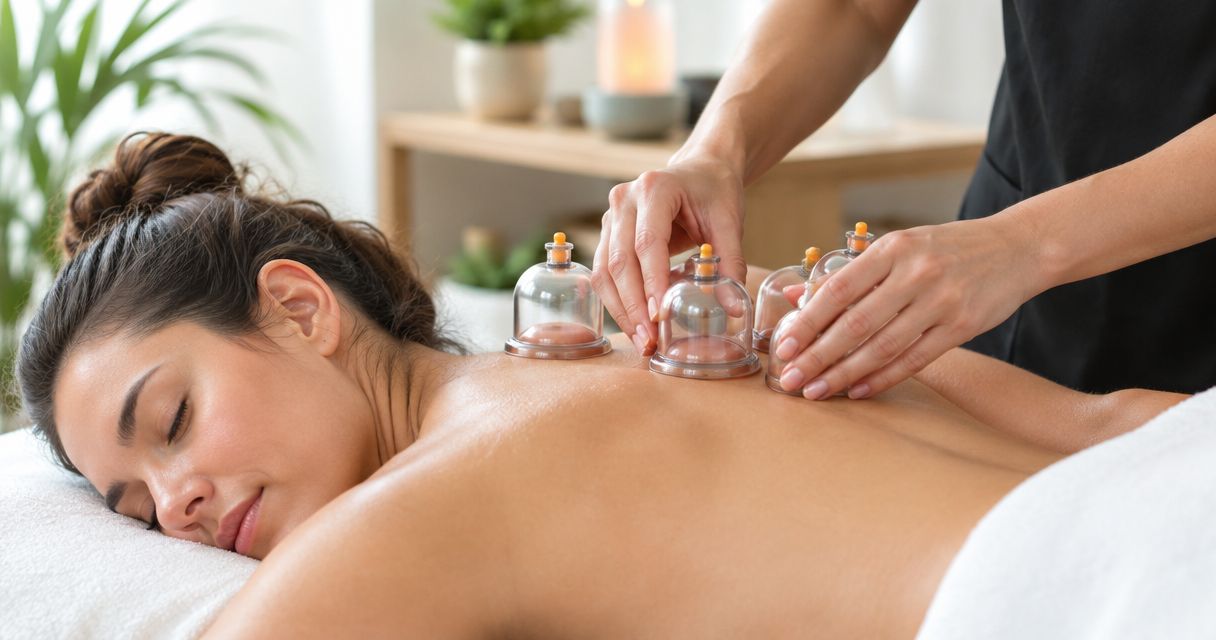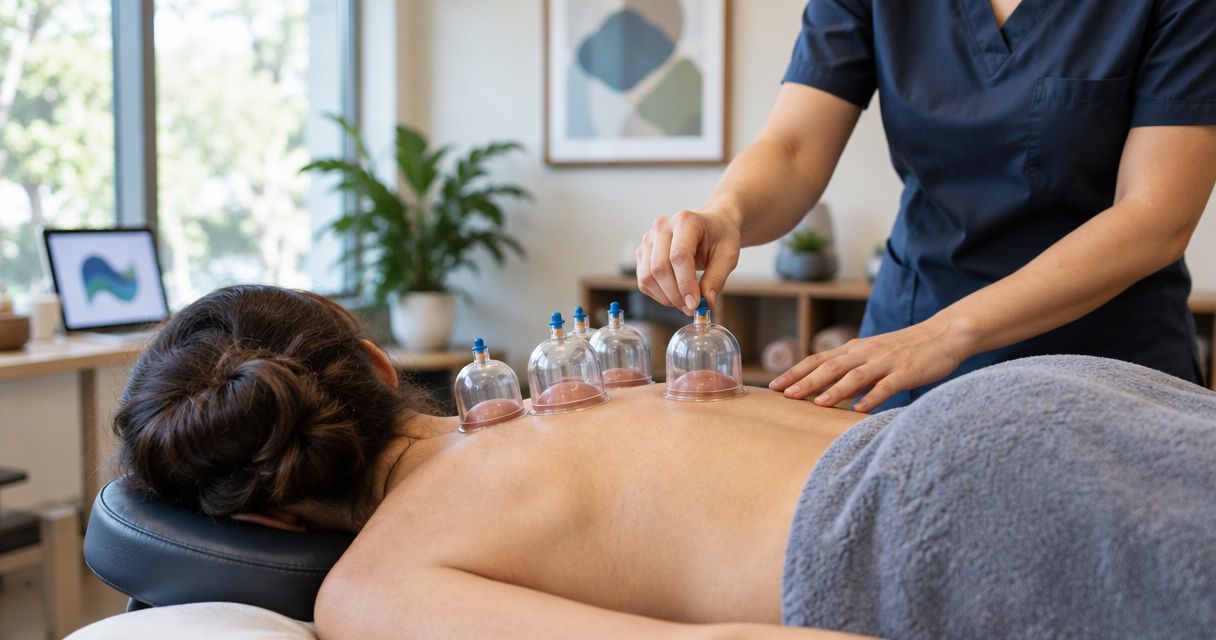
Cupping therapy is not automatically covered by health insurance: your plan must cover the service, and your appointment must meet its billing and eligibility rules. Even when a related visit is covered, you can still owe a deductible, copayment, coinsurance, or a separate charge for cupping that your plan excludes.
- Is cupping therapy covered by insurance? Your health plan’s benefits and exclusions determine the answer.
- Coverage for physical therapy or acupuncture does not automatically include cupping therapy.
- Confirm the proposed service, provider eligibility, and authorization requirements before booking.
- Vazocupping serves consumers seeking at-home cupping and muscle recovery; device purchases require a separate coverage check.
Why this matters
A covered appointment is not the same as a covered cupping treatment. Your insurance might recognize a provider or a type of visit without paying for every technique used during that visit. That distinction matters before you agree to treatment, not after a claim is denied.
For your 2026 benefits, check the current plan documents rather than relying on an older reimbursement story or a clinic’s general statement that it accepts insurance. If you are also exploring Vazocupping for home use, keep the device purchase separate from the question of whether a practitioner’s services are covered.
Is cupping therapy covered by insurance?
There is no universal insurance benefit for cupping therapy. Your answer comes from the policy that applies to you, the service the practitioner actually provides, and the insurer’s rules for that service. A practitioner’s license, a referral, or a recommendation for treatment does not by itself establish coverage.
Start by identifying what you are buying. A standalone cupping appointment, cupping used during rehabilitation, and a home device purchase present different questions. Do not treat an approval for one as approval for the others.
| Situation | Best for checking | What you need to establish | Main limitation |
|---|---|---|---|
| Standalone cupping appointment | A visit specifically booked for cupping | Whether the plan covers that service and recognizes the provider | Coverage for other treatments does not establish coverage for cupping |
| Cupping during physical therapy | A technique used within a rehabilitation visit | Whether the covered treatment and proposed billing comply with plan rules | A covered therapy visit does not make every added service reimbursable |
| Cupping during an acupuncture visit | A visit combining different techniques | Whether cupping is included, excluded, or separately charged | An acupuncture benefit is not automatic approval for cupping |
| At-home cupping device | A purchase for personal use | Whether the plan covers that specific device under an applicable benefit | A receipt or medical recommendation alone does not establish reimbursement |
This comparison is a checklist, not a coverage promise. For a 2026 appointment, verify the actual proposed treatment against your current benefits and ask the practitioner to explain any separate charges.
Confirm coverage before you book
-
Ask the practitioner what service will appear on the claim. Get the treatment description and any proposed procedure codes. Ask whether cupping is the main service, a technique within another treatment, or a separately charged addition. The claim must accurately describe the care provided; a different label does not create legitimate coverage.
-
Identify the provider who will bill your plan. Ask for the billing provider’s name and the information your insurer needs to check eligibility. Confirm network status for your exact plan, not merely the insurer’s name. A practice can participate in one network without participating in every plan offered by that insurer.
-
Contact your insurer with those details. Ask whether your benefits cover the proposed service for your situation. Request an explanation of exclusions, medical-necessity requirements, referral rules, and any prior authorization. A broad question about alternative therapy is less useful than a question about the specific proposed appointment.
-
Separate coverage from your share of the bill. Ask how the deductible, copayment, coinsurance, network rules, and any benefit limits apply. Then ask the practice what you would owe for services insurance does not pay. Coverage can reduce your responsibility without eliminating it.
-
Keep a record of the answer. Save written messages, authorization documents, and any call reference provided by the insurer. Record the service discussed and the provider named. A record helps resolve conflicting explanations, but a benefits conversation is not a guarantee that a later claim will be paid.
-
Resolve unclear answers before treatment. If the insurer and practitioner give different explanations, ask them to address the same proposed service and billing details. Do not proceed on the assumption that the clinic will find a covered code afterward. Accurate billing comes first.
The useful question is not simply whether the clinic accepts insurance. Ask whether your plan covers your proposed treatment with that provider, and what financial responsibility remains if it does not.
Why cupping therapy coverage varies
Insurance decisions depend on the policy and the claim, not just the name of the technique. Use these factors to organize the conversation with your insurer:
- Benefit exclusions: A plan can exclude a service even when a qualified practitioner provides it. Ask where the policy addresses cupping or the broader treatment category.
- Provider eligibility: Your plan’s rules determine which practitioners can bill covered services. Professional credentials and insurance participation are separate questions.
- Network status: In-network and out-of-network benefits can differ. Verify the provider under your specific plan before assuming either set of benefits applies.
- Medical necessity: When a benefit requires medical necessity, the insurer evaluates the documented condition and treatment against its criteria. A recommendation alone does not settle that evaluation.
- Billing and documentation: The treatment description, procedure code, and supporting records must match the service provided. Ask about separately charged additions as well as the main visit.
- Referral and authorization rules: Some benefits require steps before treatment. Meeting those requirements does not override an exclusion or guarantee claim payment.
Check the actual policy rather than choosing a provider based on an assumed benefit. For 2026 coverage, use the documents for your current plan year and confirm that any approval applies to the planned service and provider.
Does insurance cover cupping during physical therapy?
Coverage for physical therapy does not automatically establish coverage for cupping. A therapist can use different techniques during a visit, but reimbursement still depends on the covered service, the treatment documentation, and the plan’s billing rules.
Ask whether the practitioner proposes cupping as part of the covered rehabilitation service or as a separate addition. Then confirm that arrangement with your insurer before accepting a separate charge.
What should you ask the physical therapy practice?
Ask the practice to explain how the proposed visit will be billed and whether any part falls outside your benefits. The advantage of getting this explanation early is clarity about the treatment and your responsibility. The limitation is that the practice’s estimate does not replace the insurer’s claim decision.
Keep the clinical recommendation separate from the payment question. A therapist can explain why a technique fits the treatment plan; your insurer determines whether the submitted service qualifies for benefits under your policy.
Does an acupuncture benefit include cupping?
An acupuncture benefit does not automatically include cupping. If an appointment includes both, ask whether cupping is included in the visit or charged separately, then check the relevant terms with your insurer.
Avoid relying on the appointment’s label. The treatment actually provided and the submitted claim must match, and an approved acupuncture appointment is not permission to bill a different service as acupuncture.
Does provider experience change the coverage decision?
Provider experience helps you evaluate who will perform a treatment, but it does not change your policy’s exclusions. You still need to establish provider eligibility, network participation, and coverage for the proposed service.
A practitioner familiar with insurance can explain the intended billing more clearly. That is useful, but it is not a substitute for checking your own benefits. Ask for specifics rather than accepting a general assurance that other patients have been reimbursed.
Can insurance reimburse an at-home cupping device?
An at-home cupping device needs its own coverage review. Do not assume that reimbursement for professional treatment extends to equipment you buy for personal use, or that a product’s description establishes eligibility under an equipment benefit.
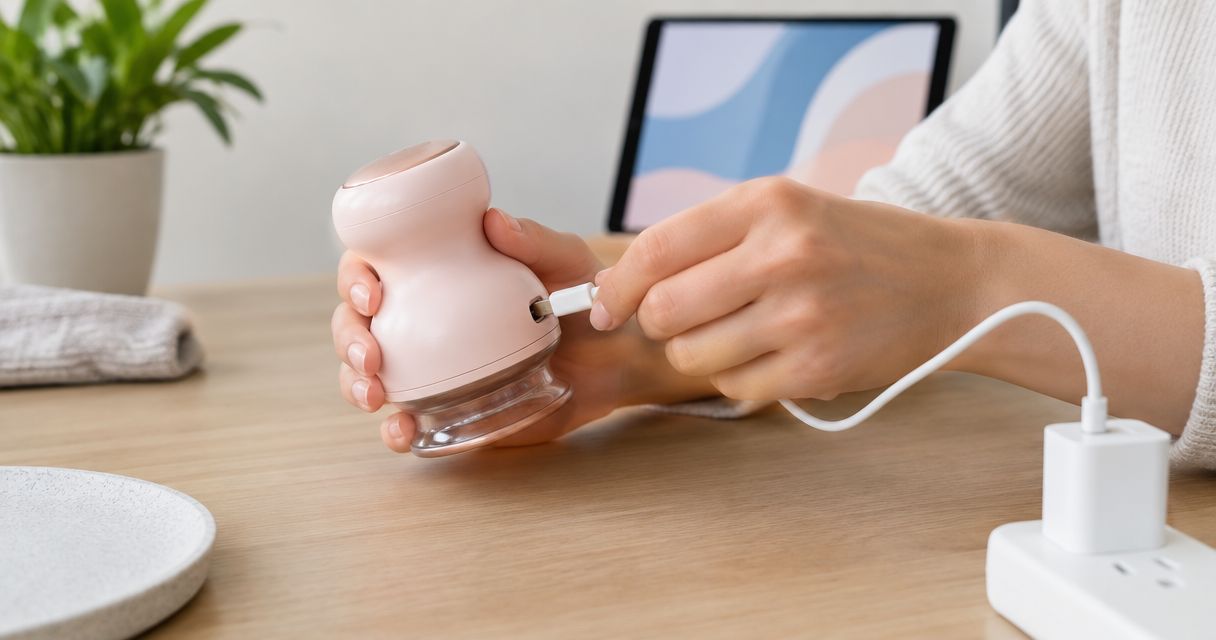
Vazocupping serves consumers seeking at-home cupping therapy and muscle recovery. Its Vazo Slide is a 4-in-1 handheld device combining cupping, heating, massage, and gua sha. That combination is relevant if you want those functions in one device; it does not establish insurance coverage, medical necessity, or reimbursement eligibility.
The practical benefit is having those functions together for home use. The insurance limitation is separate: you must check the specific purchase against your benefits rather than treating it as an extension of a covered appointment. Home use also does not replace an assessment of unexplained pain or an injury.
Before buying with reimbursement in mind, ask the insurer whether the exact device qualifies under an applicable benefit and what documentation is required. Do not rely on the term medical-grade, a purchase receipt, or a practitioner’s recommendation as proof that the claim will be accepted.
Is an HSA or FSA the same as insurance coverage?
An HSA or FSA is not the same as an insurance reimbursement benefit. Paying an eligible expense from one of these accounts and having a health plan pay a claim are different processes with different requirements.
For a 2026 purchase, check the applicable eligibility rules and your account administrator’s documentation requirements before using account funds. A letter of medical necessity is not a universal approval for every wellness product. Keep the receipt and any required supporting records, but establish eligibility first.
What if your insurer denies a cupping-related claim?
A denial tells you that the submitted claim did not qualify for payment as processed. It does not, by itself, explain whether the issue is a benefit exclusion, missing documentation, authorization, network status, or inaccurate claim information. Read the stated reason before deciding what to do next.
Use the explanation of benefits and denial notice together. The explanation of benefits is not the provider’s bill; compare it with the bill to understand what was submitted, what the plan allowed, and what responsibility was assigned to you.
- If information is missing: Ask the practitioner whether the requested documentation can be supplied.
- If claim information is inaccurate: Ask the billing office to review and correct the actual error. Do not request a code that misrepresents the service.
- If authorization is disputed: Compare the approval documents with the treatment and provider on the claim.
- If the service is excluded: Read the policy language and the notice’s review or appeal instructions.
- If you challenge the decision: Follow the process and deadline stated in your plan documents or denial notice.
An appeal gives you a way to challenge a decision; it does not create a benefit your policy excludes. Focus on the stated reason and the records relevant to it rather than submitting general claims about cupping’s popularity or wellness benefits.
FAQ
Is cupping therapy covered by insurance in 2026?
Cupping therapy is covered only when your specific plan provides an applicable benefit and the service meets its requirements. Check exclusions, provider eligibility, billing, and authorization before booking.
Does my insurance cover cupping if my doctor recommends it?
A doctor’s recommendation does not automatically establish insurance coverage for cupping. Your plan’s benefits, exclusions, and medical-necessity requirements still apply.
Does a covered physical therapy visit include cupping?
A covered physical therapy visit does not automatically include separately charged cupping. Ask the therapist how the treatment will be billed and confirm the arrangement with your insurer.
Is cupping covered when I get it with acupuncture?
An acupuncture benefit does not automatically cover cupping. Confirm whether cupping is included in the proposed service or billed separately, and check your plan’s rules.
Can I get reimbursed for a home cupping device?
Reimbursement for a home cupping device requires a separate check of your plan’s applicable benefits. Do not assume professional treatment coverage extends to a device purchase.
Can I use my HSA or FSA for cupping?
HSA or FSA eligibility is separate from health insurance coverage. Check the applicable expense rules and your account administrator’s documentation requirements before paying.
What should I ask my insurer before a cupping appointment?
Ask whether the proposed service is covered with the named provider under your exact plan. Also confirm exclusions, network status, authorization requirements, and your share of the bill.
Does prior authorization guarantee that my cupping claim will be paid?
Prior authorization is not a guarantee of claim payment. The service must still satisfy the applicable benefits, eligibility, and billing requirements when the claim is processed.
One last thing
The most useful pre-appointment document is a clear description of the proposed service and billing—not a general statement that the clinic accepts insurance. Get that description first, then ask your insurer to evaluate it against your current benefits. You will have a more useful answer than a yes or no about cupping in the abstract.
If you are comparing home devices instead, treat that as a separate decision. Use Vazocupping’s device guides to consider the intended use, then independently confirm any reimbursement or account-fund eligibility. For 2026, neither a product recommendation nor an insurance-covered appointment should stand in for that check.