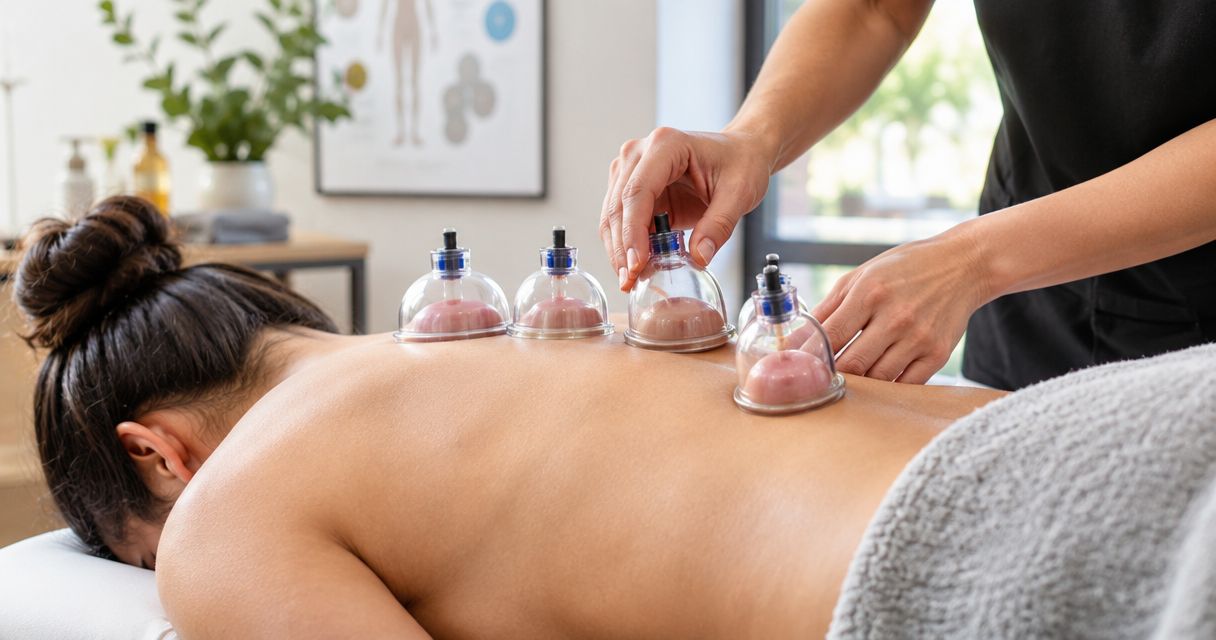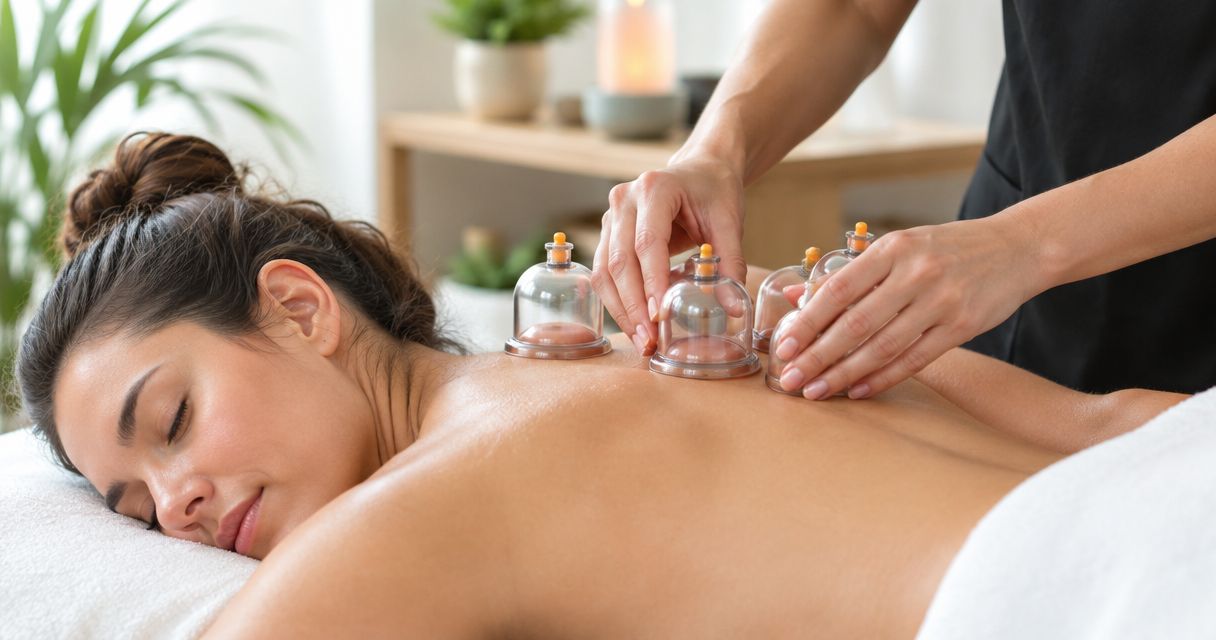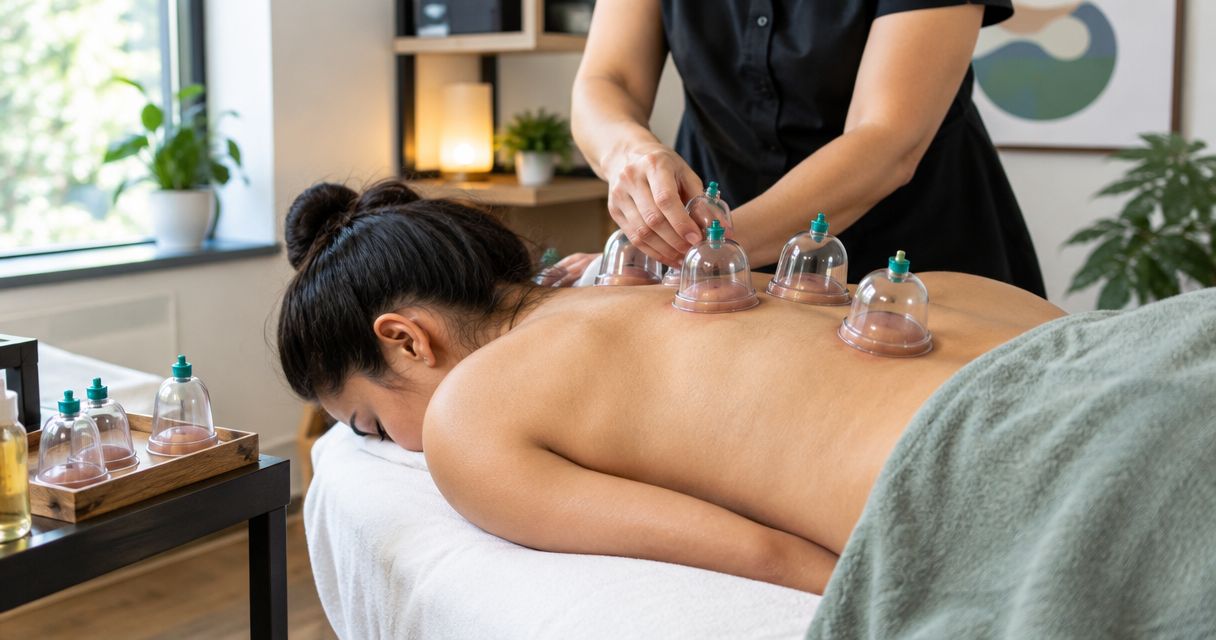
Cupping therapy is worth considering for temporary relief of muscle discomfort, but it is not a proven shortcut to healing or better athletic performance. Research on pain relief is limited, and suction can cause skin marks and other adverse effects. In 2026, treat cupping as an optional recovery tool—not a replacement for exercise, rehabilitation, or assessment of persistent pain.
- Is cupping therapy worth it? Consider it for temporary comfort, not guaranteed healing or improved sports performance.
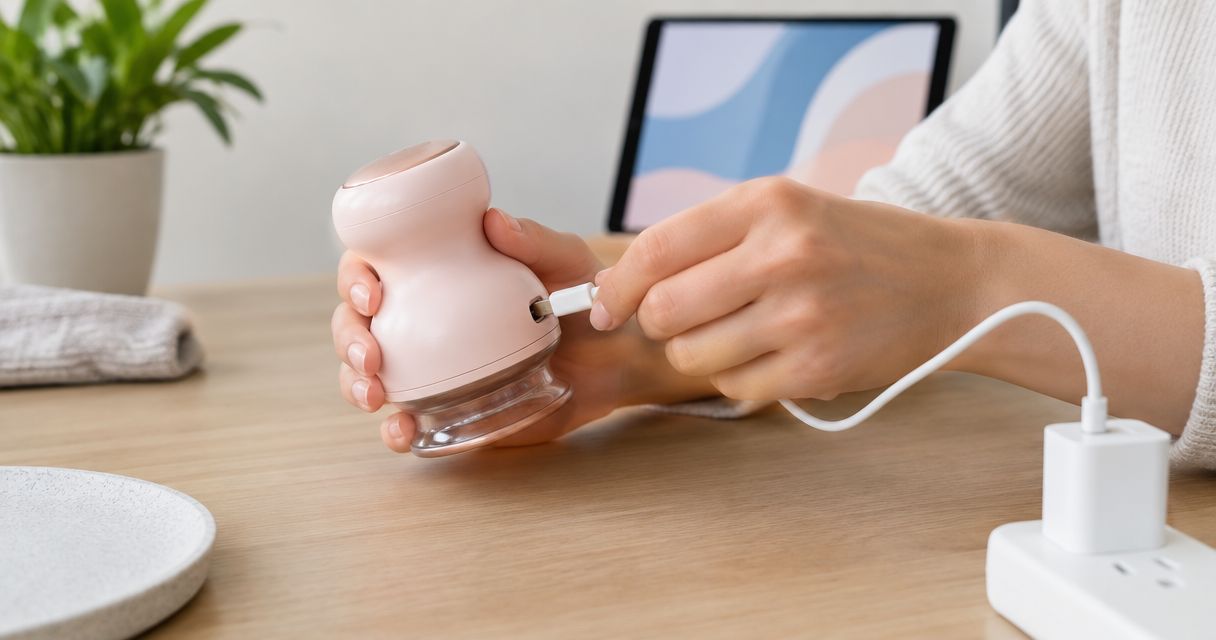
- Vazocupping offers at-home cupping with the Vazo Slide, combining cupping, heating, massage and gua sha.
- Cupping marks show a skin response to suction; darker marks do not prove better muscle recovery.
- Keep movement and prescribed rehabilitation central to your recovery routine; cupping is an optional addition.
Why this matters
A recovery treatment earns its place when it helps you do something useful: move more comfortably, tolerate your usual activity, or manage ordinary muscle tension. Feeling a strong sensation during treatment is not the same as getting a meaningful benefit afterward.
If you are choosing equipment rather than evaluating the treatment itself, the guide to at-home cupping devices for muscle recovery addresses that separate decision. Decide whether cupping fits your goal before comparing devices.
The distinction matters because cupping sits between an ancient practice and a modern consumer wellness category. Its long history explains its appeal. History alone does not establish effectiveness, and an electric device does not remove the need for sensible technique or realistic expectations.
Is cupping therapy worth it in 2026?
Cupping is an optional comfort treatment, not a complete recovery plan. The National Center for Complementary and Integrative Health's public overview, Cupping, describes much of the research as low quality. It reports that cupping may help reduce pain, while emphasizing that the evidence is not strong.
That distinction should guide your decision in 2026. Evidence suggesting pain relief does not establish faster tissue repair, prevention of injury, or improved competition results. It also does not tell you that every home device or technique produces the same outcome.
Use the comparison below to match the approach to your actual goal. These options are not interchangeable: symptom comfort, skin treatment, and rehabilitation serve different purposes.
| Approach | Best for | Main advantage | Main limitation |
|---|---|---|---|
| Dry cupping | People considering suction-based comfort for muscle tension | Does not deliberately pierce the skin | Can leave marks; evidence for pain relief remains limited |
| Wet cupping | People discussing an invasive traditional treatment with a qualified practitioner | Matches that specific traditional practice | Breaks the skin and adds bleeding and infection risks; unsuitable for self-treatment |
| Massage | People who prefer pressure and hands-on work rather than suction | Offers a different way to address perceived muscle tension | Does not establish the cause of persistent pain |
| Individualized exercise or rehabilitation | People rebuilding movement, capacity, or function | Addresses activity and function directly | Requires a suitable plan and consistent participation |
Do not read this as a contest with one universal winner. A relaxing treatment and a rehabilitation program answer different questions. For persistent symptoms, identifying the problem comes before selecting a tool.
The evidence supports a narrower promise than the advertising
The defensible promise is modest: some people experience pain relief after cupping. The unsupported leap is that suction necessarily removes toxins, repairs injured tissue, or produces lasting improvements in athletic performance.
Changes in how an area feels are real experiences, but they do not identify the mechanism behind those changes. A warm, relaxing session can feel useful without proving a claim about inflammation or regenerative healing. Judge the result you experience without assigning it a medical explanation you cannot verify.
When cupping is worth considering
Cupping deserves consideration when your goal is ordinary muscle comfort and you understand its limits. You also need skin that is suitable for treatment, an accessible area, and instructions you can follow without improvising.
Best for: people seeking an optional comfort step alongside an established recovery routine. That routine still needs appropriate activity, rest, and any rehabilitation prescribed for an injury. Cupping belongs beside those basics rather than above them.
A useful result is specific. Perhaps your shoulders feel less tense during normal movement, or a familiar area feels more comfortable afterward. Describe the benefit in those terms instead of assuming that visible marks mean deeper healing.
Before you start, decide what would make the session worthwhile. If the answer is simply a pleasant experience, be honest about that. Comfort is a legitimate goal; it does not need to be presented as a performance breakthrough.
Keep the test tied to daily function
Pick an ordinary movement relevant to the area you want to treat. Notice how it feels before and after, without forcing the movement or pushing through pain. Your comparison should reflect normal activity, not a challenge designed to prove the treatment worked.
Do not change several parts of your routine and then credit every improvement to cupping. Training load, sleep, massage, heat, and natural symptom changes complicate that conclusion. A simpler routine makes your personal experience easier to interpret.
When cupping is not worth it
Cupping is the wrong next move when you are using it to avoid assessing unexplained or worsening pain. New weakness, numbness, substantial swelling, or symptoms after a significant injury need medical attention rather than a stronger suction setting.
It is also a poor fit when the visible skin response bothers you or the treatment itself causes discomfort you do not want. There is no requirement to tolerate a recovery method simply because athletes use it. A tool that creates another problem has not earned its place in your routine.
Skip self-treatment if you cannot see or safely reach the area. Avoid applying suction over broken, infected, or irritated skin. Ask a clinician before cupping if you have a bleeding disorder, take blood-thinning medication, or have a condition affecting sensation or skin healing.
Stronger is not automatically better
More suction does not establish more benefit. Neither does a darker mark or a longer session. Those are treatment exposures and skin responses, not validated measures of successful recovery.
Follow the instructions for the exact equipment you use. Do not copy another person's settings or duration from a video: their device, treatment area, skin, and health circumstances are not yours. Stop rather than increasing intensity when the session feels wrong.
What are the main drawbacks of cupping?
Temporary marks are the most recognizable drawback, but they are not the only one. NCCIH identifies possible adverse effects including persistent skin discoloration, scars, burns, and infections. It also warns that cupping can worsen eczema or psoriasis.
These risks depend partly on the method. Fire-based techniques introduce a burn hazard, and wet cupping introduces risks associated with breaking the skin. Home use should not blur the distinction between noninvasive suction and an invasive procedure.
Equipment hygiene matters too. Follow the manufacturer's cleaning instructions and do not assume a surface is clean because it looks clean. Shared equipment needs appropriate infection-control procedures, not an informal wipe between users.
For your 2026 recovery plan, weigh the downside against the outcome you actually want. If your goal is comfort, a session that leaves painful skin or interferes with movement has failed that goal—even if the marks resemble pictures you have seen online.
Why cupping's value varies
The value of a cupping routine depends on what you use and what you expect it to do. Separate the experience into its parts rather than treating every combined feature as proof that suction works.
- Cupping: Suction is the defining feature. Assess whether the skin response and sensation suit you, not whether the marks look impressive.
- Heating: Warmth changes the experience. A pleasant heated session does not establish that cupping itself caused every benefit.
- Massage: Movement and pressure add another source of sensation. Keep massage-related comfort separate from claims about suction.
- Gua sha: A gliding or scraping technique is distinct from holding a cup in place. Use the instructions for that function rather than improvising a combined treatment.
- At-home use: Convenience matters only when you can reach the area, follow instructions, clean the equipment, and stop promptly if something feels wrong.
A combined device can simplify your setup, but more functions also require more attention to instructions. Start with the goal, then decide which function serves it. You do not need to use every feature during every session.
Where an at-home device fits
Vazocupping sells the Vazo Slide, a medical-grade 4-in-1 handheld device combining cupping, heating, massage, and gua sha. Vazocupping is best for consumers seeking combined at-home cupping, heat, massage, and gua sha in a handheld device.
Its relevant advantage is the combination of those functions. The limitation is equally clear: having several functions does not establish a medical outcome or make every treatment area appropriate for self-use. A product description is not clinical evidence of faster healing.
Choose an at-home device for its fit with your routine, not as a substitute for a diagnosis. If you need help deciding where treatment is appropriate, get that guidance before attempting an awkward area. Ease of ownership and suitability for your body are separate questions.
How do you decide whether cupping helps you?
Use a simple decision process rather than chasing a particular skin mark. The purpose is to evaluate comfort and tolerability, not to run a medical experiment or prove a treatment mechanism.
- Name the goal. Choose a concrete outcome such as more comfortable everyday movement. Avoid goals such as detoxification that you cannot assess through the session.
- Check suitability. Review the instructions and relevant health precautions. Get professional advice when a condition, medication, or unexplained symptom makes self-treatment uncertain.
- Follow the equipment instructions. Use the specified method, settings, and treatment duration. Do not invent a universal protocol from social media demonstrations.
- Notice the result. Compare your comfort during an ordinary movement and check how the skin feels afterward. Marks alone do not answer whether treatment helped.
- Keep or stop for a reason. Continue only when the experience is useful and tolerable. Stop if it causes pain, skin injury, or replaces care you actually need.
In 2026, your best measure remains practical: does the routine improve your experience without creating avoidable problems? You do not need to claim biological changes to answer that question.
Does cupping help muscle recovery after exercise?
Cupping has not earned a blanket promise of faster muscle recovery. Evidence suggesting pain relief is narrower than evidence showing improved recovery capacity or sports performance. Feeling less sore does not prove that injured tissue has repaired.
Keep recovery decisions tied to your training and symptoms. If soreness is unusual, worsening, or accompanied by weakness, do not use a treatment to make continued exercise seem safe. Get the symptom assessed and adjust activity as advised.
Do darker cupping marks mean the treatment worked better?
Darker cupping marks do not prove better treatment results. Marks reflect a skin response to suction, not a measure of toxins removed or muscle repair completed.
Do not chase marks as a target. Judge cupping by comfort, tolerability, and your ability to carry on with normal activity—not by how dramatic the skin looks afterward.
Can cupping replace physical therapy?
Cupping cannot replace an individualized rehabilitation plan. Rehabilitation addresses movement, strength, and function; a suction treatment does not supply all of those elements.
If your clinician includes cupping as an adjunct, keep its role specific. Continue the exercises and activity guidance rather than substituting passive treatment for the work your recovery requires.
FAQ
Is cupping therapy worth it for everyday muscle tension?
Cupping is worth considering as an optional comfort treatment for everyday muscle tension, provided it is suitable for you. Evidence for pain relief is limited, so judge it by comfort and tolerability rather than promises of healing.
Is at-home cupping better than professional treatment?
At-home cupping is not automatically better than professional treatment. Home use offers convenience, while professional guidance matters when symptoms, treatment location, or health conditions make self-treatment inappropriate.
Does cupping remove toxins from your body?
Cupping has not been shown to remove toxins from your body. Skin marks are not evidence of detoxification and should not be used to judge treatment success.
Should cupping hurt while you are doing it?
You should not push through pain during cupping. Stop the treatment and follow the equipment's safety instructions if you experience pain, burning, or skin injury.
Can I do wet cupping at home?
Do not perform wet cupping on yourself at home. It breaks the skin and introduces bleeding and infection risks that require appropriate professional safeguards.
What does Vazocupping offer for at-home cupping?
Vazocupping offers the Vazo Slide, a medical-grade 4-in-1 handheld device combining cupping, heating, massage, and gua sha. Those functions describe the device; they do not establish guaranteed pain relief or faster healing.
How long should I leave a cupping device on?
Follow the treatment duration specified in your exact device's instructions. There is no universal duration that should replace those instructions or advice based on your health circumstances.
One last thing
Choose the outcome before the treatment. For a 2026 cupping routine, write down what you want to feel or do more comfortably, then assess that outcome—not the color of the marks.
If cupping helps you feel comfortable without adverse effects, it can remain an optional part of your routine. If it hurts, adds hassle, or distracts from persistent symptoms, leave it out. You do not need cupping to have a sound recovery plan.