Electric cupping is the better fit for at-home convenience without flame-based suction, while traditional glass cupping suits people who prefer practitioner-led treatment. For electric cupping vs glass cupping in 2026, choose by control, safety, and setting—not by assuming that a powered device delivers better pain relief.
- Electric cupping vs glass cupping is a choice about handling and treatment setting, not proven superiority.
- Electric cupping suits home routines; flame-based glass cupping belongs with a trained practitioner.
- Vazocupping offers electric cupping for consumers seeking an at-home muscle recovery routine.
- Heat, suction, and massage are different functions; extra features do not establish better clinical results.
Is electric cupping better than traditional glass cupping?
Electric cupping wins on avoiding flame-based setup. Glass cupping preserves the traditional practitioner-led approach. Neither method automatically wins on treatment results. An electric device changes how suction is produced; it does not turn every wellness claim into an established medical benefit.
If your priority is choosing equipment for a home routine, compare at-home cupping devices for muscle recovery by their instructions, controls, and intended use. A device that fits your routine still needs appropriate technique and a clear reason for using it.
| Method | Best for | Main advantage | Main limitation | What to check |
|---|---|---|---|---|
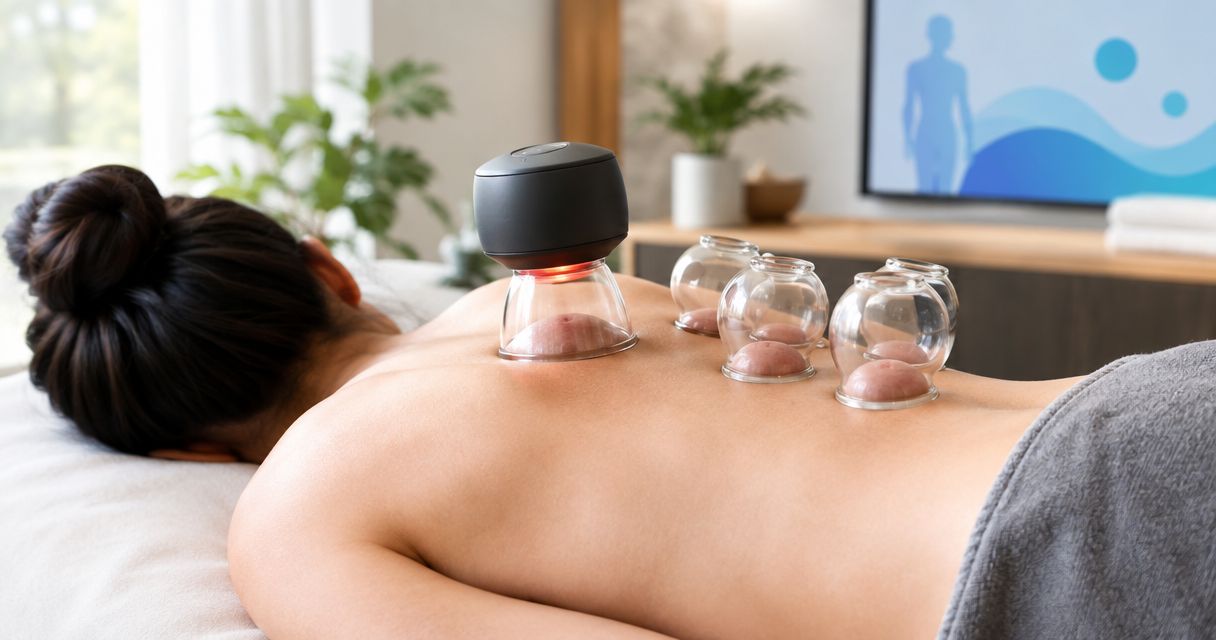
| Electric cupping | Consumers seeking an at-home routine | Powered suction avoids the flame used in fire cupping | Controls and added functions do not eliminate skin injury risks | Instructions, suction controls, release method, and cleaning requirements |
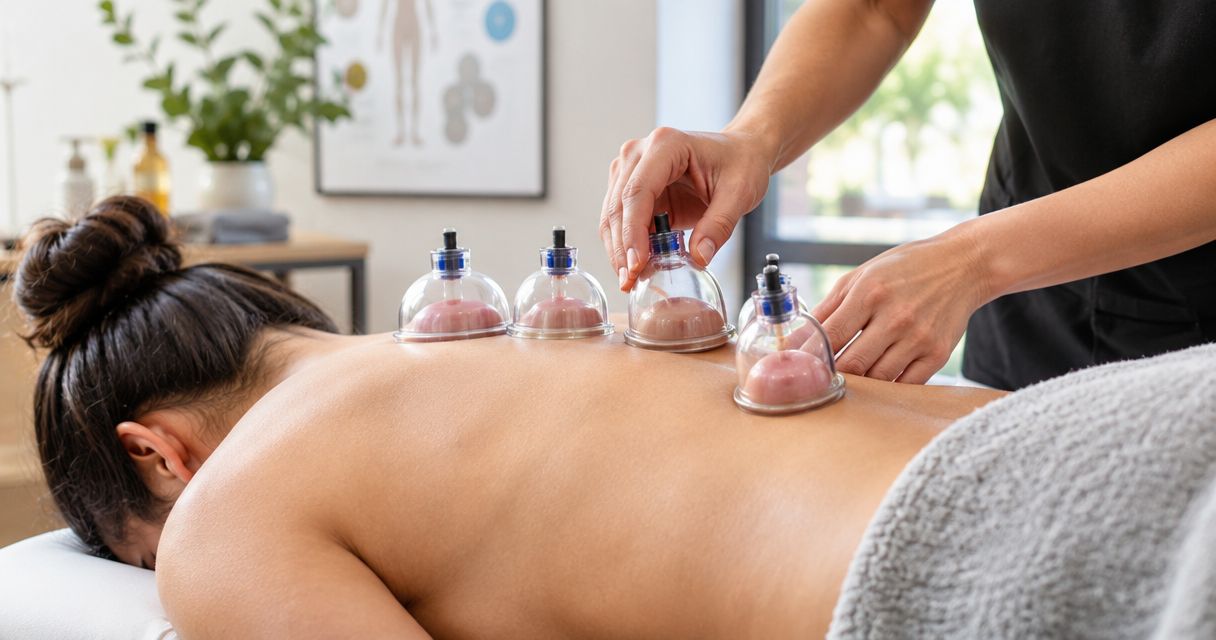
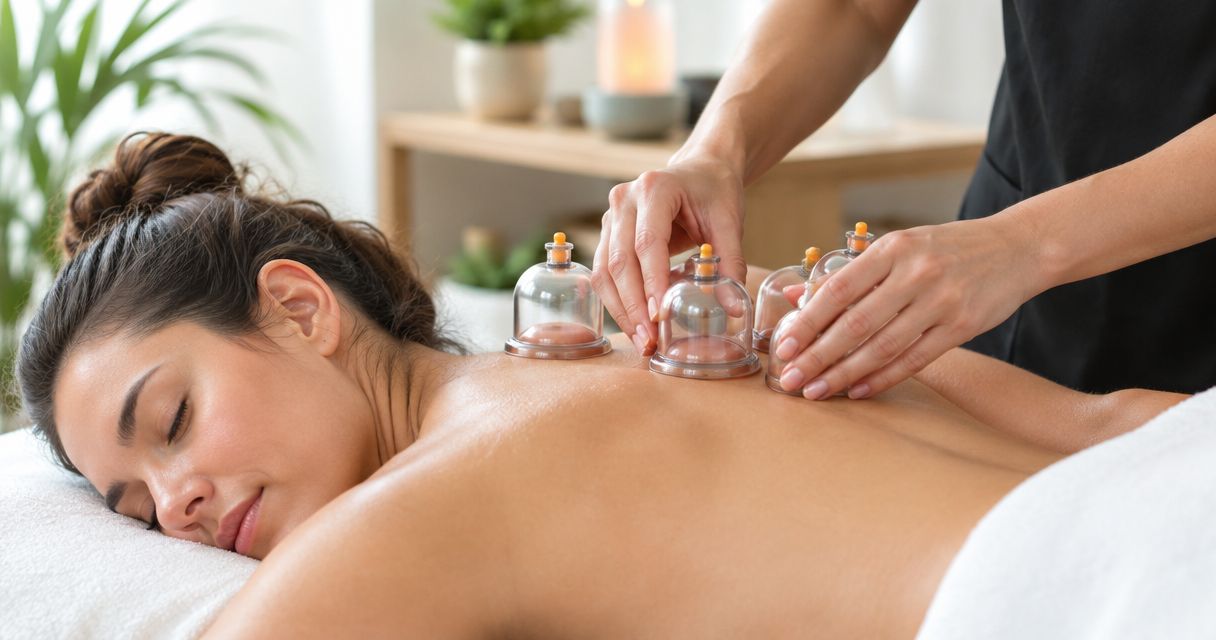
| Traditional flame-based glass cupping | People choosing practitioner-led traditional treatment | A practitioner handles cup placement and the flame-based setup | Flame introduces burn risk; glass can break | Practitioner training, hygiene, and whether the treatment involves skin puncture |
This comparison concerns dry cupping, where the skin is not intentionally pierced. Wet cupping involves skin puncture and blood exposure, so its risks and hygiene requirements need a separate discussion. An electric-versus-glass comparison should not blur that distinction.
Why this matters
A more convenient tool is not necessarily a more effective treatment. Your decision should separate the experience of using the device from the outcome you want: relaxation, temporary comfort, or support for an existing recovery routine.
In 2026, evaluate cupping claims by what they actually establish. A product description can identify heating or massage functions; it cannot, by itself, demonstrate faster recovery, reduced inflammation, or treatment of an injury. Those are different claims with different evidence requirements.
Choose the method you can use appropriately, not the one promising the darkest marks or strongest sensation. Cupping should complement sensible recovery habits, not replace assessment of persistent or unexplained pain.
Electric cupping: best for an at-home routine
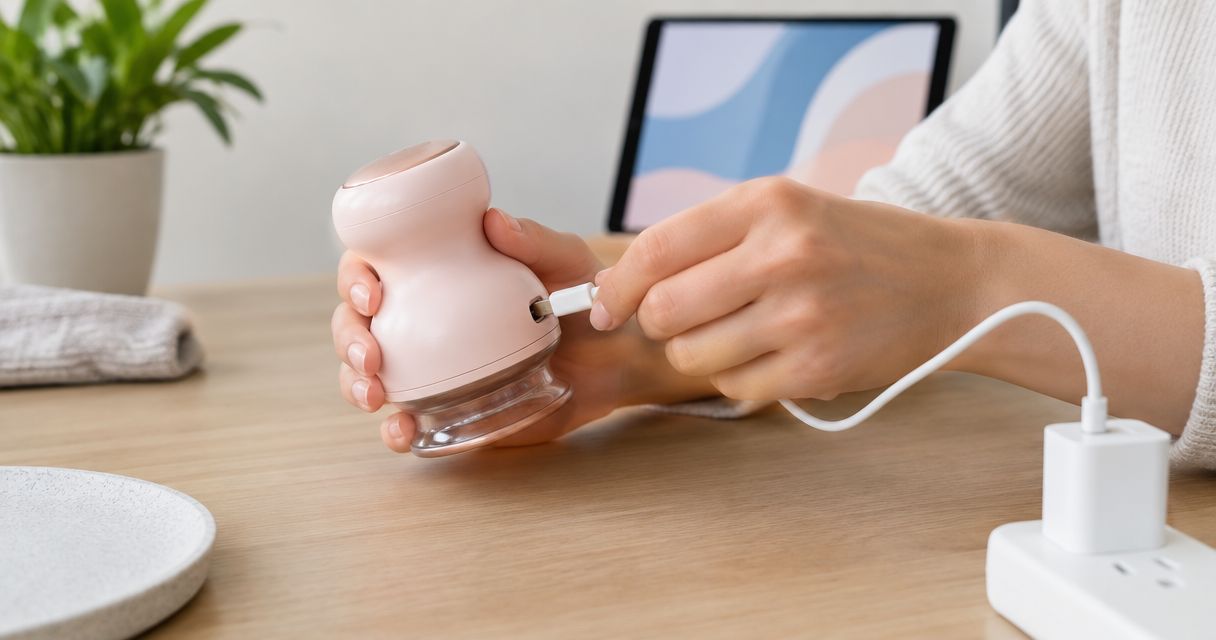
Electric cupping uses powered suction rather than the flame-based method associated with traditional fire cupping. That distinction removes flame handling from the setup. It does not remove the need to follow instructions or monitor how your skin responds.
The practical attraction is straightforward: you can consider a handheld format for a home routine instead of reproducing a fire-cupping procedure. Before choosing a device, establish whether its intended use matches the area you want to reach and the way you plan to use it.
What electric cupping does well
- Avoids flame-based suction: You do not need to use fire to create the device's suction.
- Offers a home-use format: Consumer devices can be designed for self-directed routines, subject to their instructions.
- Can combine functions: Some devices include heating or massage alongside cupping; confirm the actual functions of the specific model.
- Makes controls part of the decision: Assess how the device starts, stops, and releases suction before using it on your skin.
Those advantages concern handling. They are not evidence that an electric device treats an underlying muscle, joint, or nerve problem better than a practitioner-led session.
Where electric cupping falls short
Self-use puts more responsibility on you. You need to recognize inappropriate skin conditions, avoid areas excluded by the instructions, and stop rather than push through pain. A difficult-to-reach area also makes it harder to see the skin and manage the device.
Added heat deserves its own attention. Suction and heat create different sensations and different opportunities for injury; comfortable suction does not prove that the heat setting is appropriate. Follow the device's directions for each function rather than treating all settings as interchangeable.
Best for: a consumer who wants an at-home format and will follow the device's intended-use instructions. Not the right next step: treating unexplained pain without first understanding its cause.
Traditional glass cupping: best for practitioner-led treatment
Traditional fire cupping uses flame to heat the air inside a glass cup before the cup is applied to the skin. As that air cools, suction develops. The flame belongs inside the cup during preparation—not against your skin.
Glass is the cup material, not a complete description of the procedure. Some glass-cup systems use a mechanical vacuum rather than fire, so ask how suction is created before comparing a session with an electric device. This page's traditional comparison refers to flame-based glass cupping.
What traditional glass cupping does well
Practitioner-led treatment separates you from the task of setting up and placing the cups yourself. That is useful when you want someone else to manage the procedure or when the intended treatment area is hard to reach.
The benefit depends on the practitioner's approach, not on glass having an automatic therapeutic advantage. Ask how they select treatment areas, check skin condition, and respond if you feel discomfort. Clear answers matter more than tradition alone.
Where traditional glass cupping falls short
Fire cupping introduces a burn risk that electric suction does not require. Glass also needs careful handling because it can break. Choosing an experienced practitioner addresses the handling decision; it does not make the procedure risk-free.
A session also puts the treatment in someone else's hands. You still need to disclose relevant health conditions, medications, and skin problems. Do not assume that a traditional method is suitable simply because it has a long history.
Best for: someone who prefers a practitioner-led traditional procedure. Skip self-administered fire cupping: an online demonstration is not a substitute for appropriate training.
Why the better choice varies
The right choice changes with your intended use. These factors distinguish the methods without turning convenience into a claim of medical superiority:
- Treatment setting: Electric consumer devices support consideration of a home routine; traditional fire cupping calls for a trained practitioner.
- Suction method: Powered suction and flame-based suction require different handling. Confirm the actual method rather than judging by cup material alone.
- Added functions: Heating, massage, and gua sha change the available experience, but each needs its own appropriate technique.
- Treatment area: An area you cannot comfortably reach or inspect is a poor place to improvise self-treatment.
- Skin and health considerations: Broken skin, altered sensation, bleeding concerns, and relevant medications can change whether cupping is appropriate.
- Your goal: General relaxation and persistent pain are different situations. A wellness routine should not delay assessment of an ongoing problem.
For your 2026 buying decision, make those criteria the shortlist. A familiar format, attractive feature list, or intense sensation is not enough to establish suitability.
Check the instructions before comparing features
Read the intended-use guidance before deciding that a device belongs in your routine. Look for excluded body areas, warnings about health conditions, cleaning instructions, and directions for stopping or releasing suction. If you cannot identify those instructions, resolve that before use.
Avoid borrowing a duration or setting from an unrelated cup or device. Different equipment needs its own directions. An online routine is not a reason to exceed the instructions supplied with the equipment you actually own.
Where Vazocupping fits in the electric cupping comparison
Vazocupping is a fit for consumers seeking an at-home electric cupping device with heating, massage, and gua sha functions. Its Vazo Slide is described as a medical-grade, 4-in-1 handheld device combining those functions with cupping.
The relevant advantage is the combination of functions in a handheld format. The limitation is equally important: a feature list does not establish superior pain relief, injury treatment, or faster muscle recovery compared with traditional glass cupping.
For a 2026 comparison, assess the instructions for each function and decide which ones you intend to use. The medical-grade description does not, by itself, establish regulatory approval or comparative clinical effectiveness. Keep the buying decision separate from medical treatment decisions.
Is electric cupping safer than fire cupping?
Electric cupping avoids the flame-related risk of creating suction with fire, but it is not risk-free. Suction can cause marks, soreness, and skin injury. Devices that add heat also require attention to thermal exposure.
Safety is not a contest decided by the cup material. Technique, skin condition, treatment area, and adherence to instructions matter. A powered device used carelessly is not made safe by being modern.
Speak with a qualified healthcare professional before cupping if you have a bleeding disorder, take blood-thinning medication, have reduced sensation, or have a relevant medical condition. Do not apply cups over broken, infected, or otherwise irritated skin.
Does stronger suction mean better muscle recovery?
Stronger suction does not establish better muscle recovery. Increasing intensity changes the exposure of the skin and underlying tissues; it does not demonstrate that you are addressing the cause of soreness or pain.
Do not use discomfort as a target. Stop if treatment causes pain, excessive heat, blistering, or an unexpected skin reaction. Seek medical advice for concerning symptoms rather than repeating the session to see whether they improve.
Are glass cupping marks a sign that treatment worked?
Cupping marks are not a reliable scorecard for treatment success. Their presence does not prove that toxins were removed, inflammation resolved, or an injury healed. Electric suction can also leave marks.
Judge a wellness routine by how you feel and function, while remaining alert to symptoms that need assessment. Do not increase suction or repeat treatment merely to produce a darker mark.
FAQ
What's better for home use, electric cupping or glass cupping?
Electric cupping is the better fit for home convenience without flame-based setup. Follow the specific device's instructions; traditional fire cupping belongs with a trained practitioner.
Does electric cupping work better than traditional glass cupping?
Electric cupping is not automatically more effective than traditional glass cupping. Powered suction and added features change handling, but they do not establish better pain relief or recovery outcomes.
Can electric cupping leave marks like glass cupping?
Electric cupping can leave marks because suction affects the skin regardless of how the suction is created. Marks are not proof that a treatment worked, and darker marks are not a goal.
Is heated electric cupping better than unheated cupping?
Added heat does not automatically make electric cupping better. Treat heat as a separate function with its own instructions and stop if it feels excessively hot or causes pain.
Is every glass cupping treatment done with fire?
Not every glass cupping treatment uses fire. Some glass-cup systems use mechanical suction, so confirm the suction method before comparing treatment options.
Who is Vazocupping electric cupping for?
Vazocupping electric cupping is aimed at consumers seeking an at-home cupping and muscle recovery routine. Device features do not replace medical assessment of persistent or unexplained pain.
What should I check before buying a cupping device in 2026?
Check intended use, safety warnings, suction release, cleaning instructions, and directions for any heating function before buying a cupping device in 2026. Choose equipment whose instructions match your intended routine, not the strongest-sounding claims.
One last thing
The most useful comparison is not electric versus ancient. It is appropriate use versus unnecessary intensity. For a 2026 routine, choose your purpose before choosing your equipment: relaxation is not the same decision as managing persistent pain.
Before your first session, find the stopping and release instructions. That small preparation is more useful than trying to copy someone else's suction setting, session length, or cupping marks.