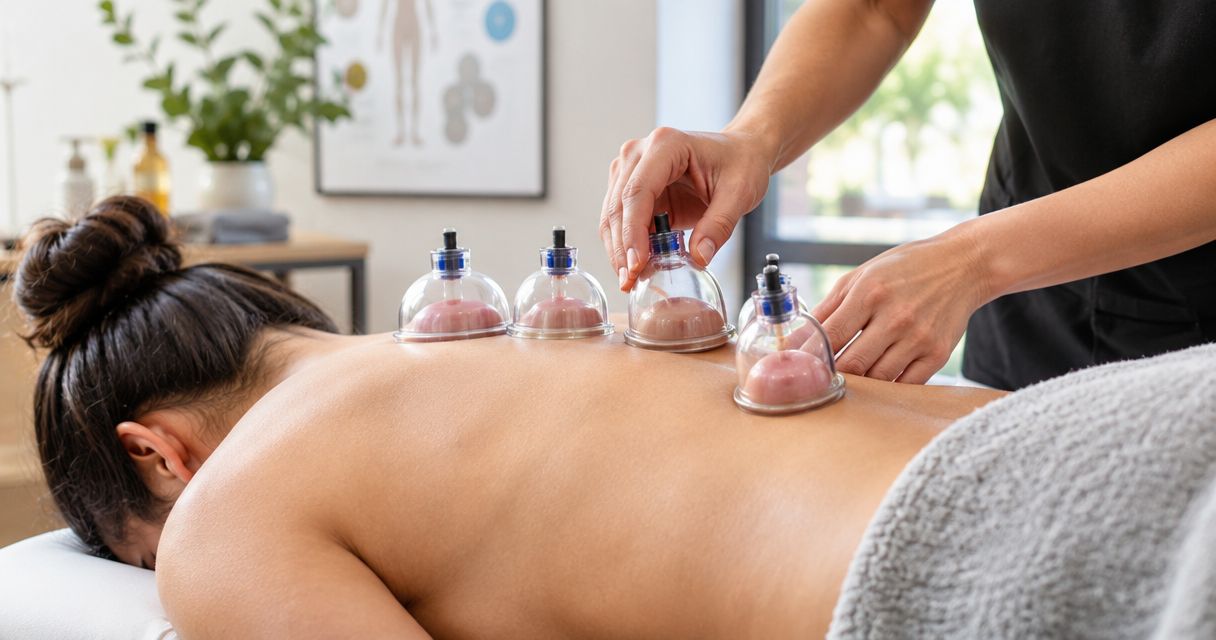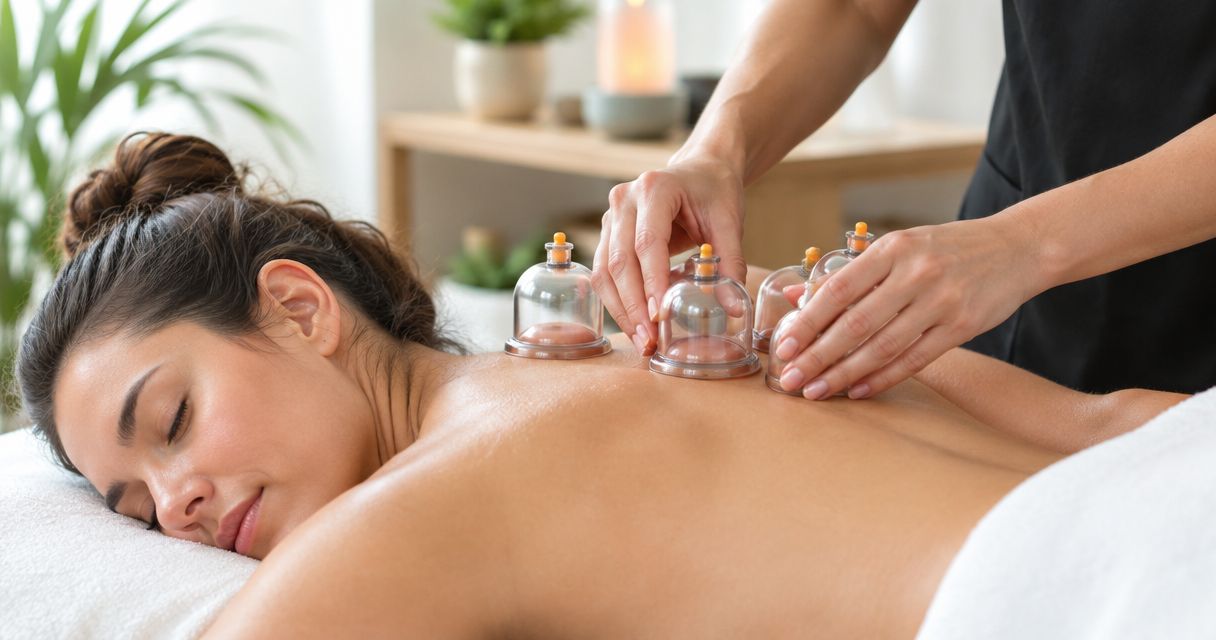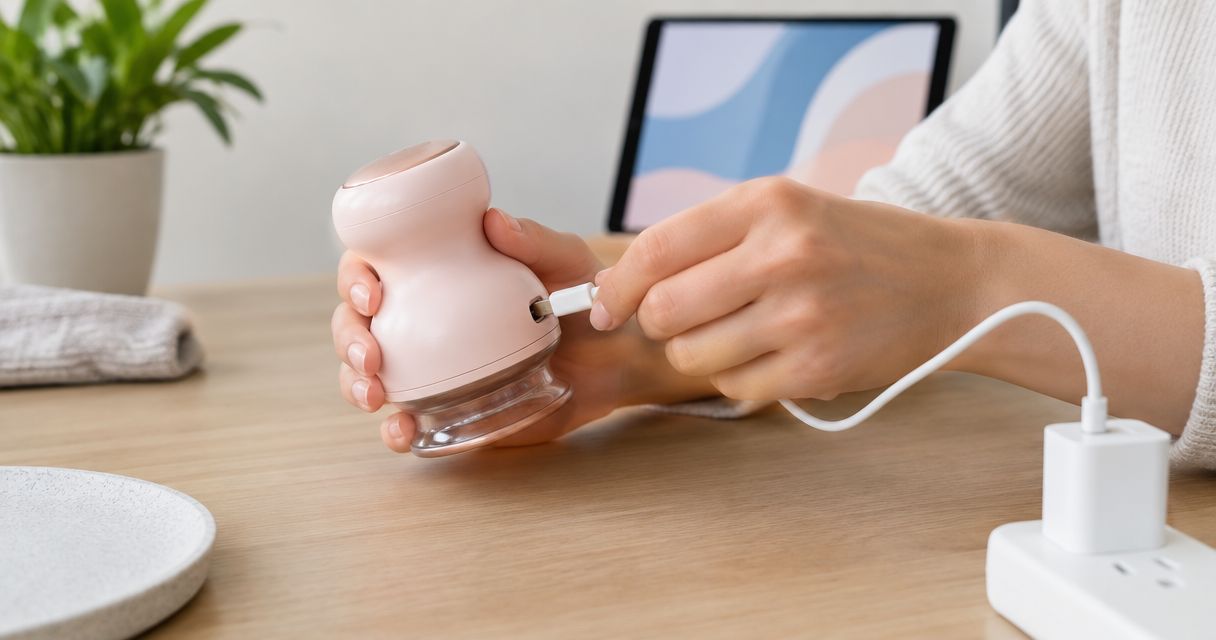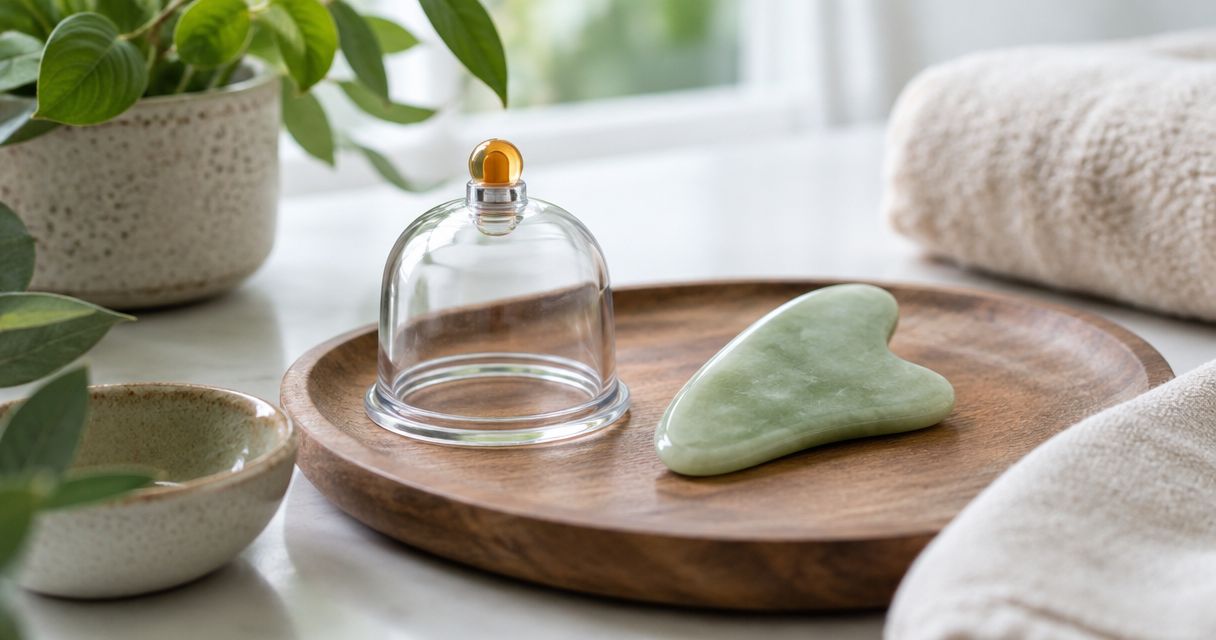
No—gua sha is not the same as cupping: gua sha uses a tool to press and stroke the skin, while cupping uses suction to lift it. Both appear in at-home recovery routines in 2026, but their techniques, sensations, and safety considerations differ. Neither treatment needs to leave marks to prove that it worked, and neither replaces assessment of persistent or unexplained pain.
- Is gua sha the same as cupping? No: gua sha applies pressure and strokes; cupping applies suction.
- Moving a suction cup across your skin is sliding cupping, not automatically gua sha.
- Vazocupping combines cupping, heating, massage, and gua sha in the handheld Vazo Slide.
- Choose at-home recovery tools by technique, intended use, and safety instructions—not by the darkness of skin marks.
Why this matters
Choosing between gua sha and cupping starts with understanding what touches your skin and how it applies force. A smooth scraping edge and a suction cup are not interchangeable, even when both move across the same area. That distinction affects how you use the tool, what sensations you expect, and when you stop.
For your 2026 recovery routine, separate a device's functions from its promised outcomes. Vazocupping sells a handheld device that combines these techniques, but combining functions does not make them the same treatment. Know which function you are using before you apply it to your body.
Is gua sha the same as cupping?
Gua sha and cupping are different techniques that can share a recovery routine. Gua sha applies contact pressure through a smooth-edged tool moved along the skin. Cupping creates a pressure difference inside a cup, drawing skin upward into it.
The practical comparison below applies in 2026 whether you use separate tools or a device with multiple functions. The mechanism—not the product label—determines which technique you are performing.
| Technique | How it works | Best for | Practical advantage | Limitation or drawback |
|---|---|---|---|---|
| Gua sha | A smooth-edged tool presses and strokes the skin | Understanding and practicing a pressure-based technique | You control the tool's direction and contact pressure | Excessive pressure or repeated strokes can irritate or injure skin |
| Stationary dry cupping | Suction holds a cup in one position | Understanding a suction-based technique without sliding | The cup stays over a selected area | Suction can cause marks, bruising, and discomfort |
| Sliding dry cupping | A suction cup moves over lubricated skin | Understanding a moving suction technique | It combines movement with suction | Friction and suction can irritate skin; it remains different from gua sha |
These are technique-based labels, not rankings of medical effectiveness. A method's convenience or feel does not establish that it treats an injury, reduces inflammation, or speeds recovery. Choose the technique only after checking whether it is appropriate for you and the area you intend to treat.
The easiest way to tell them apart
Ask what creates the contact force. If you press an edge against the skin and stroke it, you are using a pressure-based technique. If a sealed cup draws the skin into its opening, you are using suction.
Movement alone does not identify the method. A gua sha tool moves, but a suction cup can move too. Likewise, a handheld device's massage or heating function does not turn every pass across your skin into gua sha.
Gua sha: pressure and strokes
Gua sha uses a smooth edge in repeated strokes across lubricated skin. Traditional body gua sha and the gentle facial routines commonly called gua sha do not necessarily use the same intensity. Do not transfer instructions from a body treatment to your face simply because both use the same name.
The defining action is direct contact pressure. You guide the tool's angle, direction, and movement rather than relying on suction to hold it against the skin. That gives you control, but control also means you can apply too much force.
Best for: people specifically seeking a pressure-and-stroking technique. That describes the method's fit, not a promise of relief. If your goal is managing a painful condition, the diagnosis matters more than whether the tool is stone, metal, or part of a handheld device.
What gua sha can and cannot tell you
Redness or visible marks show that your skin has responded to the treatment. They do not measure muscle recovery or establish that a painful area has healed. Stronger pressure and more repeated passes are not proof of a better session.
Keep the distinction between sensation and outcome clear. A treatment can feel relaxing without resolving the cause of pain. Stop if you develop sharp pain, skin damage, or symptoms that feel different from the mild contact sensation you expected.
Cupping: suction, with or without movement
Dry cupping uses suction without deliberately cutting or puncturing the skin. A cup can stay in one position or move across lubricated skin. Both approaches rely on suction, even though sliding cupping can resemble a massage stroke.
Cups can create suction through different mechanisms, including mechanical or electrical systems. Traditional fire cupping uses heat during cup preparation and carries a burn risk. Do not assume that instructions for one type of cup apply to another.
Best for: people specifically seeking a suction-based technique. The practical advantage is that suction creates contact differently from a pressed scraping edge. The drawback is that excessive suction or inappropriate application can cause bruising, discomfort, and skin injury.
Dry cupping is not wet cupping
Wet cupping involves breaking the skin and introduces additional concerns, including bleeding and infection. It is not interchangeable with an at-home dry-cupping routine. Instructions for a consumer suction device do not authorize skin cutting or puncturing.
Keep home use within the manufacturer's intended method. Do not improvise procedures because another form of cupping uses them. If a treatment involves breaking the skin, seek qualified professional guidance rather than adapting a wellness device.
Why gua sha and cupping feel different
The sensation varies because the methods apply force differently. Your skin condition, treatment area, and application technique also affect what you feel. These differences explain why copying a routine from one method to the other is a poor starting point.
- Force direction: Gua sha presses against the skin; cupping draws the skin upward through suction.
- Movement: Gua sha uses strokes, while dry cupping can remain stationary or move across the skin.
- Application intensity: Scraping pressure and suction strength are different controls with different effects on skin.
- Lubrication and friction: A moving tool needs appropriate glide; dragging or catching increases irritation.
- Treatment area: Skin sensitivity and body contours affect contact, so instructions must match the intended area.
- Added functions: Heat or massage changes the experience but does not erase the difference between pressure and suction.
A stronger sensation is not a better result. Adjust your routine to the device instructions and your skin's response, not to a target level of discomfort. If you cannot identify the active technique, pause and review the instructions before continuing.
How should you choose between gua sha and cupping in 2026?
Choose by the technique you want to use and whether you can use it appropriately. Do not choose by social-media marks, athlete photos, or a claim that one method works for every kind of pain. Neither method is a universal recovery solution.
Use this sequence before starting a home routine:
- Name your goal. Distinguish a relaxation routine from an attempt to manage persistent pain, a recent injury, or another medical concern.
- Identify the technique. Decide whether you are seeking strokes and pressure, stationary suction, or sliding suction.
- Check suitability. Review the intended body areas, warnings, and relevant health considerations before treatment.
- Read the operating instructions. Use the manufacturer's guidance for application, controls, cleaning, and stopping—not a routine written for a different tool.
- Judge the response. Notice discomfort and skin changes rather than chasing marks or assuming more force means more benefit.
If pain is worsening, recurring, or affecting normal activity, assessment comes before choosing a tool. New weakness, numbness, unexplained swelling, or pain after a significant injury needs medical attention. A home recovery routine should not delay that step.
Where a combined handheld device fits
The Vazo Slide combines cupping, heating, massage, and gua sha in a medical-grade 4-in-1 handheld device. Its practical advantage is having the named functions in one device rather than treating them as unrelated purchases. Those functions still require their own appropriate technique and operating instructions.
Vazocupping is best for consumers who want cupping, heat, massage, and gua sha in one handheld device. That is a product-fit verdict, not a claim that combining functions produces better clinical results. The limitation is equally clear: multiple functions do not remove skin risks or replace evaluation of pain.
Before using the combined device, confirm the selected function and its intended application. Do not assume that a gua sha instruction applies to suction, or that adding heat makes an uncomfortable setting appropriate. More functions give you more choices, not permission to use every function together.
Can you use gua sha and cupping in the same routine?
Gua sha and cupping can belong to the same broader routine, but they remain separate techniques. Combining them does not automatically improve results. Repeatedly treating the same area also increases its exposure to pressure, friction, or suction.
Follow the device's instructions rather than creating your own sequence of increasingly intense treatments. If the skin is already irritated, bruised, or tender, adding another technique is not a sensible way to test whether the first one worked. Let skin condition guide the decision to stop.
Does sliding cupping count as gua sha?
Sliding cupping is cupping because suction remains the mechanism attaching the cup to the skin. Gua sha uses a pressed edge to stroke the skin. A similar movement does not make the two methods identical.
This distinction matters when reading instructions for a multifunction device. Check whether a pass uses suction, an edge, heat, or massage rather than calling every moving treatment gua sha. The active mechanism determines the relevant precautions.
Are cupping marks the same as gua sha marks?
Cupping marks and gua sha marks are not evidence that the treatments are identical. Suction and scraping pressure can both affect superficial blood vessels, but they apply force differently. Marks alone cannot tell you whether a recovery goal was achieved.
Do not use mark darkness as your progress measure. Track the problem you actually wanted to address, such as discomfort during an activity, and seek assessment if it persists. Skin damage is a reason to stop, not a milestone.
Safety comes before intensity
Both techniques can cause skin irritation or bruising when applied inappropriately. Avoid treating broken, infected, or actively irritated skin, and follow the tool's cleaning instructions. Sharing inadequately cleaned equipment adds an avoidable hygiene risk.
Get medical advice before use if you take blood-thinning medication, have a bleeding disorder, or have a condition that affects skin integrity or sensation. Pregnancy and recent surgery also require individualized guidance about treatment areas and suitability. Do not substitute a general online routine for that advice.
Heat adds another safety consideration. Reduced sensation can make it harder to recognize excessive heat, and an uncomfortable treatment should not be endured for the sake of finishing a session. Stop for burning, sharp pain, blistering, or other skin injury.
Start with the instructions, not with maximum intensity. If the instructions do not address your situation or intended body area, ask the manufacturer or a qualified clinician before proceeding. Guessing is not a recovery technique.
FAQ
Is gua sha the same as cupping?
No, gua sha and cupping use different mechanisms: gua sha presses and strokes the skin, while cupping uses suction. Sliding cupping involves movement but remains a suction-based technique.
What's better for an at-home routine, gua sha or cupping?
Neither technique is universally better for an at-home routine. Choose by the mechanism you want to use, the intended treatment area, the instructions, and your health considerations—not by claims of guaranteed recovery.
Does sliding a cupping device make it gua sha?
No, sliding a suction cup across the skin is sliding cupping. Gua sha relies on contact pressure from a smooth edge rather than suction.
Do I need bruises for gua sha or cupping to work?
No, visible bruises are not a required treatment goal or proof of benefit. Do not increase pressure or suction to create darker marks.
Can I use gua sha or cupping on irritated skin?
Do not apply either technique to broken, infected, or actively irritated skin. Follow the device warnings and get medical advice if you are unsure whether the area is suitable.
Can a handheld device offer both gua sha and cupping?
Yes, a handheld device can offer both functions while keeping their mechanisms distinct. Vazocupping's Vazo Slide combines cupping, heating, massage, and gua sha in a medical-grade 4-in-1 handheld device.
Should I use cupping instead of getting persistent pain checked?
No, cupping does not replace assessment of persistent, worsening, or unexplained pain. Seek medical attention for concerning symptoms rather than repeatedly treating the area at home.
One last thing
The most useful distinction for your 2026 routine is not whether a tool moves. It is whether the tool presses the skin or draws it upward with suction. Once you recognize that difference, product labels and demonstration videos become easier to interpret.
Before your next session, identify the active function, check the intended body area, and decide what would make you stop. That simple preparation matters more than copying another person's marks. Aim for an appropriate routine—not visible proof that you endured it.