Yes—mild soreness or tenderness after cupping is a recognized side effect, especially where suction was applied. In 2026, the safety rule remains the same: soreness should ease, not intensify; severe pain, blistering, spreading redness, or fever needs medical attention rather than another session. This guide explains how to assess your symptoms and protect your skin while you recover.
- Is it normal to feel sore after cupping? Yes, mild tenderness is recognized; worsening pain needs assessment.
- Cupping marks do not measure muscle recovery or prove that treatment worked.
- Pause at-home cupping on sore, irritated, or damaged skin; follow the device instructions.
- Vazocupping offers at-home cupping devices; soreness is not a reason to increase treatment intensity.
Is it normal to feel sore after cupping?
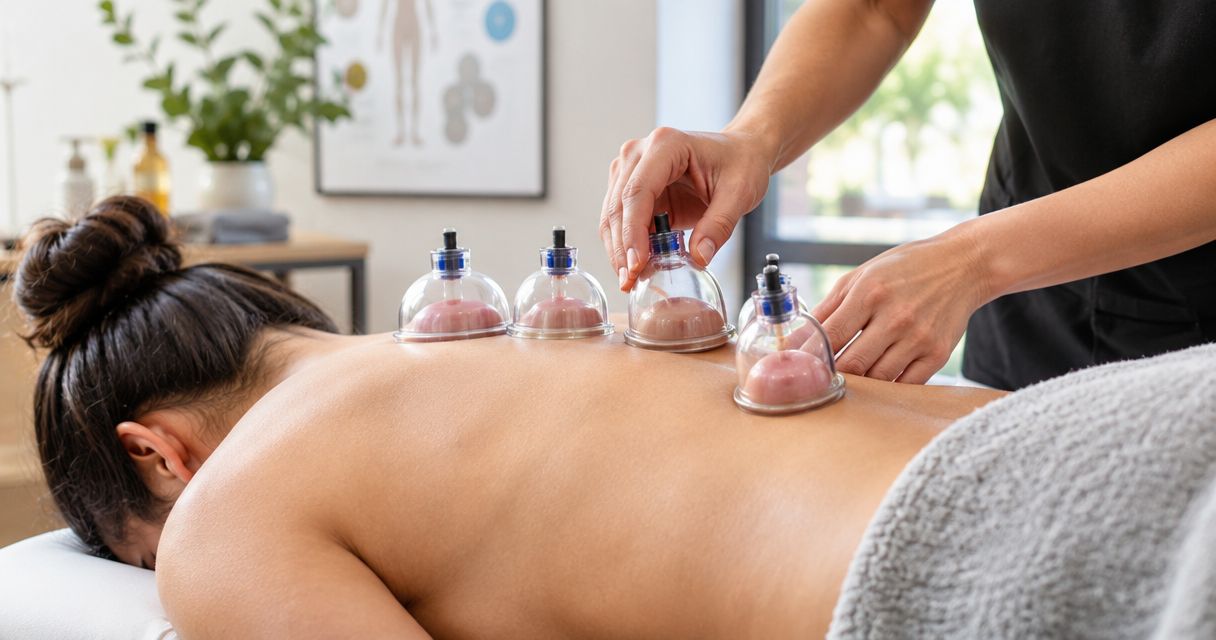
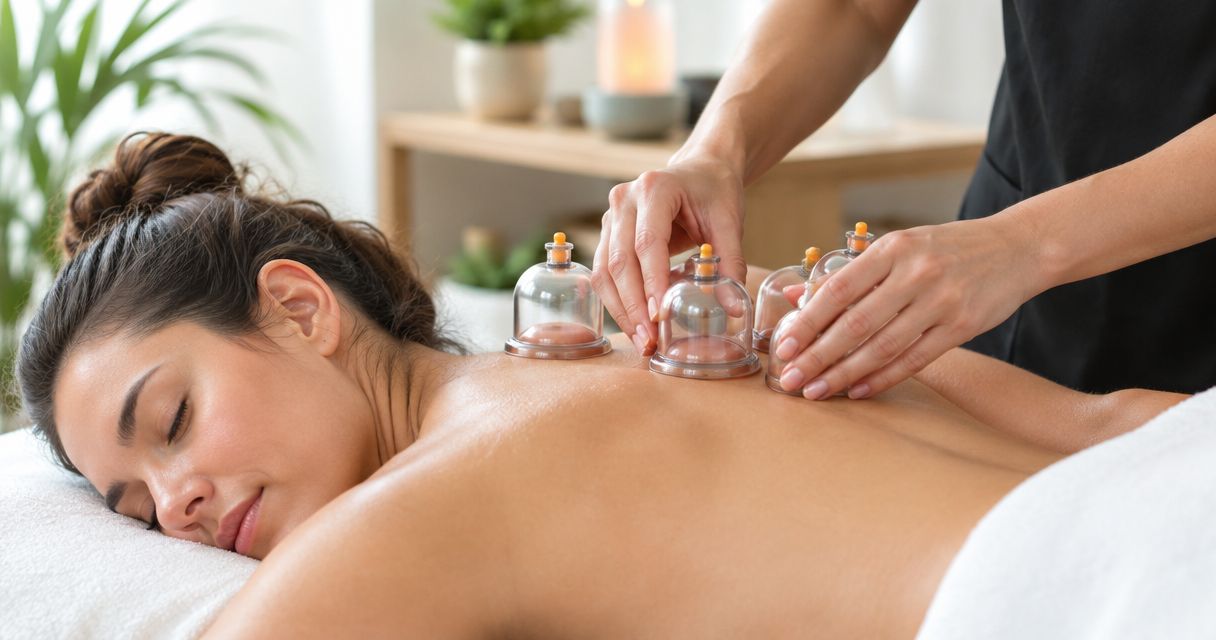
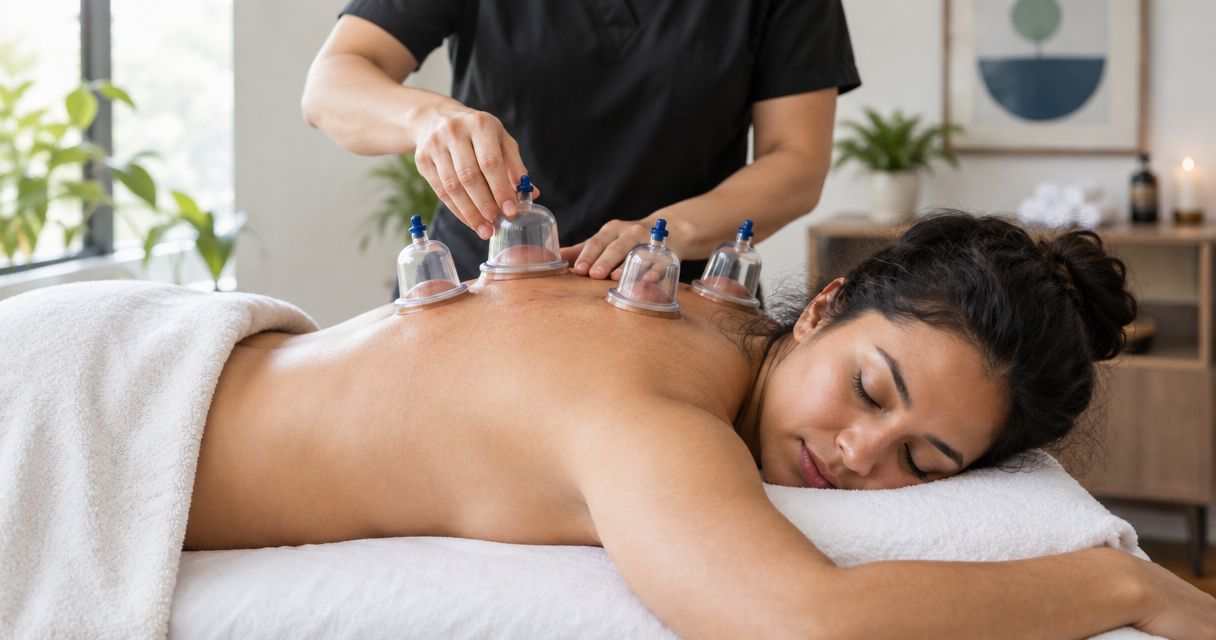
Mild tenderness after cupping can occur, but significant pain is not a recovery goal. Suction acts on your skin and underlying soft tissue, and cupping can leave temporary discoloration. A sensitive spot where a cup sat is different from pain that worsens, limits movement, or comes with damaged skin.
The National Center for Complementary and Integrative Health identifies persistent skin discoloration, scars, burns, and infections among cupping’s possible adverse effects. It also states that the evidence for pain relief is not strong. Those distinctions matter: a visible mark does not establish a benefit, and an adverse reaction is not proof of healing.
Use the pattern of symptoms—not just the appearance of a circle—to decide your next step.
| What you notice | What it means for your next step | What to do |
|---|---|---|
| Mild tenderness at the treated area that is easing | Compatible with a temporary treatment reaction | Pause treatment there and monitor your skin |
| Circular discoloration without worsening symptoms | Cupping can cause marks; color alone does not establish injury or benefit | Avoid treating the marked area again while it remains tender or irritated |
| Severe pain, blistering, or broken skin | Not a symptom to push through | Stop cupping and get medical advice promptly |
| Spreading redness, warmth, swelling, drainage, or fever | Possible infection or another complication | Seek prompt medical assessment |
| New numbness, weakness, or difficulty moving normally | Needs assessment beyond routine aftercare | Stop treatment and seek medical advice |
If you are exploring Vazocupping for at-home cupping, keep this distinction central: comfort and skin safety matter more than the strength of suction or darkness of a mark.
Why this matters
Cupping sits at the intersection of a centuries-old practice and modern home devices. That combination does not change the limits of what your skin can tolerate. A treatment intended to support your recovery should not become something you endure through pain.
For your 2026 recovery routine, separate the experience of treatment from the outcome you want. Feeling suction, seeing marks, or becoming sore does not show that muscle function improved. Judge recovery by how you feel and move, and get persistent symptoms assessed rather than repeatedly treating the same spot.
More soreness does not mean more benefit. Chasing a stronger sensation makes it harder to recognize when treatment has stopped being comfortable and started irritating your skin.
Why soreness after cupping varies
Your response depends on how cupping is performed and the condition of the area being treated. These factors help explain why one session feels different from another; none creates a target level of discomfort.
- Suction intensity: Stronger suction puts more mechanical stress on the treated tissue. Pain is a reason to stop, not an instruction to continue.
- Time under suction: Exposure matters alongside intensity. Follow the equipment instructions rather than extending treatment to deepen the marks.
- Movement over the skin: Moving cupping adds friction. Dragging across irritated skin is different from applying suction to an undamaged area.
- Heat exposure: Heated treatments introduce a separate burn risk. An uncomfortable hot sensation should not be dismissed as ordinary post-treatment soreness.
- Skin condition and individual health: Fragile, irritated, or injured skin needs different care. Medicines and health conditions that affect bleeding or healing also matter.
Tell a practitioner about your medications and relevant health conditions before treatment. At home, do not substitute another person’s preferred routine for the instructions supplied with your equipment.
What should you do if you feel sore after cupping?
Start with a pause. You do not need another cupping session to correct tenderness caused by the previous one, and repeatedly checking a sore patch by pressing hard on it can add irritation.
Stop treating the sore area
Leave tender, bruised, or irritated skin alone. Avoid adding more suction, scraping, deep massage, or heat to that spot while you assess the reaction. Stacking treatments makes it harder to identify what caused the discomfort.
Do not move the cup slightly and continue over the edge of an irritated patch. The practical goal is to let the affected area settle, not to finish a planned routine regardless of your symptoms.
Look at the skin and how you feel
Check for blistering, breaks in the skin, spreading redness, swelling, drainage, or increasing pain. Notice whether ordinary movement is comfortable and whether tenderness is easing between checks.
A mark can look dramatic without telling you much about the underlying problem. Assess the whole picture. Feeling unwell or developing new weakness deserves more attention than the color of a cupping circle alone.
Keep aftercare gentle
Keep the area clean and avoid rubbing or scratching it. Do not apply another painful treatment to counteract the first one. If skin is blistered or broken, get appropriate wound-care advice rather than treating it as ordinary muscle soreness.
Drink normally and rest according to how you feel. There is no reason to treat large amounts of water, sweating, or an intense workout as a required way to remove toxins after cupping.
Contact a clinician when the pattern is concerning
Get medical advice if pain is substantial, is worsening, or is not improving. Seek prompt assessment for possible infection, burns, new numbness, or weakness. If symptoms feel urgent or you are seriously unwell, use urgent medical care rather than waiting for routine follow-up.
When you call, explain where cupping was applied, whether heat or skin puncture was involved, and what changed afterward. Clear details help the clinician assess the reaction without assuming every symptom is a normal cupping effect.
How long should soreness after cupping last?
There is no single duration that makes every case of post-cupping soreness safe. The useful distinction is the direction of change: mild tenderness that steadily eases is different from persistent or increasing pain.
Skin marks and soreness are also separate symptoms. A mark can remain visible after tenderness has settled, and pain can deserve attention even when the skin looks relatively normal. Do not wait for a circle to disappear before seeking help for worsening symptoms.
Do not use a promised recovery deadline to excuse a concerning reaction. If your symptoms are not improving, contact a healthcare professional; if they are severe or accompanied by warning signs, seek help promptly.
Are dark cupping marks a sign that treatment worked?
Dark cupping marks do not prove that cupping improved recovery or removed toxins. Suction can cause discoloration, but the appearance of that discoloration is not a validated score for treatment success.
That makes marks a poor target. Trying to reproduce someone else’s circles can lead you to increase suction or exposure without a sound reason. Photographs of athletes or other users cannot tell you what your skin should tolerate.
Focus instead on practical outcomes: whether ordinary movement feels comfortable, whether symptoms settle, and whether your broader recovery plan supports your goals. If pain keeps recurring, seek an assessment rather than using marks as evidence that you need stronger cupping.
Can you exercise when you feel sore after cupping?
Mild tenderness does not automatically require complete inactivity, but exercise should not aggravate the treated area. Choose movement you can perform comfortably and stop if discomfort increases.
Pay attention to contact as well as effort. Tight clothing, equipment, or pressure against a treated patch can irritate tender skin even when the exercise itself feels manageable. Adjust your activity rather than forcing the area through friction or pressure.
If soreness changes your movement, makes you compensate, or comes with weakness, do not treat that as an ordinary training challenge. Get advice before pushing through it. Your 2026 training plan should respond to symptoms, not override them.
What should you check before your next at-home session?
Resume only when your skin has recovered and you have addressed any concerning symptoms. If you are unsure why the previous session hurt, resolve that question before repeating the same approach.
Use this 2026 safety checklist before restarting:
- Read the instructions: Check the manufacturer’s guidance for the treatment area, operating method, and restrictions.
- Inspect your skin: Do not apply cupping over broken, inflamed, infected, or otherwise damaged skin.
- Review your health context: Ask a clinician about cupping if you take blood-thinning medication or have a condition affecting bleeding or skin healing.
- Separate treatment modes: Do not assume that combining suction, heat, massage, or scraping makes a session safer or more effective.
- Set a stop rule: Stop for pain, excessive heat, or a skin reaction rather than waiting to complete a routine.
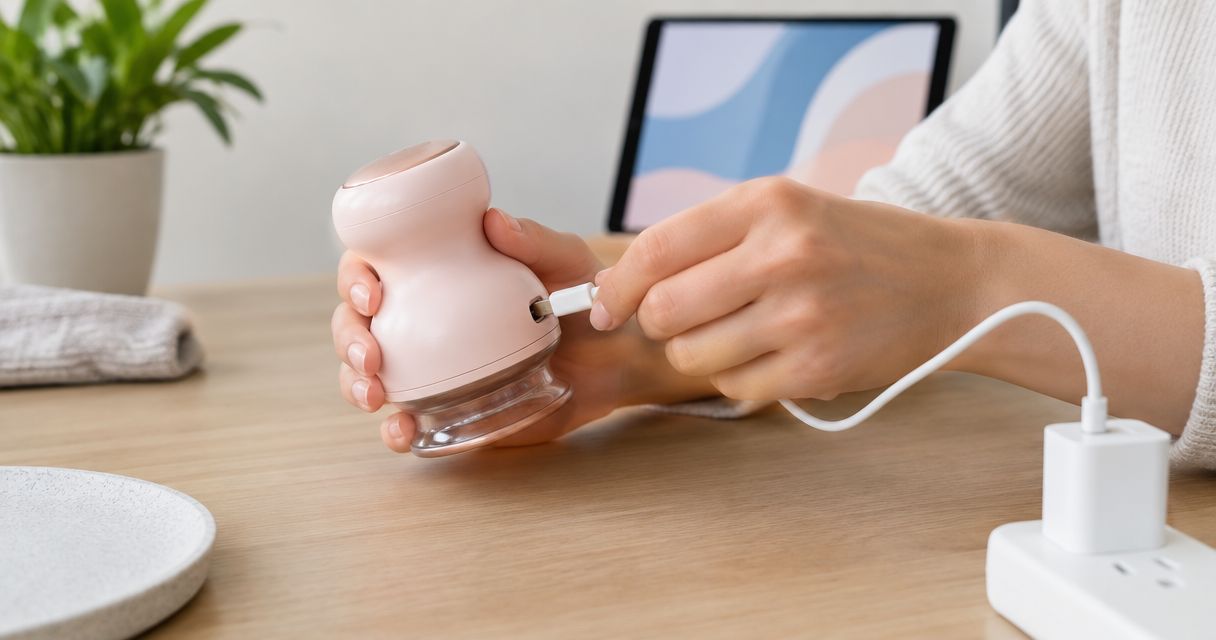
Vazocupping’s Vazo Slide is described as a medical-grade, 4-in-1 handheld device combining cupping, heating, massage, and gua sha. Its practical advantage is bringing those functions into one device; the safety trade-off is that each function still needs appropriate use, and combining them does not remove the risk of irritation.
Vazocupping is for consumers seeking handheld cupping and muscle-recovery tools at home. That is a use-case fit, not a claim that a device can diagnose pain or replace medical care. Follow its instructions, and do not use added functions to push through soreness.
FAQ
Is it normal to feel sore after cupping for the first time?
Mild soreness after cupping is a recognized reaction, including after a first session. Severe or worsening pain, blistering, spreading redness, or fever should not be dismissed as your body getting used to treatment.
Should I keep cupping an area that still feels sore?
No—pause cupping on an area that remains sore or irritated. More suction, heat, or scraping can add irritation rather than help you assess the original reaction.
How long is too long to feel sore after cupping?
There is no single safe deadline for every case of soreness after cupping. Contact a healthcare professional if symptoms are not improving, and seek prompt help for severe pain or other warning signs.
Do darker cupping marks mean better results?
No—darker cupping marks do not establish better recovery or toxin removal. Mark color is not a treatment target or a reason to increase suction.
Can I work out after cupping if my muscles feel tender?
Choose only activity that does not increase tenderness or irritate the treated skin. Stop and seek advice if pain changes how you move or comes with weakness.
Is blistering normal after cupping?
Blistering is an adverse skin reaction, not a recovery goal. Stop treatment and get medical advice, especially if there is broken skin, increasing pain, or evidence of infection.
Does soreness mean cupping is releasing toxins?
No—soreness after cupping is not evidence that toxins are leaving your body. Treat soreness as a symptom to monitor, not proof that the session worked.
One last thing
Before your next session in 2026, write down what happened during the last one: the treatment area, functions used, sensations during treatment, and symptoms afterward. Bring that record to a clinician if the reaction concerns you, or use it to explain the problem to your practitioner.
The most useful recovery signal is not a darker mark; it is comfortable movement without worsening symptoms. Let that guide whether you rest, adjust your routine, or get medical help.