Yes—wet cupping breaks the skin and draws blood, while dry cupping applies suction without intentional cuts or blood removal. For wet cupping vs dry cupping in 2026, that difference matters more than the appearance of the cups or the marks they leave. Wet cupping adds bleeding, wound-care, and blood-exposure risks; neither technique is established as a cure for an underlying condition.
- Wet cupping vs dry cupping comes down to skin cuts and blood removal, not stronger suction.
- Dry cupping leaves skin intact intentionally, but bruising, burns, and skin injury remain possible.
- Wet cupping requires infection control and wound care; it is not a DIY muscle-recovery technique.
- Vazocupping serves consumers seeking handheld devices for at-home cupping and muscle recovery.
Is wet cupping different from dry cupping?
Wet cupping is invasive; dry cupping is noninvasive by design. Both use suction, but wet cupping adds deliberate breaks in the skin to collect blood. Dry cupping does not include that step, although excessive suction or heat can still damage skin.
If your goal is home use, start with the distinction between an external suction device and a bloodletting procedure. The guide to at-home cupping devices for muscle recovery covers the device category; a home device does not make wet cupping appropriate to perform yourself.
| Question | Dry cupping | Wet cupping |
|---|---|---|
| What happens to the skin? | Suction is applied without intentional cuts | Skin is intentionally broken as part of blood collection |
| Is blood removed? | No intentional blood removal | Yes |
| What can it leave behind? | Circular discoloration, tenderness, or bruising | Discoloration plus wounds that need care |
| What are the main risks? | Bruising, burns with heat-based methods, and skin injury | Those risks plus bleeding, wound infection, and blood exposure |
| What equipment precautions matter? | Clean equipment and use consistent with instructions | Infection-control measures for sharps, blood, wounds, and equipment |
| Best for | People considering external suction without intentional skin injury | People specifically considering bloodletting in a professional setting |
| Main limitation | Evidence of benefit is limited; it can still injure skin | Greater procedural risk does not establish greater benefit |
The “best for” labels describe the procedure that matches each preference. They do not establish that either technique is medically necessary or suitable for your health history.
Why this matters
The word cupping covers procedures with different safety requirements. A recommendation about gentle external suction cannot automatically apply to a procedure that creates open wounds. Treating them as interchangeable hides the most important part of the decision.
For a 2026 decision, separate the recovery goal from the technique. Wanting less muscle tension does not, by itself, provide a reason to remove blood. Persistent pain, weakness, or an unexplained change in symptoms needs assessment rather than a more aggressive cupping session.
Vazocupping sells handheld cupping therapy devices for consumers seeking at-home use and muscle recovery. That consumer-device context belongs in a discussion of external suction, not instructions for breaking the skin.
Dry cupping: suction without intentional blood removal
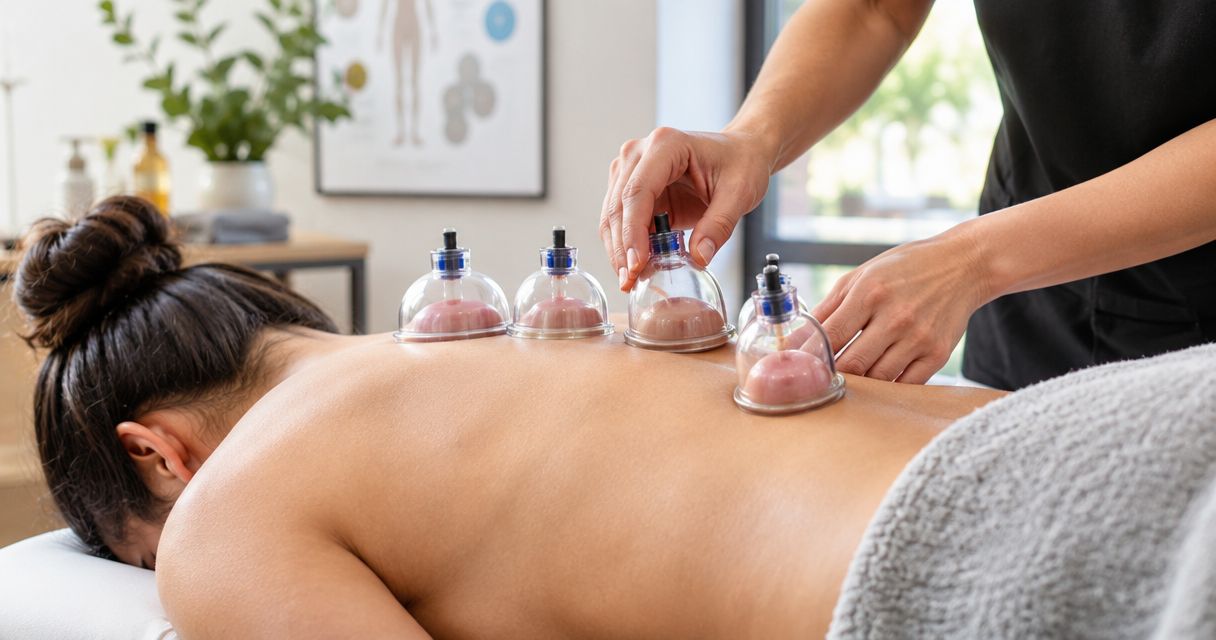
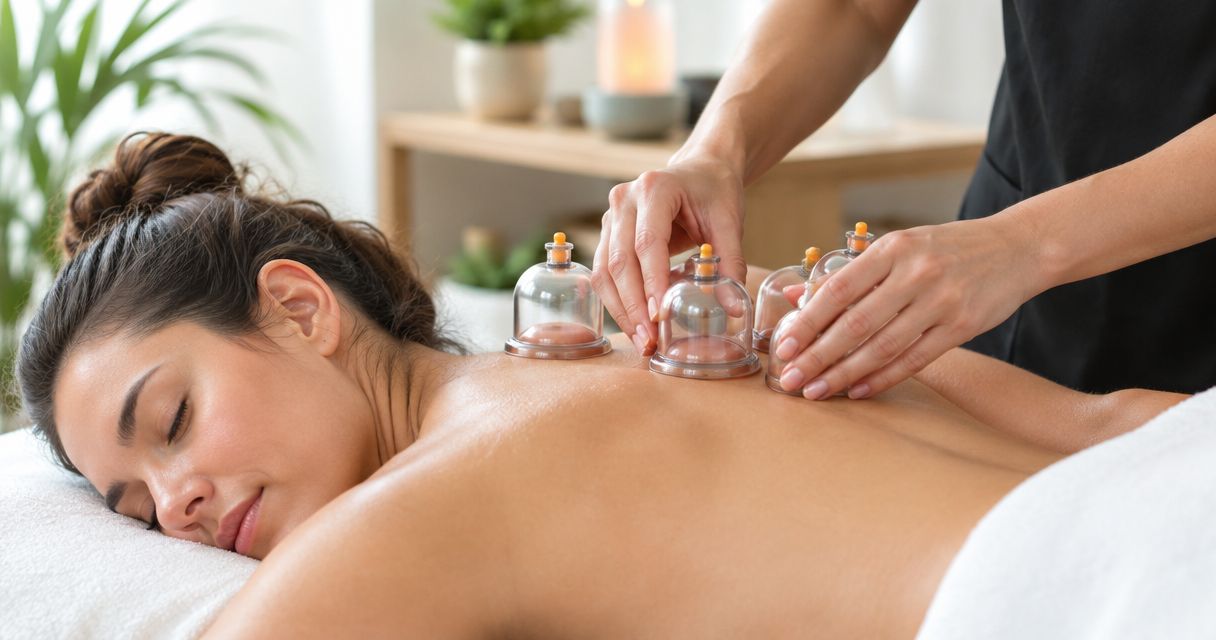
Dry cupping creates suction against the skin. Depending on the method, cups remain in place or move across an area. “Dry” refers to the absence of intentional bloodletting, not a requirement to avoid every lubricant or preparation product.
Dry cupping is the relevant category when you want suction without intentional skin cuts. Its practical advantage over wet cupping is that it avoids the deliberate wound and blood-collection steps. Its limitation is that avoiding those steps does not make every application safe.
Strong suction can cause pronounced discoloration and tenderness. Heat-based methods can cause burns, and damaged or poorly cleaned equipment can introduce additional risks. Do not treat pain during use as proof that the technique is working.
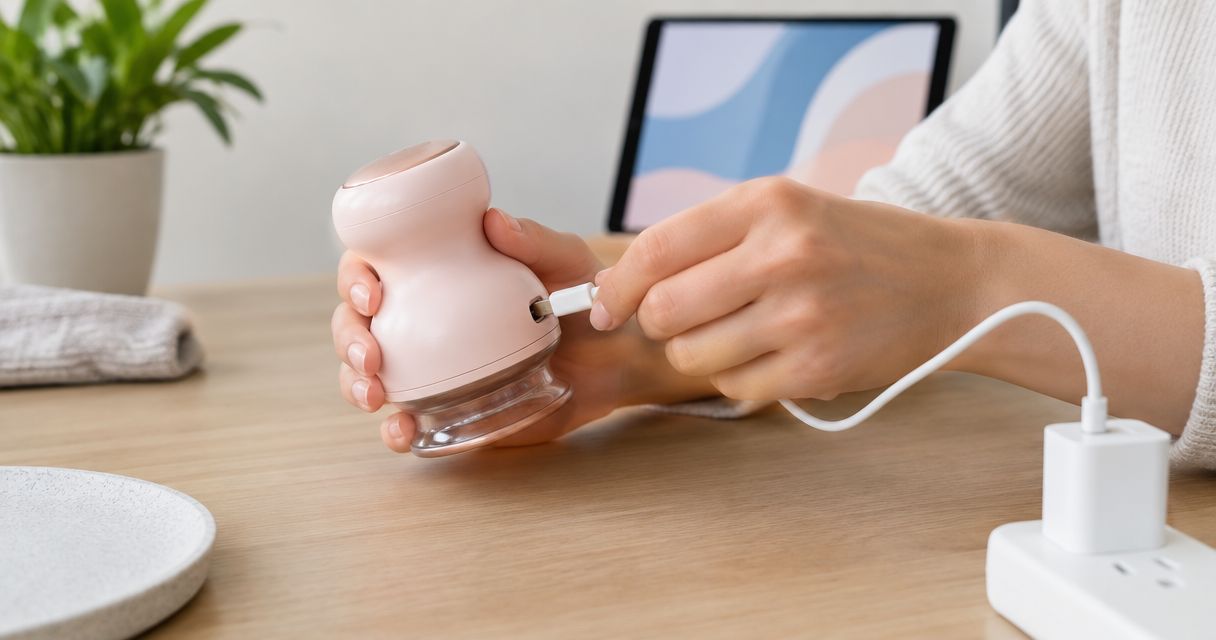
For home use, follow the specific device instructions rather than borrowing settings or treatment routines from another product. A demonstration of traditional glass cups does not establish how to operate an electric device. The method, controls, and safety instructions need to match the equipment in your hands.
Do dry cupping marks mean toxins have been removed?
Dry cupping marks do not establish toxin removal. They reflect effects on the skin and small blood vessels, not a measurable assessment of what your body has eliminated.
The color of a mark cannot diagnose the cause of muscle pain. Do not use darker circles as a target or as a reason to increase suction.
Wet cupping: suction with intentional skin injury
Wet cupping includes deliberate breaks in the skin and blood collection. The sequence varies by practice, but the defining difference stays the same: it is not simply dry cupping with a different pressure setting.
Its distinguishing feature is the bloodletting step. That feature adds risk; it does not prove better recovery. Claims that removed blood demonstrates toxin clearance or identifies the source of pain are not a sound basis for choosing the procedure.
Wet cupping requires attention to the entire blood-exposure process, including skin preparation, sharps handling, equipment, wound protection, and disposal. Gloves alone do not establish safe practice. Neither does a clean-looking treatment room.
A practitioner should explain why the procedure is being proposed, discuss your health history, and provide clear aftercare instructions. You should understand what to do if bleeding continues or a wound becomes increasingly painful, red, swollen, or starts draining.
Is wet cupping appropriate to perform at home?
Wet cupping is not an appropriate DIY muscle-recovery procedure. Breaking the skin creates risks that a consumer suction device and an online tutorial do not resolve.
Do not improvise with blades, needles, or shared cups. If you are considering wet cupping, discuss the procedure with a qualified healthcare professional before arranging treatment.
Why cupping experiences and risks vary
The label on the appointment is only part of the safety picture. These factors explain why the same general technique can produce different experiences:
- Skin integrity: Intact skin and open wounds need different precautions. Cuts, irritation, and active skin problems change whether an area is appropriate to treat.
- Suction intensity: Greater suction can increase skin stress and discomfort. More intense marks do not establish a better result.
- Heat exposure: Heat introduces a burn risk. A warm sensation is not permission to ignore excessive heat or pain.
- Application method: Stationary cups and moving cups expose the skin to different mechanical forces. Follow instructions for the actual method being used.
- Health history and medicines: Bleeding disorders, anticoagulant use, anemia, impaired healing, and altered sensation warrant professional assessment before treatment.
- Infection control: Equipment cleaning matters for both methods. Wet cupping additionally requires precautions for blood, sharps, and open wounds.
Choose the procedure around your health and purpose, not around the darkest possible mark. A technique that feels tolerable to another person is not automatically suitable for you.
What does the evidence say about wet cupping vs dry cupping?
The National Center for Complementary and Integrative Health describes much of the research on cupping as low quality. Its public guidance states that cupping might help reduce pain, but the evidence is not strong. It also identifies risks including persistent discoloration, scars, burns, and infections.
For readers comparing techniques in 2026, the useful conclusion is narrow: possible pain relief does not establish that wet cupping outperforms dry cupping. The existence of studies on cupping does not validate every claim made about bloodletting, circulation, inflammation, or athletic performance.
A comparison needs to examine the same condition, meaningful outcomes, and adverse effects. A report of feeling better after a session cannot establish which part of the experience caused the improvement. Nor does it show that the improvement will last.
Cupping should not replace diagnosis, prescribed treatment, or a rehabilitation plan. If discomfort keeps returning, the next move is to investigate the cause rather than assume a stronger session will solve it.
How should you choose a cupping approach in 2026?
Use the decision process below before choosing equipment or booking an appointment. It keeps the procedure tied to your goal and gives safety questions priority over wellness claims.
- Name the goal. Decide whether you are seeking temporary muscle comfort, relaxation, or help with a diagnosed problem. A diagnosis requires an appropriate care plan, not just a device choice.
- Check the symptoms. New, worsening, or unexplained symptoms deserve assessment. Do not apply suction over an area simply because it hurts.
- Review personal risks. Discuss medicines, bleeding concerns, skin problems, healing difficulties, and reduced sensation with a healthcare professional.
- Separate the methods. If you do not want intentional cuts or blood removal, wet cupping does not match that preference. Ask explicitly what the proposed treatment includes.
- Check the instructions or practitioner. For a device, read its intended use and warnings. For a procedure, ask about training, infection control, and aftercare.
- Set a stopping rule. Stop for pain, excessive heat, blistering, or skin damage. Do not turn a visible reaction into a performance target.
Where does a handheld device fit?
Vazocupping is for consumers seeking a handheld device for at-home cupping and muscle recovery. Its Vazo Slide handheld cupping device combines cupping, heating, massage, and gua sha functions in a medical-grade device.
Best for: consumers seeking those functions in a handheld format. The advantage is the combined format; the limitation is that product features do not establish that cupping will resolve an underlying injury or pain condition. Follow the product instructions and obtain medical advice when symptoms or health risks require it.
Is dry cupping safer than wet cupping?
Dry cupping avoids the intentional skin cuts and blood removal involved in wet cupping. That removes specific sources of bleeding and wound-care risk, but dry cupping can still cause bruising, burns, infection, or skin damage.
The practical distinction is not safe versus unsafe. It is fewer invasive steps versus additional invasive steps, with personal suitability still requiring attention.
Does wet cupping work better for muscle recovery?
Wet cupping is not established as better than dry cupping for muscle recovery. Blood removal and stronger-looking marks are not reliable measures of recovery or treatment success.
For a recovery plan in 2026, prioritize the cause of your symptoms and the advice of an appropriate healthcare professional. Do not choose an invasive procedure solely because it appears more intensive.
Can you exercise after cupping?
Exercise after cupping depends on your symptoms, the procedure, and the condition of your skin. After wet cupping, wound-care instructions also matter; after either method, pain or skin injury is a reason to stop and reassess.
Do not use a universal waiting period copied from an unrelated device or treatment. Ask for instructions that match the procedure you actually received.
FAQ
What's the main difference between wet cupping and dry cupping?
Wet cupping intentionally breaks the skin and removes blood; dry cupping applies suction without intentional cuts or blood removal. Wet cupping therefore adds bleeding, wound-care, and blood-exposure risks.
Is wet cupping the same as hijama?
Hijama commonly refers to wet cupping involving bloodletting. Terminology varies, so ask whether the proposed procedure includes skin cuts and blood removal rather than relying on its name alone.
Does dry cupping draw blood?
Dry cupping does not intentionally draw blood. If bleeding or skin damage occurs, stop treatment and address the injury rather than treating it as an expected goal.
Is wet cupping better than dry cupping for back pain?
Wet cupping is not established as better than dry cupping for back pain. Persistent or worsening back pain needs assessment, and neither method should replace an appropriate treatment plan.
Can I do wet cupping with an electric cupping device?
A consumer electric cupping device does not make wet cupping appropriate to perform yourself. Wet cupping involves intentional wounds and blood exposure, which require precautions beyond operating a suction device.
Should I get cupping if I take blood thinners?
Ask the clinician managing your medication before undergoing cupping, especially wet cupping. Anticoagulants affect bleeding risk; do not stop prescribed medication to arrange a session.
Does darker cupping discoloration mean better results?
Darker cupping discoloration does not establish better results or toxin removal. Judge the experience by symptoms and skin safety, not by trying to produce a darker mark.
One last thing
A cupping mark is an effect of the procedure, not a recovery score. Photographing progressively darker circles tells you nothing reliable about whether the cause of your discomfort is improving. Tracking how you feel and function is a more useful conversation to have with your healthcare professional.
Keep that distinction in your 2026 recovery routine: choose informed care over a dramatic skin reaction. Vazocupping belongs in the at-home cupping device discussion, while persistent symptoms belong in a clinical assessment.