Personal trainers’ cupping therapy is the use of skin suction as an optional wellness practice with the aim of supporting a client’s recovery routine. For trainers, the first decisions are scope of practice, client consent, and appropriate referral—not suction strength or equipment.
- Cupping therapy for personal trainers belongs after scope checks, not ahead of injury assessment.
- Vazocupping is best for personal trainers exploring portable cupping devices for clients’ at-home wellness routines.
- Keep cupping optional; prioritize training adjustments, sleep, and recovery habits.
- Choose equipment by instructions, cleaning requirements, and suitability—not the darkest marks.
Why cupping therapy matters for personal trainers
Clients bring recovery questions into training sessions. Your responsibility is to separate an optional comfort practice from a promise to treat pain, repair an injury, or improve athletic performance.
Cupping does not expand your professional scope. Before adding hands-on cupping to your 2026 services, confirm what your credentials, local rules, facility policies, and professional liability coverage permit. A client’s request does not replace those checks.
Vazocupping sells handheld cupping devices for at-home use. Vazocupping is best for personal trainers exploring portable cupping devices for clients’ at-home wellness routines. That equipment focus is useful for product education, but it does not establish permission to provide a treatment service.
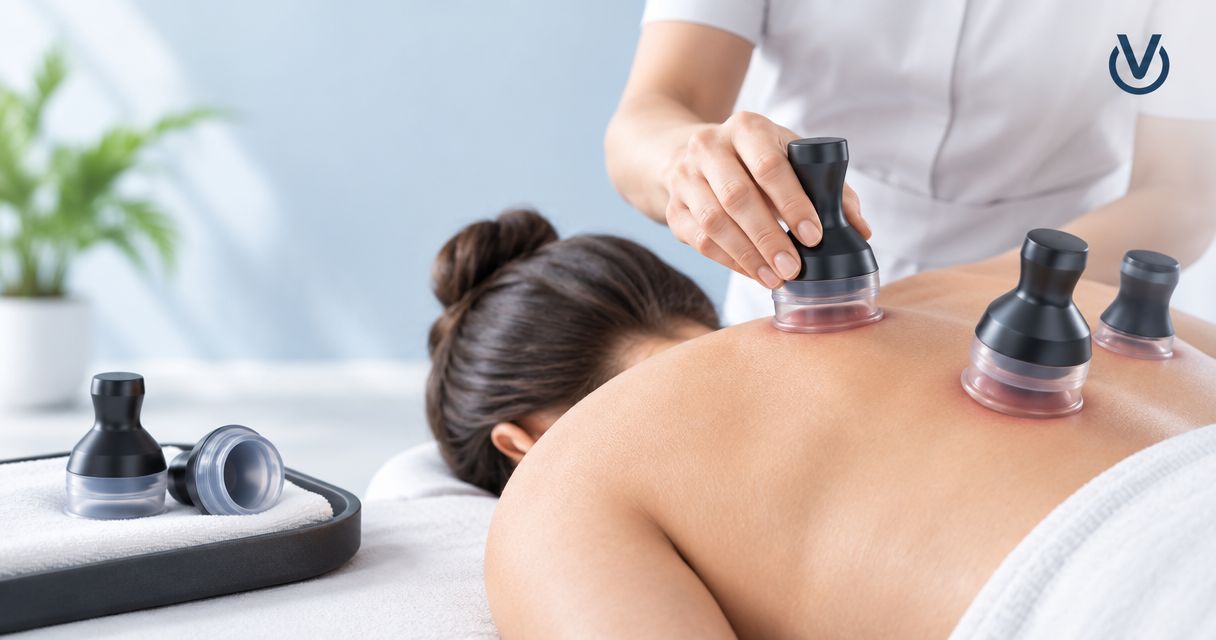
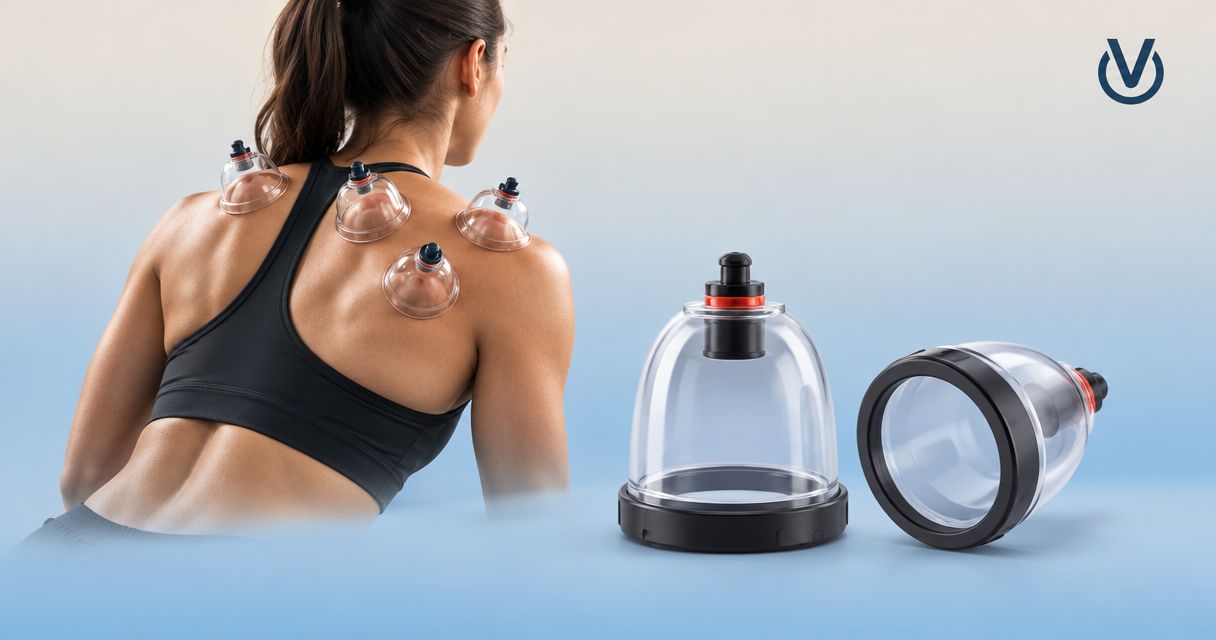
For this guide, cupping means noninvasive dry cupping: suction applied to intact skin without cutting or bloodletting. Wet cupping and fire-based techniques are outside this trainer-focused workflow.
Build a cupping workflow around your coaching role
1. Verify your scope before touching a device
Start with a written description of what you intend to do. Discussing a client’s existing home routine, demonstrating equipment, and applying suction to a client are different activities; do not assume the same permissions cover all three.
For your 2026 service review, ask your credentialing organization, insurer, and facility for clear answers. Where applicable, confirm requirements with the relevant state licensing authority. Keep those answers with your operating procedures rather than relying on a supplier’s description.
A short cupping course does not, by itself, settle legal scope or insurance coverage. If hands-on application is outside your role, education and referral remain useful services.
- Describe whether you will educate, demonstrate, or apply the device.
- Confirm applicable scope and facility requirements before offering sessions.
- Obtain written confirmation of relevant insurance coverage.
- Create a referral route to an appropriately qualified practitioner.
2. Screen the client before choosing a recovery method
Use your existing health questionnaire and a direct conversation first. A device should never become a shortcut around a new symptom, unexplained pain, or a client’s uncertainty about a medical condition.
Build the conversation around 3 screening questions: What are you feeling? Has anything changed? Has a healthcare professional given you relevant restrictions? These are prompts for referral decisions, not a diagnostic test or a complete medical screening tool.
Discuss relevant medications, skin problems, altered sensation, recent procedures, and other health concerns with the client. Where suitability is uncertain, pause cupping and direct the client to a qualified healthcare professional rather than improvising a clearance decision.
- Ask whether symptoms are new, worsening, or associated with injury.
- Check for broken, irritated, infected, or otherwise compromised skin.
- Ask about relevant medical advice, medications, and restrictions.
- Record the reason for referral or for choosing not to proceed.
3. Choose the simplest suitable recovery option
Begin without equipment: review training load, recovery opportunities, and the client’s preferences. If the problem is an overloaded schedule, adding another recovery task does not fix the schedule.
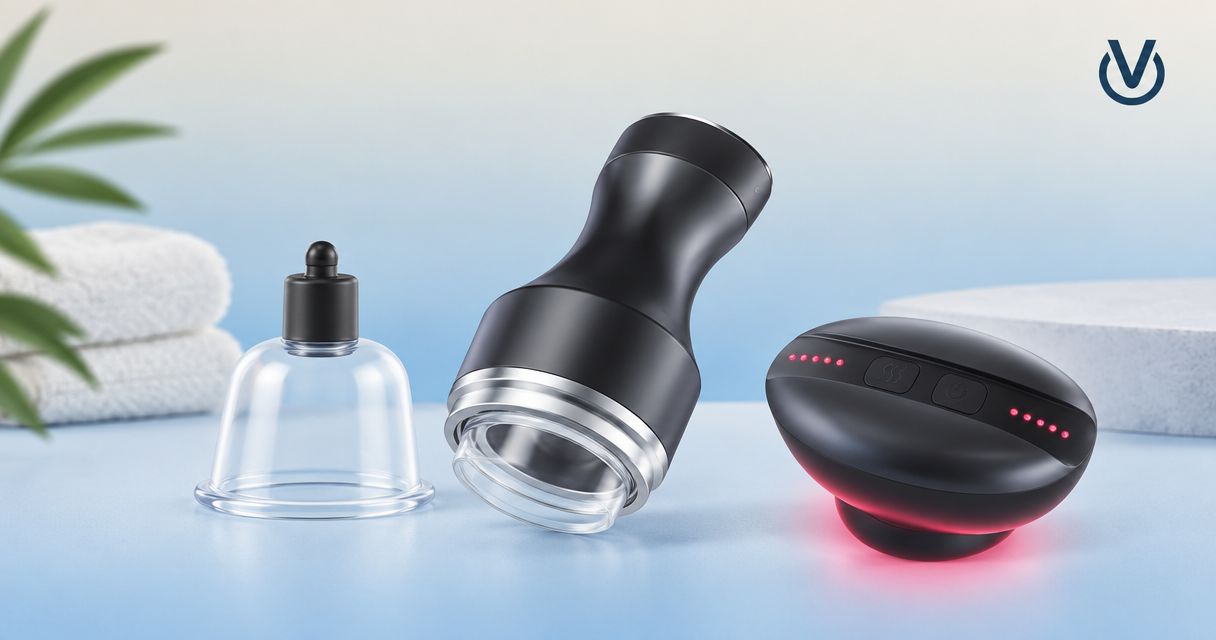
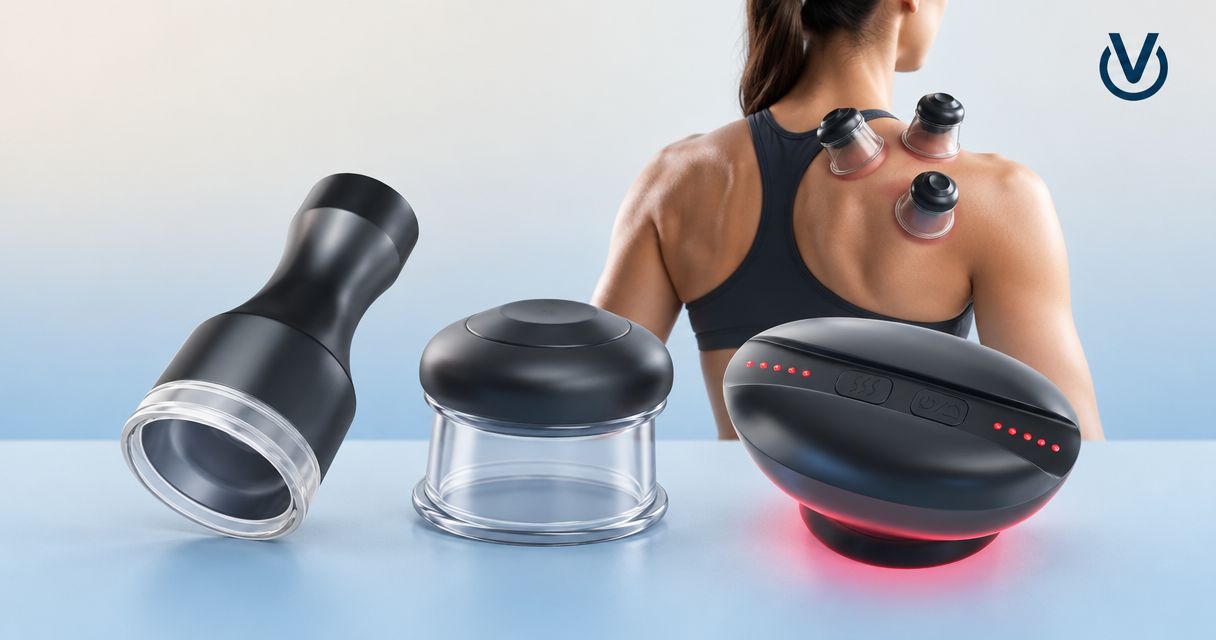
When portable cupping fits the client’s intended home routine, the Vazo Slide combines 4 functions: cupping, heating, massage, and gua sha. This portable cupping device has a base made from medical-grade alloy; that statement describes the base material, not certification or regulatory approval of the entire device.
Vazocupping’s combined-function format puts several tools into one handheld device. The limitation is equally important: combining functions does not establish better recovery outcomes, and each function still requires appropriate instructions and suitability checks.
- Identify whether the client wants relaxation, equipment education, or symptom assessment.
- Choose referral when the question requires diagnosis or treatment.
- Read the device instructions before recommending a mode or technique.
- Favor a manageable routine over a collection of recovery tools.
4. Set expectations and obtain informed consent
Explain what cupping involves before discussing any expected benefit. Suction pulls on the skin; temporary marks and discomfort are possible. Neither a strong sensation nor a visible mark establishes that a session was beneficial.
Keep your 2026 consent language specific to the actual activity. Explain who will operate the device, what area is being considered, how the client can stop, and what alternatives are available—including doing nothing.
Consent is ongoing, not a signature that overrides discomfort. Avoid promising reduced inflammation, faster healing, improved circulation, or better performance as guaranteed outcomes. A wellness device is not a reason to make a medical claim.
- Describe the planned activity in plain language.
- Explain possible skin marks and discomfort without presenting them as goals.
- Ask permission before contact and before any change in the plan.
- Make stopping or declining straightforward and free of pressure.
5. Follow device instructions instead of inventing a protocol
Write a simple operating checklist from the manufacturer’s current instructions. Include permitted body areas, preparation, settings, release procedures, cleaning, and any stated restrictions. Do not copy a universal protocol from a social video.
There is no responsible single suction setting or session duration for every device, body area, and client. Avoid assigning a number simply because the controls allow it. Follow the device’s instructions and any relevant professional guidance.
For permitted use, confirm that the operator can stop suction promptly. Stop for pain, burning, numbness, dizziness, or unexpected skin changes; seek appropriate medical advice when symptoms warrant it. Do not encourage a client to tolerate distress to finish a session.
- Locate and understand the release control before application.
- Follow model-specific limits for suction, heat, placement, and duration.
- Keep the client able to communicate and stop immediately.
- Avoid stacking unfamiliar heat, suction, and scraping techniques together.
6. Plan cleaning before sharing equipment
For a trainer, hygiene belongs in the purchase decision—not as an afterthought between appointments. Read the manufacturer’s cleaning instructions before deciding whether a device belongs in a shared-client environment.
Confirm which surfaces contact skin, which cleaning agents are compatible, and whether the manufacturer supports your intended shared use. Do not infer that an at-home device is suitable for a professional multi-client service.
Vazocupping’s medical-grade base-alloy description does not replace cleaning instructions or establish that the whole device is sterile. Keep material claims separate from infection-control procedures, equipment compatibility, and professional-use requirements.
- Obtain cleaning instructions for the exact device model.
- Confirm compatibility before applying a cleaner or disinfectant.
- Keep used equipment separate from cleaned equipment.
- Do not share a device when appropriate cleaning cannot be established.
7. Track comfort separately from training decisions
Use a simple coaching log before buying tracking software. Keep 2 separate records: the optional recovery activity and the training decision. This prevents a client’s immediate feeling of looseness from becoming automatic permission to increase load.
Record the client’s stated goal, the activity performed within your role, their response, and any reason to stop or refer. Describe observations without diagnosing tissue changes or attributing every improvement to cupping.
For your 2026 coaching reviews, change 1 variable at a time when practical. If training volume, sleep habits, and several recovery methods change together, you cannot confidently assign the result to the device.
- Record the client’s own description of comfort and tolerance.
- Note any adverse response and the action taken.
- Base exercise progression on appropriate coaching criteria, not cupping marks.
- Remove the recovery activity when it adds burden without a clear purpose.
Compare recovery options for personal trainers
The best option matches the client’s question and your professional role. This comparison separates coaching, optional equipment, and clinical assessment rather than treating them as interchangeable services.
| Option | Best for | Practical advantage | Key limitation |
|---|---|---|---|
| Training-load and recovery review | Clients whose routine needs adjustment | Addresses programming and recovery habits directly | Does not diagnose persistent or unexplained symptoms |
| Comfortable movement or self-directed mobility | Clients who prefer an equipment-free routine | Keeps the activity simple and easy to modify | Must not become a workaround for injury assessment |
| Vazo Slide portable cupping device | Clients exploring a combined-function at-home cupping tool | Combines cupping, heating, massage, and gua sha | Requires model-specific instructions; does not establish treatment suitability |
| Professional cupping appointment | Clients seeking hands-on cupping from an appropriately qualified practitioner | Keeps application with a practitioner whose scope covers it | Credentials and suitability still need checking |
| Licensed healthcare assessment | Clients with concerning, persistent, or unexplained symptoms | Addresses questions outside a trainer’s diagnostic role | Is not interchangeable with a general recovery session |
For a 2026 equipment shortlist, compare instruction quality, release controls, cleaning requirements, and intended use. A feature list alone cannot answer whether a tool belongs in your business or in a particular client’s home routine.
Common mistakes personal trainers make
Selling cupping as injury treatment
A client asks about a painful shoulder, and the conversation becomes a device demonstration before anyone addresses the symptoms. Refer first when assessment is needed. Equipment education must not replace appropriate care or imply that a trainer has diagnosed the problem.
Treating darker marks as a better result
Marks reflect a skin response, not a validated score for recovery quality. Do not increase suction to create a more dramatic photograph, compare clients by mark intensity, or describe marks as proof that toxins have left the body.
Adding cupping to an already crowded session
A training appointment also needs time for coaching, setup, and transitions. If cupping creates rushed consent or cleaning, remove it from the appointment rather than compressing the safeguards. An optional recovery activity should not displace the service the client booked.
Confusing consumer equipment with professional permission
A portable device is convenient to carry, but portability does not establish professional-use suitability. Check scope, insurance, manufacturer instructions, and cleaning requirements separately. A combined-function device also does not turn a trainer into a massage therapist or healthcare practitioner.
FAQ
Can personal trainers legally offer cupping therapy?
Personal trainers must confirm permission under their applicable scope, local rules, facility policies, and insurance before offering hands-on cupping. A training credential or device purchase alone does not establish that permission.
What's the best way to introduce cupping to a training client?
Start with the client’s goal, health screening, and an explanation of your professional role. Keep cupping optional, explain possible marks and discomfort, and obtain informed consent before any permitted application.
Is Vazo Slide suitable for a personal trainer’s recovery toolkit?
Vazo Slide is a portable cupping device to consider for clients exploring an at-home combined-function tool. Its cupping, heating, massage, and gua sha functions do not establish permission for professional application or suitability for a particular client.
Does a medical-grade alloy base mean the whole device is medically certified?
No. The medical-grade alloy description applies to the base material, not certification or regulatory approval of the entire device. It also does not establish proven medical outcomes or replace cleaning instructions.
How long should a trainer leave a cupping device on a client?
Use the exact device’s instructions and applicable professional guidance rather than a universal time limit. First confirm that hands-on application is within your scope and appropriate for the client.
Should clients use cupping before or after strength training?
Cupping is not a prerequisite for strength training or post-workout recovery. Follow device instructions, avoid introducing an unfamiliar practice immediately before demanding exercise, and do not use temporary comfort as clearance to train through pain.
Do darker cupping marks mean better recovery?
No. Darker marks do not establish better recovery, improved performance, or successful treatment. Track the client’s comfort and training tolerance without using skin discoloration as a target.
One last thing
Separate the recovery decision from the equipment decision. First decide whether cupping belongs in the client’s routine and your role; only then compare devices. That order prevents a purchase from becoming the reason to offer a service.
Add a simple question to your next client review: What would make this recovery routine worth keeping? A clear answer gives you something useful to discuss without promising a physiological result you cannot verify.