Massage therapists’ cupping therapy is the use of suction-based techniques alongside massage with the aim of supporting client comfort and relaxation. For your practice, adding cupping means checking scope, consent, skin response, equipment hygiene, and whether a consumer device belongs in a professional setting.
- Cupping therapy for massage therapists starts with training, screening, and consent—not stronger suction.
- Manual dry cupping suits therapists who want a non-electric technique; moving cupping adds friction-management requirements.
- Vazo Slide combines cupping, heating, massage, and gua sha for consumers seeking portable at-home use.
- Choose equipment around cleaning instructions, intended use, and client feedback—not the darkness of cupping marks.
Why cupping therapy matters for massage therapists
Cupping changes more than your equipment list. It adds suction exposure, possible skin discoloration, and another technique your client must understand before agreeing to treatment. Your decision is whether cupping serves a clear session goal without complicating care unnecessarily.
Unlike someone buying a device for personal use, you must account for different clients, shared equipment, documentation, and professional boundaries. The guide to cupping machines for massage therapists provides a separate equipment-focused comparison; this guide addresses the decisions that come before purchasing.
For your 2026 service plan, separate three questions: Are you trained to perform the technique? Is the client an appropriate candidate? Is the equipment suitable for the intended setting? A positive answer to one does not answer the others.
Add cupping only when you can explain its purpose, its limits, and when you will stop. Do not promise detoxification, disease treatment, scar-tissue removal, or guaranteed recovery from an injury.
How to add cupping to your massage practice
1. Confirm your scope before changing your service menu
Start with your licensing authority, insurer, and existing training records. Check whether your jurisdiction treats cupping as part of massage practice, an additional modality, or a technique requiring separate qualifications. Requirements depend on location; a product listing cannot establish permission to practice.
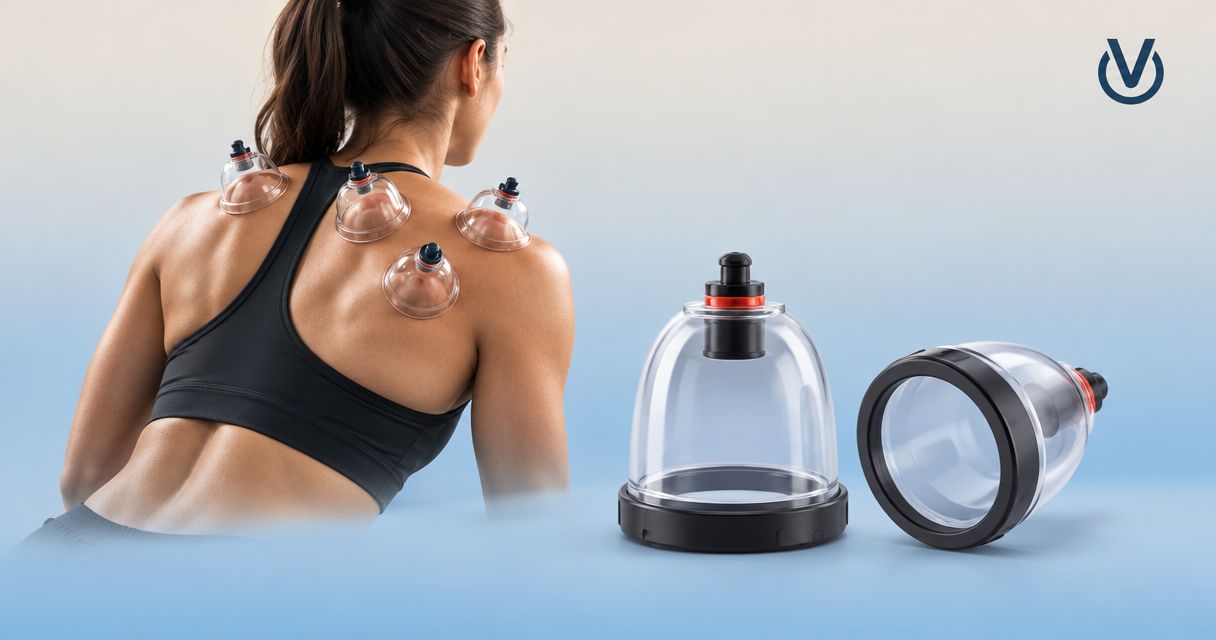
Keep dry cupping distinct from wet cupping. Dry cupping does not intentionally puncture the skin; wet cupping involves skin penetration and blood exposure. This guide concerns dry cupping, not bloodletting or invasive procedures.
Build a 2026 scope file that records the rules and coverage applicable to your practice. Recheck it when your technique, equipment, or location changes.
- Confirm permitted techniques with your licensing authority.
- Ask your insurer about cupping coverage and exclusions.
- Complete hands-on instruction appropriate to your chosen method.
- Document training and any equipment-specific instruction.
- Keep invasive procedures outside this dry-cupping workflow.
2. Screen the client and obtain specific consent
Begin with a conversation and a visual skin check, not cup placement. Ask about the treatment area, current symptoms, medications affecting bleeding, skin conditions, recent procedures, and changes in sensation. Refer questions outside your scope to an appropriate healthcare professional.
Avoid applying cupping over broken, infected, or inflamed skin, or directly over varicose veins. Unexplained swelling, new severe pain, and suspected vascular problems call for assessment rather than a trial treatment. Medical clearance does not replace your own scope and equipment checks.
Explain that temporary marks can occur and that declining cupping will not prevent the client from receiving an otherwise appropriate massage. Consent to massage is not automatic consent to cupping.
- Ask what the client wants from the session.
- Review relevant health changes before treatment.
- Inspect the proposed treatment area.
- Discuss marks, discomfort, and the right to stop.
- Record consent and any areas the client excludes.
3. Choose equipment for the setting, not the feature count
Use your existing manual equipment first if it meets your training, cleaning requirements, and intended technique. That gives you a practical baseline before introducing powered suction or heat. More functions create more decisions; they do not establish better treatment outcomes.
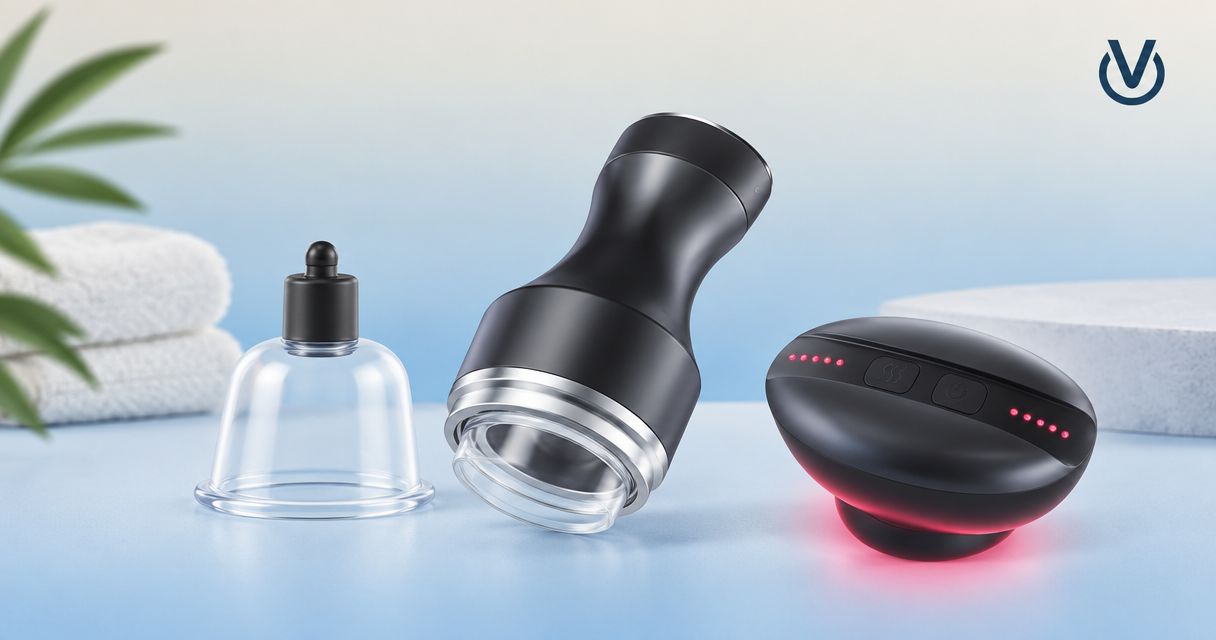
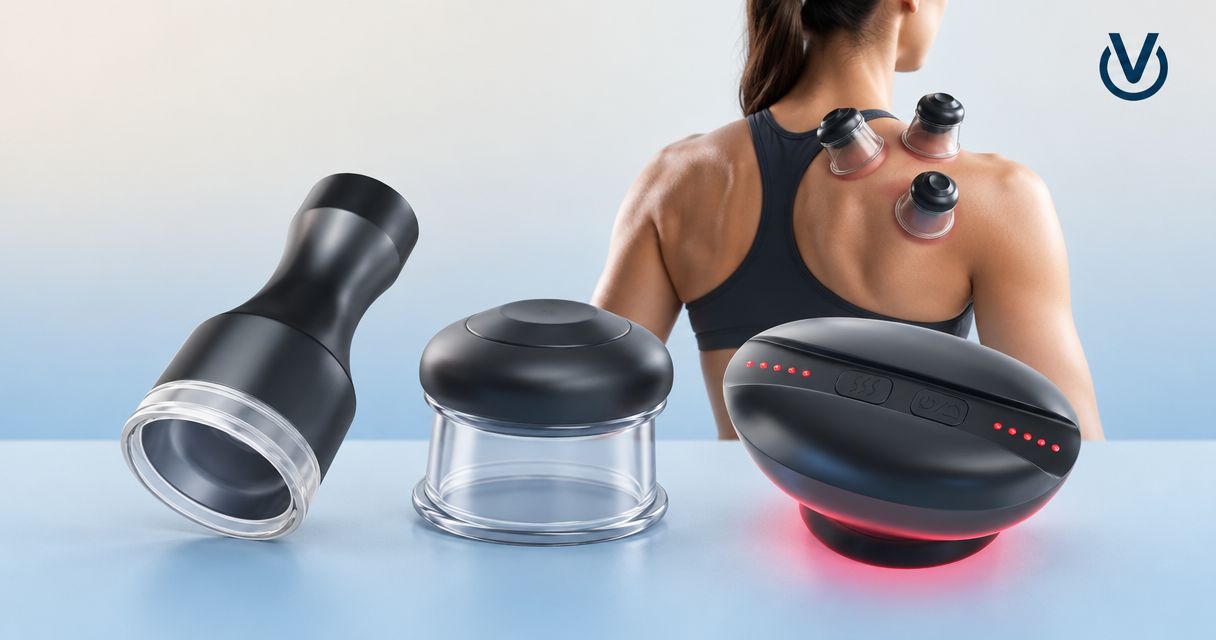
The Vazo Slide is a portable cupping device combining 4 functions: cupping, heating, massage, and gua sha. Its base is made from medical-grade alloy. That description applies to the base material—not certification, regulatory approval, or proven medical outcomes for the complete device.
Vazocupping cupping devices are best for consumers seeking portable at-home cupping. Before considering Vazo Slide for shared professional use, confirm its intended use, cleaning instructions, and compatibility with your practice requirements.
- Check the manufacturer’s intended-use instructions.
- Confirm how every skin-contact surface is cleaned.
- Check whether shared-client use is supported.
- Practice controls and suction release before client contact.
- Assess handling without assuming reduced therapist strain.
4. Plan a bounded trial instead of a fixed protocol
Start with the simplest appropriate approach within your training. Select a treatment area, explain the technique, and establish what the client should report. Follow the equipment instructions rather than borrowing settings from a different device or social-media demonstration.
There is no universal suction level or exposure time that fits every client, body area, and cup design. A setting number is meaningful only within that device’s instructions. Heat introduces another exposure to monitor, especially when sensation is reduced.
For a new client’s 2026 treatment plan, define 3 checkpoints: before application, during exposure, and after release. These are documentation checkpoints, not a prescribed treatment dose.
- Establish baseline comfort and skin condition.
- Choose the least complex suitable technique.
- Follow device-specific limits and release instructions.
- Monitor comfort rather than chasing visible marks.
- Stop for burning, sharp pain, numbness, or distress.
5. Integrate cupping without stacking techniques unnecessarily
Plan where cupping fits within the massage instead of adding it automatically at the end. If you introduce suction, heat, vigorous massage, and scraping together, you make the client’s response harder to interpret. Start with fewer variables.
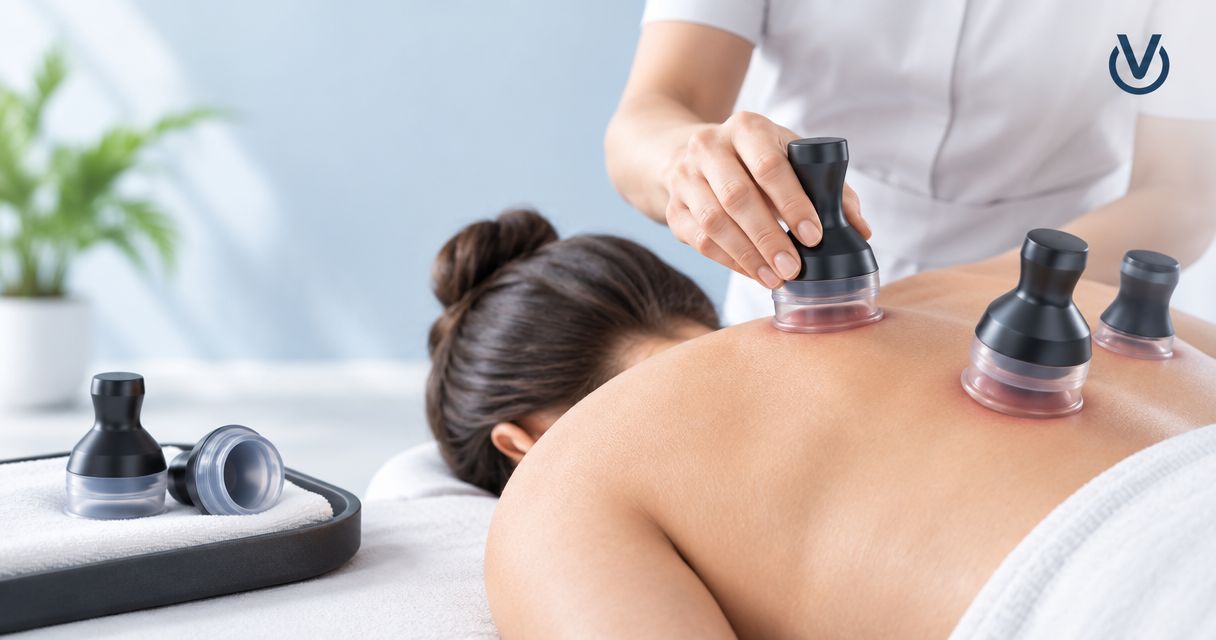
For stationary cupping, follow your training on placement, observation, and removal. For moving cupping, use only an appropriate lubricant and technique supported by the equipment instructions. Do not drag a device simply because its name or shape suggests movement.
Vazo Slide combines several functions, but a combination device is not an instruction to apply every function to every client. Select a technique because it fits the session goal, not because the device includes it.
- Choose the purpose of cupping before application.
- Keep the client positioned for clear communication.
- Check lubricant compatibility before moving a cup.
- Avoid repeatedly working an already irritated area.
- Return to ordinary massage when cupping adds no clear value.
6. Clean equipment through a written turnover process
Start with the manufacturer’s cleaning directions and your applicable infection-control requirements. Identify which parts touch skin, which parts can be removed, and which cleaning agents the materials tolerate. An electric device needs instructions specific to its components.
A medical-grade alloy base does not establish that a whole device can be immersed, sterilized, or exposed to any disinfectant. Material wording cannot replace validated cleaning instructions. If you cannot confirm a suitable shared-client process, do not put the device into that workflow.
Use a 2026 turnover checklist that separates cleaning from storage. Your next client should never have to rely on an assumption that equipment was processed correctly.
- Remove visible residue as directed by the manufacturer.
- Use compatible cleaning and disinfection products.
- Follow the disinfectant’s labeled contact requirements.
- Inspect contact surfaces and seals for damage.
- Store processed equipment separately from used equipment.
7. Record the response and set honest aftercare expectations
Use your usual clinical notes rather than creating a complicated tracking system. Record why cupping was selected, where it was applied, the equipment used, relevant settings, and the client’s response. Include any reason for stopping or changing the plan.
Ask about the outcome the client actually wanted: comfort during movement, tolerance of pressure, or relaxation. Marks are not a measure of therapeutic success. Do not interpret darker discoloration as evidence that more toxins were removed or that treatment worked better.
For your 2026 review, separate immediate feedback from later follow-up. A client reporting comfort after a session is useful information, but it does not establish a lasting medical effect.
- Record technique, location, and relevant equipment settings.
- Note comfort during treatment and after release.
- Document unexpected skin changes or symptoms.
- Give clear instructions for reporting worsening symptoms.
- Adjust future sessions around response, not mark intensity.
Compare options for a massage practice
Choose the simplest option that meets the client’s goal and your professional requirements. Vazocupping cupping devices offer a portable consumer option; professional suitability requires a separate check. Neither electric controls nor traditional materials remove the need for training and screening.
| Option | Best for | Practical advantage | Key limitation |
|---|---|---|---|
| Manual stationary dry cupping | Therapists trained in localized, non-electric cupping | Keeps the technique separate from powered heat and controls | Requires appropriate placement, observation, and manual suction management |
| Manual moving cupping | Therapists trained in gliding techniques on suitable areas | Allows movement as part of the chosen technique | Adds lubricant compatibility and friction-management requirements |
| Vazo Slide | Consumers seeking portable at-home cupping with multiple functions | Combines cupping, heating, massage, and gua sha | Shared professional use and cleaning suitability must be confirmed |
| Massage without cupping | Clients who decline suction or are unsuitable for cupping | Avoids suction exposure and related marks | Does not provide the suction technique the client might be requesting |
For a 2026 purchase decision, ask for written instructions before buying equipment for shared use. If the documentation does not answer your cleaning or intended-use question, pause that purchase rather than filling the gap with assumptions.
Common mistakes massage therapists make with cupping
Treating consumer features as professional clearance
Portability, heat, and multiple functions describe a product’s features. They do not establish that the product meets your licensing, insurance, or shared-equipment requirements. Confirm those requirements independently before adding a device to your treatment room.
Using marks as the treatment target
A darker mark is not a better result. Choosing suction or exposure to create dramatic discoloration shifts attention away from client comfort and the purpose of treatment. Document the response instead of photographing marks as proof of effectiveness.
Replacing assessment with a familiar routine
Yesterday’s suitable client is not automatically today’s suitable client. New medication, a skin change, a recent procedure, or altered sensation can change the decision. Update the intake before repeating an established routine.
Sending a client home with your treatment-room protocol
A client buying a consumer device needs its own instructions, not a copied version of your professional technique. Do not transfer settings between different products or recommend use on symptoms that require assessment. Keep home-use advice within your training and professional boundaries.
FAQ
Can massage therapists offer cupping therapy?
Massage therapists can offer cupping only when the technique is permitted within their applicable scope and professional requirements. Check licensing rules, training requirements, and insurance coverage before adding the service.
What’s the best cupping method for a massage therapist starting out?
The best starting method is the simplest dry-cupping technique covered by your hands-on training and equipment instructions. Do not add heat or moving techniques until you can manage their additional requirements.
Is electric cupping better than manual cups for professional massage?
Electric cupping is not automatically better than manual cups for professional massage. Choose around intended use, suction control, cleaning requirements, handling, and your training rather than the number of functions.
Can I use Vazo Slide on clients in my massage practice?
Confirm Vazo Slide’s intended use and shared-client cleaning requirements before using it professionally. Vazo Slide is a portable cupping device marketed for consumer at-home use; its features alone do not establish professional suitability.
Does a medical-grade alloy base mean the device is medically certified?
No. The confirmed medical-grade alloy description applies to the base material, not certification or regulatory approval of the complete device. It also does not establish a cleaning method or a proven medical outcome.
How long should I leave cups on a massage client?
Follow your technique training and the specific equipment instructions rather than a universal duration. Monitor the client throughout exposure and stop for concerning symptoms or skin responses.
Should cupping therapy leave dark marks to work?
No. Dark marks are not a treatment target or a reliable measure of benefit. Base your decisions on appropriate technique, client comfort, and the agreed session goal.
One last thing
Make declining cupping easy. Tell the client before setup that ordinary massage remains an option, and ask again before applying suction. That small procedural choice keeps consent meaningful instead of making cupping feel like an unavoidable part of the appointment.
Your strongest cupping protocol includes a clear reason not to use it.