Do not use a cupping device on a sunburn; wait until the affected skin has fully healed before considering cupping there again. Suction, added heat, and sliding friction can irritate damaged skin, and switching to a lower setting does not make sunburned skin an appropriate treatment area.
- Never use a cupping device on a sunburn, including skin that is blistering, peeling, hot, or tender.
- Vazo Cupping portable devices are for cupping routines, not sunburn treatment.
- Use gentle sunburn care instead of suction, heat, massage, or gua sha on the affected area.
- Seek medical help for extensive blistering, worsening pain, fever, dehydration, or signs of infection.
Can you use a cupping device on a sunburn?
No. Sunburned skin needs protection from further irritation, not a cupping session. This applies whether you planned to leave a cup in place, move a handheld device across the skin, or combine suction with heat.
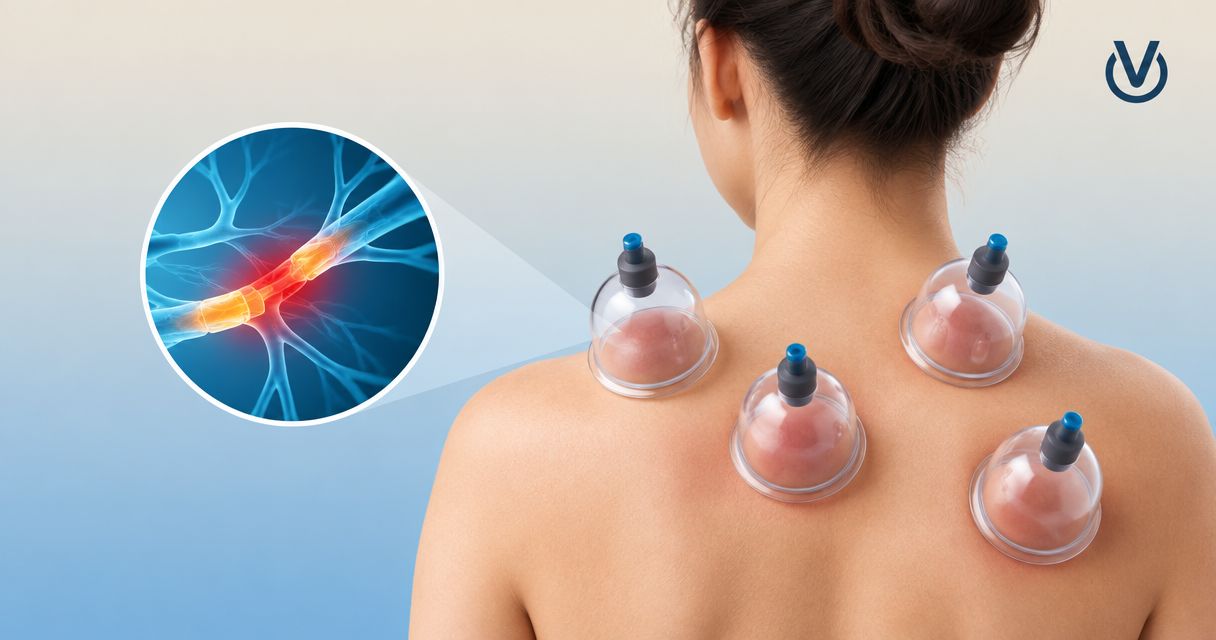
A sunburn is an ultraviolet injury to your skin. Cupping draws skin into a cup, while sliding techniques add friction across its surface. Neither action belongs on a fresh burn, a peeling patch, or a healing blister.
The same boundary applies to open or damaged skin more generally. See the guide to using a cupping device over broken skin before treating an area with scratches, cracks, or wounds.
| What your skin looks or feels like | Use cupping there? | What to do instead |
|---|---|---|
| Warm, sore, or visibly sunburned | No | Cool the area gently and protect it from sun exposure |
| Blistered, weeping, or open | No | Protect the skin and seek advice about burn care |
| Peeling, tight, or sensitive | No | Avoid pulling, scrubbing, and sliding tools |
| Apparently healed but still uncomfortable | Not yet | Wait and seek medical advice if discomfort persists |
| Fully healed and back to normal | Reassess suitability | Follow device instructions and any relevant medical advice |
Why this matters
Your recovery routine should respond to your skin's condition, not just the muscles underneath it. A sore shoulder after swimming and a sunburned shoulder are different problems, even when they occupy the same spot.
For your 2026 recovery routine, keep the distinction simple: muscle discomfort does not cancel out a skin injury. Treat the burn first rather than trying to work through it with a recovery tool.
Why cupping can irritate sunburned skin
Suction, heat, and movement create different stresses. Turning off one feature does not remove the others, so a heat-free session or a gentle glide is not a suitable workaround.
- Suction pulls on injured skin. Sunburn can make the surface tender and fragile. Pulling that skin into a cup adds mechanical stress where protection is the priority.
- Heating adds to discomfort. A heated device is not a cooling treatment. Avoid applying additional heat to skin that already feels burned or unusually warm.
- Sliding creates friction. Oil can reduce drag, but it does not repair a damaged skin barrier or make rubbing a burn appropriate.
- Blisters need protection. A cup rim, sliding motion, or scraping edge can disturb a blister. Broken blisters leave skin more vulnerable to infection.
- Cupping marks complicate monitoring. Cupping can leave discoloration. Adding marks to a burn makes it harder to distinguish the original injury from a new reaction.
These factors matter more than the label on the device. In 2026, an electric cup, a manual cup, and a multifunction handheld tool still share the same restriction: do not apply them to sunburned skin.
You also cannot judge suitability by color alone. On darker skin tones, a burn can be less visibly red; unusual warmth, tenderness, swelling, or peeling still deserves attention.
What should you do instead of cupping a sunburn?
Choose gentle sunburn care, not another intensive recovery treatment. The American Academy of Dermatology and NHS public guidance recommend cooling the skin, protecting it, and avoiding actions that further damage it.
These steps support comfort while the skin heals. They do not erase ultraviolet damage or turn a burn into a safe cupping area.
- Get out of the sun. Move indoors or into shade. Protect the affected area from further exposure with loose clothing that does not rub the burn.
- Cool the skin gently. Use a cool shower, bath, or damp towel. Do not put ice directly on the burn or scrub the area while washing.
- Moisturize gently. For intact sunburned skin, the American Academy of Dermatology recommends a moisturizer containing aloe vera or soy. Stop using a product if it stings or worsens irritation.
- Leave blisters and peeling skin alone. Do not pop, pick, scrape, or pull them. Ask a healthcare professional how to protect a blister that has opened.
- Drink water and monitor symptoms. Sun exposure and heat can contribute to dehydration. Seek medical advice if you feel unwell, cannot keep fluids down, or have symptoms beyond a mild localized burn.
- Ask about pain relief when needed. A pharmacist or clinician can help you choose an appropriate nonprescription medicine based on your health conditions and other medications.
Do not replace cupping with vigorous massage, gua sha, a massage gun, or aggressive foam rolling directly over the burn. Changing the tool does not change the condition of the skin.
The practical 2026 recommendation is to simplify your routine. Cool, protect, and monitor the area rather than stacking treatments onto an injury.
When can you use a cupping device after a sunburn?
Wait until the affected skin is fully healed and has returned to its normal condition. A fixed waiting period is not a reliable clearance rule because burns differ in severity and healing progress.
Before considering cupping on that area again, check for all of the following:
- No remaining burn-related warmth, swelling, or tenderness.
- No blisters, open areas, weeping, or scabs.
- No active peeling or raw-looking patches.
- No pain with ordinary washing, clothing contact, or gentle touch.
- No concerning change that needs medical assessment.
Passing this checklist is not a guarantee that cupping is suitable for you. If the burn blistered, covered a large area, became infected, or required medical treatment, ask your clinician before restarting cupping over it.
Do not use a test session to check whether the burn has healed
A brief session still applies suction. If you need to test whether the skin can tolerate a cup, postpone treatment instead of using discomfort as your measuring tool.
Likewise, moisturizer can make peeling skin look smoother without resolving the underlying sensitivity. Judge recovery by the skin's condition, not by whether a device can slide across it.
Once the skin has recovered, follow the manufacturer's instructions rather than inventing a gentler sunburn protocol. For 2026 at-home use, recovery from the burn comes before choosing a setting, attachment, or technique.
Does the type of cupping device change the answer?
No device feature makes active sunburn a suitable cupping surface. Portability, heating controls, and base materials describe a product; they do not establish that it can treat injured skin.
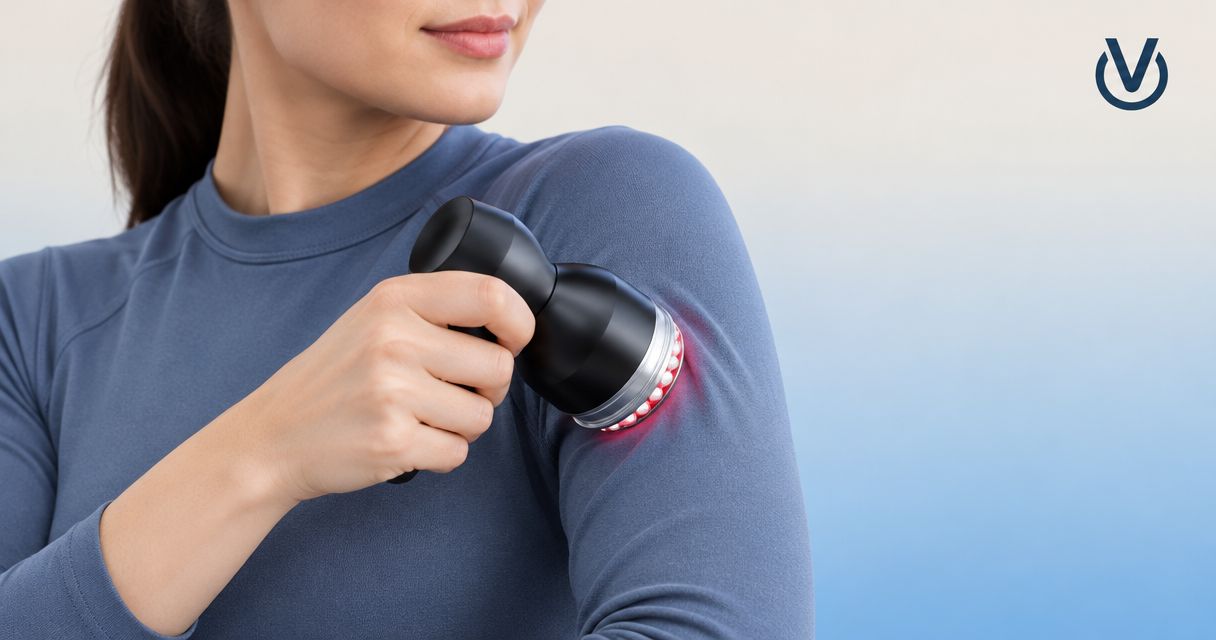
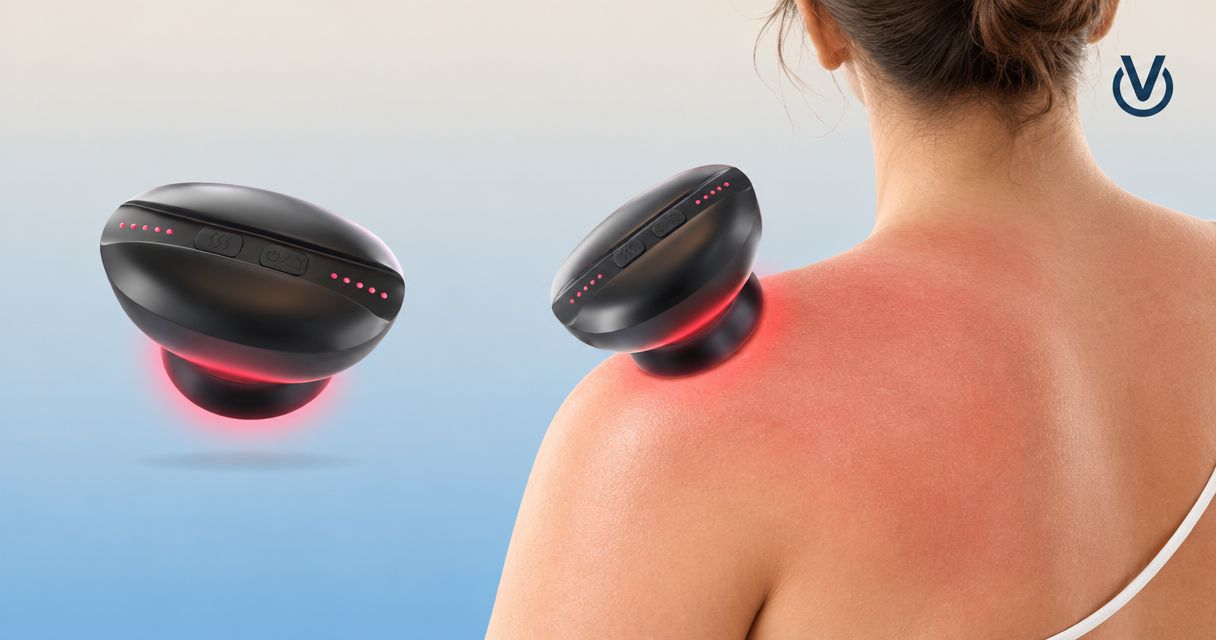
Vazo Cupping offers 2 portable cupping devices discussed here: Vazo Slide and Vazo Lume. Both have a base made from medical-grade alloy; that description applies to the base material, not certification of the whole device or proof of a medical outcome.
| Portable cupping device | Relevant distinction | Best fit for consideration | Sunburn limitation |
|---|---|---|---|
| Vazo Slide | Larger device with 4-in-1 cupping, heating, massage, and gua sha functions | Consumers seeking those functions in a handheld device, when use is otherwise appropriate | Do not use on sunburned skin, including with heat switched off |
| Vazo Lume | Smaller portable cupping device | Consumers who prefer the smaller device format, when use is otherwise appropriate | Smaller size does not make it suitable for a burn |
The Slide combines 4 functions, but those functions are not a sunburn-care sequence. In particular, neither massage nor gua sha is an appropriate substitute for suction over damaged skin.
Vazo Cupping portable cupping devices are for consumers seeking at-home cupping, not people seeking sunburn treatment. Their practical appeal is a handheld format; their relevant limitation here is that neither device belongs on injured skin.
Can you cup a different area if only part of your body is sunburned?
An unaffected area is not automatically ruled out by a small burn elsewhere, but you still need to assess your overall condition and follow the device's instructions. Do not treat skin that is burned, unusually warm, tender, blistered, or peeling.
Check the entire area the cup will touch, including the path of any sliding movement. A normal-looking patch beside a burn does not help if the cup rim or glide path crosses injured skin.
Skip the session and seek advice if you feel feverish, dizzy, nauseated, or dehydrated. A recovery session is not the priority when sun exposure has left you unwell.
Can cupping help a sunburn heal faster?
Do not use cupping to speed sunburn healing. It is not an established sunburn treatment, and claims about circulation or muscle recovery do not demonstrate a benefit for ultraviolet-damaged skin.
Temporary warmth, tingling, or darker marks after cupping are not proof that a burn is healing. They are reasons to stop adding stimulation and reassess the skin.
What if you already used a cupping device on a sunburn?
Stop the session and remove the device using its normal release method. Do not drag an attached cup across the burn or repeat treatment to see whether the discomfort settles.
Gently inspect the area for new blistering, torn skin, bleeding, or worsening pain. Use gentle sunburn care if the skin remains intact, and get medical advice for a new wound, significant pain, or an uncertain burn.
Seek prompt medical care for extensive blistering, worsening swelling, pus, spreading redness, fever, or signs of dehydration. Confusion, collapse, or suspected heatstroke requires emergency help rather than another home treatment.
FAQ
Can I use a cupping device on a sunburn if it is only mild?
No. Even a mild sunburn is injured skin, and suction or sliding friction can add irritation. Wait until the affected area has fully healed.
Is cupping safe on sunburned skin with the heat turned off?
No. Turning off heat does not remove suction, cup-edge pressure, or friction. Do not use the device on the burn.
Can I use a cupping device while my sunburn is peeling?
No. Active peeling means you should continue protecting the area from pulling and rubbing. Do not use cupping to remove loose skin.
How many days after a sunburn can I start cupping again?
There is no fixed waiting period that clears every sunburn for cupping. Wait until the skin is fully healed, without tenderness, unusual warmth, blisters, open areas, or peeling, and seek advice after a significant burn.
Does aloe vera make cupping over a sunburn safe?
No. Aloe-containing moisturizer can soothe intact sunburned skin, but it does not make suction or sliding treatment appropriate. Use it for gentle skin care, not as permission to cup the area.
Can I use gua sha instead of cupping on sunburned shoulders?
No. Gua sha adds pressure and friction to injured skin. Avoid scraping or massaging the affected shoulders until the skin has fully recovered.
When should I get medical help for a sunburn?
Get medical advice for extensive blistering, severe or worsening pain, fever, dehydration, or signs of infection. Confusion, collapse, or suspected heatstroke requires emergency help.
One last thing
Cooling the skin is not the same as healing the skin. A cool shower or soothing moisturizer can reduce discomfort while the area remains unsuitable for cupping.
Keep that distinction in your 2026 recovery routine: feeling better is a reason to continue gentle care, not a signal to restart suction. Let the skin recover before returning to the muscles underneath it.