Yes—cupping can cause injury, and new numbness, tingling, burning, or weakness after treatment needs attention because these symptoms can signal nerve involvement. Those symptoms do not automatically mean permanent nerve damage, but they are a reason to stop cupping rather than increase suction or repeat treatment. This 2026 guide explains the warning signs, when to seek care, and how to avoid treating a nerve problem as ordinary muscle soreness.
- Cupping therapy nerve damage concerns require attention: stop treatment for new numbness, tingling, burning, or weakness.
- Circular cupping marks do not diagnose nerve damage; changes in sensation and movement need separate assessment.
- Vazocupping portable cupping devices are for at-home wellness routines, not diagnosing or repairing nerve injuries.
- Sudden weakness with facial drooping or speech difficulty is an emergency; call 911.
Can cupping therapy cause nerve damage?
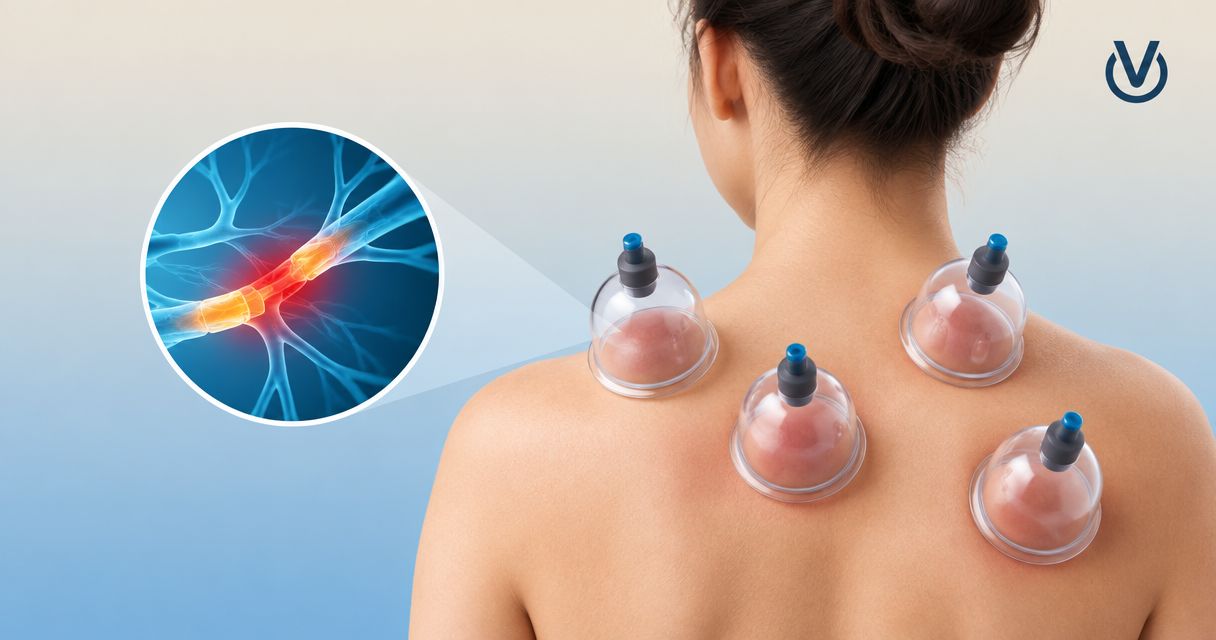
Nerve injury is a possible complication, not something you can diagnose from a cupping mark. Suction, tissue irritation, and excessive heat can cause harm, while numbness or weakness also has causes unrelated to the treatment. A clinician needs to assess the symptoms before you attribute them to cupping—or dismiss them as harmless.
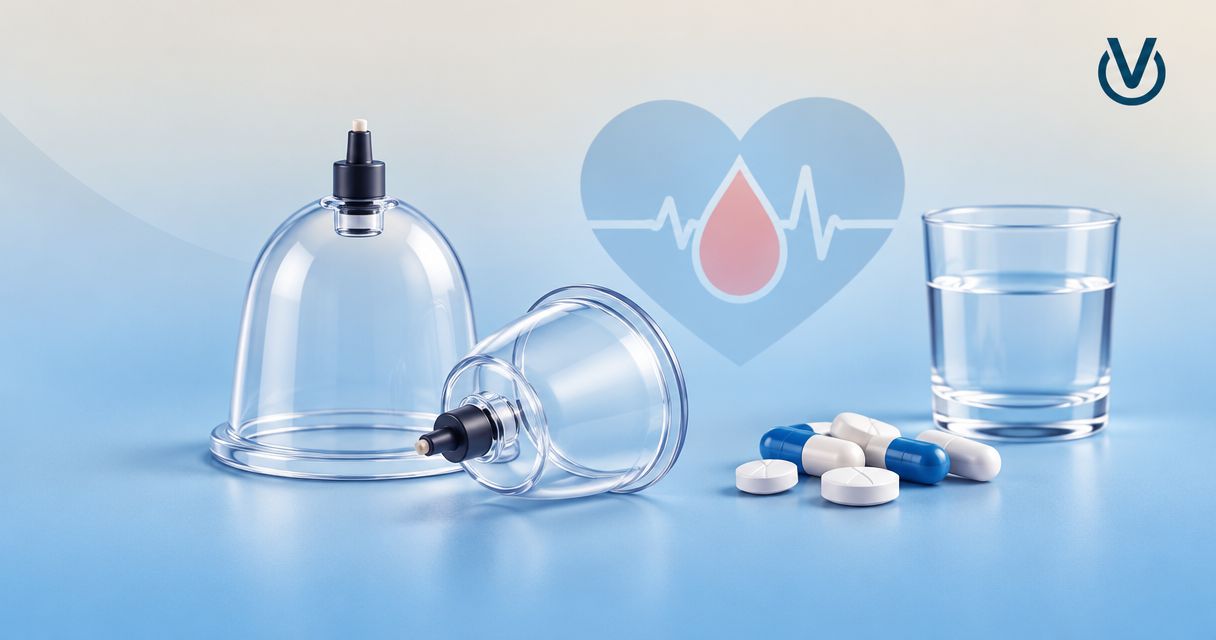
The National Center for Complementary and Integrative Health identifies burns, infections, scars, and persistent skin discoloration among cupping's potential adverse effects. Its public cupping overview also describes limitations in the research supporting treatment benefits. That information supports caution; it does not establish a reliable percentage for cupping-related nerve injury.
Use the distinction below to decide what needs attention. For the broader difference between pulling sensations and pain, read does cupping hurt?.
| What you notice | What it does—and does not—tell you | Next move |
|---|---|---|
| Circular discoloration without altered sensation | Skin discoloration alone does not establish nerve damage | Avoid retreating irritated skin and monitor for changes |
| Local tenderness | Tenderness does not identify the injured tissue | Stop if pain is significant, worsening, or persistent |
| Pins and needles or numbness | Altered sensation needs attention; it does not prove permanent injury | Stop cupping and seek medical advice if symptoms persist or recur |
| Burning or electric-shock pain | This can occur with nerve irritation or a skin injury | Stop suction and heat; arrange assessment |
| New weakness or loss of normal movement | Weakness requires more urgent evaluation than an isolated mark | Seek prompt medical care; use emergency services for sudden neurological symptoms |
Why this matters
Cupping marks are visible. Changes in sensation are easier to overlook, particularly when you expect discomfort from a recovery treatment. The mistake is treating every unpleasant sensation as evidence that the session is working.
Numbness is not a recovery goal. Neither is shooting pain, loss of grip, or difficulty lifting your foot. In 2026, an at-home device still cannot tell you whether a symptom comes from skin irritation, a peripheral nerve, or a problem elsewhere in your body.
Pain relief and nerve recovery are also different outcomes. Feeling temporarily looser after treatment does not establish that an irritated or compressed nerve has healed. Do not use short-term relief as permission to keep treating an unexplained neurological symptom.
What should you do if tingling starts during cupping?
End the session. Do not wait for the device's program to finish, and do not turn up the intensity to see whether the sensation changes.
- Release suction using the device's instructions. Turn off heat and other active functions. Avoid pulling forcefully against a sealed cup.
- Check sensation and ordinary movement. Note where the tingling occurs, whether it spreads, and whether you can move the affected limb normally. Do not repeatedly provoke the symptom to test it.
- Get the right level of medical help. Persistent or recurrent numbness, burning, or weakness needs clinical assessment. Sudden neurological symptoms require emergency attention.
Keep a brief record for the clinician: treatment location, device settings, whether heat was on, when symptoms began, and whether they changed after you stopped. A photograph can document a skin change, but it cannot document normal nerve function.
Do not resume cupping on the affected area simply because the skin looks better. If you experienced altered sensation or weakness, ask a clinician whether further treatment is appropriate before restarting.
When should you seek urgent or emergency care?
Seek emergency help for sudden weakness, especially with facial drooping, speech difficulty, loss of balance, or a sudden severe headache. These are recognized stroke warning signs. Call 911 rather than assuming that a recent cupping session explains them.
New loss of bladder or bowel control, numbness around the groin or saddle area, or severe back pain with progressive leg weakness also needs emergency evaluation. Do not attempt to manage these symptoms with massage, stretching, or another recovery device.
Seek prompt medical attention for a significant burn, blistering with severe pain, rapidly spreading redness, fever, or worsening swelling. These concerns are not all nerve injuries, but they still need assessment.
For less dramatic symptoms, contact a healthcare professional when numbness, tingling, or burning continues after the session, returns repeatedly, or interferes with normal activity. There is no universal waiting period that makes persistent altered sensation safe to ignore.
Why the risk of injury varies
No single suction setting guarantees safety for every person, body area, and device. For your 2026 routine, consider the treatment method alongside your skin condition, sensation, and medical history.
- Suction intensity and exposure: Stronger suction and prolonged application increase tissue stress. A higher setting is not proof of a more useful session.
- Heat: Excessive heat can burn skin. Reduced temperature sensation makes it harder to recognize that heat has become harmful.
- Treatment location: Nerves lie closer to the surface in some areas. Do not treat a painful or numb spot simply because you can position a cup there.
- Existing sensory changes: Neuropathy or other causes of reduced sensation interfere with your ability to use discomfort as a warning signal. Get individual medical advice before treatment.
- Skin and tissue condition: Broken, inflamed, infected, or recently injured skin is not an appropriate place to experiment with suction or heat.
- Repeat treatment despite symptoms: Adding more suction, heat, or another treatment to an already irritated area makes the situation harder to assess. Stop instead of chasing relief.
These factors are reasons to individualize care, not a formula for calculating a safe dose. Follow the specific device instructions and any limits your healthcare professional gives you.
Is tingling after cupping always permanent nerve damage?
No—tingling after cupping does not automatically mean permanent nerve damage. Temporary nerve irritation, swelling, skin injury, and pre-existing conditions can produce overlapping symptoms. You cannot distinguish those causes reliably from the sensation alone.
A clinician evaluates the pattern of symptoms, strength, sensation, and relevant medical history. Depending on the findings, further testing or referral can be appropriate. Not everyone with tingling needs a nerve test, and an online symptom description cannot determine who does.
Avoid assigning yourself a recovery deadline. The cause and severity of a nerve problem determine its course; the darkness of a mark does not. Improvement is useful information, but recurring symptoms still deserve attention.
Can cupping treat an existing nerve problem?
Cupping should not replace assessment or established treatment for neuropathy, nerve compression, or unexplained weakness. A treatment aimed at muscle discomfort does not automatically address the cause of numbness or radiating pain.
This distinction matters if you already have symptoms associated with conditions such as carpal tunnel syndrome or sciatica. Treating the painful location does not establish where the problem originates. Repeated self-treatment can also delay assessment of a condition that needs a different approach.
Ask your clinician whether cupping is appropriate for your diagnosis, which areas to avoid, and what symptoms should end a session. If you have reduced sensation, ask specifically about heat and your ability to detect excessive suction. Do not substitute a general wellness guide for those individual instructions.
How should you approach at-home cupping in 2026?
Choose a routine you can stop immediately, not one that asks you to endure pain. Read the device instructions before starting and confirm how to release suction. Position yourself so you can reach the controls without straining or relying on someone noticing a problem.
Use only the settings, treatment areas, and session limits permitted by the manufacturer. Do not transfer instructions from a different device: suction scales and operating modes are not interchangeable measurements. A number on a display is not a clinical assessment of your tissue response.
Before treatment, check for existing numbness, broken skin, unusual swelling, or unexplained pain. During treatment, stop for sharp pain, burning, tingling, or a change in movement. Afterward, pay attention to function as well as appearance.
Avoid combining treatments on an irritated area to intensify the effect. If cupping produces symptoms, adding heat or another massage device is not a sensible troubleshooting step. Let the symptoms guide the decision to seek care, not the desire to finish a recovery routine.
Where a portable cupping device fits—and where it does not
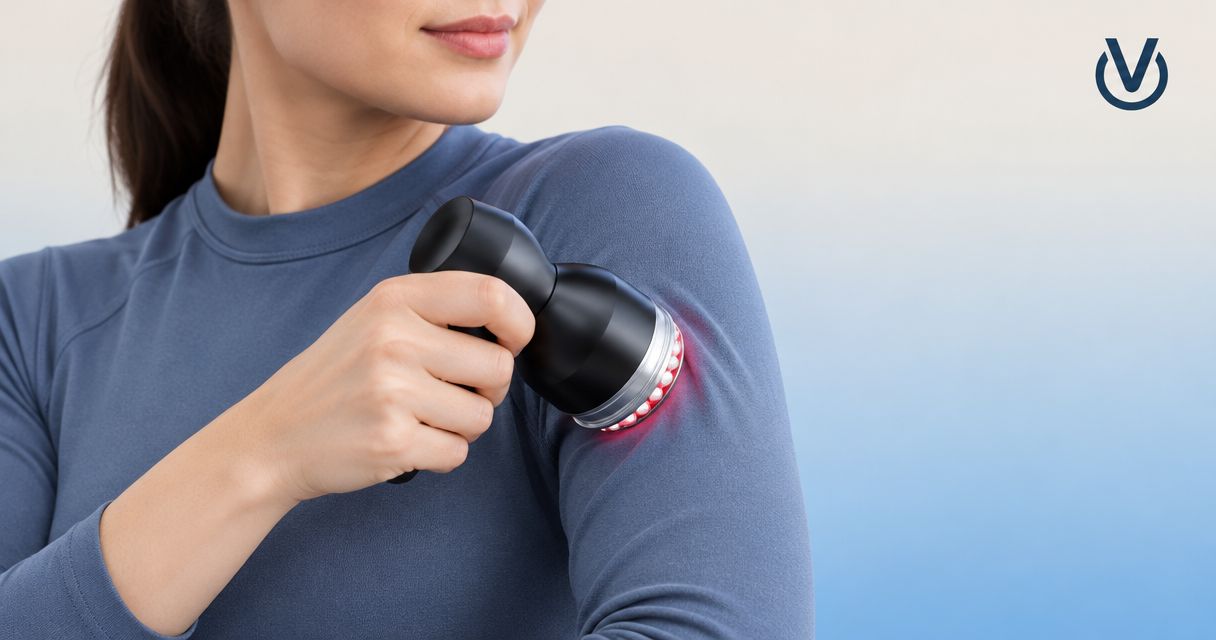
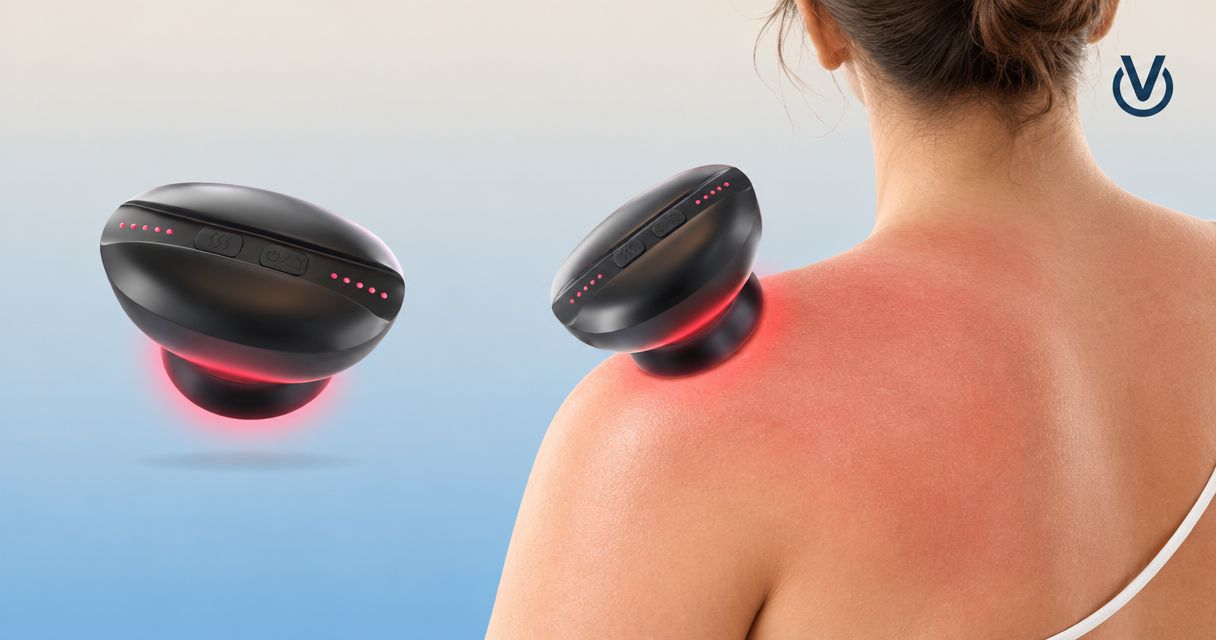
Vazocupping portable cupping devices are best suited to consumers seeking an at-home cupping routine, not treatment for suspected nerve damage. The Vazo Slide is a portable cupping device combining cupping, heating, massage, and gua sha functions. Its base is made from medical-grade alloy; that description applies to the base material, not certification or regulatory approval of the whole device.
The practical benefit is access to those functions in a handheld format. The limitation is equally important: neither the material nor the combination of functions establishes protection against nerve injury or makes treatment appropriate over an unexplained symptom. A device does not replace a neurological examination.
If you develop numbness or weakness while using a Vazocupping device, stop treatment and follow the same medical-care guidance as you would with any cupping method. Product questions belong with the manufacturer; symptom assessment belongs with a healthcare professional.
What should you tell the clinician?
Describe what changed rather than starting with a diagnosis. For example, explain whether your hand became numb during suction, whether pain traveled down your arm, or whether you noticed weakness afterward. Include symptoms that existed before treatment.
Bring the device name and instructions if available. Tell the clinician about other recent treatments, injuries, medicines, and conditions affecting sensation or bleeding. This information helps separate a possible treatment-related injury from another cause.
For a 2026 safety record, a short written timeline is more useful than relying on memory. Record the sequence without repeatedly testing painful movements or restarting the device to recreate the problem.
FAQ
Can cupping therapy cause permanent nerve damage?
Permanent nerve injury is possible, but tingling or numbness after cupping does not establish permanent damage. Stop treatment and seek assessment for persistent, recurrent, or worsening symptoms, especially weakness.
Is numbness after cupping normal?
New numbness is a reason to stop cupping, not a target treatment effect. Contact a healthcare professional if it persists, recurs, or affects normal activity.
How long should tingling after cupping last?
There is no universal safe duration for tingling after cupping. Do not use a fixed waiting period to dismiss persistent symptoms, and seek prompt care for weakness or worsening sensation.
Do dark cupping marks mean nerve damage?
Dark cupping marks do not diagnose nerve damage. Changes in sensation, strength, and movement need separate assessment regardless of the mark's color.
Can I use heated cupping if I have neuropathy?
Ask your healthcare professional before using heated cupping if you have neuropathy. Reduced sensation makes it harder to detect excessive heat or tissue irritation.
Should I massage an area that feels numb after cupping?
Do not add massage, suction, or heat to troubleshoot new numbness after cupping. Stop treatment and seek advice if altered sensation persists or returns.
Can a Vazocupping device repair an injured nerve?
Vazocupping portable cupping devices are not a substitute for diagnosis or treatment of an injured nerve. New numbness, burning, or weakness needs medical assessment rather than a stronger recovery setting.
One last thing
A fading mark and a recovering nerve are not the same observation. Skin appearance cannot confirm normal sensation or strength. If the mark improves but numbness, burning, or weakness remains, get assessed instead of treating the area again.