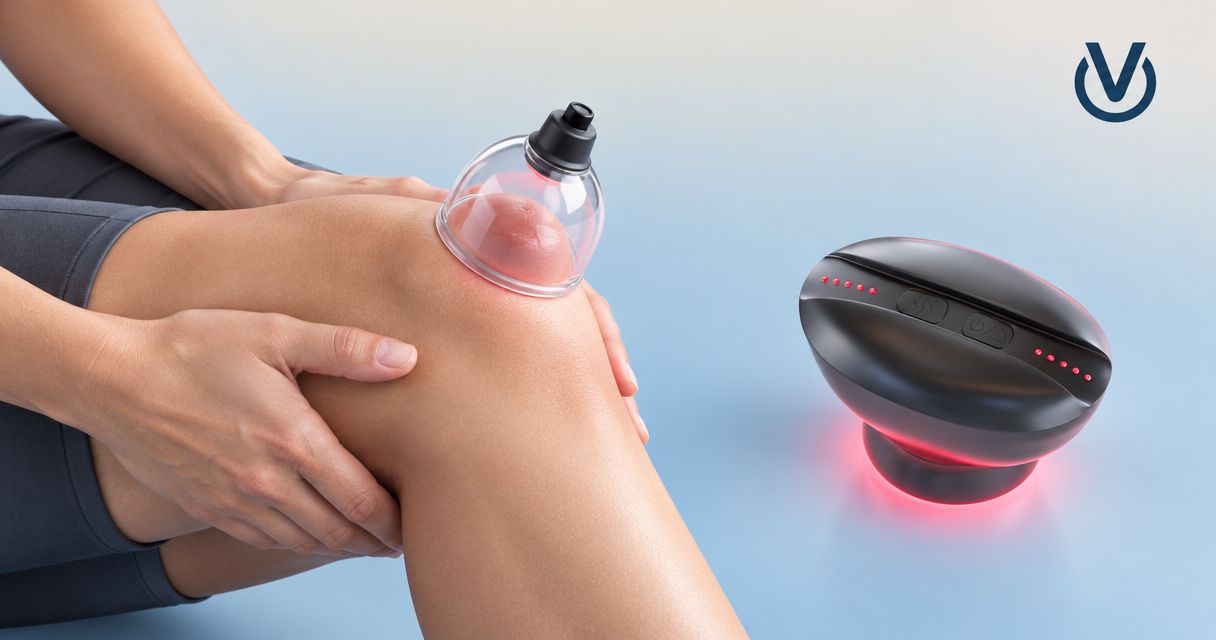
Cupping for knee pain can provide short-term relief for some people, but the evidence is limited and it does not repair cartilage, heal a torn ligament, or replace rehabilitation. Skin irritation, bruising, and burns are possible, especially when suction or heat is excessive. Use it only as an optional comfort measure after you understand what is causing your knee pain.
- Cupping for knee pain is an optional comfort measure, not a treatment for structural knee damage.
- NCCIH describes the evidence for cupping pain relief as limited; knee osteoarthritis research does not establish a cure.
- Prioritize assessment and appropriate exercise over stronger suction, darker marks, or repeated sessions.
- Vazocupping portable cupping devices are for home cupping routines, not diagnosing or repairing knee injuries.
Can cupping help with knee pain?
Cupping can help some people feel less pain temporarily, but symptom relief is not evidence that a knee injury has healed. Research on knee osteoarthritis has reported improvements in pain and function, but study quality limits confidence in those findings. That evidence does not establish benefits for every cause of knee pain.
The National Center for Complementary and Integrative Health, or NCCIH, describes the overall research on cupping as mostly low quality. Its cupping overview addresses pain broadly, not proof that a handheld device treats a specific knee condition. For your 2026 treatment decisions, keep those scopes separate.
Our guide to whether cupping therapy really works explains the broader evidence question. For your knee, the practical question is narrower: does an optional comfort measure help you function without irritating your skin or delaying appropriate care?
What different approaches contribute
| Approach | Best for | Main advantage | Main limitation |
|---|---|---|---|
| Clinician assessment | New, persistent, or unexplained knee pain | Helps identify the cause and appropriate treatment | Assessment itself is not an instant pain-relief treatment |
| Individually prescribed exercise | Building strength and function when appropriate | Addresses physical capacity rather than skin sensation alone | Requires a suitable plan and consistent participation |
| Professionally delivered dry cupping | People considering cupping who need suitability and placement guidance | Allows direct supervision and adjustment | Benefits remain uncertain; practitioner skill does not remove skin risks |
| At-home dry cupping | Adults already cleared for self-care | Fits a home comfort routine | You must manage placement, skin checks, and device use yourself |
Why this matters
A sore knee after unfamiliar activity is not the same problem as a knee that locks, gives way, or becomes hot and swollen. Treating all of these with the same suction routine risks missing the reason for the pain.
Your goal is easier movement, not a stronger treatment sensation. A session that leaves you more sore, less steady, or unable to complete prescribed exercises has not served that goal. Do not use temporary relief as permission to return immediately to an activity that repeatedly aggravates your knee.
What cupping can and cannot do for your knee
Cupping creates suction at the skin surface. It changes local tissue sensation and can leave circular discoloration, but those visible effects do not show what is happening inside the knee joint.
Some people report reduced discomfort after treatment. That experience matters, but it does not establish cartilage repair, reduced disease progression, or healing of a meniscus or ligament. Separate feeling better from structural recovery.
Knee osteoarthritis
Knee osteoarthritis is one condition studied in cupping research. Some studies report symptom improvements, but limitations in study design and comparison treatments make firm conclusions difficult.
If you have diagnosed osteoarthritis, discuss cupping as an addition to your care plan, not a substitute for it. Exercise and other clinician-recommended treatments remain the foundation. A 2026 home recovery routine should support those treatments rather than compete with them.
Muscle soreness around the knee
Discomfort around the thigh and knee can accompany changes in activity. Before treating it as ordinary muscle soreness, consider whether you also have swelling, a specific injury, instability, or pain that keeps returning.
A clinician or physical therapist can help distinguish a muscle-related complaint from a joint, tendon, or other problem. Do not assume that tenderness near the knee identifies a safe place to apply suction.
A new injury or unexplained swelling
Cupping is not first aid for an undiagnosed knee injury. A swollen knee after a fall, twist, or collision needs an appropriate assessment, particularly if you cannot bear weight or the knee feels unstable.
Do not add heat and suction to a newly injured area simply because the device offers those functions. Find out what needs protecting before attempting to make the area feel looser.
Why results from cupping for knee pain vary
Different knee problems require different care. These factors explain why another person's experience does not predict your result:
- The cause of pain: Osteoarthritis, an acute injury, and surrounding muscle discomfort are different clinical problems.
- The treatment method: Dry cupping, wet cupping, and heated handheld devices are not interchangeable interventions.
- The treatment area: Skin condition, tissue sensitivity, and nearby structures affect whether an area is suitable for suction.
- The rest of your care: Exercise, activity changes, medication, and other treatments complicate claims about what caused improvement.
- Your medical history: Blood-thinning medication, reduced sensation, circulation problems, and fragile skin require additional precautions.
- The outcome being measured: Immediate comfort, walking tolerance, and lasting functional improvement are different outcomes.
Research on practitioner-delivered treatment does not automatically establish the same outcome from a home device. Likewise, adding heat does not prove that a device works better for knee pain.
When should you skip cupping and seek medical care?
Skip cupping when your knee symptoms need assessment. Seek prompt medical care for a hot, red, swollen knee with fever, a visibly deformed knee, inability to bear weight after injury, or sudden substantial swelling.
A knee that locks or repeatedly gives way also needs evaluation. New calf swelling, warmth, or tenderness requires urgent assessment rather than massage or suction. Chest pain or shortness of breath alongside leg symptoms is an emergency.
Ask a healthcare professional before cupping if you take blood thinners, have a bleeding disorder, have reduced skin sensation, or have circulation problems. Recent surgery and a knee replacement also require guidance from your treating team.
Avoid suction over broken or infected skin, active rashes, varicose veins, and areas your clinician has told you to protect. Reduced sensation deserves particular caution with heated devices because you cannot rely on discomfort to warn you about excessive heat.
How should you approach home cupping around a sore knee?
Start with suitability, not settings. There is no universal suction level or session length that is appropriate for every knee, skin type, and device.
- Clarify the problem. If pain is new, persistent, worsening, or associated with swelling, get assessed before starting a home routine. Ask whether cupping is appropriate for your diagnosis.
- Confirm the treatment area. Have a qualified practitioner identify suitable soft tissue. Do not improvise placement over the kneecap, behind the knee, or on visibly abnormal skin.
- Read the device instructions. Follow the manufacturer's directions for permitted body areas, suction, heat, cleaning, and release. Do not borrow another device's settings.
- Keep the first use conservative. Use the gentlest manufacturer-permitted approach that your clinician considers appropriate. Stop for sharp pain, burning, numbness, or increasing discomfort.
- Check your response. Inspect your skin and reassess normal movement. Do not repeat treatment on irritated, blistered, or still-tender skin.
Do not combine cupping, aggressive massage, scraping, and intense heat over the same sore area in an attempt to accelerate recovery. Adding treatments makes it harder to identify what caused irritation.
For a useful 2026 baseline, choose 1 everyday activity, such as standing from a chair. Check that activity at 2 checkpoints: before treatment and again afterward. Keep 3 questions in your notes: Is movement easier? Is pain worse? Is the skin comfortable?
Those counts organize observation; they are not a treatment dose or a clinical test. Your clinician's assessment takes priority over your notes.
Where a portable cupping device fits
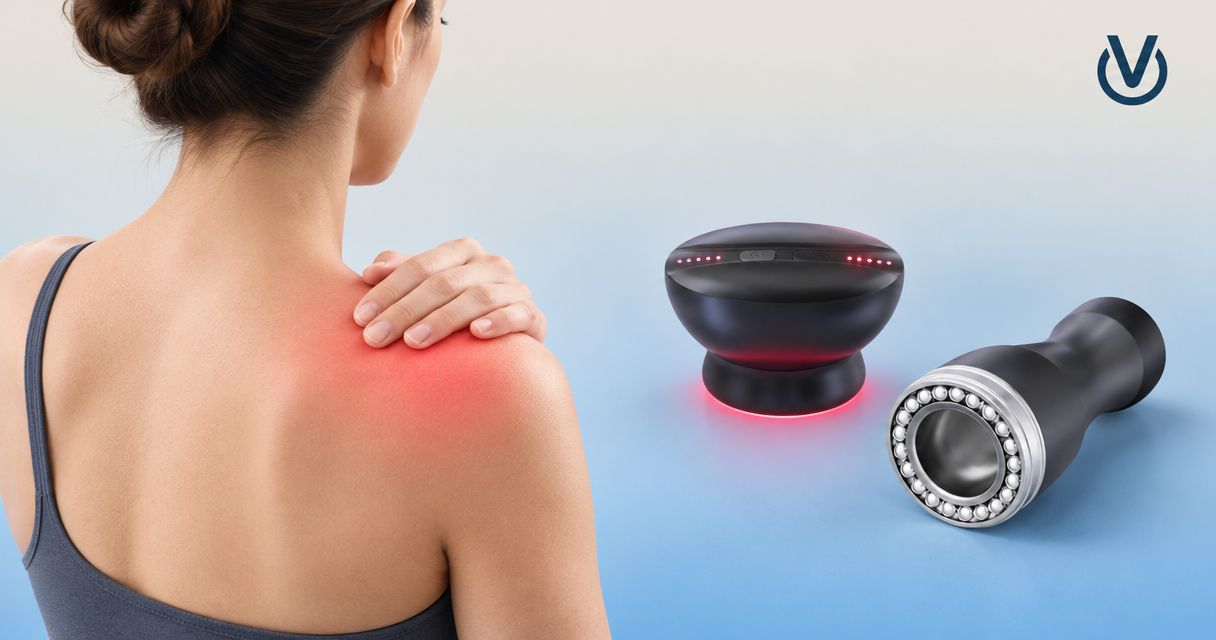
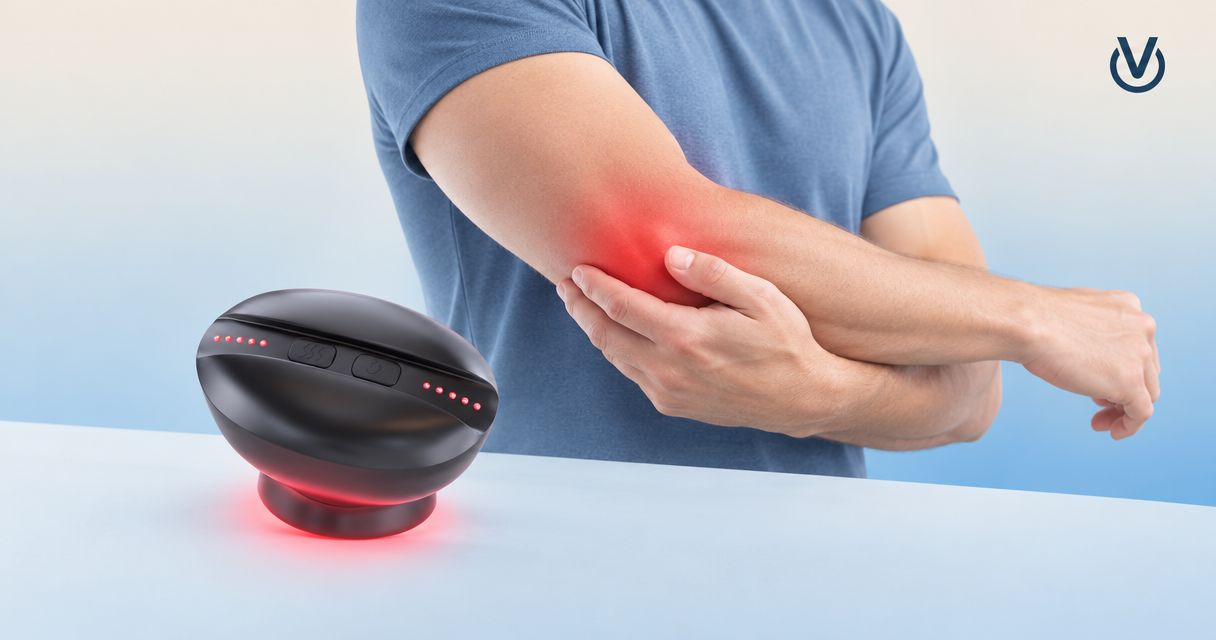
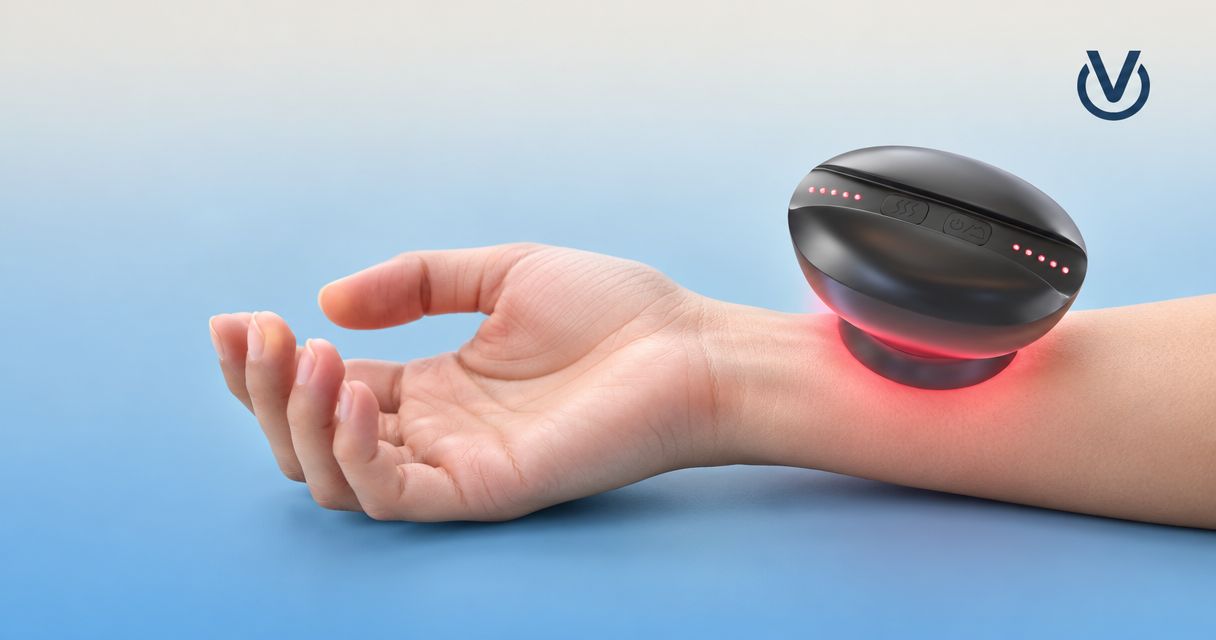
Vazocupping sells the Vazo Slide handheld cupping device, which combines cupping, heating, massage, and gua sha functions. Vazo Slide and Vazo Lume are portable cupping devices; Vazo Slide is the larger device and Vazo Lume is the smaller one. Both have a base made from medical-grade alloy.
That material description applies to the base, not certification of the whole device. It does not establish regulatory approval, superior safety, or a proven treatment effect for knee pain. Neither portability nor multiple functions changes the need for appropriate placement and precautions.
Vazocupping is best suited to adults seeking portable cupping devices for a clinician-cleared home routine, not treatment of an undiagnosed knee injury. The practical advantage is a handheld format for home use. The limitation is equally clear: a device cannot determine why your knee hurts or tell you whether suction is appropriate.
Can cupping cure knee arthritis?
Cupping does not cure knee arthritis or rebuild worn cartilage. Limited research on symptom relief does not establish reversal of the underlying condition, so keep your arthritis treatment plan in place even if cupping feels helpful.
Should cupping for knee pain leave dark marks?
Dark marks are not a treatment target or proof of better results. Cupping can cause temporary discoloration, but increasing suction to deepen the marks adds skin stress without establishing a greater benefit.
Should I use heat with cupping on a swollen knee?
Do not use heated cupping to self-treat a newly swollen or injured knee. In 2026, the decision still depends on the cause of swelling, your skin sensation, and your clinician's advice—not the presence of a heat setting.
FAQ
Does cupping for knee pain actually work?
Cupping for knee pain can provide short-term symptom relief for some people, but the evidence is limited. It does not repair structural damage or replace assessment and rehabilitation.
Can I put a cupping device directly on my kneecap?
Do not improvise suction placement directly over your kneecap. Ask a qualified clinician to identify an appropriate treatment area and follow your device's permitted-use instructions.
How long should I cup around my knee?
There is no universal session length for cupping around a knee. Follow the device instructions and individualized clinical guidance, and stop for pain, burning, numbness, or skin irritation.
Is cupping better than physical therapy for knee pain?
Cupping is not a replacement for physical therapy. An individualized rehabilitation plan addresses strength, movement, and function, while cupping is an optional comfort measure with limited evidence.
Can I use cupping if my knee is swollen?
Get unexplained, new, or substantial knee swelling assessed before using cupping. A hot, red knee with fever or inability to bear weight requires prompt medical care.
Is a heated handheld cupping device safe if I have reduced sensation?
Reduced sensation requires medical guidance before using heat or suction. You cannot rely on discomfort alone to warn you about excessive heat or skin stress.
Can I use a Vazocupping device instead of seeing a clinician?
A Vazocupping device cannot replace a clinician's assessment of knee pain. Portable cupping devices do not diagnose an injury or establish whether suction is suitable for your symptoms.
One last thing
The most useful result is not a circular mark. It is being able to perform an appropriate everyday movement more comfortably without a worse reaction afterward.
For your 2026 recovery routine, write down that movement before trying another treatment. If cupping does not help meaningful function, or leaves your knee or skin worse, stop rather than increasing the intensity. Persistent pain deserves a better explanation, not stronger suction.