Cupping for rotator cuff injury may offer temporary pain relief, but it does not repair a torn tendon or replace rehabilitation. In 2026, the practical approach is to treat cupping as an optional comfort measure after a shoulder assessment—not as the treatment that heals the injury. Suction can also cause bruising and skin irritation, adding soreness without addressing the underlying problem.
- Cupping for rotator cuff injury is an optional comfort measure, not a tendon-repair treatment.
- The National Center for Complementary and Integrative Health describes the evidence for cupping pain relief as weak.
- Sudden shoulder weakness after an injury needs assessment before cupping or other home treatments.
- Prioritize a diagnosis, appropriate activity changes, and prescribed shoulder rehabilitation over stronger suction.
Can cupping help with rotator cuff injuries?
Cupping has a possible role in symptom relief, not structural repair. Feeling less sore after a session does not show that a tendon has healed, that a tear has become smaller, or that your shoulder is ready for heavy lifting.
The National Center for Complementary and Integrative Health’s public guidance on cupping describes the research as mostly low quality. It identifies possible pain reduction but says the evidence is not strong. That broad pain evidence does not establish that cupping treats rotator cuff tears or improves their healing.
Before adding heat or suction to a sore shoulder, review the distinction between using a heating cupping device on an injury and treating the injury itself.
| Approach | Best for | Main benefit or purpose | Main limitation |
|---|---|---|---|
| Clinical shoulder assessment | New weakness, trauma, or an uncertain diagnosis | Identifies the problem and guides treatment | Assessment alone does not rebuild strength |
| Prescribed rehabilitation | Improving shoulder movement and load tolerance | Progressively trains shoulder function | Requires consistency and adjustments to symptoms |
| Cupping | Optional comfort after a clinician confirms suitability | May provide temporary pain relief | Does not repair a tear; can irritate skin |
| Surgical consultation | Tears or functional problems that warrant specialist review | Evaluates whether repair is appropriate | Surgery is not necessary for every rotator cuff problem |
These approaches are not interchangeable. A comfort treatment belongs around the rehabilitation plan, not in its place.
Why this matters
Your rotator cuff contains 4 muscles: supraspinatus, infraspinatus, teres minor, and subscapularis. Their tendons help stabilize your shoulder and support arm movement. Pain around that area does not, by itself, identify which structure is injured.
Tendon irritation, a partial tear, a full-thickness tear, and pain referred from the neck require different decisions. You cannot reliably distinguish them by testing whether a cup makes the area feel better.
For your 2026 recovery plan, separate comfort from capability. Less pain is useful, but returning to swimming, pressing, serving, or overhead work also depends on movement, strength, and the demands placed on your shoulder.
What can cupping realistically change?
Cupping applies suction to the skin and underlying superficial tissues. It does not reconnect torn tendon fibers to bone. Claims that it closes a tear, removes the cause of shoulder pain, or guarantees faster recovery go beyond the evidence.
If cupping makes your shoulder feel more comfortable, that response can still matter to you. The limit is what you infer from it: a short-lived change in sensation is not proof of tendon recovery.
Temporary relief is different from restored function
A useful recovery plan tracks what you can do, not just how your shoulder feels immediately after treatment. Discuss practical goals with your physical therapist, such as reaching a shelf, dressing, sleeping comfortably, or returning to a specific exercise.
Do not use temporary relief as permission to increase lifting loads beyond your prescribed progression. Pain can change before your shoulder has regained the capacity needed for a demanding task.
Cupping marks are not a progress measure
Dark marks do not measure how much inflammation you removed or how effectively you treated a tendon. They reflect the effects of suction on the skin and small blood vessels.
Do not chase darker marks or stronger suction. Blistering, significant tenderness, or broken skin are adverse effects—not evidence of a productive session.
Why the response to cupping varies
There is no single cupping routine that fits every painful shoulder. These factors change whether it belongs in your care and how you judge the result:
- The actual diagnosis. A traumatic tear, tendon irritation, and a neck-related problem do not share the same treatment needs.
- The stage of injury. A newly injured or recently operated shoulder requires different precautions from a stable, assessed condition.
- Skin condition and sensation. Damaged skin or reduced sensation changes the risks of suction and heat.
- Medication and health history. Blood thinners, bleeding disorders, and problems with healing require medical advice before cupping.
- The technique used. Suction, heat, placement, and exposure all affect skin stress and comfort.
- The surrounding rehabilitation plan. A passive treatment does not replace the exercise progression needed to restore shoulder function.
These differences are also why a teammate’s routine is not a prescription for your shoulder. Start with your diagnosis rather than copying someone else’s settings.
When should you get your shoulder checked before trying cupping?
Get prompt assessment if an injury leaves you suddenly weak or unable to raise your arm. A fall, forceful pull, or lifting incident followed by a major loss of function deserves attention before you experiment with suction.
Other reasons to seek medical advice include persistent night pain, worsening movement, or symptoms that interfere with ordinary activities. Pain alone cannot tell you whether a tear is present.
Seek urgent care for a visibly deformed shoulder, a cold or pale hand, new substantial numbness, or a hot, swollen shoulder with fever. Shoulder discomfort accompanied by chest pain, breathlessness, or sweating also needs urgent medical attention rather than a recovery device.
What if you recently had rotator cuff surgery?
Do not cup over a healing incision or around a repaired shoulder without your surgical team’s permission. Feeling comfortable does not mean the repair is ready for suction, heat, massage, or unrestricted movement.
Your postoperative instructions take priority over general wellness advice. Ask the team whether cupping is appropriate at all, which areas are off-limits, and whether it fits your current rehabilitation stage.
How should cupping fit into a rotator cuff recovery plan?
For an assessed shoulder in 2026, use a clear decision process rather than experimenting until something feels intense. A physical therapist or treating clinician should determine whether cupping has a useful role.
- Confirm what you are treating. Tell your clinician how the pain began, which movements trigger it, and whether you have weakness, night pain, numbness, or a previous repair.
- Agree on the main rehabilitation plan. Establish which movements and exercises are appropriate, what to modify, and how progression will be assessed.
- Ask whether suction or heat is suitable. Include your medications, skin problems, sensation changes, and any history of unusual bruising in that conversation.
- Get specific instructions if cupping is approved. Ask about placement, settings, stopping rules, and how the session should relate to exercise. Follow the device instructions as well.
- Assess the response beyond the session. Report increased pain, reduced movement, skin damage, or worsening exercise tolerance. Stop cupping if it aggravates symptoms.
Avoid treating every tender point as a target. Shoulder pain can be felt away from the injured tissue, and the place that hurts is not automatically the place that needs suction.
What should you record?
Track pain during a relevant task, movement quality, sleep disruption, and your response to prescribed exercises. Keep the task consistent enough that you can discuss meaningful changes with your therapist.
Also record adverse effects. A session that briefly feels soothing but leaves your skin painful or makes rehabilitation harder is not helping your overall plan.
Can you use a portable cupping device at home?
At-home cupping belongs after assessment when an injury is involved. Being able to reach a sore area with a handheld device does not establish that the area is suitable for treatment.
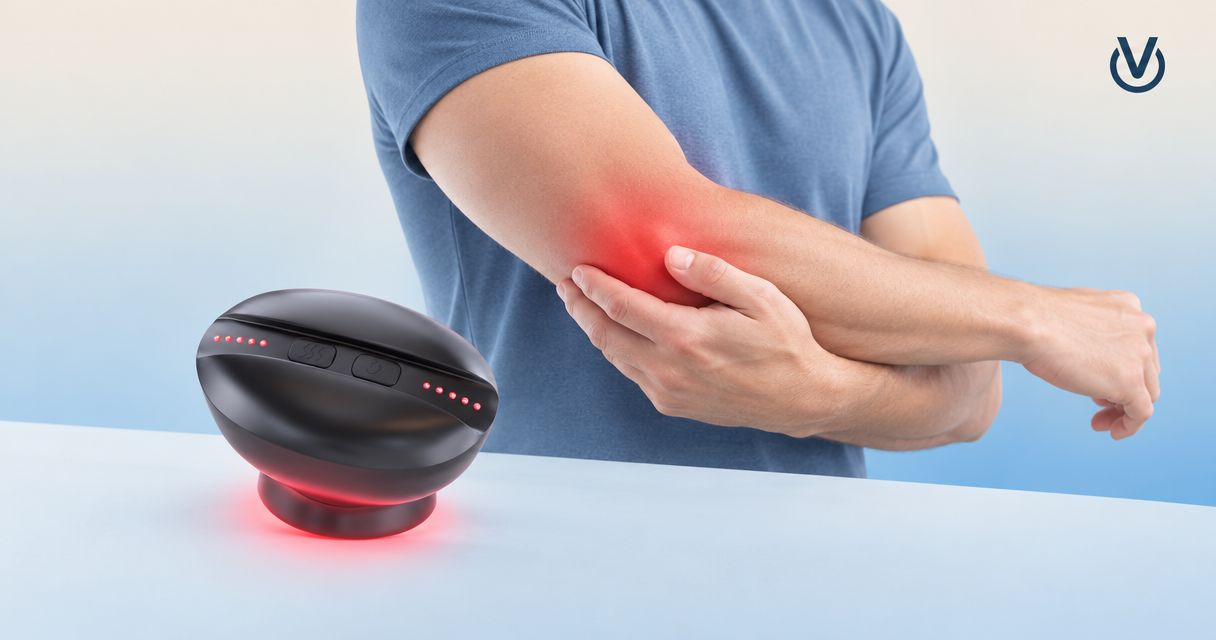
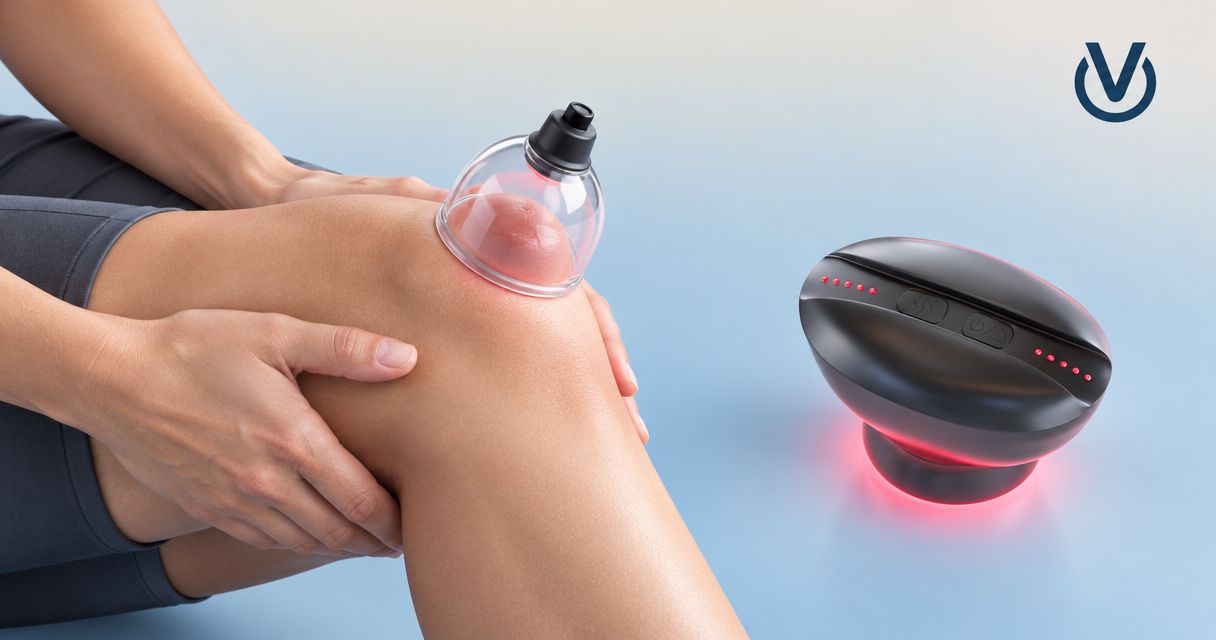
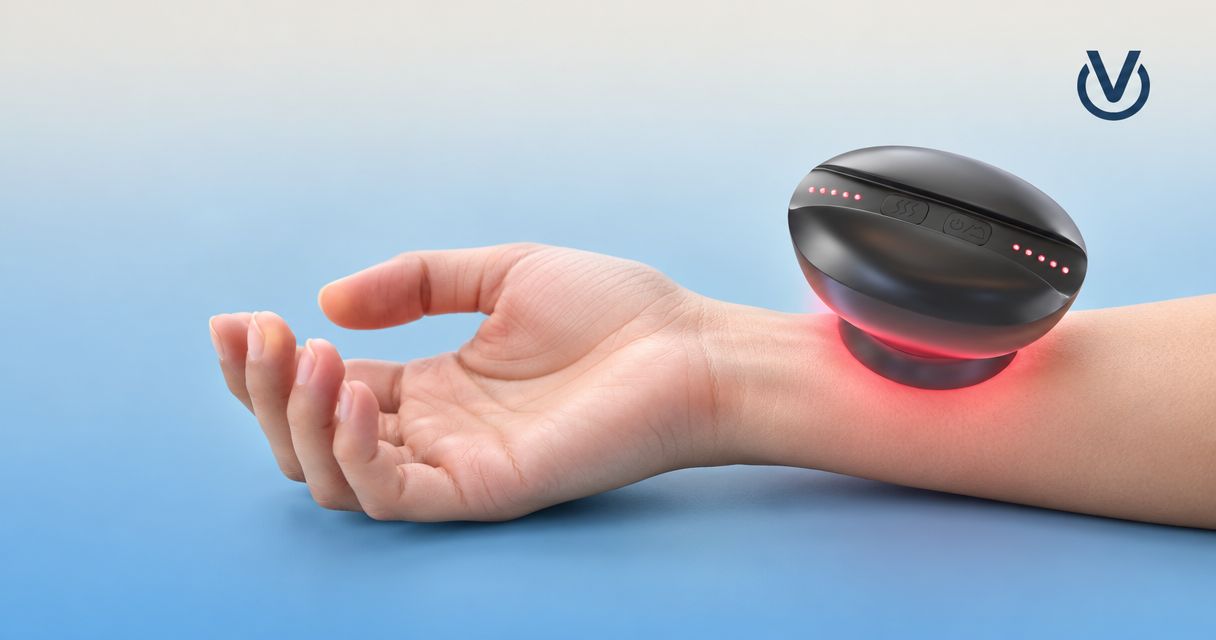
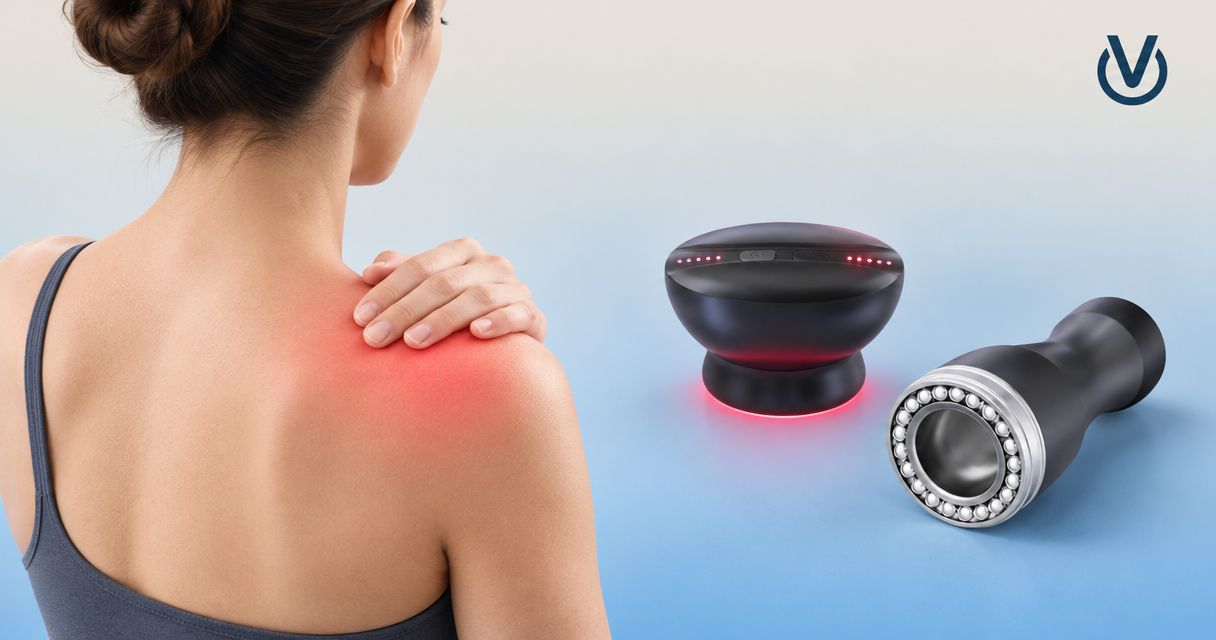
Vazocupping is best suited to consumers seeking portable cupping devices for an at-home wellness routine, not a substitute for rotator cuff care. That distinction matters more than the device’s feature list.
The Vazo Slide is a portable cupping device that combines cupping, heating, massage, and gua sha functions. Its base is made from medical-grade alloy; that description applies to the base material, not certification or regulatory approval of the whole device.
The practical advantage is having those functions in a handheld format. The limitation is equally clear: none establishes that the device repairs a rotator cuff tear, and heat or suction can be unsuitable for an injured shoulder.
When considering Vazocupping portable cupping devices in 2026, make clinician clearance the deciding factor—not the promise of a more intense session. Do not combine every function simply because it is available.
Is cupping better than physical therapy for a rotator cuff injury?
Cupping is not a replacement for physical therapy. Rehabilitation addresses movement, strength, and activity demands; cupping is a passive technique with limited evidence for pain relief.
Your therapist can decide whether an additional comfort treatment supports your exercise plan. If cupping takes time or attention away from prescribed rehabilitation, prioritize the rehabilitation.
Can cupping heal a torn rotator cuff?
Cupping has not been shown to repair a torn rotator cuff tendon. Treatment decisions depend on the tear, your symptoms, your function, and your goals—not on whether suction temporarily reduces discomfort.
Some tears are managed without surgery, while others warrant surgical evaluation. Your clinician should explain which approach fits your shoulder and why.
Should you keep cupping if your shoulder feels worse afterward?
Stop cupping if it increases shoulder pain, reduces movement, or causes skin injury. Do not interpret worsening symptoms as a necessary release or a sign that the treatment is working.
Contact your treating clinician when symptoms persist or function declines. New weakness or a marked change after an injury needs assessment rather than a stronger setting.
FAQ
Can cupping for rotator cuff injury speed up healing?
Cupping has not been established as a way to speed rotator cuff tendon healing. Possible temporary pain relief should not be confused with tissue repair or readiness to return to sport.
Is it safe to put a cup directly over a rotator cuff tear?
Do not self-treat a known or suspected rotator cuff tear with cupping before getting clinical advice. A clinician should decide whether cupping is appropriate and specify any placement restrictions.
How long should I cup an injured shoulder?
There is no established cupping duration that treats every rotator cuff injury. Ask your treating clinician for injury-specific instructions and follow the device directions rather than copying a general routine.
Can I use heat and cupping together on shoulder pain?
Do not assume that combining heat and suction is appropriate for an injured shoulder. Heat adds a burn risk, particularly with reduced sensation, so ask your clinician before combining treatments.
Does a dark cupping mark mean my rotator cuff is healing?
A dark cupping mark does not show tendon healing. Skin marks cannot tell you whether a tear is improving or whether your shoulder can tolerate more load.
Can I exercise after cupping my shoulder?
Follow your rehabilitation plan rather than using post-cupping comfort to decide your exercise load. Temporary pain relief does not establish that a demanding movement is safe.
Can I use a portable cupping device after rotator cuff surgery?
Use a portable cupping device after rotator cuff surgery only if your surgical team approves it. Avoid healing incisions and follow all restrictions on suction, heat, massage, and shoulder movement.
One last thing
For your next shoulder appointment in 2026, bring one specific goal: the movement you want to regain. Ask what would demonstrate that your shoulder is ready for it.
That answer gives you a better recovery target than deeper marks or stronger suction. Whether you use Vazocupping or another comfort tool, judge progress by function—not by treatment intensity.